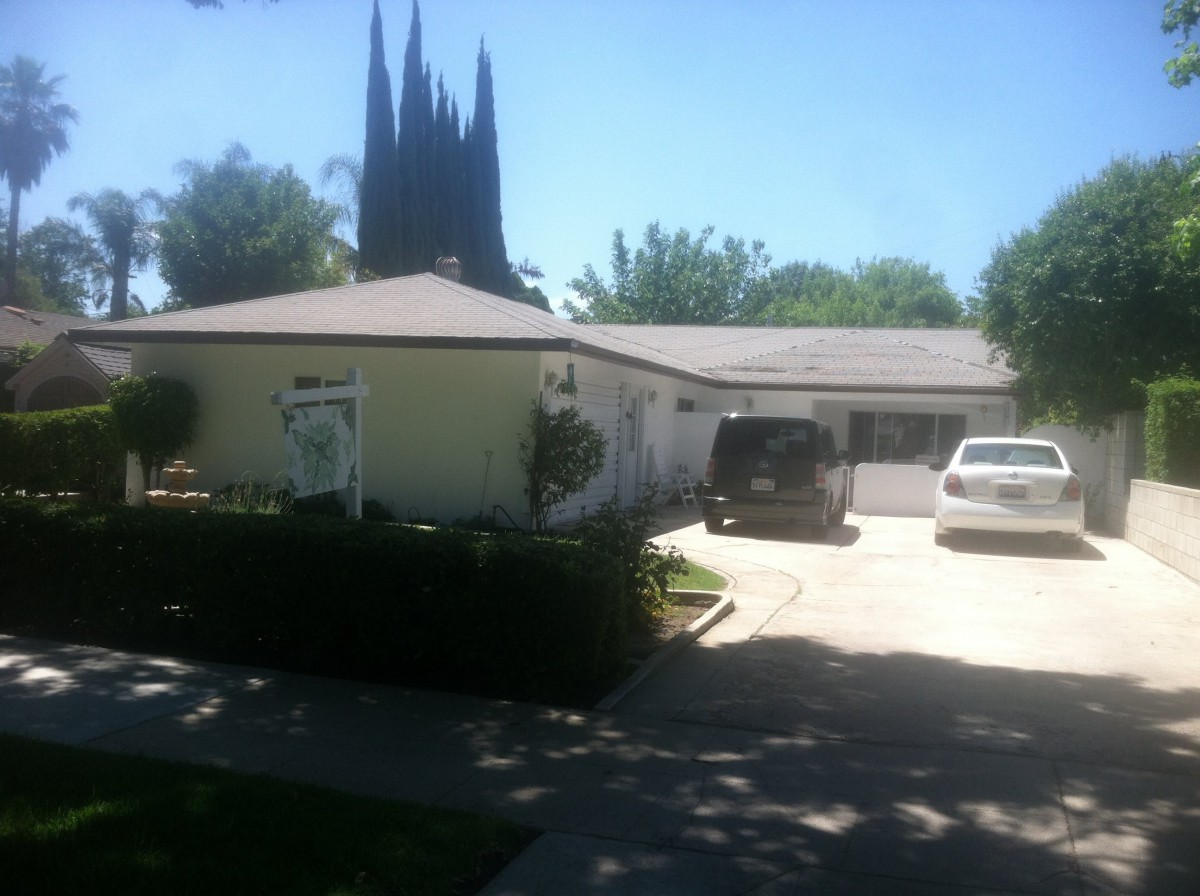















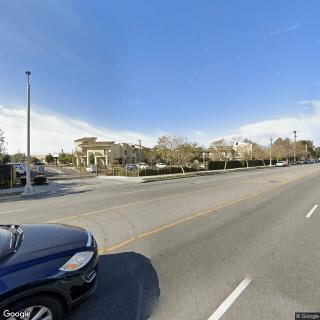
15822 Mayall Street, Granada Hills, CA 91343
To contact a resident: (818) 903-7734
For more information about senior living options: (866) 208-4318
Golden Years Board and Care Costs & Pricing
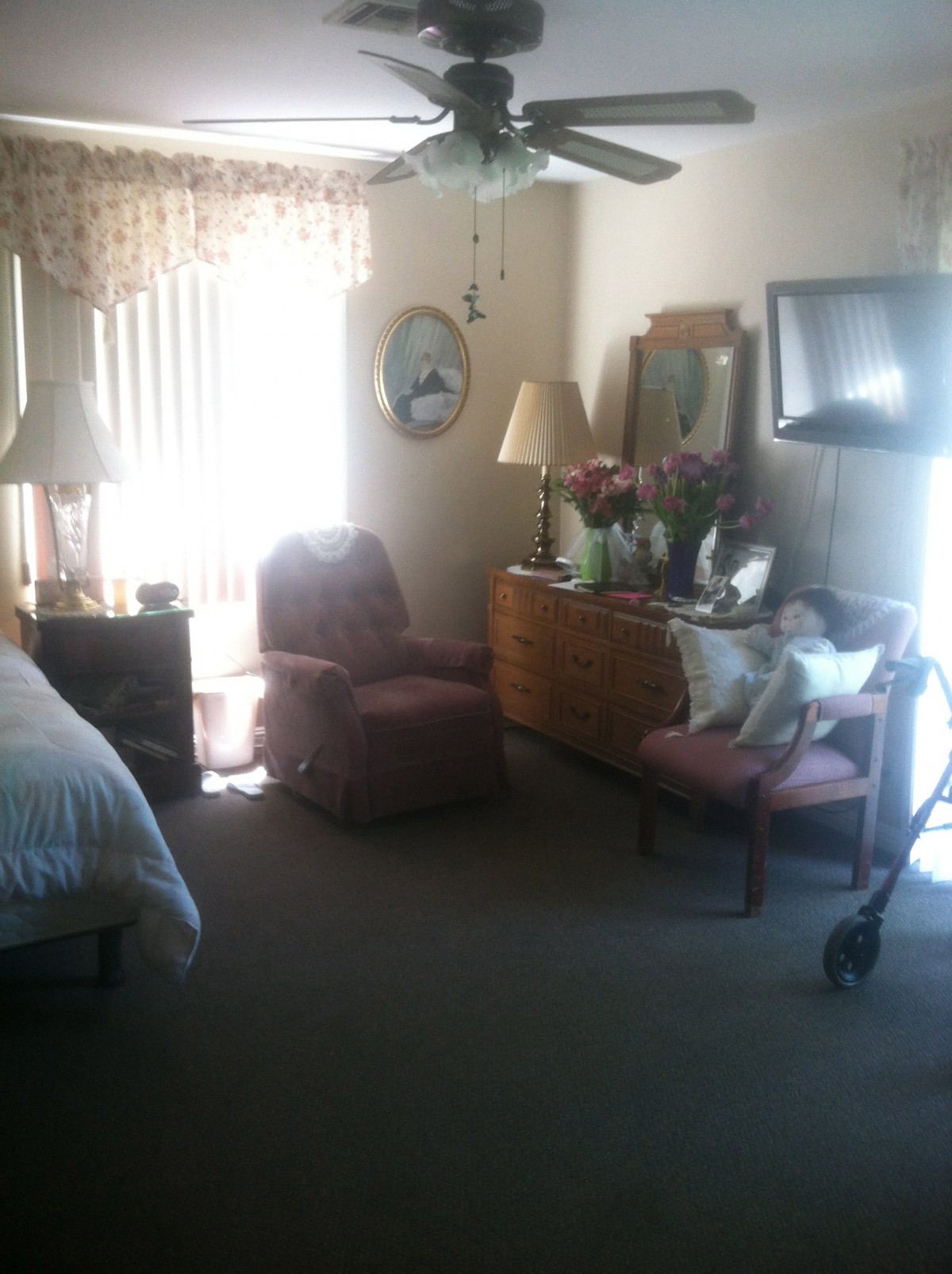
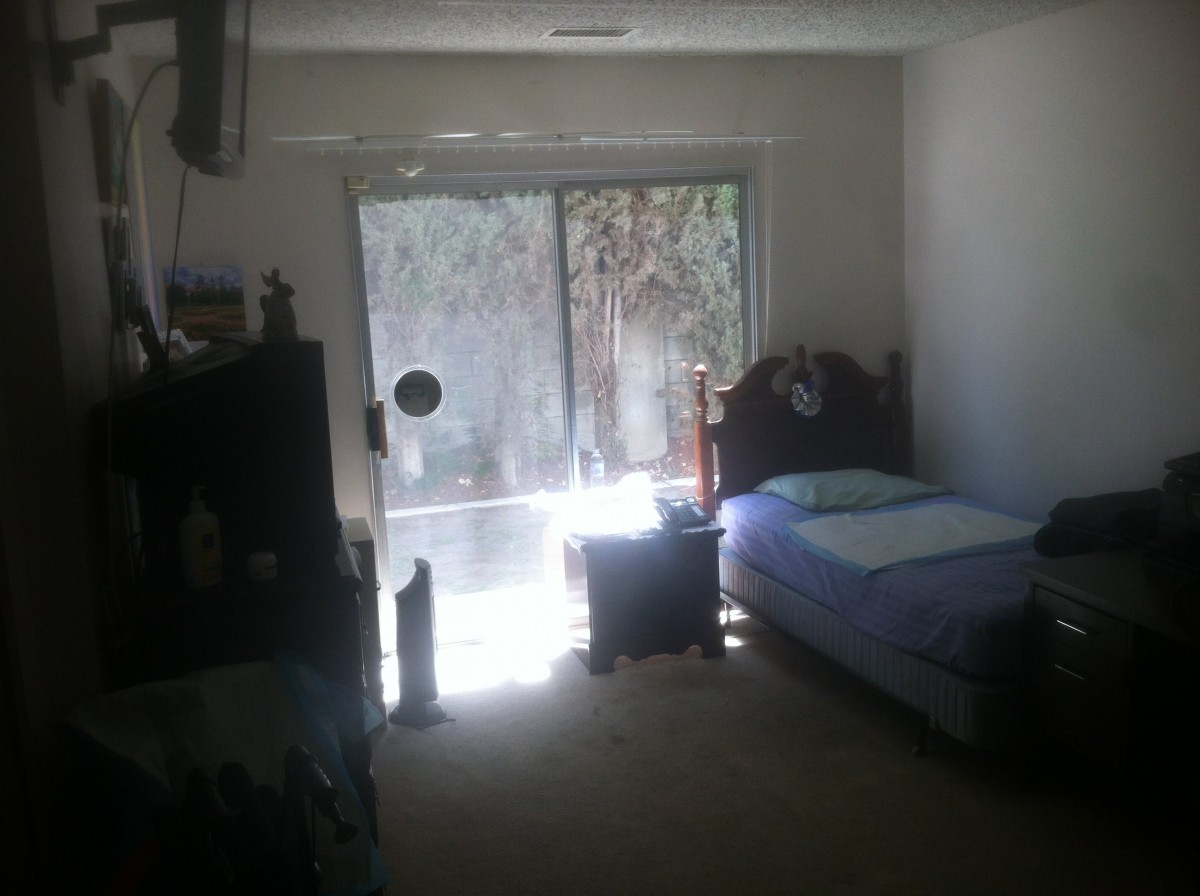
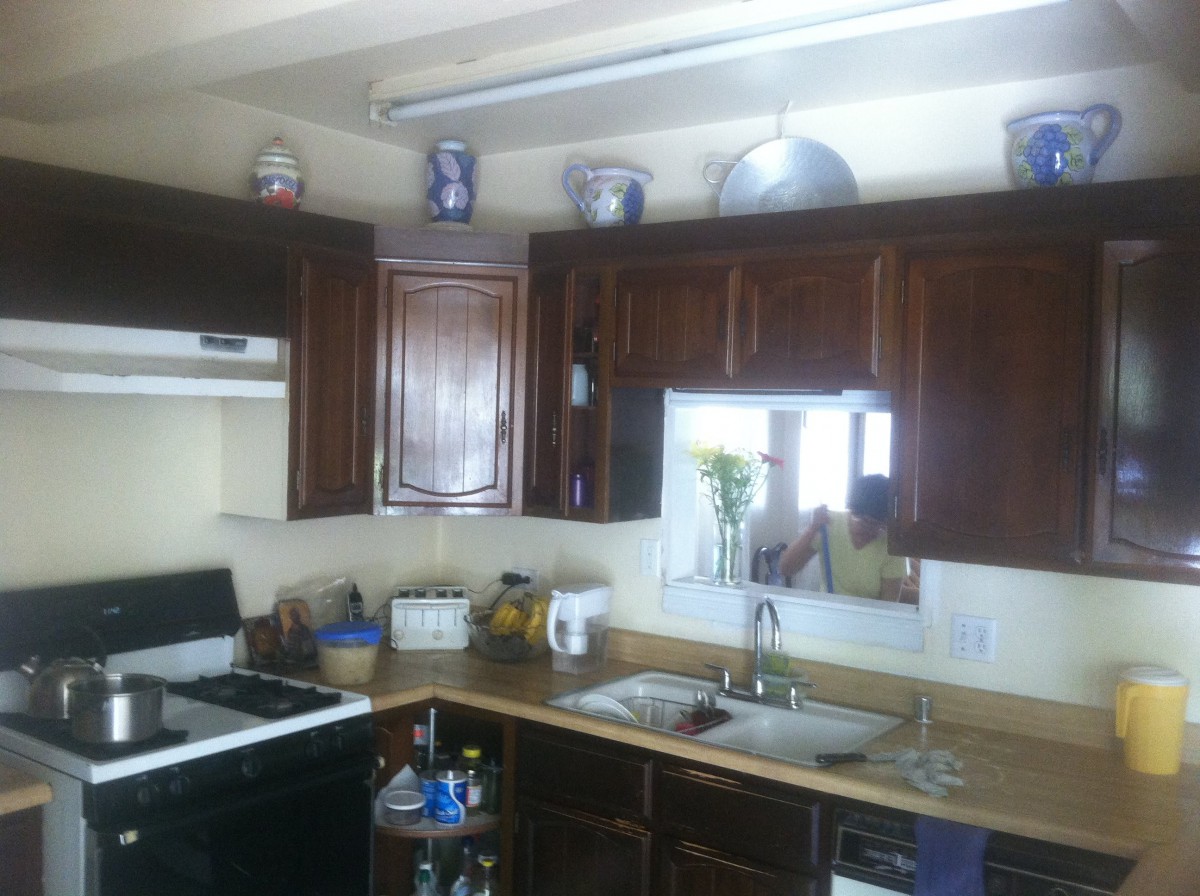
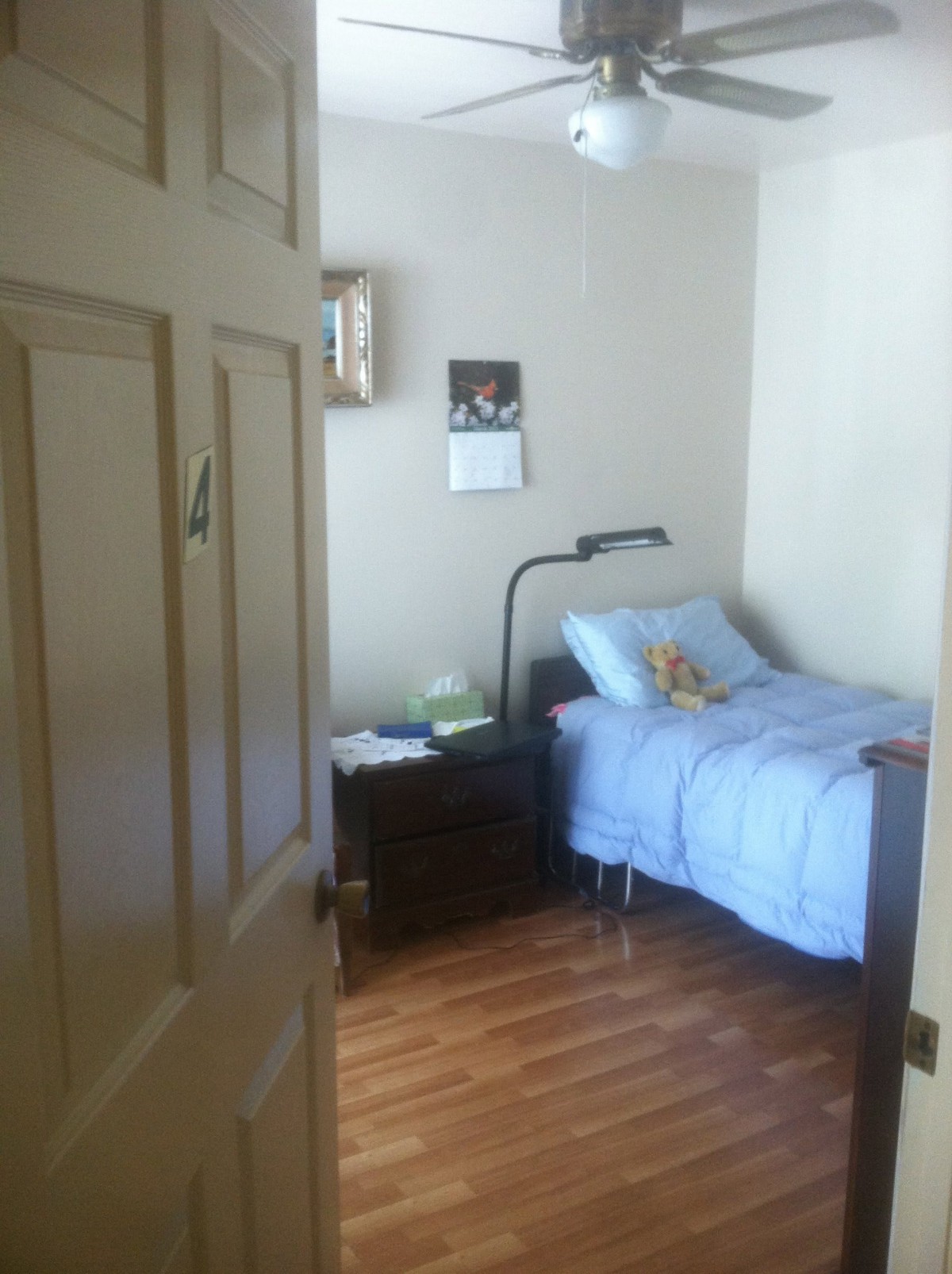
Golden Years Board and Care offers competitive pricing in comparison to both Los Angeles County and the broader California market. For a private room, residents can expect to pay $4,500 per month, which is slightly above the county's average of $4,197 but notably higher than the state average of $3,939. The semi-private room option mirrors this trend at $4,500, significantly exceeding the county's rate of $3,349 and only marginally surpassing the state's $3,333. Additionally, for those opting for a one-bedroom accommodation, Golden Years' price of $5,000 is again on the higher side compared to local and state averages of $4,603 and $4,340 respectively. Overall, while Golden Years Board and Care may be pricier than its counterparts in both Los Angeles County and California overall, it promises quality care that justifies its costs.
| Floor plans | Golden Years Board and Care | Los Angeles County | California |
|---|---|---|---|
| Private | $4,500 | $4,197 | $3,939 |
| Semi-Private | $4,500 | $3,349 | $3,333 |
| 1 Bedroom | $5,000 | $4,603 | $4,340 |
Memory care communities with a similar price nearby
-
from +$500 / mo

Sweet Home Senior Living #1
$5,000 to $7,500 / month6.0 miles away -
About the same
Ardenville Home Care I
$4,500 / month8.1 miles away -
from -$700 / mo
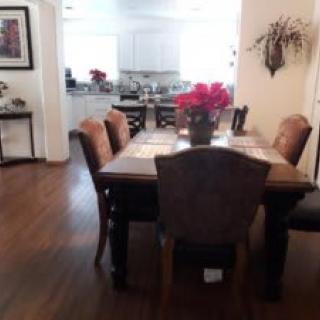
America's Care Manor
$3,800 to $4,000 / month11.5 miles away -
from -$500 / mo
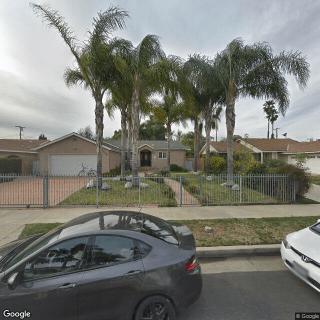
Land of Peace 6
$4,000 to $5,500 / month9.2 miles away -
from +$500 / mo
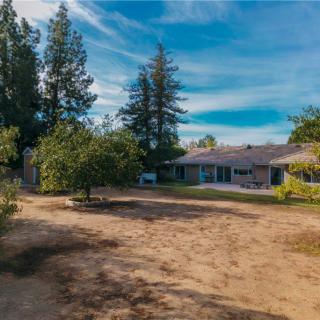
A Caring Touch Board and Care
$5,000 / month5.5 miles away
Overall Review of Golden Years Board and Care
Cons
 The place sucks.
- They hire people who barely speak English.
- They won't let customers leave, even though they're legally supposed to.
- The food is a joke.
- A staff member made soup and gave them two tiny pieces of meat; they begged for more, but he refused.
- They are tired of all these places scamming the health care system.
- There is massive corruption in the system.
- They should all be investigated.
Review
Golden Years Board and Care in Granada Hills is best suited for families seeking the lowest possible cost and prepared to accept substantial quality trade-offs in staffing, autonomy, and nutrition. The setting appears to cater to residents who can tolerate limited English-speaking staff and are comfortable with tight control over day-to-day movement. For households that require clear, respectful communication from caregivers, consistent access to controversial dietary standards, or robust resident rights protections, alternatives should be the default path. In short, this community is not a strong fit for those who need reliable language access, freedom of movement, and meals that meet specific nutritional plans; consider other boards-and-care or assisted living options with stronger oversight and more client-centered policies.
The experience described is blunt and unequivocal: staff who barely speak English, limitations on leaving the facility that feel coercive rather than compliant with basic resident rights, and food that fails to meet even modest expectations. The reviewer recounts an occasion where a meal consisted of sparse protein and small portions, highlighting a mismatch with a high-protein diet requirement. Beyond food and language, there is an accusatory tone regarding systemic corruption and a sense that oversight is lacking. Taken together, these elements paint a picture of an environment where resident dignity, nutrition integrity, and transparent operations are not trusted or consistently delivered.
In terms of pros, the review offers little to latch onto. If any benefit exists, it is the existence of a board-and-care setting at a notably low price point, but that upside is dwarfed by the immediate, concrete drawbacks: communication gaps, autonomy restrictions, and nutrition concerns. Because the narrative centers on negative experiences without identifying meaningful compensating strengths, the relative weight of cons is overwhelming. There is no clear evidence of reliable staff consistency, proactive care planning, or responsive dietary management that would offset the described issues. The practical conclusion is that any potential savings do not justify the risks and frustrations voiced.
For families evaluating options, several concrete checks should guide the decision process. Request current licensing status and any recent inspection reports from the state, and verify complaint history. Schedule unannounced visits to observe caregiver interaction, language fluency, and how resident rights are framed and enforced. Review the facility’s posted policies on leaving the premises, meal service, and dietary accommodations. Speak with multiple residents and family members about day-to-day experiences, medical coordination, and response times to requests. Finally, compare menus and protein targets with a real nutrition plan, asking how dietary needs are monitored, documented, and adjusted over time.
The bottom line is clear: this community presents significant red flags that overshadow any potential savings. For most families, alternatives that offer language-appropriate staffing, genuine resident autonomy, transparent governance, and meals that meet nutrition expectations are a much safer bet. If budget constraints are severe and all other options have been ruled out, proceed with extreme due diligence, secure documented rights, demand a trial period with explicit service levels, and insist on routine reviews by an independent overseer. Otherwise, look elsewhere for peace of mind, reliable care, and a dining program you can trust.
 Board and Care Home
 Memory Care
 Activities off-site
 Air-conditioning
 Bath tubs
 Beautician on-site
 Cable or satellite TV
 Devotional services off-site
 Full kitchen
 Ground floor units
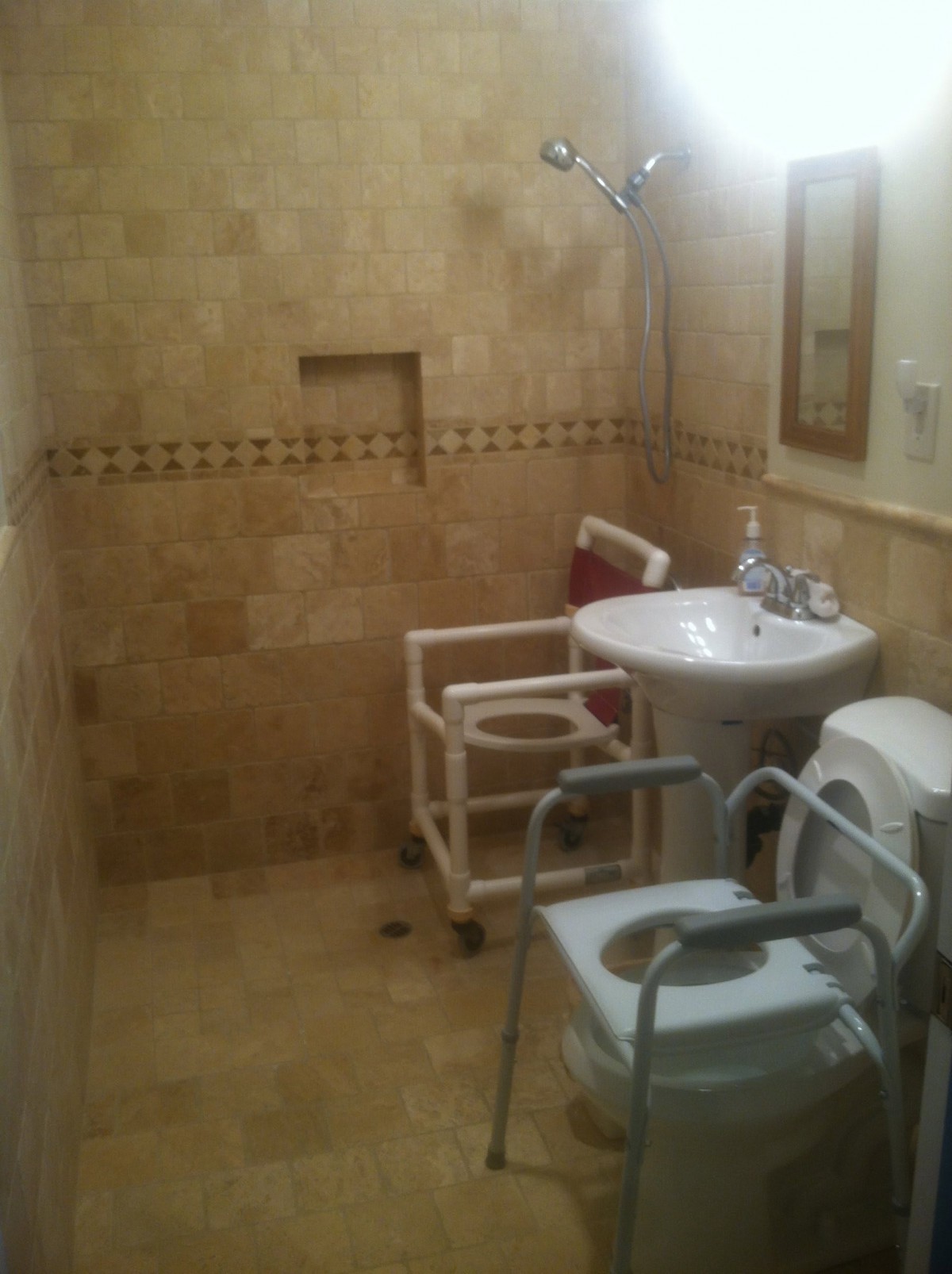
 Handicap accessible
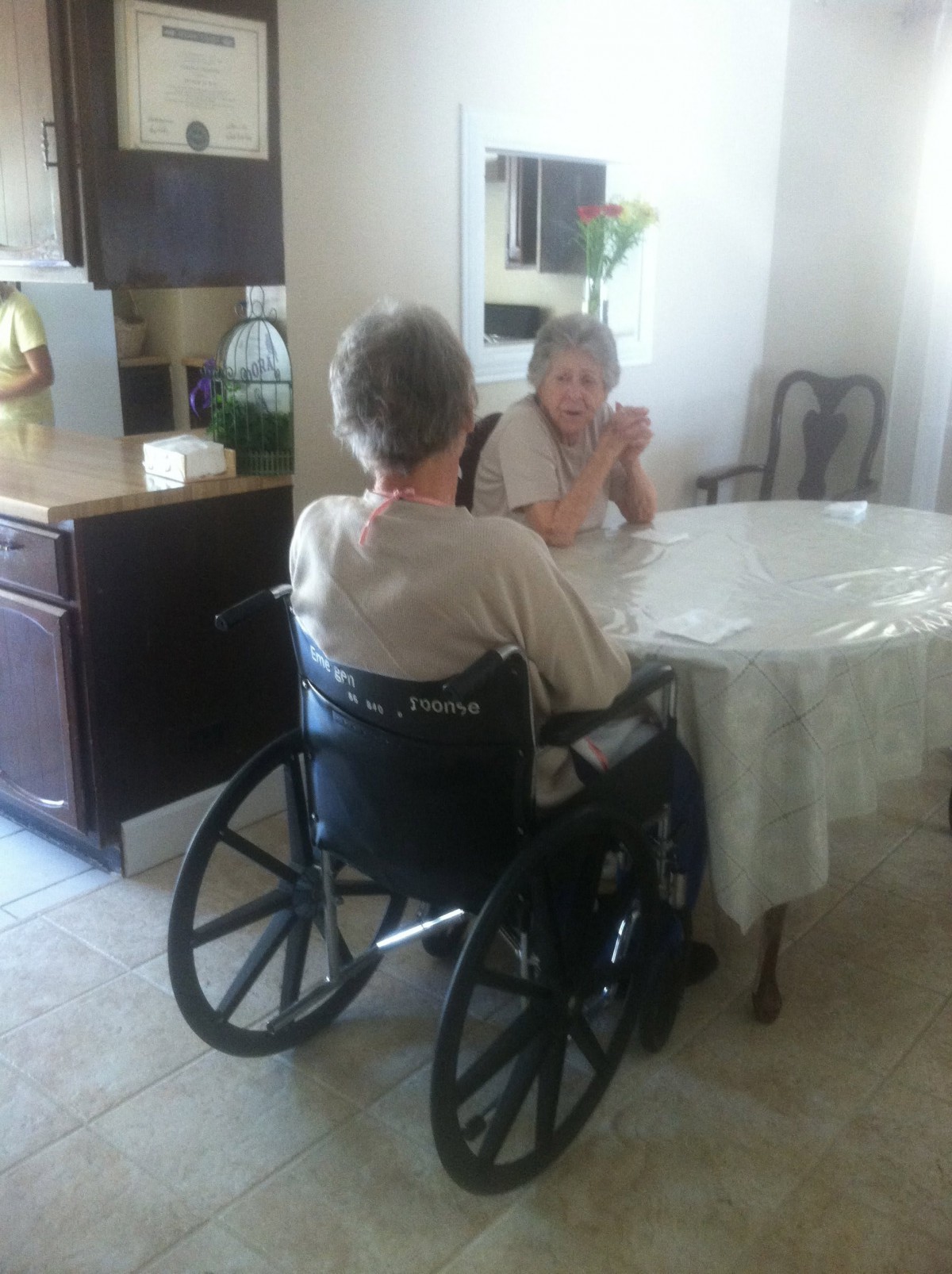
 Indoor common areas
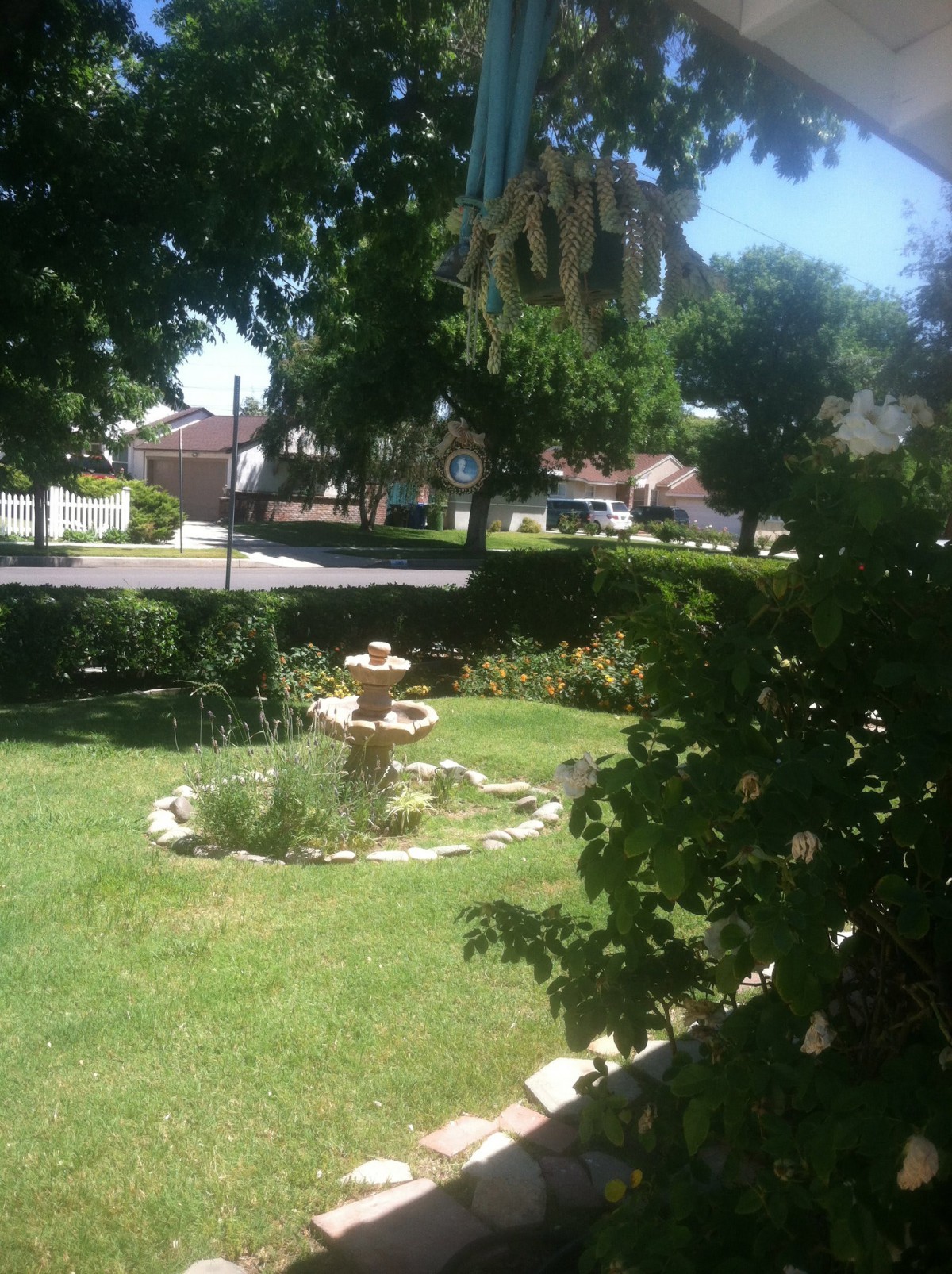
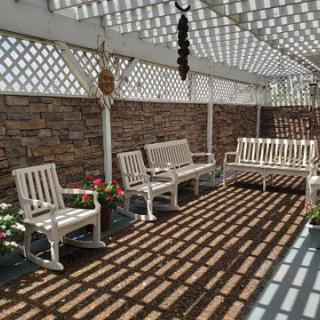
 Outdoor common areas
 Private
 Private bathrooms
 Respite or short term stays offered
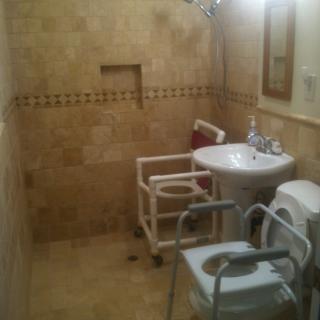
 Wheelchair accessible showers
 Wi-Fi/high-speed internet available
 Burbank-Glendale-Pasadena (8 miles away)
 High acuity care
 Incontinence care
 Medication management
 Anytime dining
 Art classes
 Catholic services
 Cooking classes
 Educational speakers / life long learning
 Jewish services
 Personalized care with 24-hour supervision and medication management.

 Medications Associated with Dementia Risk: A Comprehensive Overview
 Guiding Your Journey: Understanding Power of Attorney for Elderly Parents
 22 Remarkable Caregiver Support Groups Available Online and In-Person