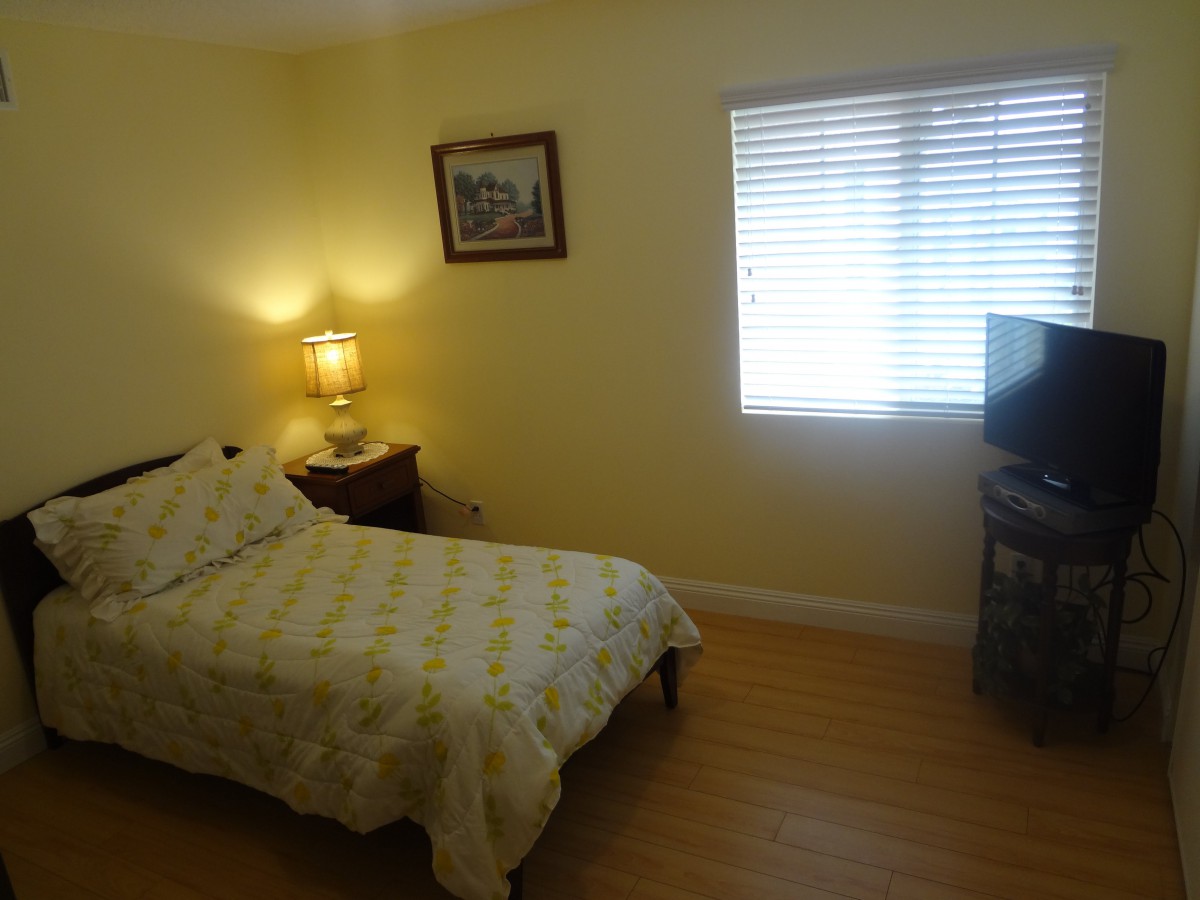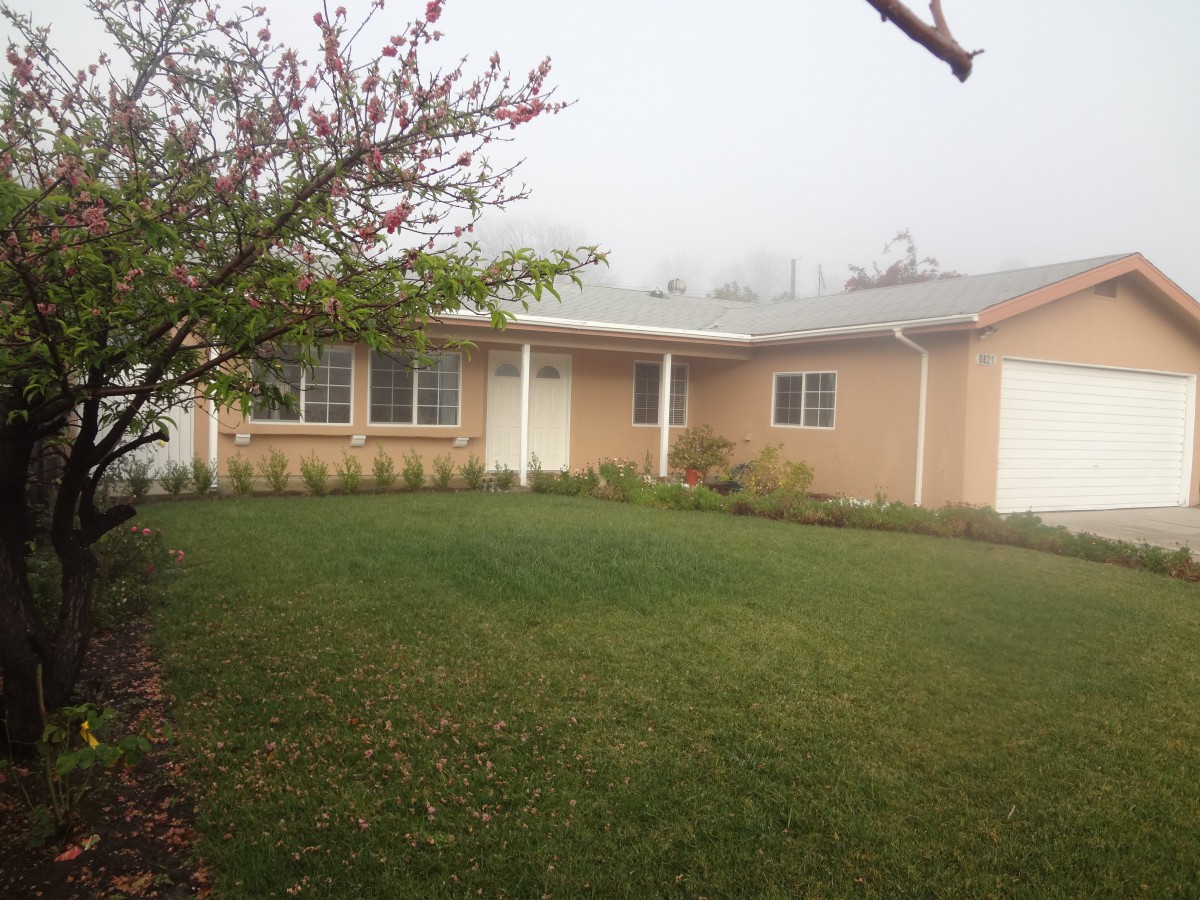
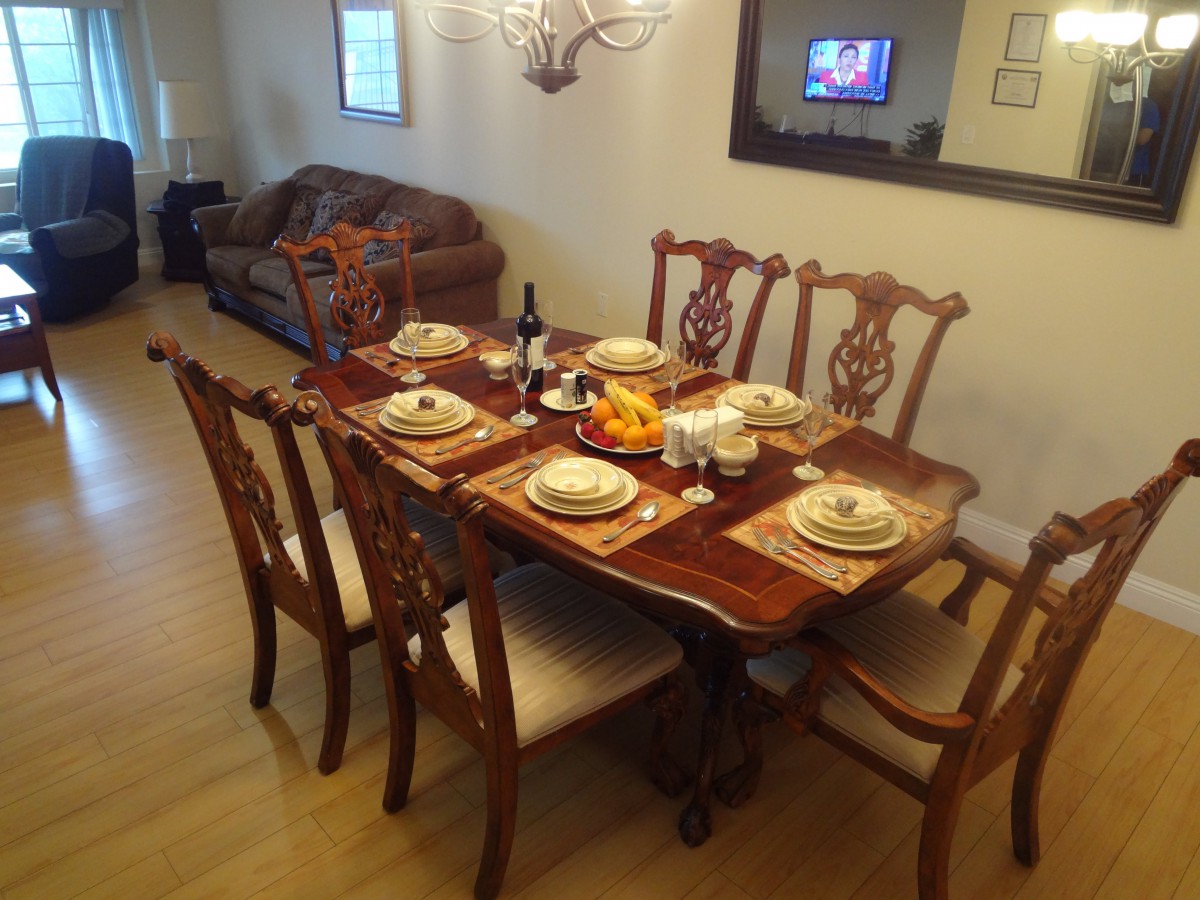
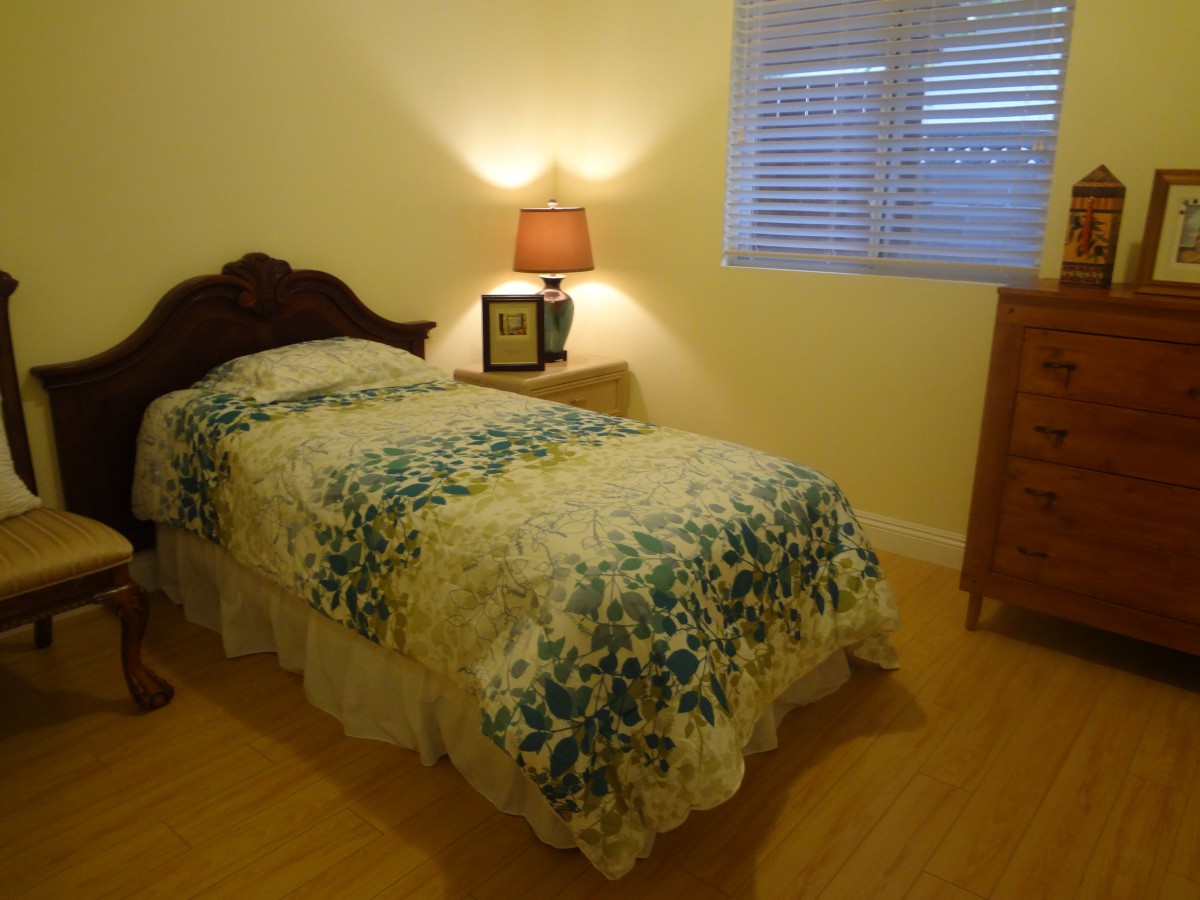
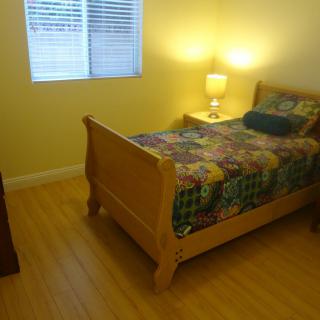
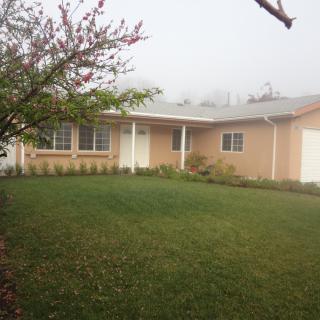
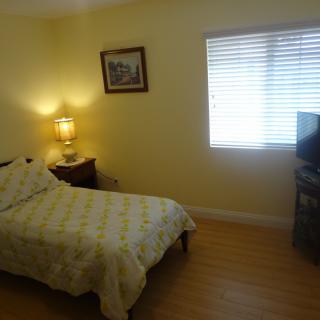
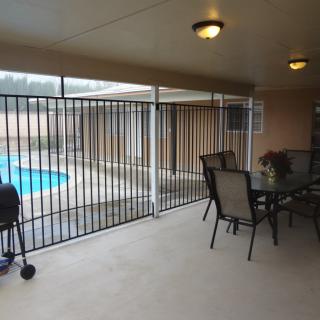
8821 Valjean Avenue, North Hills, CA 91343
For more information about senior living options: (866) 208-4318
Dignity Care Home 1 Costs & Pricing
Dignity Care Home 1 offers competitive pricing for its services in comparison to both Los Angeles County and the broader state of California. For semi-private accommodations, residents can expect to pay $2,750 per month, significantly lower than the county average of $3,349 and slightly below the state average of $3,333. When it comes to private rooms, Dignity Care Home 1 charges $3,850 monthly, which is still more affordable than the county's rate of $4,197 while remaining comparable to the statewide average of $3,939. Lastly, for those opting for a one-bedroom suite, the monthly fee is set at $4,150 - again more economical than both Los Angeles County's average of $4,603 and California's overall rate of $4,340. This pricing structure highlights Dignity Care Home 1 as an attractive option for potential residents seeking quality care without compromising their financial peace of mind.
| Floor plans | Dignity Care Home 1 | Los Angeles County | California |
|---|---|---|---|
| Semi-Private | $2,750 | $3,349 | $3,333 |
| Private | $3,850 | $4,197 | $3,939 |
| 1 Bedroom | $4,150 | $4,603 | $4,340 |
Memory care communities with a similar price nearby
-
from +$450 / mo
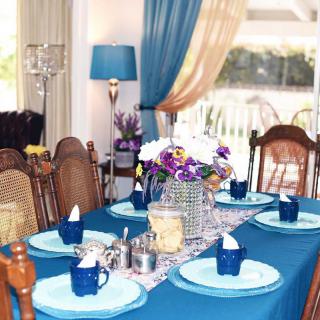
Angeles Assisted Living
$3,200 to $4,200 / month0.5 miles away -
from -$250 / mo
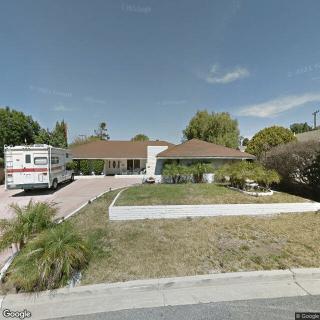
Familycare Cottage IV
$2,500 to $4,500 / month21.5 miles away -
from -$250 / mo
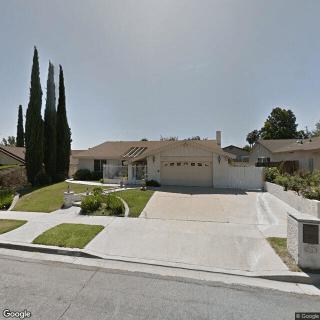
Sunrise Guest Home
$2,500 to $3,000 / month15.4 miles away -
from -$350 / mo

Leisure Living
$2,400 to $3,000 / month18.0 miles away -
from +$250 / mo
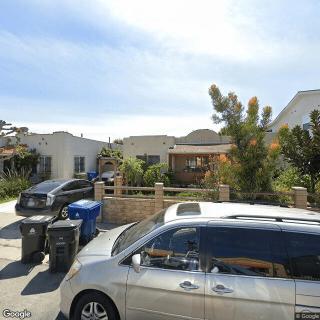
Olympic Board & Care
$3,000 to $3,500 / month15.2 miles away
Overall Review of Dignity Care Home 1
Pros
 Raymond and the team provide care with dignity for residents.
- The hospice team provides everything needed to support residents through difficult times.
- The facility is outstanding in all aspects.
- The home treats residents with love, kindness, and respect, while keeping areas clean and welcoming.
- The staff attend to residents' nutritional needs and communicate well.
- Residents' needs and wishes are always met.
- Holidays and birthdays are celebrated, and residents are taken on walks and short outings when able.
- The home works with hospice to care for residents and is a Godsend to families.
- The staff are kind, caring, and professional, and the owners are highly involved.
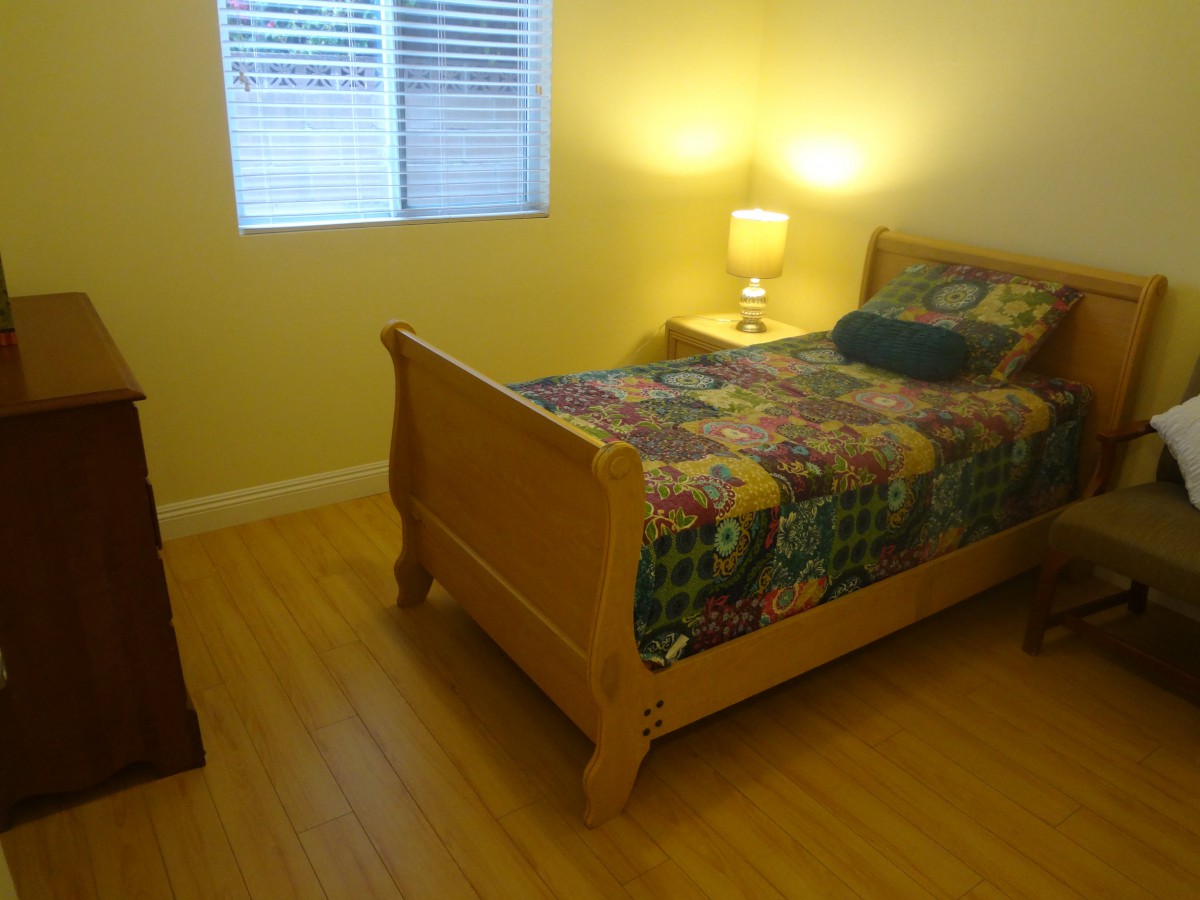
- The home is beautiful, impeccably clean, and fresh smelling.
Cons
 There aren’t many in-house activities for residents.
- One resident has difficulty eating independently.
Review
Dignity Care Home 1 in North Hills is best suited for families seeking an intimate, dignity-centered living environment where a loved one receives meticulous daily care, strong personal attention, and hospice-compatible support. This community excels for residents who need hands-on grooming, tailored nutrition, and vigilant supervision, delivered in a home-like setting rather than a clinical campus. It is an ideal match for families prioritizing consistent caregiver relationships, clear communication, and a warm atmosphere over sheer size or a bustling activity roster.
Those exploring alternatives should consider options if the priority is a more active social calendar, a larger campus with expansive in-house programming, or a facility with highly specialized memory care features. The reviews consistently note that in-house activities aren’t abundant, and while outings and on-site engagements happen, the pace of programming may be slower than in bigger communities. For families seeking a broader slate of daily events or more extensive on-site amenities, other communities may prove more fitting.
The strongest pros here revolve around care philosophy, dignity, and reliable staffing. Families repeatedly highlight compassionate, hands-on caregiving led by capable leaders who communicate well and stay engaged with the resident’s needs. The environment feels clean, orderly, and safe, with staff actively managing daily routines, nutritional guidelines, and medical coordination. Hospice partnerships are described as seamless, ensuring comfort and continuity, which is especially meaningful for residents with advanced needs. These factors collectively create a stable, respectful home where personal dignity drives every decision.
In addition, the practical strengths extend to daily life and family support. The home frequently recognizes important moments, holidays, birthdays, and ordinary moments alike, with care and consideration. Residents benefit from help with doctor and hospital visits, as well as opportunities for light, socially oriented activities outside the home, such as walks, trips to community venues, and on-site engagements brought by outside organizations. The ownership and leadership are shown to be hands-on, with a track record of fostering a calm, welcoming atmosphere where residents feel safe and valued.
The main trade-off is a modest in-house activity ecosystem. While the staff arranges targeted outings and meaningful interactions, the calendar does not emulate the bustle of larger communities. For families who equate quality care with a robust, all-day social program, this may be a limitation. Yet that limitation is largely offset by the consistent presence of attentive caregivers, the cleanliness and order of the facility, and the strong, collaborative approach to medical and life-management needs. For high-need residents who require steady hands, predictable routines, and a nurturing home, the pros substantially outweigh the occasional lull in in-house programming.
Overall, this community represents a compelling choice for families prioritizing dignity, cleanliness, and steady caregiver leadership in a smaller, home-like setting. It is especially well-suited for residents who need substantial daily support and hospice-oriented coordination, where warmth and respect are the organizing principles. Prospective families should head toward alternatives if the decision hinges on a vigorous social schedule or on-site amenities more typical of larger campuses. Otherwise, a visit to observe Raymond and the team in action will reveal a reliable, compassionate home that earns its strong reputation through tangible daily care and trusted, long-standing relationships.
 6 resident community capacity
 Assisted Living
 Board and Care Home
 Memory Care
 Activities off-site
 Cable or satellite TV
 Devotional services on-site
 Dining room
 Fully furnished
 Garden
 Housekeeping services
 Indoor common areas
 Move-in coordination
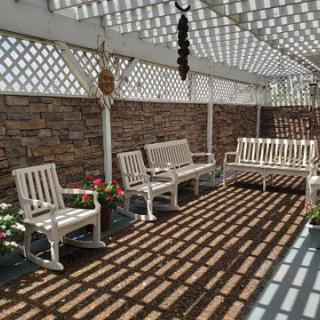
 Outdoor common areas
 Private
 Private bathrooms
 Respite or short term stays offered
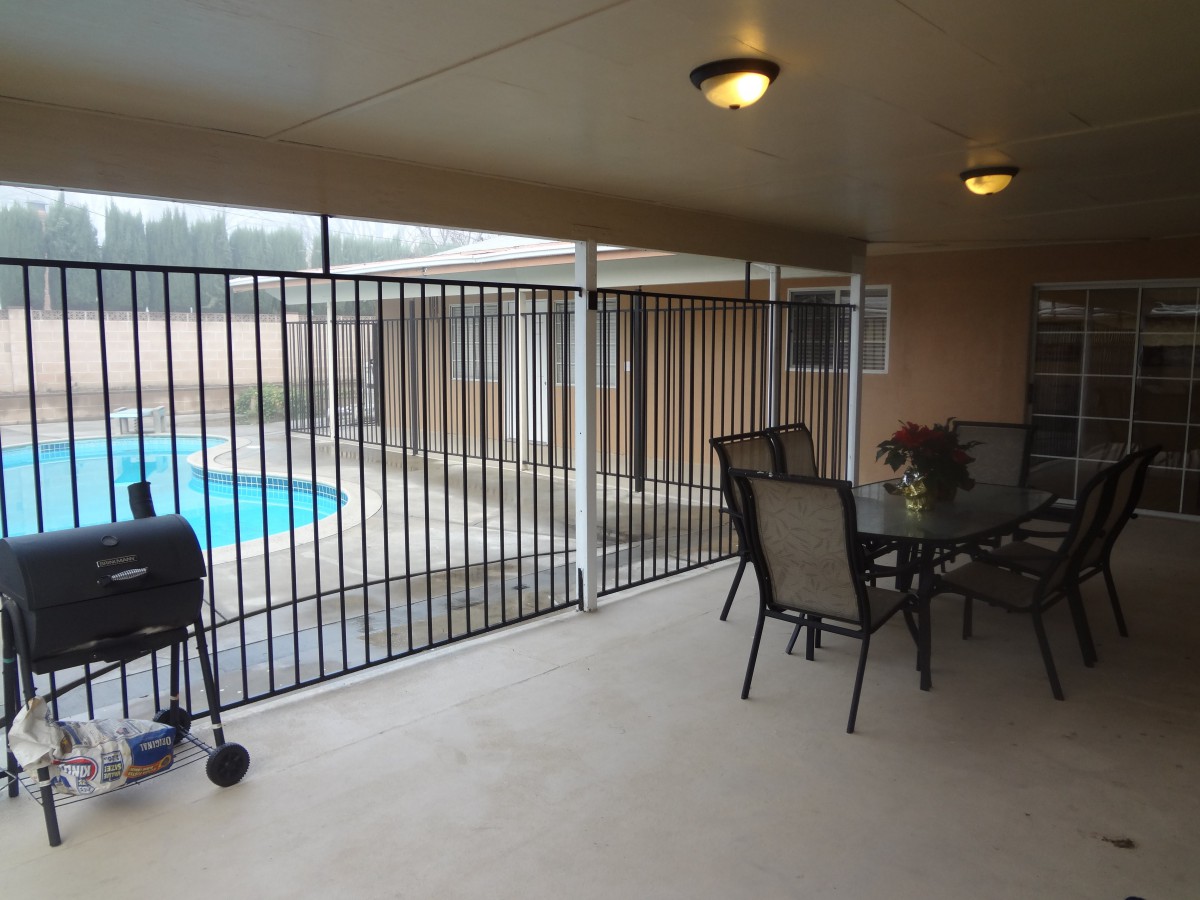
 Swimming pool / hot tub
 Telephone
 Wheelchair accessible showers
 Wi-Fi/high-speed internet available
 Burbank-Glendale-Pasadena (8 miles away)
 24-hour supervision
 Assistance with bathing
 Assistance with dressing
 Assistance with transfers
 Diabetes diet
 Diabetic care
 High acuity care
 Incontinence care
 Meal preparation and service
 Medication management
 Special dietary restrictions
 Transportation arrangement (medical)
 Transportation to doctors appointments
 Birthday parties
 Catholic services
 Day trips and outings
 Karaoke
 Light therapy programs
 Wii bowling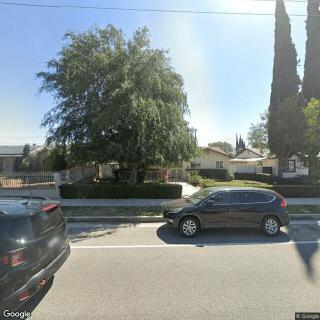

 5 Early Indicators of Dementia and What You Can Do
 8 Important Indicators That Memory Care May Be Necessary
 Delving into the Inner World of Dementia: Insights into Thoughts and Awareness