
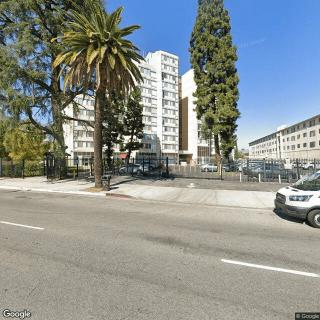
9130 Woodley Avenue, North Hills, CA 91343
For more information about senior living options: (866) 208-4318
Overall Review of Woodley Palms Senior Living
Pros
 The caregivers are vetted for their connection to the clients.
- The owners are very active in managing all aspects of the home, ensuring proper functioning and involvement in residents' lives.
- The staff and management go above and beyond to assist with whatever is necessary and truly care about the residents.
- The caregivers keep the place clean and tidy, and everyone is looked after with care and kindness.
- There is always someone available to contact with questions.
- Angeles Assisted Living is a Godsend, with care that feels like family.
- The staff and management are caring professionals with decades of experience.
- Angeles Assisted Living is a gem in a nice neighborhood.
Cons
 The reviewer had experiences ranging from good to terrible at different facilities.
- They found searching for an acceptable home to be tough.
- They would do everything they could to stay away from skilled nursing facilities.
- They implied that SNFs were notably worse than Angeles for assistive care.
Review
Woodley Palms Senior Living in North Hills is best suited for families seeking a small, home-like assisted living where relationships matter as much as routine. This community model shines when residents have chronic conditions that require frequent, attentive daily support and when families prize a deeply personal care approach over institutional anonymity. It suits couples or single seniors who want predictable routines, steady caregiver assignments, and the reassurance that the owners are actively involved in every facet of daily life, from medical coordination to holiday celebrations. Those who need extensive on-site medical complexity, large-scale rehab programs, or a broad, year-round activity calendar may find this format constraining and may want to consider alternatives with more intensive clinical resources.
The strongest draws lie in staff whom families feel are genuinely connected to residents. Caregivers are described as vetted for their compatibility with each client, and the owners are not distant administrators but hands-on managers who stay involved in doctor visits, holiday events, and the everyday rhythms of the home. This level of involvement translates into better communication, easier problem-solving, and a sense that questions or concerns are answered promptly. For families juggling schedules and medical appointments, the ability to coordinate care in one place reduces chaos and emotional strain, creating a trusted hub where a loved one can age with dignity.
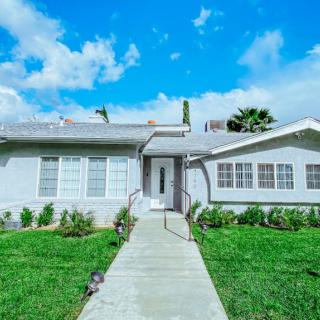
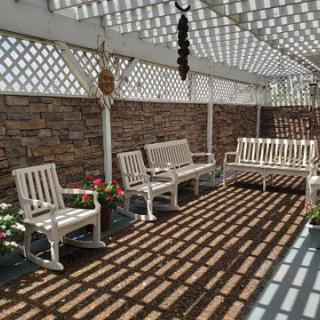
Another notable advantage is the environment itself: a clean, tidy, neighborhood-feel setting where residents are looked after with warmth and consistency. The reviews repeatedly acknowledge a culture of care that treats residents with respect and kindness, reinforcing the idea that a smaller, well-managed home can outperform larger facilities in creating a sense of belonging. This translates into practical benefits, from more reliable daily routines to fewer disruptions during transitions in care. For families wary of impersonal care, the proof lies in the sustained, long-term relationships that develop between residents, staff, and families.
Where the decision leans toward the pros, it is prudent to acknowledge potential trade-offs inherent in a smaller, family-operated model. A limited size can mean fewer on-site clinical resources, a narrower pool of specialized therapies, and less exposure to high-intensity medical programming than a larger community or skilled nursing facility. This is not a flaw so much as a diagnostic to consider: the same intimate attention that wins trust can also constrain access to certain services or contingencies during peak demand. The offset comes in the form of consistent staffing, uninterrupted routines, and unfettered access to the people who know the resident best.
For families weighing options, these insights illuminate a clear contrast. If needs center on robust skilled nursing, advanced memory care, or a broad slate of on-site therapies and activities, larger campuses or nursing facilities may deliver more comprehensive coverage. Conversely, if priority is daily reassurance, personalized attention, and a home-like atmosphere where caretakers become part of the family story, this small, actively managed setting offers compelling value. The choices hinge on acuity level, desired social pace, and comfort with a tightly knit community.
In the end, the decision should hinge on three concrete checks: authentic owner involvement, a reliable caregiver network that fosters real connections, and transparent, responsive communication with families. Prospective residents will benefit from visiting with a focus on how medical coordination is handled, what on-site professionals are available, and how daily life is structured to preserve autonomy and dignity. For families seeking a warm, intimate environment where residents are treated like cherished members of a close-knit family, Woodley Palms is a serious consideration. Alternatives should be on the radar for those prioritizing extensive clinical resources, expansive social programming, or higher levels of medical oversight.
 6 resident community capacity
 Assisted Living
 Cable or satellite TV
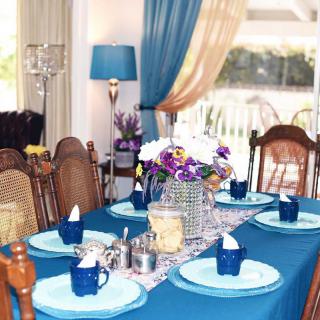
 Dining room
 Fully furnished
 Garden
 Housekeeping services
 Move-in coordination
 Outdoor space
 Telephone
 Wi-Fi/high-speed internet available
 Burbank-Glendale-Pasadena (8 miles away)
 24-hour supervision
 Activities of daily living assistance
 Assistance with bathing
 Assistance with dressing
 Assistance with transfers
 Diabetes diet
 Meal preparation and service
 Medication management
 Special dietary restrictions
 Transportation arrangement (medical)
 Transportation to doctors appointments

 Securing Financial Support for Assisted Living: A Comprehensive Overview
 Social Security Benefits and Assisted Living: Navigating Options Across the U.S.
 An Extensive Exploration of the VA Aid and Attendance Benefit