
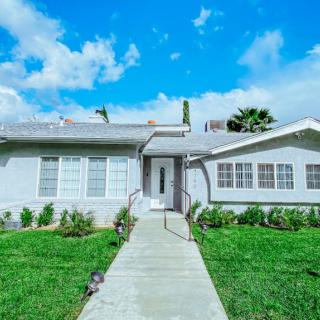
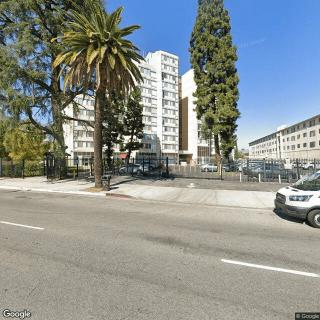
9023 Gaviota Avenue, North Hills, CA 91343
For more information about senior living options: (866) 208-4318
Overall Review of In Home Care Center
Pros
 The hospice team showed care and dignity toward their relative.
- Raymond and the hospice team provided grooming, a special diet, and more.
- They arrived from Kaiser to ensure comprehensive care.
- They worked to improve the situation in a very difficult time, to the end.
- The reviewer is grateful for their compassionate care.
Review
In Home Care Center in North Hills is best suited for families facing advanced illness or end-of-life care who want intimate, hands-on, compassionate support delivered in the home. The strongest signal from the encounters is a commitment to dignity and thorough, person-centered care for a bed-bound relative who required grooming, meticulous dietary management, and continuous attention. The team described, centered on Raymond and the hospice professionals, delivered a level of attentiveness and responsiveness that reassures families coping with difficult, end-of-life transitions. For households prioritizing seamless comfort, meticulous daily care, and a steady, empathetic presence at home, this setting stands out as a practical, emotionally intelligent choice.
Care seekers who may want to consider alternatives are those pursuing a more social, activity-rich environment or a traditional facility-based model with built-in programming and a broader 24/7 medical footprint. For families who value constant on-site engagement, structured group activities, or a setting where residents can mingle without relying on family coordination for most needs, an assisted living or a skilled nursing facility could offer a more expansive daily life. Those who seek less intensive daily caregiving or prefer option-rich campus amenities should weigh other options that foreground social opportunities alongside medical support.
The most compelling pros here are the unmistakable emphasis on dignity, personalized grooming, and tailored dietary support delivered by a dedicated team. The hospice-oriented approach appears to reduce the stress of major care decisions for families, ensuring that even when a relative is completely dependent, the veteran caregivers manage routine needs with consistency and tact. These strengths tend to offset the main limitations of an in-home model by keeping the patient comfortable, well-groomed, and nutritionally managed in familiar surroundings. Yet the model’s strengths only partially cushion potential downsides that families should anticipate, notably the heavy reliance on a home-based staffing arrangement and the absence of a broad, built-in social calendar that a campus setting would typically provide.
Operational practicality matters in real-world decisions. North Hills is a centralized location that can facilitate close coordination with hospital discharge planning and outpatient services, including Kaiser, which likely streamlined transitions for the patient described. The downside is that in-home care hinges on the availability and reliability of a small, specialized team to maintain 24/7 coverage, manage evolving medical needs, and coordinate with external providers. This can translate into fewer predictable daily rhythms than a facility environment and places greater emphasis on family involvement in scheduling, transport, and routine oversight. Cost structure, insurance coverage, and the continuity of a single lead caregiver are practical considerations that should be clarified early.
Before choosing, families should verify several details to avoid surprises. Confirm whether 24/7 on-site nursing or respite support is included, how quickly the team responds to urgent changes, and how care plans are documented, updated, and communicated to family members. Inquire about staff qualifications, turnover, and the plan for continuity if a key caregiver, such as the lead clinician, becomes unavailable. Ask for a sample daily routine, a clear outline of included services (grooming, diets, bathing, mobility assistance, medication management), and any equipment provided on-site. Request concise references or case studies from similar bed-bound clients to understand what to expect as illness progresses. Lastly, obtain a transparent breakdown of costs and how changes in medical status affect pricing.
The bottom-line recommendation is practical and decisive. For families prioritizing compassionate, at-home, end-of-life or long-term supportive care with a steadfast emphasis on dignity, this community delivers a compelling, hard-earned value. The dedicated team’s ability to maintain comfort, preserve nutrition, and attend to personal care in a home setting is the kind of reliability that reduces stress during an emotionally challenging period. However, for households where social engagement, a broader on-site medical footprint, or less intensive caregiving is desirable, alternatives deserve careful exploration. The prudent path is to arrange an on-site visit, request a written care plan tailored to the specific condition, and confirm insurance compatibility to ensure the chosen option aligns with both medical needs and family expectations.
 6 resident community capacity
 Assisted Living
 Cable or satellite TV
 Dining room
 Fully furnished
 Garden
 Housekeeping services
 Move-in coordination
 Outdoor space
 Telephone
 Wi-Fi/high-speed internet available
 Burbank-Glendale-Pasadena (7 miles away)
 24-hour supervision
 Activities of daily living assistance
 Assistance with bathing
 Assistance with dressing
 Assistance with transfers
 Diabetes diet
 Meal preparation and service
 Medication management
 Special dietary restrictions
 Transportation arrangement (medical)
 Transportation to doctors appointments


 Comprehensive Insights into Activities of Daily Living (ADLs) and Their Assessment
 Guiding Elderly Parents Who Refuse Assisted Living: 6 Practical Steps
 Your Comprehensive Guide to Luxury Assisted Living: Elevated Facilities, Amenities, and Costs