Palomino Residential Care offers a range of accommodations that reflect its commitment to quality care, though the costs can be higher than those found at both the county and state levels. For a semi-private room, residents can expect to pay $4,000 per month, which is notably above the Los Angeles County average of $3,349 and California's state average of $3,333. Similarly, for a private room at Palomino Residential Care, the monthly rate is set at $6,000 - substantially higher than the county's average of $4,197 and the state average of $3,939. These figures suggest that while Palomino may offer enhanced services or amenities that justify the premium pricing, prospective residents should weigh these benefits against their budget considerations compared to other options in Los Angeles County and throughout California.
Floor plans
Palomino Residential Care
Los Angeles County
California
Semi-Private
$4,000
$3,349
$3,333
Private
$6,000
$4,197
$3,939
Assisted Living communities with a similar price nearby
Residents and families describe care that feels hands-on and personal.
Across the reviews, families repeatedly say the staff takes very good care of residents and is actively involved in daily routines. Several reviewers also highlight patience and respectful, kind interactions, including when residents need extra attention. A number of families mention the owners are also present and engaged, not just distant administrators.
common5 reviews mention this
Clean, secure, and well kept
Many reviewers point to a consistently clean, safe-feeling home.
Several families mention the facility stays clean and well organized, including comments about the inside and outside appearance. Multiple reviewers also describe a secure environment and note there are no unpleasant odors. Others say staff keep everything looked after to the smallest detail.
common10 reviews mention this
Activities and daily exercise
Residents get regular activities, games, and exercise.
Reviewers describe the community as busy in a good way, with daily exercises, games, and other scheduled activities. Families also mention residents staying engaged through puzzles and group-style participation. In addition, some reviews tie the activity plan to residents’ physical abilities and overall comfort.
common7 reviews mention this
Food draws strong praise
Families often highlight meals and food quality.
Several reviewers say residents eat well and enjoy the meals provided. Multiple comments describe the food as especially good, including praise for fresh fruits and vegetables grown at the property. A reviewer also mentions that the dining setup works for residents who need wheelchairs.
common4 reviews mention this
Garden and outdoor space
Outdoor space and a garden are part of daily life here.
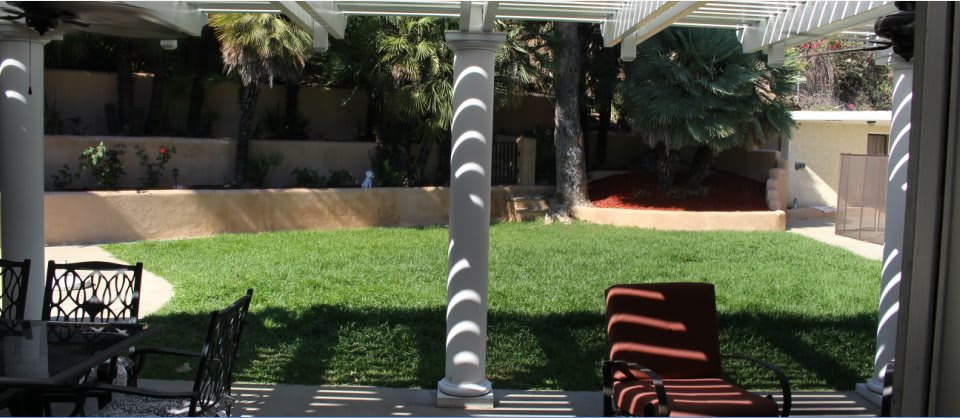
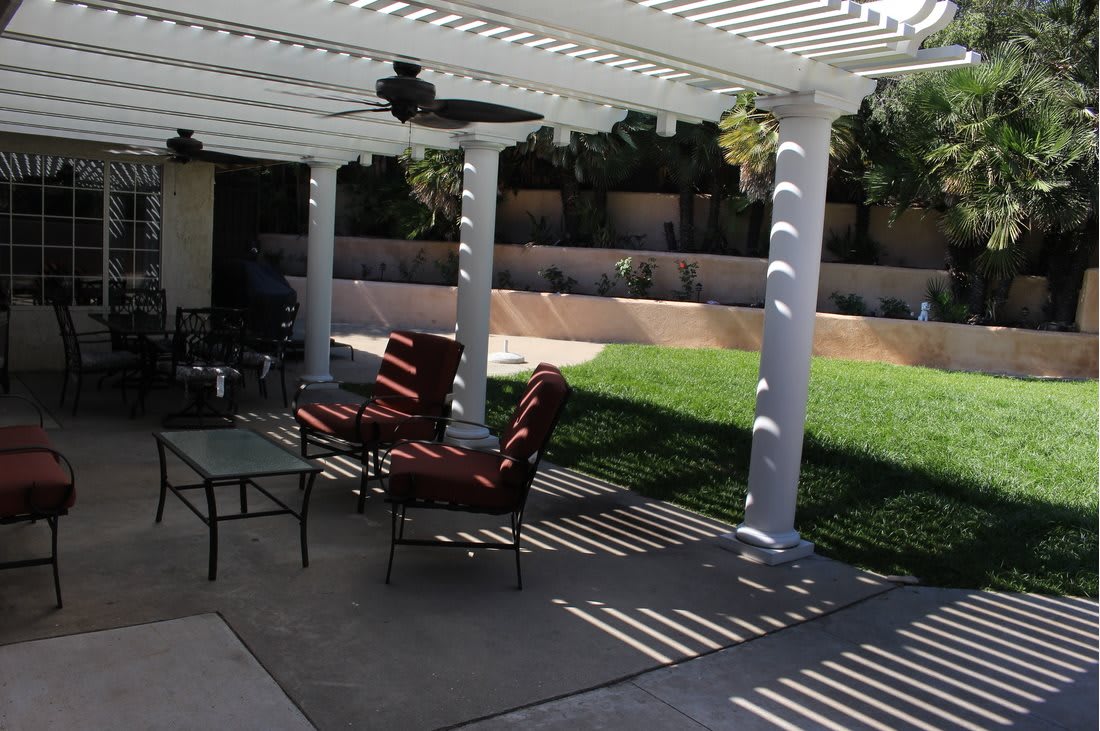
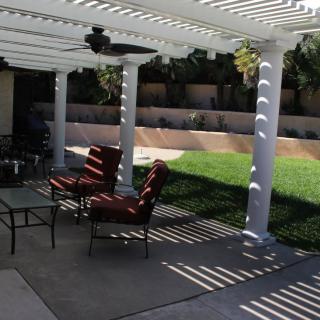
Reviews mention a backyard/outdoor area that supports a calmer, home-like routine. Families describe a garden where residents can tend to plants and where food ingredients are tied back to the property. One reviewer also calls out a vegetable-growing setup in the outdoor area.
How we summarize
Counts show how many written reviews mention each theme; a review can touch several themes, and only frequently mentioned themes are displayed.
Features
Housing
6 resident community capacity
Types of Care
Assisted Living
Board and Care Home
Amenities
Activities off-site
Activities on-site
Air-conditioning
Beautician on-site
Cable or satellite TV
Devotional services off-site
Devotional services on-site
Dining room
Fully furnished
Garden
Housekeeping services
Indoor common areas
Move-in coordination
Outdoor common areas
Outdoor space
Private
Private bathrooms
Telephone
Wi-Fi/high-speed internet available
Transportation
Long Beach (Daugherty) (16 miles away)
Burbank-Glendale-Pasadena (17 miles away)
Los Angeles International (17 miles away)
Care Services
24-hour supervision
Activities of daily living assistance
Assistance with bathing
Assistance with dressing
Assistance with transfers
Coordination with health care providers
Diabetes diet
Diabetic care
High acuity care
Incontinence care
Meal preparation and service
Medication management
Special dietary restrictions
Transportation arrangement (medical)
Transportation to doctors appointments
Dining
Anytime dining
Diabetes diet
Gluten-free
Low / no sodium
Meals provided
No Sugar
Organic
Restaurant style dining
Room service
Special dietary restrictions
Vegan
Activities
Activities off-site
Activities on-site
Art classes
Catholic services
Community-sponsored activities
Cooking classes
Day trips and outings
Devotional activities offsite
Devotional activities on-site
Gardening club
Karaoke
Live musical performances
Scheduled daily activities
Stretching classes
Trivia games
Wii bowling
Nearby Places of Interest
Located in Monterey Park, California, this neighborhood offers a variety of amenities for seniors looking for a convenient and comfortable living environment. With several parks nearby such as George E. Elder Memorial Park and Granada Park, residents can enjoy outdoor activities and beautiful green spaces. There are also several pharmacies in the area including CVS Pharmacy and Rite Aid, ensuring easy access to medication and healthcare supplies. For any medical needs, there are hospitals like Prado Center and Beverly Hospital just a short distance away. Additionally, there are numerous dining options ranging from fast food chains like McDonald's to cafes like Panera Bread for a quick bite to eat. Residents can also easily access transportation services at Union Station for any travel needs or visit the nearby theaters like Alamo Drafthouse Downtown for entertainment. Overall, this part of Monterey Park provides a convenient and welcoming environment for seniors to call home.
Parks
George E. Elder Memorial Park (0.5 miles)
Barnes Memorial Park (1 miles)
Granada Park (1.7 miles)
Almansor Park (3 miles)
Alhambra Park (3.6 miles)
Rosemead Park (4.7 miles)
Garfield Park (4.9 miles)
Pharmacies
CVS Pharmacy (0.7 miles)
Rite Aid (0.7 miles)
CVS Pharmacy (2.3 miles)
Walgreens (2.6 miles)
CVS Pharmacy (2.8 miles)
CVS Pharmacy (2.9 miles)
Walgreens (3.6 miles)
Hospitals
Prado Center (0.8 miles)
Beverly Hospital (2.9 miles)
Usc-Norris Cancer Hospital (4.1 miles)
LAC+USC Inpatient Tower (4.2 miles)
Del Rio Convalescent Center (5.1 miles)
Huntington Memorial Hospital Nicu (6.2 miles)
PIH Health Hospital (7.7 miles)
Restaurants
Subway (1.8 miles)
McDonald's (2.2 miles)
McDonald's (2.9 miles)
McDonald's (3 miles)
McDonald's (3.9 miles)
In-N-Out Burger (4.2 miles)
Popeyes Louisiana Kitchen (5.4 miles)
Cafes
Panera Bread (3 miles)
Bopomofo Cafe (4.1 miles)
Charlie's Coffee House (5 miles)
Verve Coffee Roasters (5.6 miles)
Starbucks (5.9 miles)
Starbucks (6.1 miles)
Starbucks (7.3 miles)
Places of Worship
San Marino Community Church Nursery School (5 miles)
Palomino Residential Care offers a range of accommodations that reflect its commitment to quality care, though the costs can be higher than those found at both the county and state levels. For a semi-private room, residents can expect to pay $4,000 per month, which is notably above the Los Angeles County average of $3,349 and California's state average of $3,333. Similarly, for a private room at Palomino Residential Care, the monthly rate is set at $6,000 - substantially higher than the county's average of $4,197 and the state average of $3,939. These figures suggest that while Palomino may offer enhanced services or amenities that justify the premium pricing, prospective residents should weigh these benefits against their budget considerations compared to other options in Los Angeles County and throughout California.
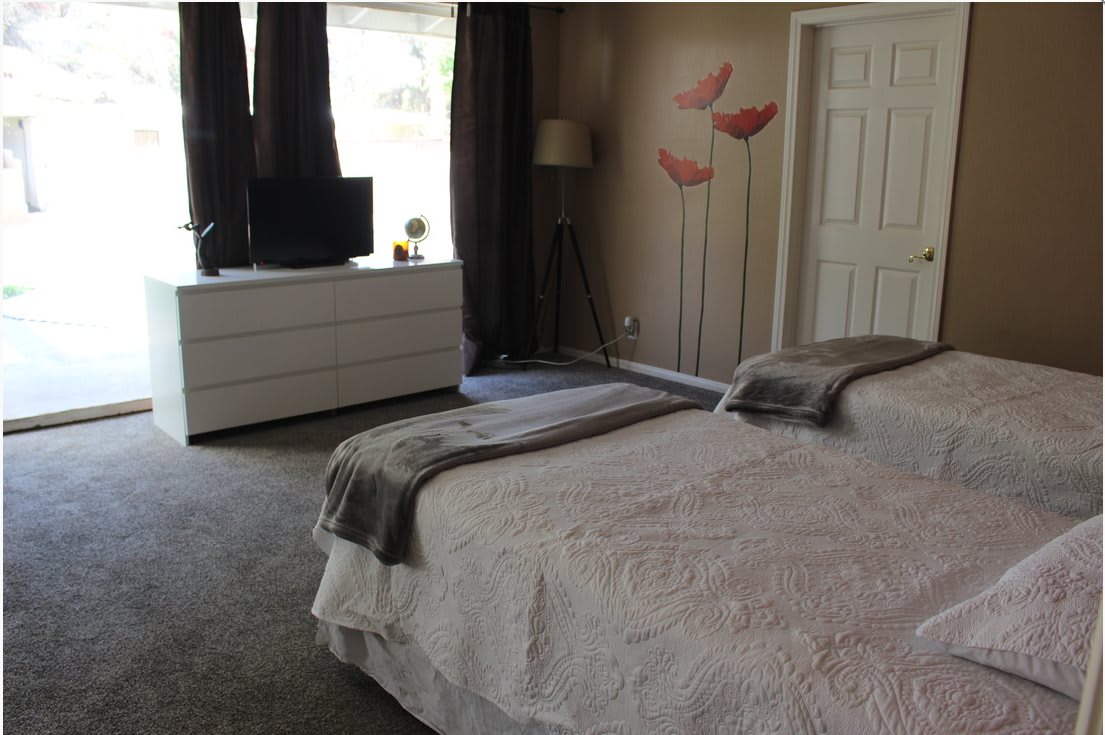
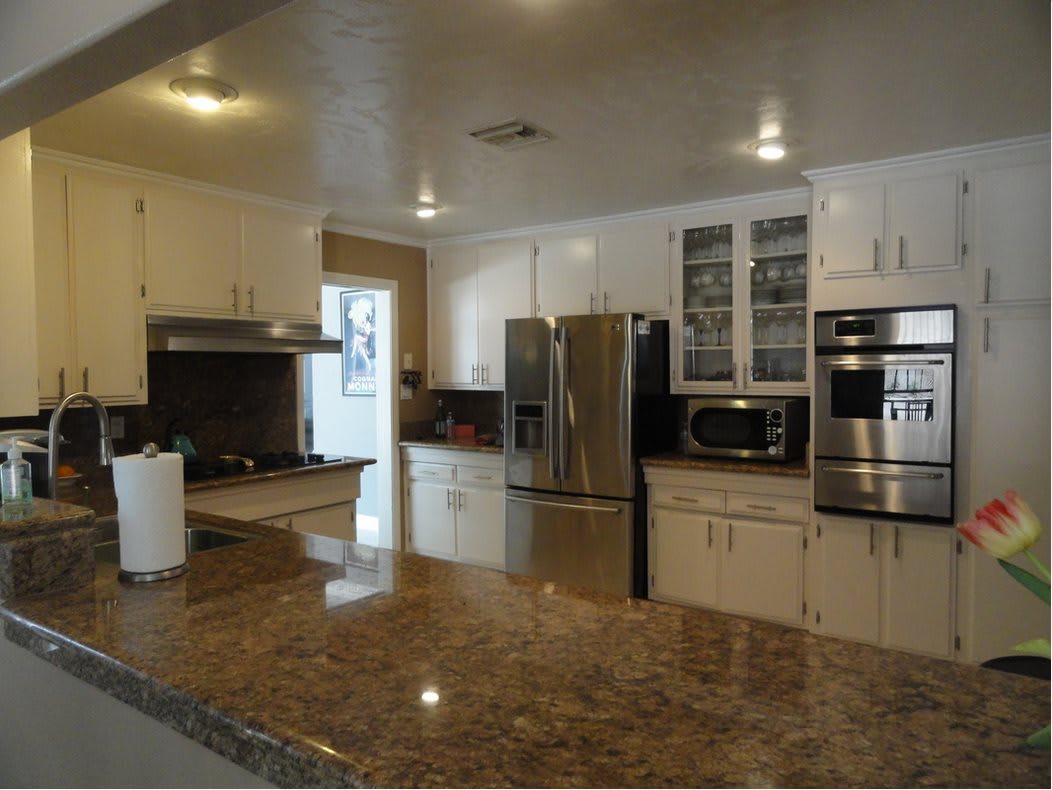
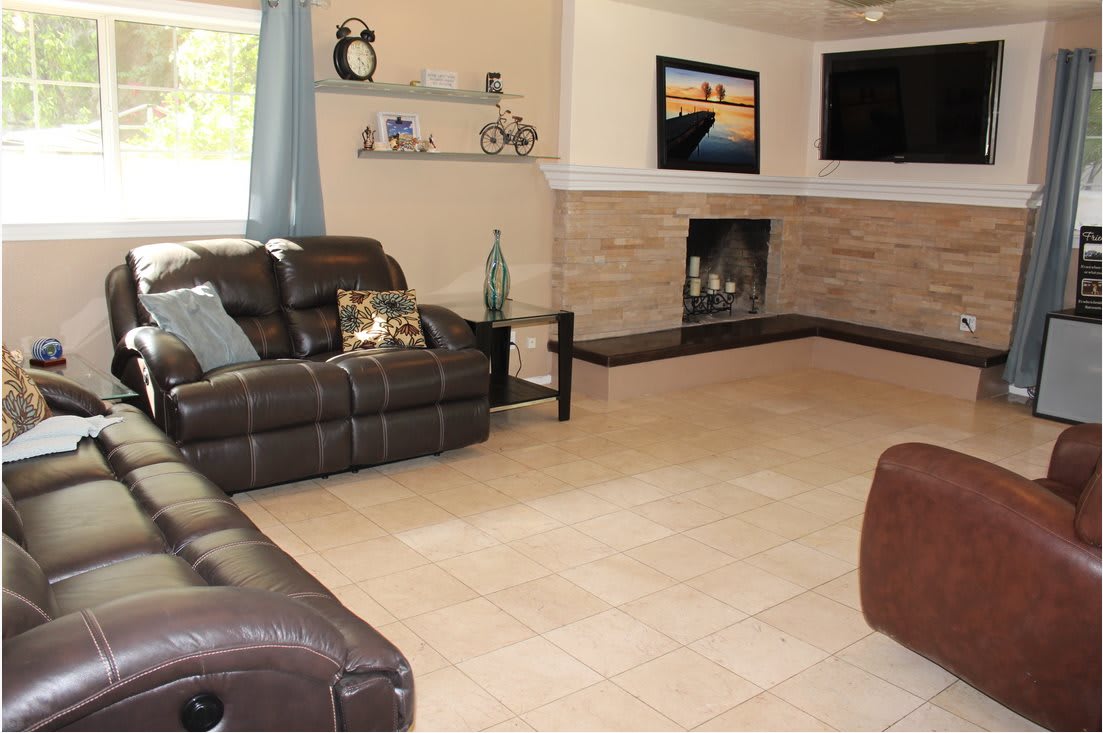
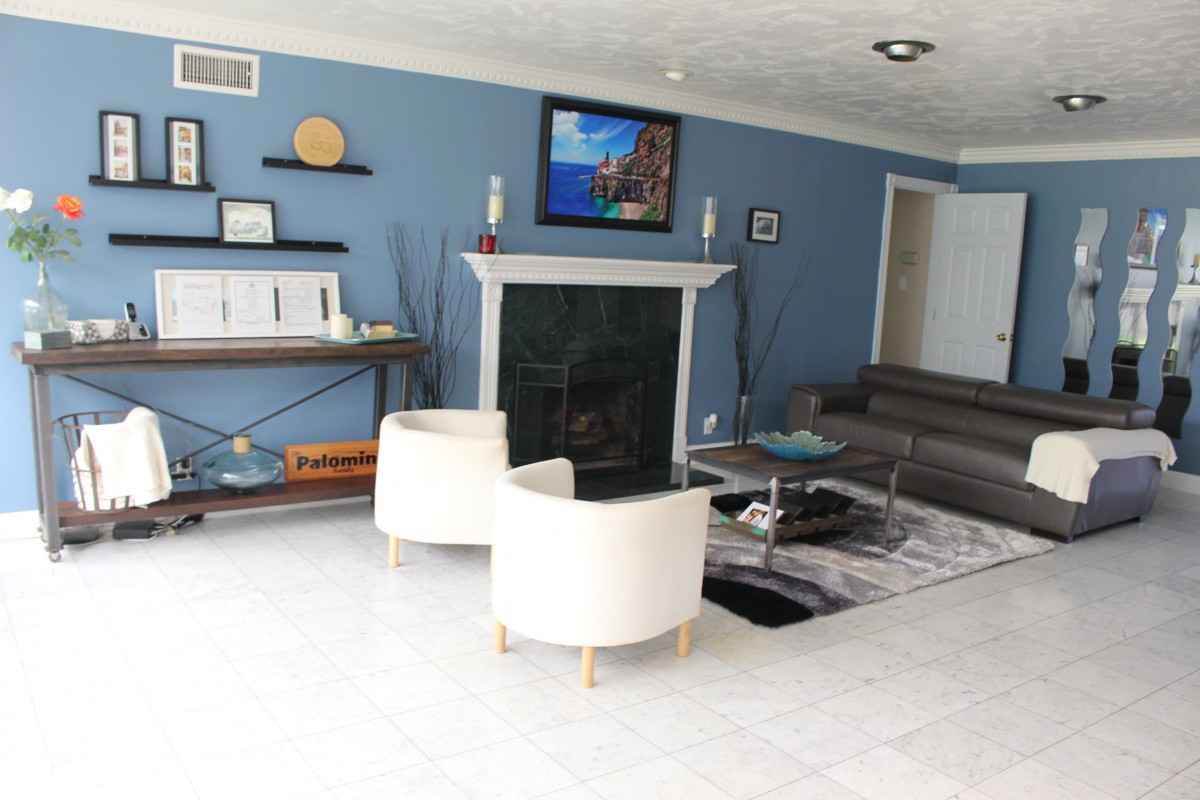
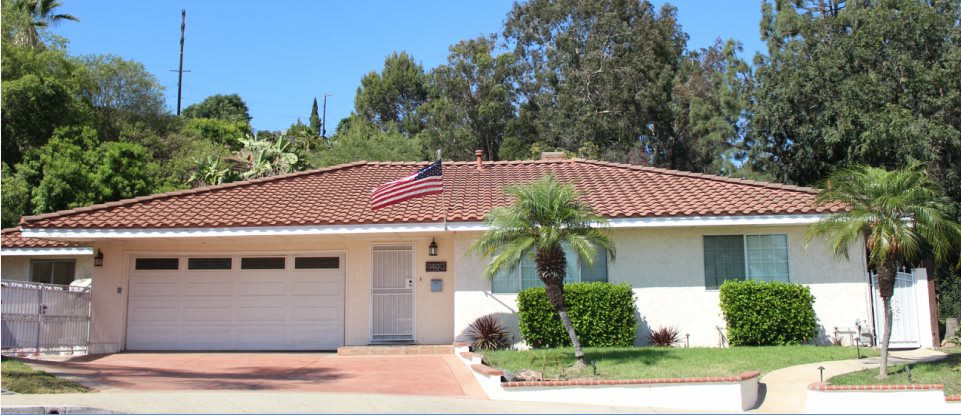
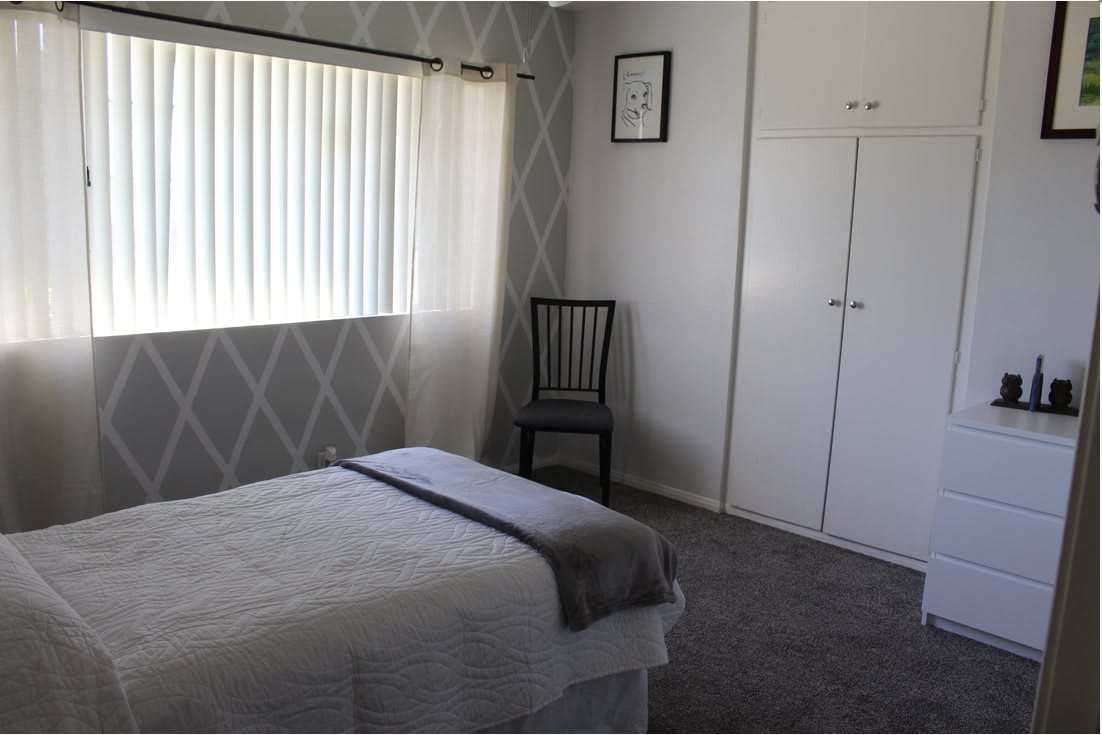
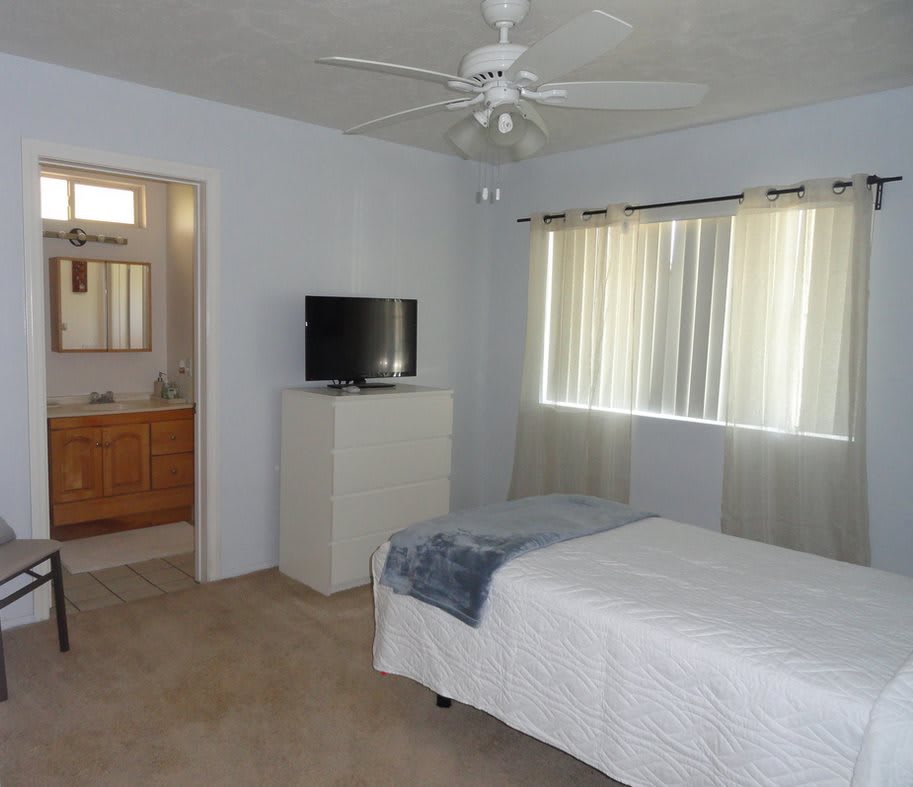
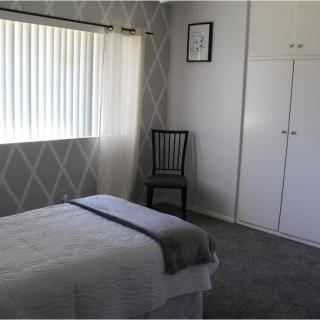
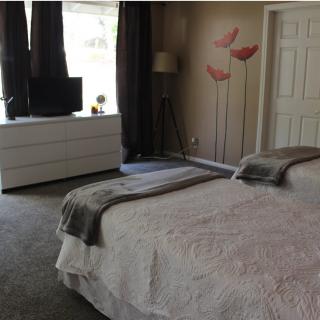
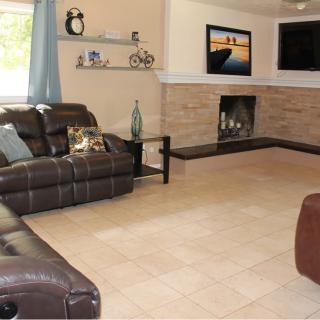
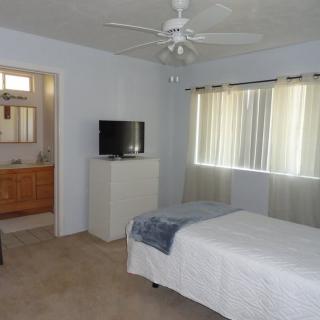
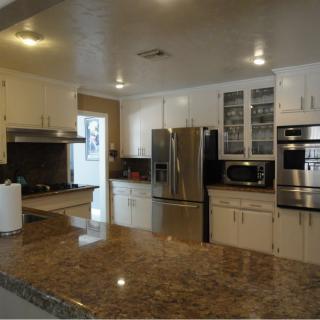
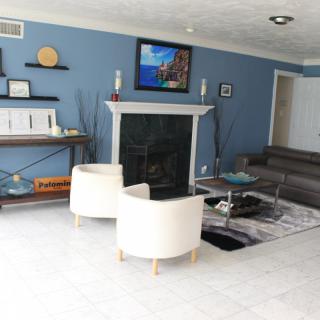
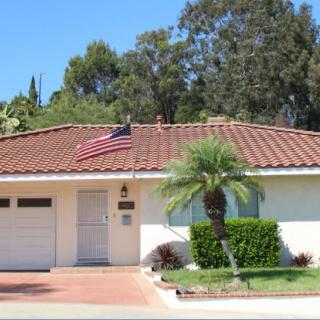
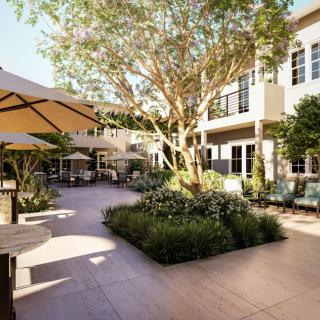
Palomino Residential Care on seniors.fyi includes 11 photos including images showing bedroom, television, interior, decor, garden, windows, living room, fireplace, and more.
Nearby Communities
Grandridge Residential Care
Monterey Park, CA
Small, intimate 6-bed setting with 24/7 supervision and full care services (ADLs, medication management), plus dining and outdoor spaces.
Lions Manor
Monterey Park, CA
4.5 from 2 reviews
$4,500 to $6,500 / month
Convenient access to amenities (cafes, parks, pharmacies, restaurants, places of worship, hospitals) within a supportive assisted living setting.
Caring Household Ministries
Alhambra, CA
3 from 3 reviews
Nurturing environment with convenient nearby amenities.
Monterey Park Convalescent Hospital
Monterey Park, CA
4.2 from 24 reviews
24/7 supervision with comprehensive care and restaurant-style dining.
Vip Villa
Alhambra, CA
Luxurious, fully furnished board-and-care with 24/7 supervision and comprehensive daily living support.
Heritage Manor - Monterey Park
Monterey Park, CA
4.3 from 28 reviews
Broad range of on-site amenities and comprehensive care services.
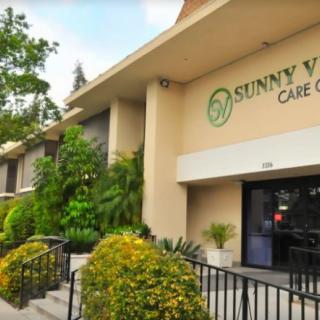
Sunny View Care Center - Alhambra
Alhambra, CA
3.3 from 23 reviews
24/7 supervision with personalized care plus extensive on-site amenities and activity options.
Royal Gardens Healthcare
Alhambra, CA
2.7 from 18 reviews
$3,000 to $3,700 / month
Competitive pricing vs LA County/CA averages; comprehensive care (24/7 supervision, ADL help, medication management) with restaurant-style dining and diabetes-friendly options.
Montebello Care Center
Montebello, CA
4 from 106 reviews
Caring staff with strong therapy services in a pleasant, engaging environment.
Assisted living in 2025 offers a crucial balance of independence and support for seniors, with costs varying from $2,500 to over $7,000 per month based on factors such as location and care level. Understanding pricing complexities, including regional differences and potential hidden fees, is essential for families to plan financially while ensuring quality care for their loved ones.
The guide outlines the complexities of Medicaid coverage for assisted living, highlighting significant state-to-state variations, limited coverage often restricted to personal care services, and the existence of specialized waivers for certain needs like memory care. It advises families to consult local Medicaid offices for options while emphasizing the importance of understanding state-specific regulations and facility policies.
Medicaid coverage for assisted living varies by state and is primarily available to low-income individuals, with eligibility dependent on strict income and asset limits. Some states offer HCBS waivers for specific services in assisted living, but families must generally cover room and board costs, and should verify facility acceptance of Medicaid while considering potential waiting lists.
Get PricingAsk A QuestionSchedule A TourContact Senior Advisor
By clicking submit, you agree to our Partner's Terms of Use. You
also consent to receive calls and texts, which may be autodialed, from our Partner. Your consent is not a condition to
using our Partner's service. Please visit our Partner's Privacy Policy for information about their privacy practices.





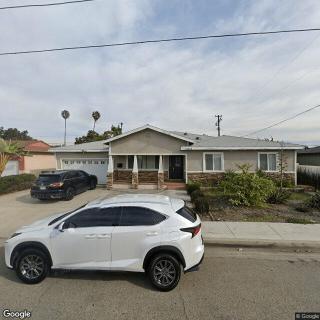


 6 resident community capacity
 Assisted Living
 Board and Care Home
 Activities off-site
 Air-conditioning
 Beautician on-site
 Cable or satellite TV
 Devotional services off-site
 Dining room
 Fully furnished
 Garden
 Housekeeping services
 Indoor common areas
 Move-in coordination
 Outdoor common areas
 Private
 Private bathrooms
 Telephone
 Wi-Fi/high-speed internet available
 Long Beach (Daugherty) (16 miles away)
 24-hour supervision
 Assistance with bathing
 Assistance with dressing
 Assistance with transfers
 Diabetes diet
 Diabetic care
 High acuity care
 Incontinence care
 Meal preparation and service
 Medication management
 Special dietary restrictions
 Transportation arrangement (medical)
 Transportation to doctors appointments
 Art classes
 Catholic services
 Cooking classes
 Day trips and outings
 Karaoke
 Live musical performances
 Stretching classes
 Trivia games
 Wii bowling
 Small, intimate 6-bed setting with 24/7 supervision and full care services (ADLs, medication management), plus dining and outdoor spaces.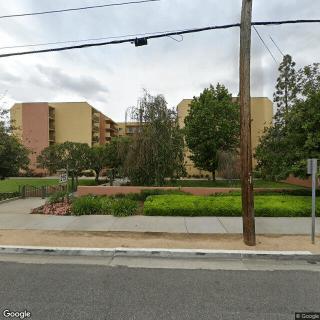

 Understanding the True Cost of Assisted Living in 2025: A Comprehensive Guide
 Understanding Medicaid Coverage for Assisted Living: A Comprehensive Guide
 How and When Medicaid May Cover Assisted Living Costs