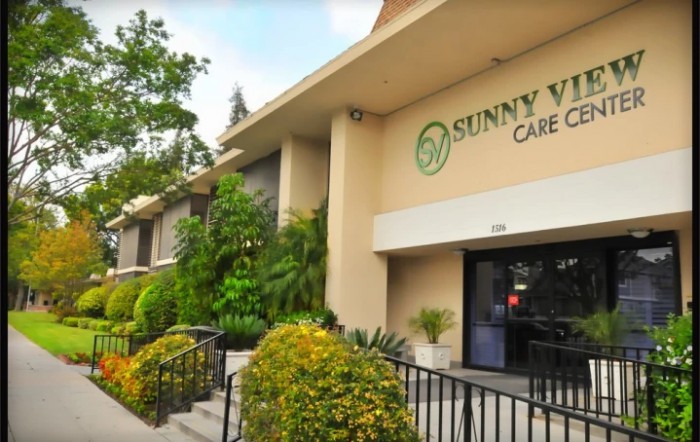
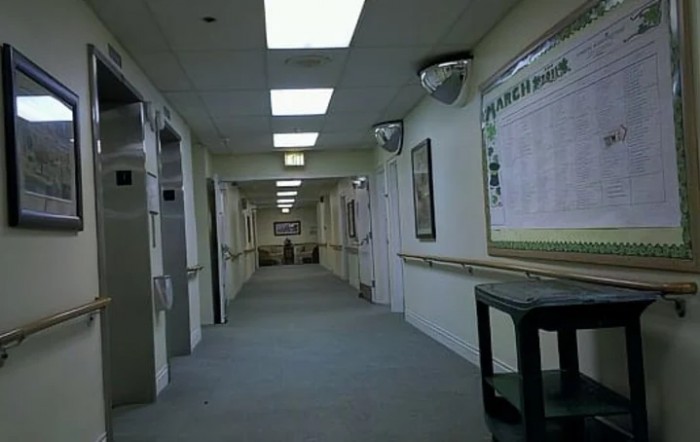
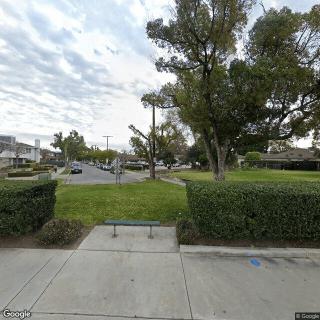
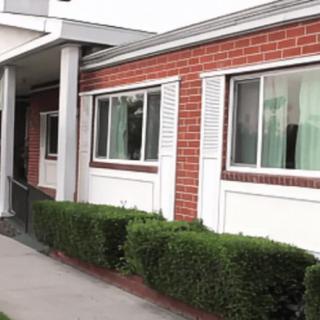
1428 South Marengo Avenue, Alhambra, CA 91803
For more information about senior living options: (866) 208-4318
Overall Review of Sunny View Care Center - Alhambra
Pros
 The staff are patient, caring, accommodating, and attentive to residents and their families.
- The facility is outstanding and run by outstanding people who provide service beyond the call of duty.
- Sunny Village Care Center has a wonderful and caring team.
- A patient recovering from surgery felt at home at the center.
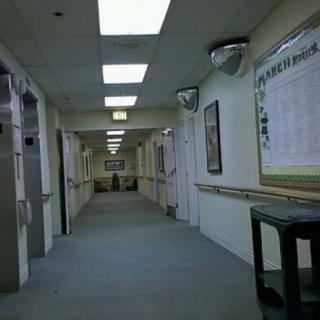
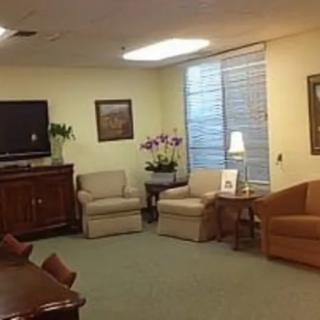
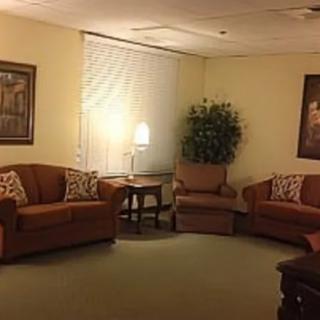
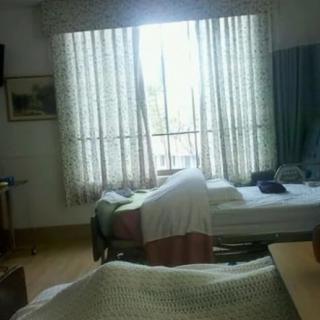
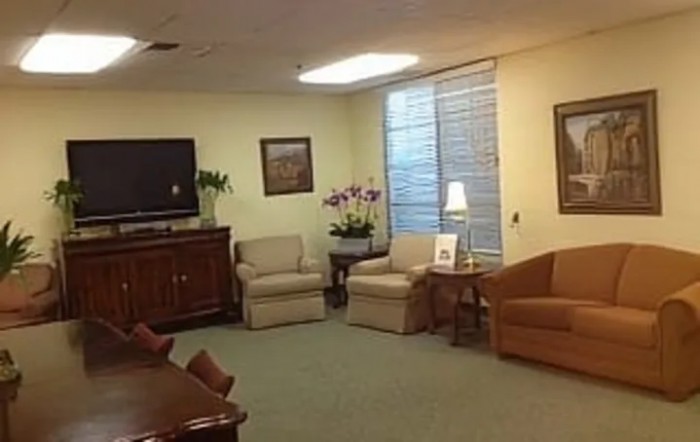
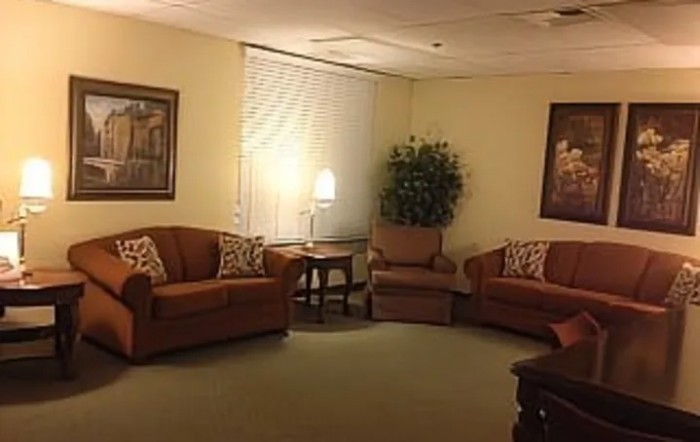
- The facility is clean and tidy, with a peaceful atmosphere that supports recovery.
- The staff work with their hearts and are very kind.
- The food is hot and good.
- The center enforces a quiet ambience to encourage recovery.
Cons
 The staff at the center walk around with a loud blower-like machine, waking residents on weekend mornings.
- The conduct is inhumane and shows no consideration for others, lacking any sense of morality or public decency.
- During the initial construction phase, the center caused months of noise that severely disturbed nearby residents.
- A receptionist at the door had a very bad attitude.
- The staff display a big attitude, and care decisions were mishandled, with a surgeon never checking on the patient after major surgery and 45 minutes wasted deciding if there was an emergency.
- The food was atrocious.
- The nurses are rude and disrespectful, and family members are not adequately cared for.
- The facility is horrible and pressures families to place loved ones on hospice to collect checks.
Review
Sunny View Care Center in Alhambra is best suited for seniors who prize a home-like, quiet recovery setting and caregivers who are genuinely attentive when the team is in sync. The facility can be a solid match for families ready to lean in, build relationships with staff, and monitor daily care to ensure consistency. When staffing alignment occurs, residents can experience a calm atmosphere, clean surroundings, and routines that support rest and gradual rehabilitation. This is not a one-size-fits-all option, but it offers a credible home-base for those who value peace, personal attention, and a setting that feels less clinical.
That said, this community is not for every family. Alternatives should be strongly considered if reliability and uniformity of care are non-negotiable. If the weekend noise from a blower-like machine that disturbs sleep is intolerable, or if staff attitudes and responsiveness vary by shift, other facilities may deliver steadier day-to-day experience. Likewise, families prioritizing consistently high meal quality across stays or proactive medical oversight should weigh other options, given mixed reports on food and on how emergencies are handled on difficult days.
Pros that do surface in multiple accounts include a clean, tidy facility and a quiet ambience supportive of rest and recovery. The setting often feels homey rather than sterile, which matters for comfort and mood during recovery. Several reviewers describe a caring, patient approach from nurses, CNAs, and therapists when interactions go well, and some families highlight sessions of meaningful activity, such as arts or simple in-room engagement that helps residents feel connected. For many, the overall atmosphere and the professionalism of several care partners offer a foundation for trust and progress.
The most persistent concerns center on variability in everyday experience. Some visitors report rude or dismissive front-desk interactions and inconsistent staff engagement. There are anecdotes of slow responses to acute concerns and questions about care decisions, which can undermine confidence during a vulnerable period. Noise, both from construction at the outset and weekend operational sounds, also factors into sleep quality and daytime comfort for sensitive residents. At times, families describe clashes between expectations and day-to-day realities, including food quality questions and perceived red flags about discharge or hospice-related decisions.
Those pros and cons are not merely theoretical; they shape outcomes when actively managed. The strengths, genuine caregiver warmth, a home-like vibe, and a calm environment, can compensate for rough edges if staff continuity is preserved and families stay engaged. A room with a supportive CNA, attentive therapy, and clear communication can make recovery smoother and more personal. Conversely, when front-line interactions flounder or shifts shift away from high-touch care, the same positives fade quickly. Advocating for consistent nurse assignments, requesting regular care updates, and inspecting the daily routine during a trial stay are practical steps to tilt the balance toward success.
In decision terms, the move to Sunny View should hinge on a clear readiness to participate in ongoing oversight and communication. Prospective residents or families should plan a thorough in-person assessment on a typical day, speaking with front-line staff across shifts, and observing how requests are managed in real time. Ask concrete questions about meal variety and quality, activity programming, sleep routines, therapy availability, and how emergencies are escalated. If comfort with the level of caregiver attentiveness exists and the environment aligns with recovery goals, this facility can deliver meaningful value. If not, it is wise to explore options with more uniform reputations for consistent warmth, sharper responsiveness, and steadier daily experience.
 99 resident community capacity
 Skilled Nursing Facility
 Air-conditioning
 Beauty salon
 Cable or satellite TV
 Computer center
 Dining room
 Fitness room
 Fully furnished
 Gaming room
 Garden
 Housekeeping services
 Kitchenette
 Move-in coordination
 Outdoor space
 Private bathrooms
 Restaurant-style dining
 Small library
 Telephone
 Wellness center
 Wi-Fi/high-speed internet available
 Burbank-Glendale-Pasadena (15 miles away)
 Community operated transportation
 12-16 hour nursing
 24-hour call system
 Activities of daily living assistance
 Assistance with bathing
 Assistance with dressing
 Assistance with transfers
 Diabetes diet
 Medication management
 Mental wellness program
 Special dietary restrictions
 Concierge services
 Planned day trips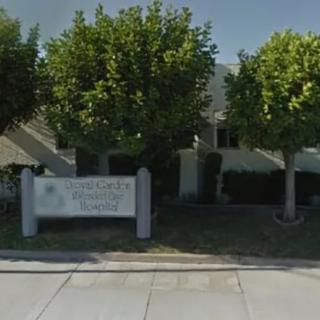




 Navigating the Tax Landscape of Caregiving: Credits, Deductions, and Beyond
 Highly Beneficial Low-Impact Exercises for Senior Living Residents
 Is In-Home Healthcare Tax Deductible? Your Comprehensive Guide