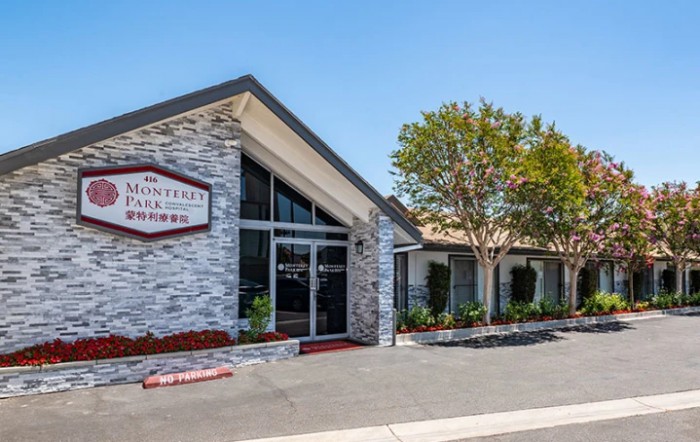
416 North Garfield Avenue, Monterey Park, CA 91754
For more information about senior living options: (866) 208-4318
4.2 from 24 reviews
5 stars
19
4 stars
0
3 stars
0
2 stars
1
1 stars
4
Overall Review of Monterey Park Convalescent Hospital
common19 reviews mention this
Staff are kind and areas stay clean
Residents and families repeatedly describe kind staff and a clean environment.
Many reviews emphasize that staff are friendly, attentive, and responsive, and that residents are treated with professionalism and compassion. Several also call out cleanliness and well-maintained common areas, along with a welcoming feel when arriving. A smaller number of reviews raise concerns about rudeness or lack of compassion during difficult moments, but overall staff behavior is one of the most consistent themes.
common6 reviews mention this
Rehab and therapy support recovery
Rehabilitation care stands out for helping residents regain strength.
Multiple reviews describe positive experiences with therapy, including physical and occupational therapy, and say guidance helped them recover faster or rebuild confidence. Families mention staff coming to rooms frequently, helping coordinate care needs, and supporting day-to-day progress during rehab. The consistent message is that therapy teams take an active role in recovery rather than only providing routine assistance.
caveat2 reviews mention this
Dementia care is a concern
Residents with dementia-related behaviors can face inconsistent support.
One reviewer who says their loved one had dementia describes problems with staff training and managing dementia-related behaviors, including sundown-syndrome concerns and after-hours calls. Another reviewer, however, says staff understood the dementia condition and continued to handle difficult moments with patience. Taken together, reviews suggest dementia care support may vary depending on the situation and staffing readiness.
caveat2 reviews mention this
Communication during transitions needs work
A few reviews describe major issues with transition communication.
Some families report trouble with follow-through after discharge, including documentation not being started as promised and delays that affected support services. Others describe being unaware of a transfer until after it happened, even when they were listed as a decision-maker. These concerns point to gaps in how information is shared and handled during moves and post-discharge steps.
How we summarize
Counts show how many written reviews mention each theme; a review can touch several themes, and only frequently mentioned themes are displayed.
Features
Housing
89 resident community capacity
Types of Care
Skilled Nursing Facility
Amenities
Air-conditioning
Beauty salon
Cable or satellite TV
Computer center
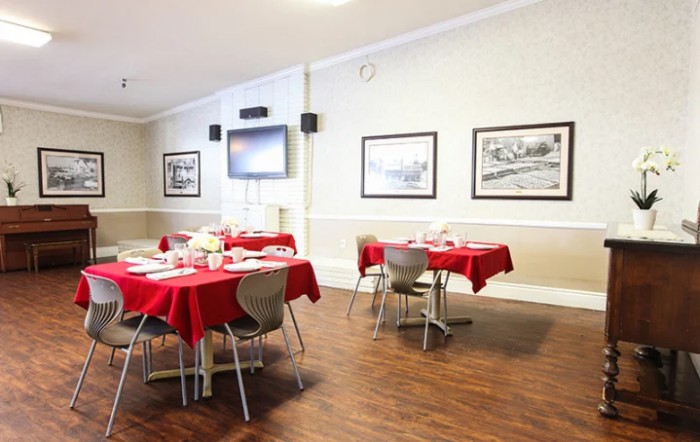
Dining room
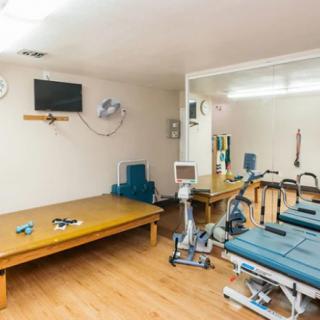
Fitness room
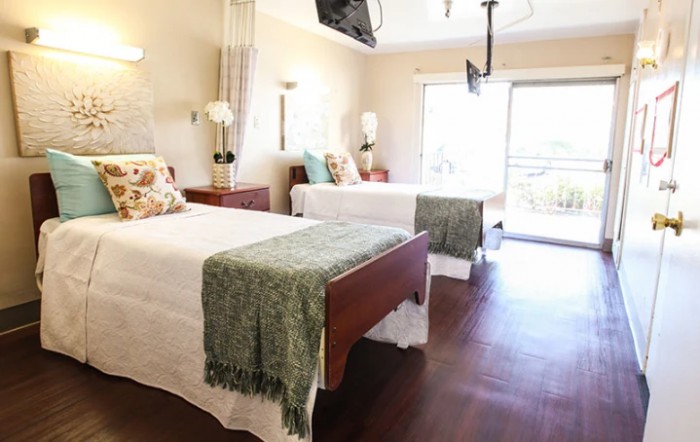
Fully furnished
Gaming room
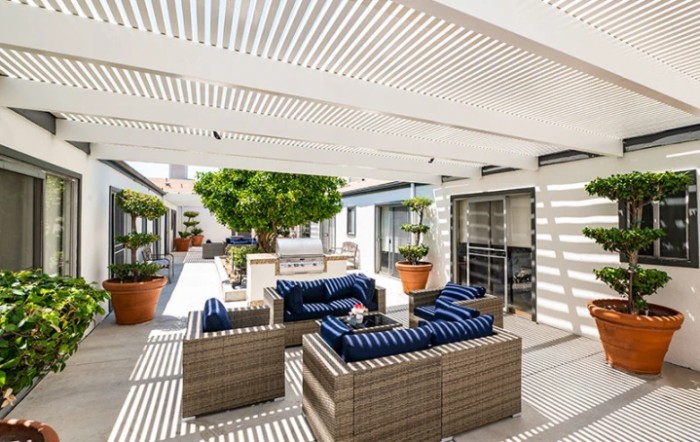
Garden
Housekeeping services
Kitchenette
Move-in coordination
Outdoor space
Private bathrooms
Restaurant-style dining
Small library
Telephone
Wellness center
Wi-Fi/high-speed internet available
Transportation
Burbank-Glendale-Pasadena (16 miles away)
Long Beach (Daugherty) (17 miles away)
Los Angeles International (18 miles away)
Community operated transportation
Transportation arrangement
Transportation arrangement (non-medical)
Transportation to doctors appointments
Care Services
12-16 hour nursing
24-hour call system
24-hour supervision
Activities of daily living assistance
Assistance with bathing
Assistance with dressing
Assistance with transfers
Diabetes diet
Meal preparation and service
Medication management
Mental wellness program
Special dietary restrictions
Dining
Diabetes diet
Special dietary restrictions
Activities
Community-sponsored activities
Concierge services
Fitness programs
Planned day trips
Resident-run activities
Scheduled daily activities
Nearby Places of Interest
Parks
Barnes Memorial Park (0.7 miles)
Granada Park (1.3 miles)
Almansor Park (1.4 miles)
George E. Elder Memorial Park (1.8 miles)
Alhambra Park (2.5 miles)
Rosemead Park (3.4 miles)
Garfield Park (3.6 miles)
Restaurants
McDonald's (1.2 miles)
Subway (1.5 miles)
McDonald's (2.1 miles)
McDonald's (2.4 miles)
McDonald's (2.5 miles)
In-N-Out Burger (2.8 miles)
Popeyes Louisiana Kitchen (4.7 miles)
Pharmacies
CVS Pharmacy (1.2 miles)
CVS Pharmacy (1.8 miles)
CVS Pharmacy (1.9 miles)
CVS Pharmacy (2.2 miles)
CVS Pharmacy (2.3 miles)
Rite Aid (2.3 miles)
Walgreens (2.6 miles)
Cafes
Panera Bread (2.1 miles)
Bopomofo Cafe (2.5 miles)
Charlie's Coffee House (4.1 miles)
Starbucks (4.7 miles)
Starbucks (5.9 miles)
Flo's Coffee Shop (6.3 miles)
Panera Bread (6.3 miles)
Hospitals
Prado Center (2.4 miles)
Beverly Hospital (3.8 miles)
Usc-Norris Cancer Hospital (4.7 miles)
LAC+USC Inpatient Tower (4.9 miles)
Huntington Memorial Hospital Nicu (5 miles)
Del Rio Convalescent Center (6.6 miles)
Methodist Hospital of Southern California (6.6 miles)
Places of Worship
San Marino Community Church Nursery School (3.4 miles)
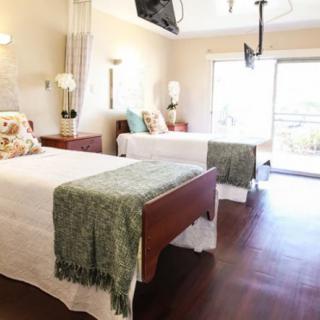
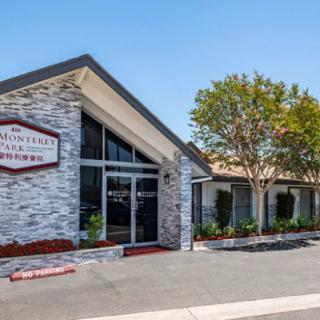
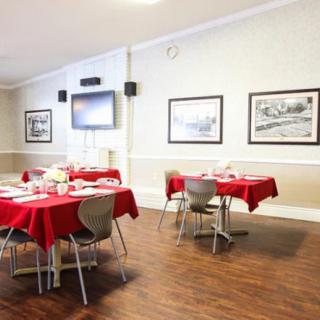
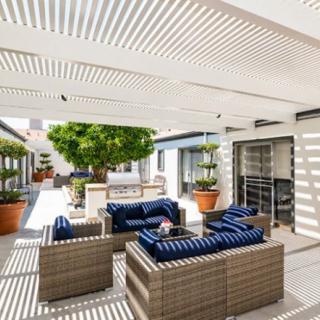
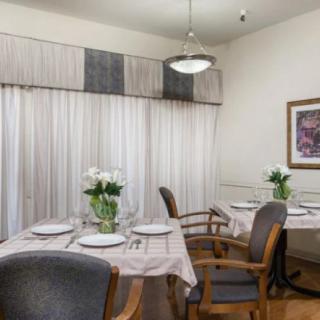
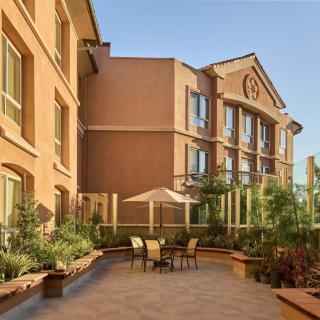
Monterey Park Convalescent Hospital on seniors.fyi includes 5 photos including images showing bedroom, interior, landscaping, outdoor, patio, seating, pergola, garden, and more.
Nearby Communities
Heritage Manor - Monterey Park
Monterey Park, CA
4.3 from 28 reviews
Broad range of on-site amenities and comprehensive care services.
Katie's Boarding Care
Alhambra, CA
3.7 from 36 reviews
Small, home-like setting with personalized 24-hour care.
Lions Manor
Monterey Park, CA
4.5 from 2 reviews
$4,500 to $6,500 / month
Convenient access to amenities (cafes, parks, pharmacies, restaurants, places of worship, hospitals) within a supportive assisted living setting.
New Fern Guest Home
Rosemead, CA
4.2 from 5 reviews
Personalized care in a warm, nurturing environment with convenient access to nearby amenities.
Sunny View Care Center - Alhambra
Alhambra, CA
3.3 from 23 reviews
24/7 supervision with personalized care plus extensive on-site amenities and activity options.
International Ocean Development Co.
Rosemead, CA
Proximity to cafes, parks, pharmacies, hospitals, restaurants, and places of worship.
Royal Gardens Healthcare
Alhambra, CA
2.7 from 18 reviews
$3,000 to $3,700 / month
Competitive pricing vs LA County/CA averages; comprehensive care (24/7 supervision, ADL help, medication management) with restaurant-style dining and diabetes-friendly options.
Montebello Care Center
Montebello, CA
4 from 106 reviews
Caring staff with strong therapy services in a pleasant, engaging environment.
MorningStar Senior Living of Pasadena
Pasadena, CA
4.7 from 86 reviews
$5,000 to $11,645 / month
Luxurious, well-maintained community with attentive staff and engaging activities.
Medicare provides limited coverage for skilled nursing home care, covering full benefits for the first 20 days and partial benefits up to 100 days under certain conditions, after which families must explore alternative funding options like Medicaid or long-term care insurance to manage potentially high costs. Proactive planning is essential to navigate the complexities of financing ongoing care once Medicare coverage ends.
Geriatric care managers create personalized care plans for older adults, addressing their medical, social, financial, and psychological needs while coordinating services and advocating for their well-being. They help families navigate caregiving challenges but may be hindered by high costs and a shortage of qualified professionals.
The article highlights the importance of empathy and open communication when comforting someone who is grieving, noting that grief is unique to each individual and emphasizing the need for sincere expressions of condolence, active listening, and ongoing support. It also addresses cultural differences in mourning practices and encourages tailored approaches to provide effective comfort.
Landscaping, Building, Architecture, Exterior, and Tree
Garden, Outdoor, Patio, Seating, and Pergola
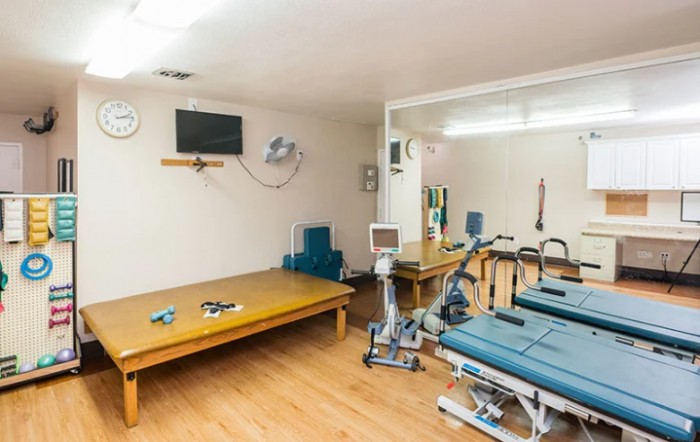
Exercise Equipment, Rehabilitation, Fitness, and Exercise Room
Get PricingAsk A QuestionSchedule A TourContact Senior Advisor
By clicking submit, you agree to our Partner's Terms of Use. You
also consent to receive calls and texts, which may be autodialed, from our Partner. Your consent is not a condition to
using our Partner's service. Please visit our Partner's Privacy Policy for information about their privacy practices.

 89 resident community capacity
 Skilled Nursing Facility
 Air-conditioning
 Beauty salon
 Cable or satellite TV
 Computer center
 Dining room
 Fitness room
 Fully furnished
 Gaming room
 Garden
 Housekeeping services
 Kitchenette
 Move-in coordination
 Outdoor space
 Private bathrooms
 Restaurant-style dining
 Small library
 Telephone
 Wellness center
 Wi-Fi/high-speed internet available
 Burbank-Glendale-Pasadena (16 miles away)
 Community operated transportation
 12-16 hour nursing
 24-hour call system
 Activities of daily living assistance
 Assistance with bathing
 Assistance with dressing
 Assistance with transfers
 Diabetes diet
 Medication management
 Mental wellness program
 Special dietary restrictions
 Concierge services
 Planned day trips
 Broad range of on-site amenities and comprehensive care services.

 Managing Nursing Home Expenses After Medicare Coverage Ends
 Is a Geriatric Care Manager the Right Choice for Your Family?
 Compassionate Conversations: How to Comfort Someone Who Is Grieving