
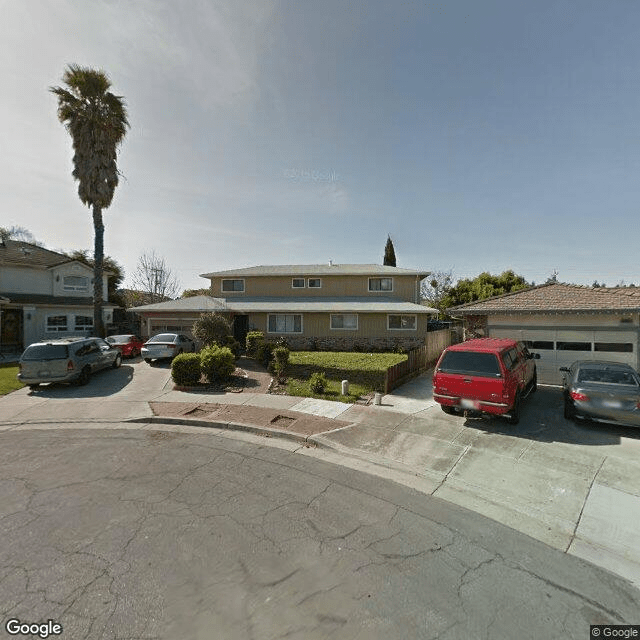
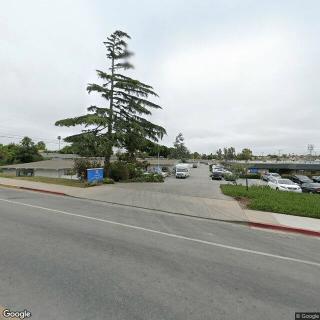
1140 Wood Court, Hollister, CA 95023
To contact a resident: (408) 771-4797
For more information about senior living options: (866) 208-4318
Home Sweet Home Retirement Care Costs & Pricing
Home Sweet Home Retirement Care offers an affordable alternative for senior living, particularly when compared to the costs associated with both Santa Clara County and the broader California region. For a semi-private room, residents pay $2,200 per month, which is significantly lower than the county average of $3,943 and the state average of $3,333. Similarly, for those opting for a private room, the monthly cost stands at $2,500 - again, notably more economical than the county's average of $4,096 and California's statewide average of $3,939. These competitive rates make Home Sweet Home Retirement Care an attractive choice for families seeking quality care without compromising on affordability.
| Floor plans | Home Sweet Home Retirement Care | Santa Clara County | California |
|---|---|---|---|
| Semi-Private | $2,200 | $3,943 | $3,333 |
| Private | $2,500 | $4,096 | $3,939 |
Senior living communities with a similar price nearby
-
from +$300 / mo
Delia's Place
$2,500 to $3,500 / month18.8 miles away -
from -$250 / mo
South Valley Resource Ctr
$1,950 / month15.7 miles away -
from +$300 / mo
Mary's House 2
$2,500 to $3,500 / month13.7 miles away -
from -$200 / mo
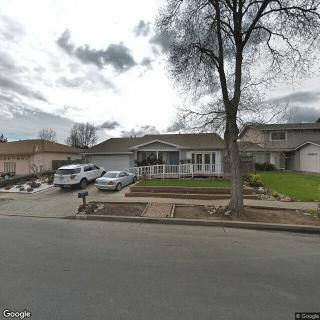
Miriam House Residential Care Homes, LLC
$2,000 to $3,500 / month13.7 miles away -
from -$200 / mo
Vila Monte
$2,000 to $2,500 / month23.9 miles away
Overall Review of Home Sweet Home Retirement Care
Pros
 Home Sweet Home welcomed a resident with just three days' notice and provided loving, attentive care for his final month.
- The staff treat residents like family, delivering compassionate, equal care to all.
- Yelka and her daughters are highlighted as fabulous members of a caring team.
- The atmosphere is loving and positive, giving relief to families.
- The staff consistently deliver the highest level of care with a big heart.
- The care is described as simply the best, with fair pricing.
- Families express lasting gratitude and would refer others to Home Sweet Home.
- The owners and team are noted for knowledge, compassion, and integrity in caring for residents and their families.
Review
Home Sweet Home Retirement Care in Hollister is best suited for families that want an intimate, hands-on care environment where a loved one can receive skilled nursing in a true home atmosphere. The community shines when rapid placement is important and when care feels personal, not institutional. Accounts from families emphasize a loving, attentive approach in a setting led by Yelka and her daughters, with a small, cohesive staff that treats every resident with warmth and dignity. Residents with dementia or serious illness have shown to benefit from the calm, positive environment described as consistently caring across caregivers. Pricing is frequently noted as fair, which helps families maintain a humane balance between comfort and cost during challenging times. This is not a sprawling campus; it is a tightly run operation that earns trust through relationships as much as outcomes.
Those who need extensive, hospital-grade programming or long-term, highly specialized medical regimens may want to consider alternatives. The small-scale nature of Home Sweet Home Retirement Care means fewer layers of administration and a more intimate staffing model, which can place limits on after-hours coverage, advanced equipment, or a broader menu of therapy services. Families seeking a facility with a large staff-to-resident ratio, comprehensive on-site therapies, or a turnkey long-term care plan may find that larger communities better fit those expectations. For residents whose needs extend beyond end-of-life or short-term skilled nursing, the narrow bandwidth of a smaller operation could become a constraint. In short, this is ideal for warmth and personal connection; it is less suited to those requiring the breadth of services found in bigger centers.
The core positives, compassion, knowledge, and a strong sense of lineage, offset the potential drawbacks in concrete, tangible ways. The owners and staff are repeatedly described as generous with time, capable of adapting to individual routines, and resolute about treating every resident with equal care. The intimate setting fosters frequent, meaningful interactions between caregivers and families, which translates into fewer ambiguities about care goals and daily routines. Quick admission is a standout practical advantage, especially during moments of crisis or transition, and the price point is perceived as fair given the level of attentiveness and the home-like environment. When challenges arise, the same close-knit team tends to respond with urgency and a commitment to preserving comfort and dignity, which can be a decisive offset to the constraints of a smaller facility.
This community is most compelling for families prioritizing emotional well-being and a sense of belonging as much as clinical outcomes. It clearly serves residents who benefit from a home-like, family-led approach and who value accessible, hands-on oversight from owners who are visibly invested in each resident’s life. End-of-life care, short-term rehabilitation, or dementia-focused support emerge as the strongest use cases, where the atmosphere and leadership can dramatically enhance quality of life in a difficult period. Prospective residents should expect personal attention, consistent caregivers, and a philosophy that centers on dignity and warmth as much as medical metrics. For families seeking a nurturing nook rather than a fortress of clinical machinery, this option stands out.
To evaluate whether this setting fits, prospective families should prioritize a few practical steps. Visit and observe how staff interact not only with the resident but with family members who are present, noting whether communication is steady and respectful. Inquire about caregiver ratios, after-hours availability, and how changes in medical status are managed on weekends or holidays. Ask for concrete examples of how care plans are developed and updated, and request references from current families to gauge consistency over time. Clarify what is included in the advertised pricing and whether any services carry additional charges. The strengths highlighted by residents’ families, compassion, reliability, and a genuine sense of community, will prove decisive when a choice hinges on personal fit rather than just services on a page.
In the end, Home Sweet Home Retirement Care offers a profoundly human alternative for families seeking a compassionate, rapidly accessible care option in Hollister. It is especially compelling for those facing end-of-life decisions or short-term recovery trajectories where the environment itself becomes part of the healing plan. If warmth, attentiveness, and a caregiver-led culture resonate, this community deserves strong consideration. For families with broader medical needs, extensive therapy schedules, or a preference for a bigger, more feature-rich campus, exploring other options will help ensure the alignment between expectations and reality. A thoughtful visit, with conversations with Yelka, her daughters, and the caregiving team, will reveal whether this home-like setting is the right match.
 Board and Care Home
 Cats allowed
 Dogs allowed
 Activities off-site
 Bath tubs
 Beautician on-site
 Devotional services off-site
 Indoor common areas
 Outdoor common areas
 Private
 Private bathrooms
 Respite or short term stays offered
 Ambulatory care
 High acuity care
 Incontinence care
 Kosher
 Adventist services
 Buddhist services
 Islamic services



 Comprehensive Approaches for Arthritis: A Detailed Guide to Symptoms, Causes, and Care
 Comprehensive Insights and Practical Strategies to Help Older Adults Avoid Falls
 6 Crucial Ways an Elder Law Attorney Assists Families