For more information about senior living options: (866) 208-4318
3.5 from 118 reviews
5 stars
67
4 stars
6
3 stars
3
2 stars
4
1 stars
38
Overall Review of Hazel Hawkins Memorial Hospital
common19 reviews mention this
Staff care and bedside attention
Residents frequently describe staff as kind, attentive, and reassuring.
Many residents say the nurses and doctors were compassionate and helped them feel comfortable during stressful ER visits. Several reviews highlight clear communication during treatment, with staff explaining what was happening and responding to needs. A few reviews also praise follow-through and responsiveness from multiple departments, not just one role.
caveat9 reviews mention this
Long waits during ER visits
Residents report long waits, including time spent without updates.
A recurring concern in reviews is the amount of time patients spend waiting for evaluation, results, and discharge. Multiple residents describe over-crowding or waiting-room delays, including cases where paperwork or discharge details were not immediately provided. A few reviews connect the delays to the overall difficulty of getting timely care when symptoms are urgent.
How we summarize
Counts show how many written reviews mention each theme; a review can touch several themes, and only frequently mentioned themes are displayed.
Features
Housing
119 resident community capacity
Types of Care
Skilled Nursing Facility
Amenities
Air-conditioning
Beauty salon
Cable or satellite TV
Computer center
Dining room
Fitness room
Fully furnished
Gaming room
Garden
Housekeeping services
Kitchenette
Move-in coordination
Outdoor space
Private bathrooms
Restaurant-style dining
Small library
Telephone
Wellness center
Wi-Fi/high-speed internet available
Transportation
Community operated transportation
Transportation arrangement
Transportation arrangement (non-medical)
Transportation to doctors appointments
Care Services
12-16 hour nursing
24-hour call system
24-hour supervision
Activities of daily living assistance
Assistance with bathing
Assistance with dressing
Assistance with transfers
Diabetes diet
Meal preparation and service
Medication management
Mental wellness program
Special dietary restrictions
Dining
Diabetes diet
Special dietary restrictions
Activities
Community-sponsored activities
Concierge services
Fitness programs
Planned day trips
Resident-run activities
Scheduled daily activities
Nearby Places of Interest
Hospitals
Hazel Hawkins Memorial Hospital (0 miles)
Hazel Hawkins Medical Center (0.1 miles)
Hazel Hawkins Communit (0.1 miles)
Hazel Hawkins Memorial Hospital D/P SNF (0.1 miles)
Santa Clara Valley (15.4 miles)
Physicians
Hollister Women's Health (0.1 miles)
Hazel Hawkins Medical Center - Jared D Gerstein MD (0.1 miles)
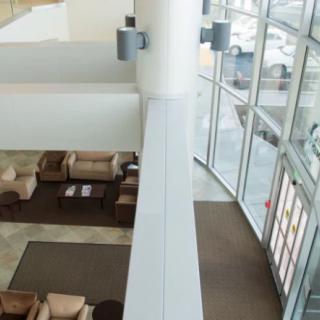
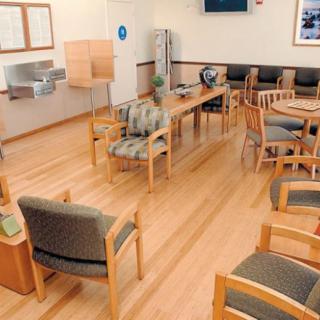
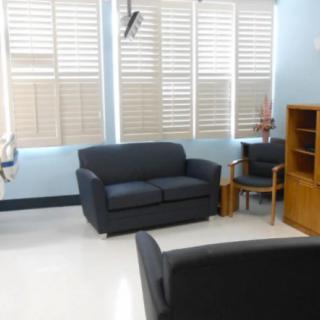
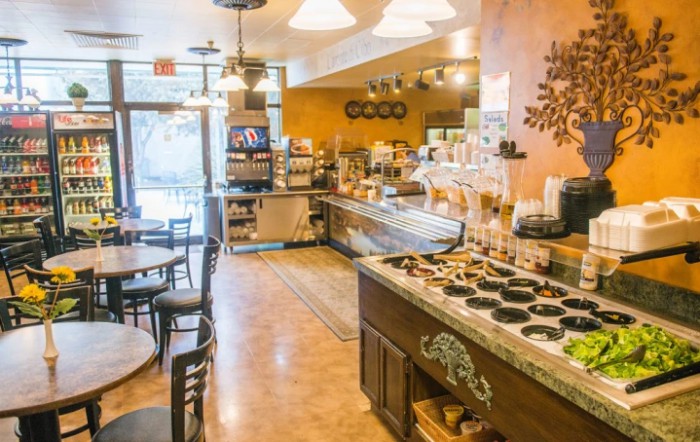
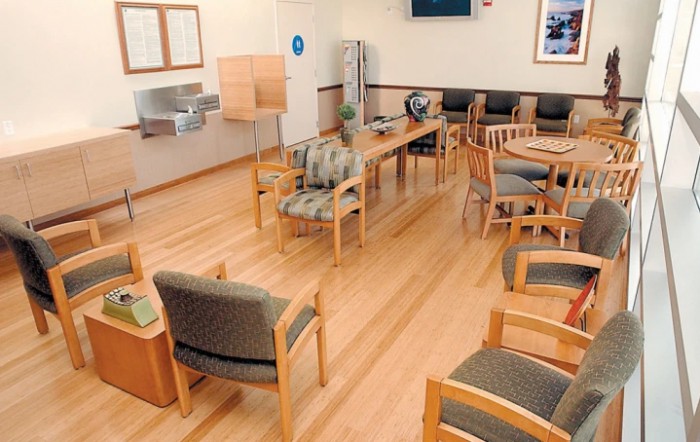
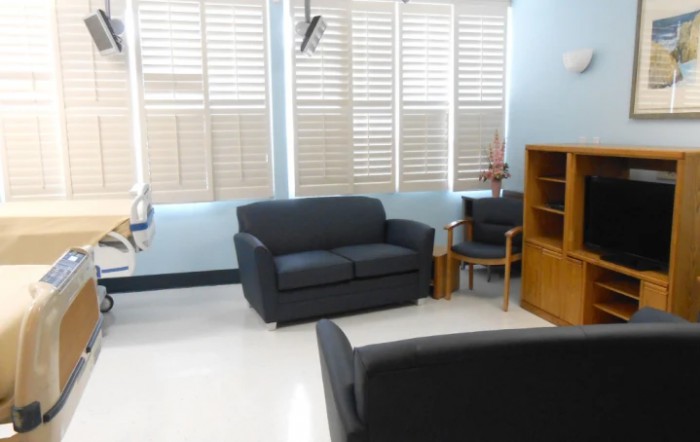
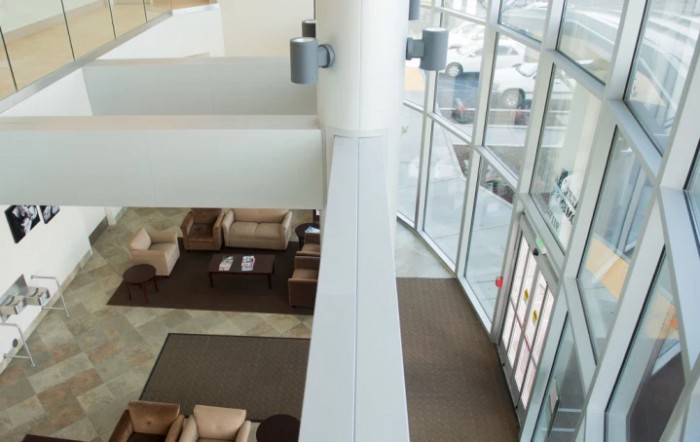
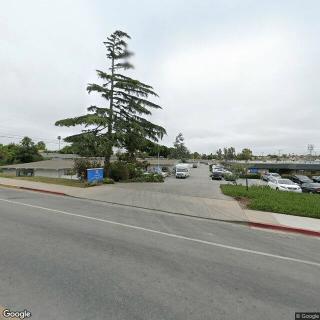
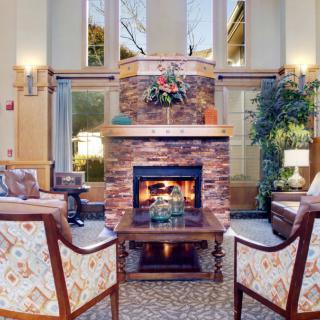
Hazel Hawkins Memorial Hospital on seniors.fyi includes 5 photos including images showing interior, seating area, building, modern architecture, entrance, dining, window blinds, lobby, and more.
Nearby Communities
Tri-Angels Assisted Living For Elderly
Hollister, CA
5 from 1 review
$3,000 to $5,500 / month
Small, personalized setting with attentive, warm care.
Home Sweet Home Retirement Care
Hollister, CA
4.7 from 9 reviews
$2,200 to $2,500 / month
Budget-friendly rates with private/semi-private rooms, on-site meals, and pet-friendly policy.
Heart Of Hollister Care Home
Hollister, CA
Intimate, home-like 6-resident setting with 24-hour supervision, ADL assistance, housekeeping, meals, and healthcare coordination.
Clearview Carehomes
Hollister, CA
5 from 7 reviews
$3,500 to $4,000 / month
Intimate 6-bed setting offers personalized care with competitive pricing.
Bonita Springs Senior Care
Hollister, CA
5 from 11 reviews
Small, fully furnished assisted living with 24/7 supervision, meals and comprehensive care including medication management and move-in coordination.
Whispering Pines Inn, LLC
Hollister, CA
4.1 from 15 reviews
$2,789 to $3,775 / month
Caring, hands-on staff in a serene eight-acre setting with home-cooked meals and engaging activities.
Windsor The Ridge Rehabilitation Center
Salinas, CA
3.7 from 49 reviews
24/7 medical supervision with clean, well-maintained facilities and attentive staff.
Ivy Park at Salinas
Salinas, CA
4.5 from 69 reviews
$3,795 to $5,195 / month
Friendly staff, clean, well-maintained facility with quality meals.
Madonna Gardens
Salinas, CA
4.8 from 13 reviews
Caring, dedicated staff and an attentive director create a quiet, home-like environment.
Palliative home care focuses on improving the quality of life for individuals with serious illnesses by providing comfort, symptom management, and emotional support in their own homes. This approach includes personalized care plans, regular assessments, and resources for family caregivers, all while prioritizing person-centered treatment that aligns with patients' goals.
Skilled nursing facilities (SNFs) provide high-level medical care and rehabilitation for short-term recovery, typically covered by Medicare after hospitalization, while nursing homes focus on ongoing custodial care for chronic conditions, mainly funded by Medicaid or private payments. The staffing and regulatory structures differ significantly between the two, necessitating clarity for families in choosing appropriate long-term care options.
Nursing home care costs in the U.S. vary significantly based on location, level of care, and amenities, with private room prices ranging from approximately $6,700 to over $30,000 monthly. Families need to explore various payment options and conduct thorough research to manage these expenses effectively.
Get PricingAsk A QuestionSchedule A TourContact Senior Advisor
By clicking submit, you agree to our Partner's Terms of Use. You
also consent to receive calls and texts, which may be autodialed, from our Partner. Your consent is not a condition to
using our Partner's service. Please visit our Partner's Privacy Policy for information about their privacy practices.


 119 resident community capacity
 Skilled Nursing Facility
 Air-conditioning
 Beauty salon
 Cable or satellite TV
 Computer center
 Dining room
 Fitness room
 Fully furnished
 Gaming room
 Garden
 Housekeeping services
 Kitchenette
 Move-in coordination
 Outdoor space
 Private bathrooms
 Restaurant-style dining
 Small library
 Telephone
 Wellness center
 Wi-Fi/high-speed internet available
 Community operated transportation
 12-16 hour nursing
 24-hour call system
 Activities of daily living assistance
 Assistance with bathing
 Assistance with dressing
 Assistance with transfers
 Diabetes diet
 Medication management
 Mental wellness program
 Special dietary restrictions
 Concierge services
 Planned day trips
 Small, personalized setting with attentive, warm care.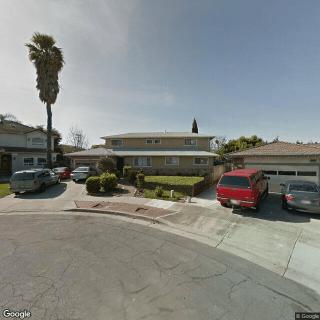


 Comprehensive Insights into Palliative Home Care: What It Is and What to Expect
 Skilled Nursing Facilities vs. Nursing Homes: Making Sense of the Differences
 A Detailed Examination of Nursing Home Costs Across the U.S.