
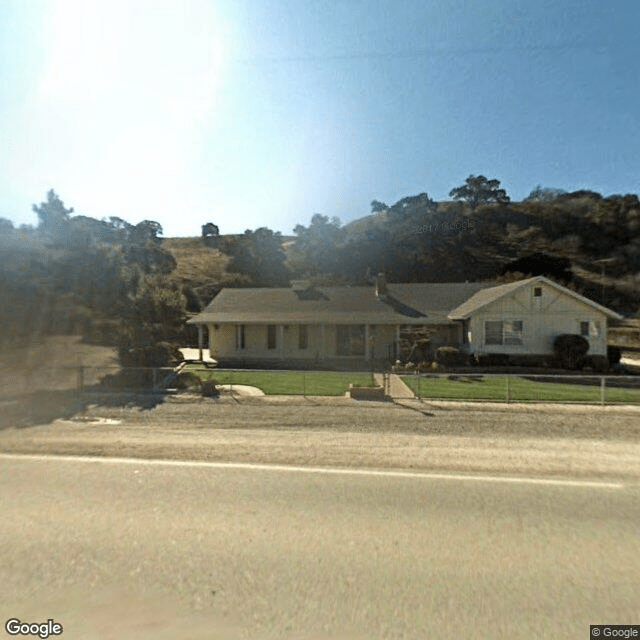
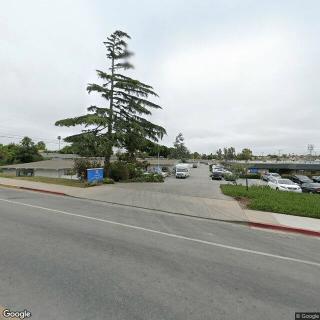
3370 Cienega Road, Hollister, CA 95023
For more information about senior living options: (866) 208-4318
Clearview Carehomes Costs & Pricing
Clearview Carehomes offers competitive pricing for its services, making it an appealing option for families seeking quality care in a supportive environment. For semi-private accommodations, Clearview charges $3,500 per month, which is notably lower than the Santa Clara County average of $3,943 but slightly higher than the California state average of $3,333. Private rooms are available at a rate of $4,000 monthly, closely aligning with both the county's cost of $4,096 and the state's average of $3,939. Additionally, their one-bedroom options are priced at $4,000 per month - far more affordable than the county's steep average of $5,861 while remaining below the statewide figure of $4,340. Overall, Clearview Carehomes provides a compelling balance of value and quality care in comparison to regional and state trends.
| Floor plans | Clearview Carehomes | Santa Clara County | California |
|---|---|---|---|
| Semi-Private | $3,500 | $3,943 | $3,333 |
| Private | $4,000 | $4,096 | $3,939 |
| 1 Bedroom | $4,000 | $5,861 | $4,340 |
Memory care communities with a similar price nearby
-
from +$295 / mo
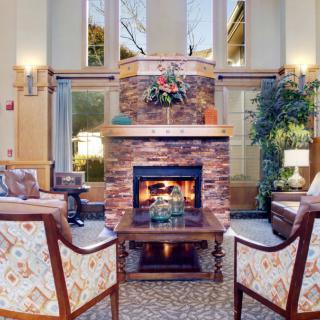
Ivy Park at Salinas
$3,795 to $5,195 / month18.2 miles away -
from -$500 / mo
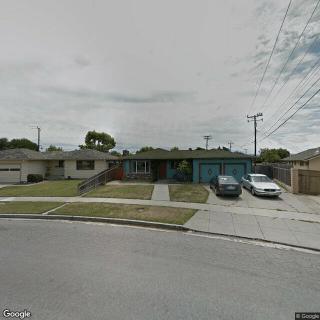
Songbird Care Home
$3,000 to $4,000 / month15.7 miles away -
About the same
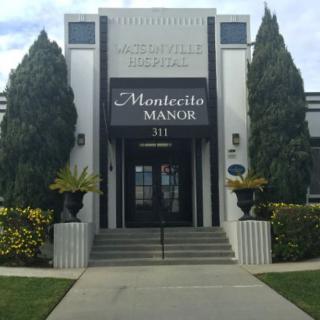
Montecito Manor
$3,400 to $4,500 / month20.9 miles away -
from -$250 / mo
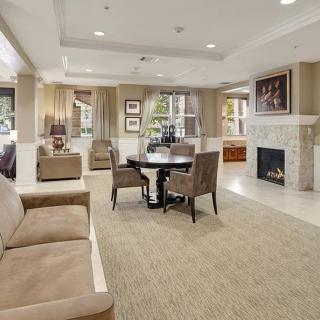
Merrill Gardens At Gilroy
$3,250 to $5,600 / month17.2 miles away -
from -$305 / mo
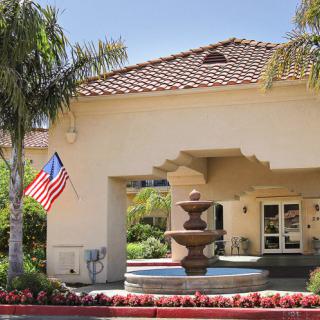
Vista Harden Ranch
$3,195 to $4,595 / month15.5 miles away
Overall Review of Clearview Carehomes
Pros
 The caregivers are very competent.
- The administrator/owner knows what she is doing and is very pleasant.
- The facility is well maintained, clean, and sanitary at all times.
- Residents are well taken care of by the caregivers.
- The staff keep residents entertained and engaged in activities.
- The meals are consistently good and home-cooked.
- It is described as a home away from home.
- The staff are attentive to residents' needs and keep families well informed.
- Feli, the owner and a registered nurse specializing in wound care, has treated and healed wounds.
- The staff, including PJ, Arnold, and Norma, are professional, caring, and entertaining.
Review
Clearview Carehomes in Hollister, California is best suited for families seeking a small, home-like environment where seniors receive highly personalized, hands-on care. This community shines for residents who value intimate daily contact with caregivers who know their preferences, routines, and histories. It is especially attractive to families who want clean, well-kept surroundings, home-cooked meals, and a program that emphasizes engagement and warmth over a clinical, impersonal vibe. In short, this is the setting for a loved one who thrives on familiarity, consistent attentiveness, and a caregiver culture that treats everyday moments as meaningful.
Those weighing alternatives should consider whether a larger campus with more extensive on-site medical services, a broader array of specialty programs, or a formal memory-care or rehab continuum is necessary. If a resident requires a wide network of specialists, frequent on-site physicians, or a robust lineup of clinical amenities, this intimate home model may feel limited. For families prioritizing highly structured, large-scale programming or specific memory-care protocols, a bigger facility could deliver more of what those scenarios demand. Clearview’s strengths are potent precisely because they are situated in a smaller, more personal setting.
The strongest pros are unmistakable and highly actionable for decision-making. Caregivers across the board are described as competent, attentive, and capable of delivering steady, reliable support. The administrator/owner is seen as knowing what she is doing and running the operation with a steady hand, which translates into consistency for residents and clarity for families. The environment itself reinforces confidence: it is well maintained, clean, and sanitary at all times, a critical foundation for daily life in any senior living setting. Residents are not merely cared for; they are engaged, entertained, and invited into activities that sustain a sense of purpose and community. Meals are consistently described as good, home-cooked, and comforting, reinforcing the sense of a true home away from home.
The care team is repeatedly highlighted for professionalism and warmth. Specific staff members, Feli (the owner), Jerry, Norma, and PJ, along with Arnold, are cited as professional, caring, and capable of delivering both medical and social support to residents. The owner’s nursing background, particularly in wound care, emerges as a clear differentiator. Families note that wounds are treated and healed under professional supervision, which reduces worry for loved ones with ongoing medical needs. Moreover, family communications are a strength: caregivers keep relatives informed and engaged, contributing to a transparent, reassuring care experience.
In weighing the absence of a more expansive clinical footprint against these strengths, the practical conclusion is decisive. The most meaningful cons are the risks families face when seeking broad, hospital-level medical capacity in a small, home-like setting. However, those risks are largely offset by the proven advantages: a nurse-led, highly attentive culture; consistent, family-centered communication; a clean, orderly, comforting living space; and meaningful social and culinary routines that sustain both dignity and joy. For families seeking peace of mind that a loved one is genuinely known and thoughtfully cared for, Clearview’s model delivers results that larger, less personal communities often struggle to match.
For families ready to move forward, the recommended approach is straightforward. Visit during a typical activity period to observe caregiver-resident interactions and the pace of daily life. Speak directly with the owner about wound-care capabilities, the care plans in place, and how families are kept informed. Sample a meal, sit in on an activity, and ask to meet several staff members to gauge the real-world warmth and competence described in reviews. If a small, family-first atmosphere with strong medical know-how aligns with the loved one’s priorities, Clearview Carehomes is a compelling, confident choice.
 6 resident community capacity
 Assisted Living
 Board and Care Home
 Memory Care
 Cable or satellite TV
 Dining room
 Fully furnished
 Garden
 Housekeeping services
 Indoor common areas
 Move-in coordination
 Outdoor common areas
 Private
 Telephone
 Wi-Fi/high-speed internet available
 24-hour supervision
 Activities of daily living assistance
 Ambulatory care
 Assistance with bathing
 Assistance with dressing
 Assistance with transfers
 Diabetes diet
 Diabetic care
 High acuity care
 Incontinence care
 Meal preparation and service
 Medication management
 Special dietary restrictions
 Transportation arrangement (medical)
 Transportation to doctors appointments



 Why Do Dementia Patients Sleep So Much? Understanding Oversleeping, Stages, and Care Approaches
 8 Key Indicators That Suggest It May Be Time to Transition from Assisted Living to Skilled Nursing Care
 Nourishing the Mind: Essential Dietary Approaches for Dementia