476 Los Viboras Rd, Hollister, CA 95023
To contact a resident: (831) 636-9620
For more information about senior living options: (866) 208-4318
Whispering Pines Inn, LLC Costs & Pricing
Whispering Pines Inn, LLC offers competitive pricing for its accommodations compared to the broader market in Santa Clara County and the state of California. The monthly cost for a semi-private room at Whispering Pines is $2,789, significantly lower than the county average of $3,943 and the statewide average of $3,333. For studio apartments, residents can expect to pay $3,775 - again favorably positioned against the county's rate of $5,155 and California's average of $4,145. Similarly, the pricing for one-bedroom units stands at $3,775, which is more affordable than both Santa Clara County's average of $5,861 and California's statewide figure of $4,340. These cost advantages make Whispering Pines Inn an attractive option for potential residents seeking quality living arrangements without incurring excessive expenses.
| Floor plans | Whispering Pines Inn, LLC | Santa Clara County | California |
|---|---|---|---|
| Semi-Private | $2,789 | $3,943 | $3,333 |
| 1 Bedroom | $3,775 | $5,861 | $4,340 |
| Studio | $3,775 | $5,155 | $4,145 |
Assisted Living communities with a similar price nearby
-
from +$211 / mo
Songbird Care Home
$3,000 to $4,000 / month21.9 miles away -
from +$211 / mo
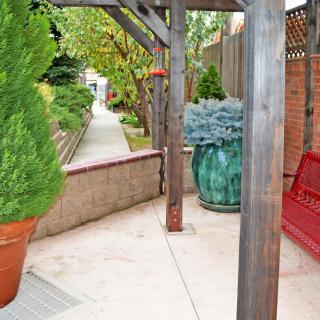
Valley Pines Assisted Living
$3,000 to $4,000 / month20.8 miles away -
from +$461 / mo

Merrill Gardens At Gilroy
$3,250 to $5,600 / month13.6 miles away -
from +$406 / mo
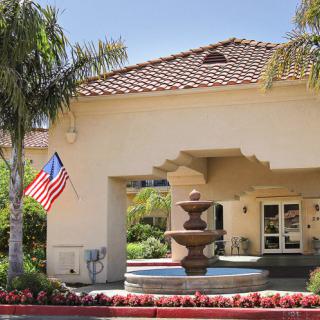
Vista Harden Ranch
$3,195 to $4,595 / month21.4 miles away -
from +$211 / mo
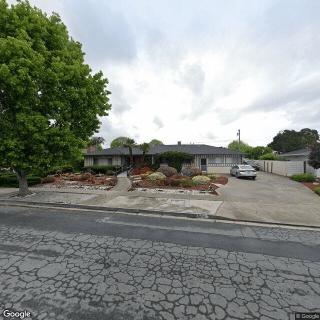
Home Away From Home II
$3,000 to $3,500 / month24.2 miles away
Overall Review of Whispering Pines Inn, LLC
Pros
 Whispering Pines Inn has devotedly served the San Benito County for over 26 years.
- The management and staff are caring and very responsive to their elderly residents.
- The administrator is knowledgeable and informative about the care and services provided, and the care aides show affection and dedication in daily tasks.
- The staff love the residents and provide companionship, including singing, dancing, and daily walks.
- The facility is clean and well maintained.
- Home-cooked meals are delicious and well balanced.
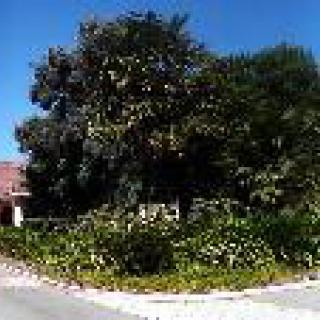
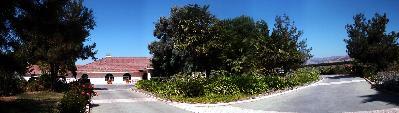
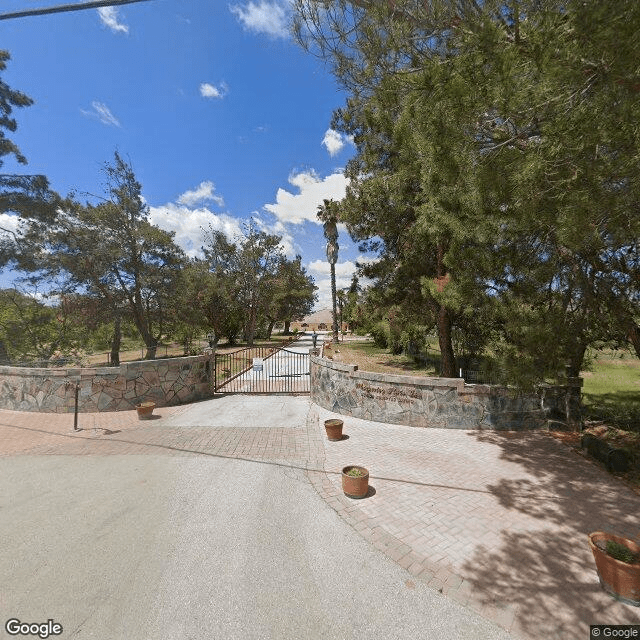
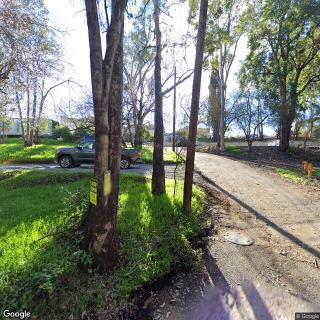
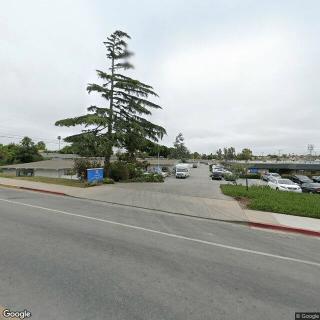
- The setting is a beautiful gated complex surrounded by pine trees, eucalyptus, flowers, and orchards.
- The owners and staff are patient, hardworking, and hands-on, even on weekends.
Cons
 She lived there for 1 and 1/2 years; she was not happy there and did not want to go back.
- Some close friends put their mother in the facility and said they never took her out of her room.
Review
Whispering Pines Inn in Hollister is best suited for families seeking a warm, community‑oriented elder-care option that blends home life with attentive caregiving. The eight‑acre, gated setting feels park‑like, ringed with pines, eucalyptus, and flowering trees, and the campus conveys a sense of safety and belonging. The operation has served San Benito County for more than 26 years, with owners and an administrator who are hands‑on and responsive to both resident needs and family concerns. Residents typically experience daily interaction, structured meals that act as a social anchor, and a emphasis on meaningful, day‑to‑day activity rather than a sterile, clinical routine. In practice, this is a place where care feels personal and neighbors genuinely look out for one another.
That strength, however, may not align with every family’s trajectory. Alternatives should be considered by those needing aggressive clinical oversight, hospital‑style monitoring, or a highly structured memory‑care environment. A subset of reviews notes that not every resident experiences happiness or engagement over time, with accounts of residents who did not want to stay or who drifted toward isolation. Those signals matter: for families facing complex medical needs, significant behavioral challenges, or a demand for highly specialized dementia programming, Whispering Pines Inn may fall short of what those situations require. Ear‑to‑the‑ground conversations and a thorough tour are essential to assess fit.
The core advantages of Whispering Pines Inn tend to offset its potential downsides for the right resident. A clearly caring leadership culture, with staff who are described as affectionate and hands‑on, creates a reassuring daily rhythm for families and residents alike. The meals, home‑cooked and well balanced, appear to be a daily highlight, supporting both nutrition and social interaction. The environment itself reinforces well‑being: a secure, attractive campus with room‑to‑walk and opportunities for light recreation, including singing, dancing, and guided strolls. Longstanding operations in the community contribute to continuity of care, with owners and the administrator often visible and involved, a factor that many families prize when trust needs to be earned.
Dementia care appears to be a particular strength when appropriate: multiple accounts describe residents who wander within a safe, gated setting and who benefit from regular daily activity and companionship. One father’s story, living there for several years, illustrates how a sociable, engaged routine can sustain mood and vitality even with mild cognitive impairment. The staff’s willingness to participate in everyday pleasures, walking residents, singing, and encouraging conversation, helps maintain dignity and a sense of purpose. This combination of security, personal attention, and meaningful activity is a meaningful offset to the more ambiguous notes from some critics who question ongoing happiness for every resident.
Nevertheless, the negatives deserve sober consideration. If a senior or family fears that a beloved relative might become disengaged or confined to a room, Whispering Pines Inn may not deliver the monotony of stimulation that some demand. A few reviews suggest that experiences vary and that happiness is not uniformly guaranteed across all residents. This points to a broader truth: even strong, family‑like care communities cannot substitute for an exact match in personality, interests, and care needs. Prospective residents should push for candid conversations about daily programming, social opportunities, and how staff monitor mood and engagement over time.
In the end, Whispering Pines Inn is a practical, reputable choice for families in San Benito County who want a long‑standing, nurturing setting for a loved one with mild to moderate cognitive decline and a preference for a homey, engaged atmosphere. It is less suited for those seeking intensive, hospital‑level management or highly specialized dementia protocols. The recommended plan is straightforward: schedule a comprehensive tour with the administrator, meet front‑line staff and several residents, review a current care plan for the intended resident, and ask for specifics about daily activities, meal rotations, and safety routines. If alignment is found, this community can deliver dependable warmth, steady daily structure, and a sense of belonging that long‑term care plans hinge on. If alignment isn’t evident, exploring a larger memory‑care campus or a facility with a more clinical framework may be warranted.
 Assisted Living
 Cats allowed
 Dogs allowed
 Activities off-site
 Beautician on-site
 Devotional services off-site
 Indoor common areas
 Outdoor common areas
 Respite or short term stays offered
 Wheelchair accessible showers
 Diabetic care
 Incontinence care
 Meals provided
 Christian services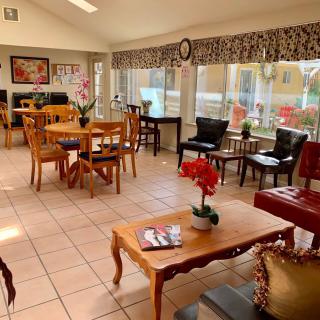


 Exploring the Path to Senior Living: A Comprehensive Look at Independent Living and Assisted Living
 Is Assisted Living Deductible on Your Taxes? Understanding the Complexities of Assisted Living Expenses and Deductions
 Assisted Living Support for Veterans: A Complete and Detailed Overview