
1257 Steinbeck Drive, Hollister, CA 95023
For more information about senior living options: (866) 208-4318
Overall Review of Bonita Springs Senior Care
Pros
 The staff at Bonita Springs Healthcare Services is gentle and caring, a true blessing.
- The Bonita Springs team provides highly attentive comfort and care, always respectful with a reassuring smile.
- Their services are top-notch, combining professional medical care with heartfelt compassion in a warm, supportive environment.
- The entire team goes above and beyond to deliver quality, compassionate care.
- Bonita Springs Hospice offers outstanding support, with Karla quick to respond and going the extra mile, and Gladys bringing warmth and steady care.
- Karla is a lifeline for families—communicative, reassuring, and ensuring loved ones are in good hands.
- The nurses and aides consistently ensure comfort and dignity, providing emotional support that makes a world of difference.
- Bonita Springs Hospice Care is filled with truly special people who bring peace to patients and families.
Review
This community is best suited for families seeking hospice-focused, end-of-life support delivered with exceptional compassion. The reviews repeatedly highlight a team that treats residents with dignity and warmth, offering professional medical oversight alongside heartfelt, personal care. It is especially well-matched for seniors who are bed-ridden or living with dementia and for families who need steady navigation through complex medical systems while maintaining comfort and emotional reassurance in a delicate time.
Those weighing alternatives should note that this setting centers on hospice and palliative care rather than a broad, ongoing independent living model. Families desiring robust daily-life programming, social activities, or non-medical memory-care routines may want to explore traditional assisted living or dedicated memory-care communities. Additionally, if the preference is for long-term living arrangements that emphasize a wide range of non-clinical amenities, a different residence could better meet those expectations.
The strongest positives, the gentle, attentive staff; the combination of professional medical care with compassionate, family-centered support; and the responsiveness of frontline leaders, create a safety net that can offset the most trying moments. When patients and families confront medical complexity, the ability of nurses, aides, and doctors to stay present, calm, and communicative reduces anxiety and clarifies decisions. The care team’s willingness to go the extra mile appears to translate into tangible peace of mind for relatives, which, in the context of end-of-life care, is a critical offset to the inherent emotional and logistical strain.
However, the hospice-centric model is also the central tension point for anyone who anticipates or requires non-medical daily living support. The reviews foreground medicalized, comfort-oriented care and family reassurance, but there is little emphasis on ongoing social programming, recreational activities, or wide-ranging custodial services beyond palliative needs. Those needs can become limiting for residents who seek a more expansive daily routine, companionship, or structured engagement beyond what hospice typically prioritizes. In short, the advantages of expert, compassionate medical care may come with a narrower day-to-day life spectrum.
From a practical decision-making standpoint, prospective families should probe the exact scope of services and the care-plan framework. Ask for a clear delineation between hospice, respite, and any custodial care, plus the staffing ratios on nights and weekends. Inquire about dementia-specific protocols, fall-prevention measures, and how care plans evolve as clinical needs change. Costs, eligibility, and what happens if conditions worsen or stabilize are essential details, as is understanding how coordination with external hospice teams or physicians is managed to prevent gaps in communication.
For families weighing options, this community stands out as a premier choice for those prioritizing comfort, dignity, and steady professional guidance during end-of-life care. It excels at easing the emotional load on families and ensuring residents are treated with respect and warmth, a combination that can be transformative when the primary objective is peaceful, compassionate care. At the same time, those whose goals center on long-term living with robust social programming or memory-care activities should deliberately compare alternatives that foreground those elements. The right fit hinges on aligning care goals with the facility’s core strengths, and a candid, detailed conversation with the team will illuminate whether this is the best match.
 6 resident community capacity
 Assisted Living
 Cable or satellite TV
 Dining room
 Fully furnished
 Garden
 Housekeeping services
 Move-in coordination
 Outdoor space
 Telephone
 Wi-Fi/high-speed internet available
 24-hour supervision
 Activities of daily living assistance
 Assistance with bathing
 Assistance with dressing
 Assistance with transfers
 Diabetes diet
 Meal preparation and service
 Medication management
 Special dietary restrictions
 Transportation arrangement (medical)
 Transportation to doctors appointments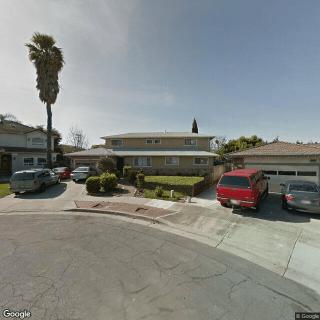







 Comprehensive Insights into Activities of Daily Living (ADLs) and Their Assessment
 Medicare Coverage for Assisted Living: An In-Depth Exploration
 Choosing the Right Senior Care: A Detailed Exploration of Assisted Living and Nursing Homes