
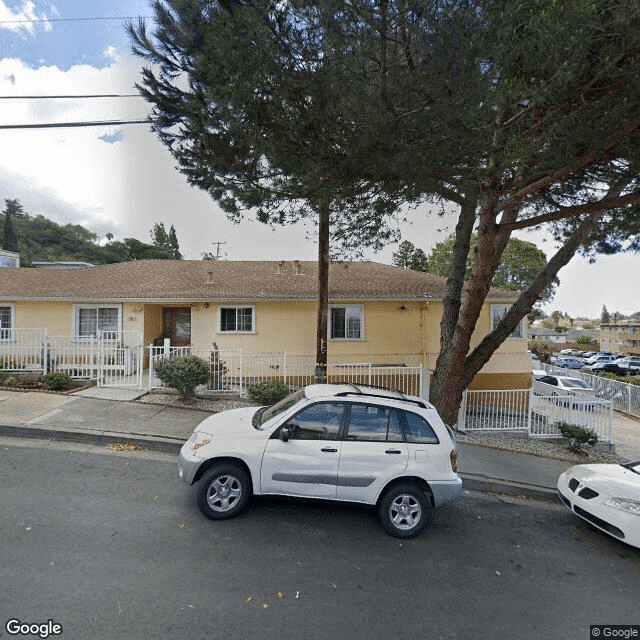
999 Torrano Avenue, Hayward, CA 94542
For more information about senior living options: (866) 208-4318
Jomok Care Home Costs & Pricing
Jomok Care Home offers competitive pricing for its residents compared to the broader market in Alameda County and across California. For semi-private rooms, Jomok's costs range from $1,800 to $3,500, significantly undercutting the county average of $3,273 and the state average of $3,333. Similarly, for private rooms, Jomok's pricing of $3,000 to $4,500 remains attractive when compared to the higher rates of $3,748 in Alameda County and $3,939 statewide. This positioning not only highlights Jomok Care Home's commitment to affordability but also reflects its dedication to providing quality care without compromising on comfort or services.
| Floor plans | Jomok Care Home | Alameda County | California |
|---|---|---|---|
| Semi-Private | $1,800 to $3,500 | $3,273 | $3,333 |
| Private | $3,000 to $4,500 | $3,748 | $3,939 |
Memory care communities with a similar price nearby
-
from +$195 / mo
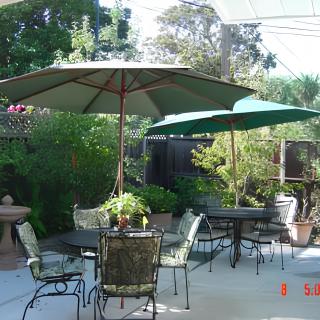
Sunny Orchard Place
$1,995 to $3,700 / month20.7 miles away -
About the same
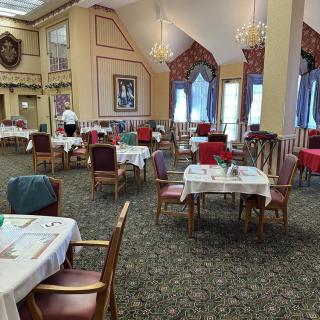
El Cerrito Royale
$1,775 to $3,775 / month22.6 miles away -
from -$200 / mo
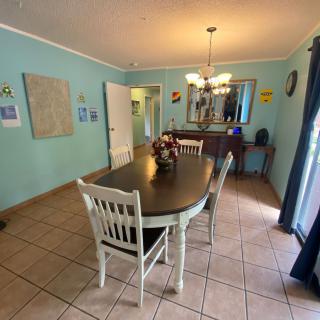
New Alamo Residence Home
$1,600 to $5,500 / month13.9 miles away -
from +$200 / mo
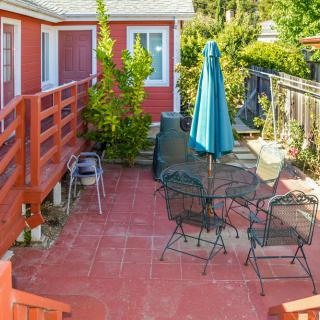
Heritage Hills
$2,000 to $3,800 / month18.9 miles away -
from +$100 / mo
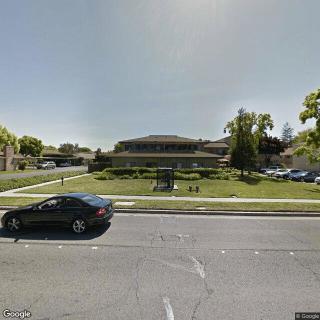
Concord Royale
$1,900 to $4,900 / month21.7 miles away
Overall Review of Jomok Care Home
Cons
 The caregivers are not sanitary.
- There are a lot of frozen foods.
- The fruits taste like they were kept in the refrigerator.
- They recycle food that wasn’t eaten from other residents’ plates.
- There is a lot of yelling from other residents about being cleaned too roughly.
- They wouldn’t send their loved ones here.
Review
Jomok Care Home in Hayward is best suited for families facing tight budget constraints who must place a loved one in a facility quickly and are prepared to supervise care closely. The reviews suggest a environment where cost considerations may drive the choice, but without a corresponding level of care quality or reassurance about sanitation, safety, and daily living. In practical terms, this is a facility that should only be considered when other viable alternatives are completely off the table and there is a plan for near-constant oversight by family or a trusted representative.
Those weighing options should understand who may want to look elsewhere. Families with any expectation of clean, sanitary caregiving, consistently nutritious meals, or a tranquil, respectful living environment will likely be disappointed. The reviews indicate a pattern of unhygienic conditions and food concerns, and a living atmosphere that can feel unsettled or stressful for residents. For anyone who values reliable staff interactions, clear communication, and a calm social dynamic, A-level alternatives in the area will typically be a safer bet.
The top red flags are explicit and persistent. Caregivers are described as unsanitary, with concerns about how meals are prepared and served, including frozen foods and fruits with off flavors. The practice of reusing or recycling uneaten food from other plates is cited, which raises clear safety and dignity issues. In addition, residents are reported to be yelled at when requested to be cleaned, and the overall tone around daily care appears rough rather than supportive. The combination of hygiene problems, questionable food handling, and a volatile environment creates a high risk of dissatisfaction and even harm for residents who rely on routine, respectful, and hygienic care.
Bringing any potential positives into the balance is difficult given the accounts available. There are no clearly stated strengths to offset the significant concerns, and the lack of favorable observations weakens the case for this home. In decision-making terms, the negatives dominate: sanitation lapses, questionable nutrition, and social noise or volatility undermine safety and well-being. Without credible, compensating advantages, such as excellent staffing ratios, robust quality control, or transparent management, this facility does not meet the baseline expectations required for sustained, comfortable senior living.
For families considering a visit, pursue a structured reassessment rather than a quick decision. Insist on a thorough tour focused on kitchen practices, food sourcing, and how meals are prepared and served; request to observe mealtime routines and how staff respond to resident requests. Ask for a detailed review of staff training, turnover, and sanitation protocols, and insist on speaking with current residents or other family members about daily life. Verify licensing history, complaint records, and any corrective actions. Have a clear plan for oversight, including regular check-ins and a contingency path if conditions fail to improve.
In the end, this community should be approached with caution and only after exhaustive comparison with stronger options. The verdict is clear: for most families, alternatives that prioritize hygiene, respectful care, and reliable nutrition will deliver greater peace of mind and better daily living experiences. If choosing Jomok Care Home becomes necessary, pair that choice with rigorous oversight, explicit expectations, and a concrete plan to monitor progress or relocate at the first sign of ongoing issues.
 12 resident community capacity
 Assisted Living
 Board and Care Home
 Memory Care
 Cable or satellite TV
 Dining room
 Fully furnished
 Garden
 Housekeeping services
 Move-in coordination
 Outdoor space
 Private
 Telephone
 Wi-Fi/high-speed internet available
 Metropolitan Oakland International (10 miles away)
 24-hour supervision
 Activities of daily living assistance
 Ambulatory care
 Assistance with bathing
 Assistance with dressing
 Assistance with transfers
 Diabetes diet
 Hospice waiver
 Incontinence care
 Meal preparation and service
 Medication management
 Mental wellness program
 Special dietary restrictions
 Transportation arrangement (medical)
 Transportation to doctors appointments
 Specialized memory care programming with 24/7 supervision and care coordination.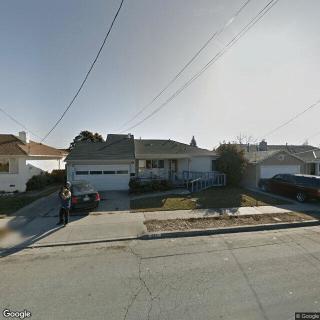


 An In-Depth Look at Reminiscence Therapy in Dementia Care
 Dementia-Related Hallucinations: Causes, Experiences, and Practical Approaches
 Illuminating Insights About Alzheimer's Disease: Ten Crucial Realities