
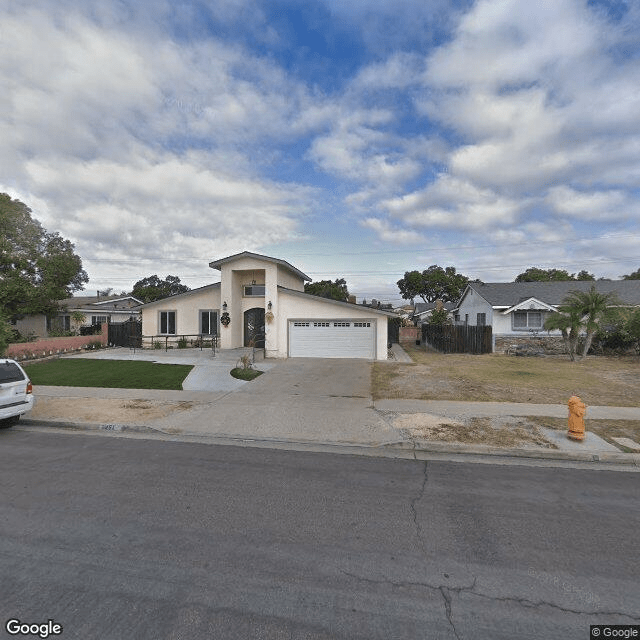
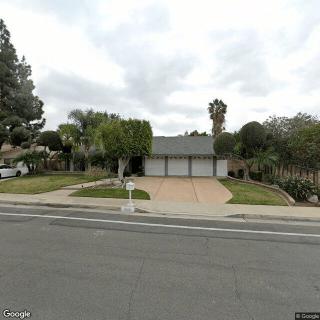
9351 Melba Drive, Garden Grove, CA 92841
For more information about senior living options: (866) 208-4318
Arvilinh Home Care Costs & Pricing
At Arvilinh Home Care, the monthly costs for accommodations reflect a competitive pricing structure compared to both Orange County and the broader state of California. For a semi-private room, residents can expect to pay $3,500, which is slightly above the Orange County average of $3,431 but still offers value when considering the quality of care provided. Private rooms are available at $4,500, again exceeding the local average of $4,104 yet aligning closely with California's statewide average of $3,939. Interestingly, for one-bedroom units priced at $4,500, Arvilinh remains in line with both the Orange County figure of $4,380 and California's average of $4,340. Overall, while Arvilinh Home Care's rates may be marginally higher in some categories, they are positioned within the regional market and represent a commitment to delivering high-quality home care services tailored to individual needs.
| Floor plans | Arvilinh Home Care | Orange County | California |
|---|---|---|---|
| Semi-Private | $3,500 | $3,431 | $3,333 |
| Private | $4,500 | $4,104 | $3,939 |
| 1 Bedroom | $4,500 | $4,380 | $4,340 |
Memory care communities with a similar price nearby
-
from +$495 / mo

Cadence Brea
$3,995 to $5,500 / month9.1 miles away -
About the same
Kind Heart Home Care VI
$3,500 to $5,000 / month19.5 miles away -
About the same
Comfort Keepers Home Care
$3,500 to $6,500 / month10.0 miles away -
from -$650 / mo
Alternative Senior Care - Freshwater
$2,850 to $3,250 / month7.5 miles away -
from -$500 / mo
Best Elderly Care I
$3,000 to $3,500 / month8.6 miles away
Overall Review of Arvilinh Home Care
Pros
 The staff are compassionate and loving.
- They would highly recommend this company to any family member.
- The family felt grateful for being placed in a warm, loving, and competent facility and staff.
- The caregivers were thorough, compassionate, and fun.
- The Arvilinh care team provided benevolent service and care that helped their dad reach 100.
Review
This community is best suited for families seeking a warm, intimate home-like care environment where caregivers form lasting, trusting relationships with residents. Arvilinh Home Care in Garden Grove earns praise for a staff culture marked by genuine compassion, attentiveness, and steady competence. The setting feels less like a clinical institution and more like a supportive household, which is ideal for seniors who value dignity, daily personal interaction, and a sense of continuity in their care. The tone throughout suggests that care is about knowing the person, honoring histories, and responding with steadiness, not simply performing tasks. For families navigating aging or end-of-life care, these relational strengths translate into meaningful days and sustained peace of mind as milestones are celebrated with grace.
Those who should consider alternatives are those whose needs center on high-acuity medical oversight, 24/7 on-site nursing, or highly structured rehabilitation programs. If a resident requires frequent, immediate clinical interventions or intense memory-care protocols within a larger campus, a facility with broader medical staffing may be a better fit. Arvilinh’s core value is relationship-driven care delivered in a home-like setting, not the full spectrum of hospital-level services. Prospective families should verify staff-to-resident ratios, confirm the availability of on-call medical professionals, and assess whether there is access to specialized therapies. When medical complexity dominates the plan, alternatives with stronger clinical capacity should be weighed against the warmth and personalized approach here.
The primary advantages revolve around people: consistently compassionate staff, a warm, family-like atmosphere, and thorough, competent care. The caregivers are described as reliable and professional while also being personable, engaging, and capable of lifting spirits. That combination reduces stress for residents and lowers the risk of care gaps by promoting continuity. Social engagement appears natural and frequent, contributing to quality of life for seniors who might otherwise drift into isolation. In a setting where routine and personal attention matter most, these strengths practically neutralize the common drawbacks of larger, impersonal facilities: Arvilinh offers depth of relationship that is frequently missing elsewhere.
Family involvement and satisfaction emerge as clear indicators of success. Families note that care feels warm and competent, and that staff build genuine connections with residents. This depth of relationship supports emotional well-being and reduces anxiety about the day-to-day management of care. The anecdote about a centenarian resident underscores a life-affirming approach: care that is purpose-driven, enabling residents to enjoy meaningful days and celebrate milestones. Such dedication signals adaptability and resilience in meeting evolving needs, which matters greatly for seniors who prize dignity, autonomy within support, and a sense of being known.
To be sure, due diligence remains essential. The consistently positive tone invites families to verify practical aspects such as privacy, space, and how care plans are communicated and updated. Clarity about goals of care, decision-making processes, and the availability of needed therapies will help ensure alignment with personal expectations. It is prudent to explore billing practices, what is included, and any potential add-ons. For households that anticipate a shift toward greater medical intensity, it is wise to compare with options offering expanded nursing capabilities, more robust rehabilitation services, and seamless escalation pathways. The goal is to ensure continuous, appropriate support that remains as personal and respectful as the care described.
Bottom line: for families prioritizing relationship-based, home-like care with consistently compassionate staff, Arvilinh Home Care represents a strong, dependable choice in Garden Grove. The reviews point to a team that feels like family, a warm environment, and care that is thorough and competently delivered. The caveat lies in clinical needs that exceed what a home-care setting typically provides; in such cases, explore options with greater medical capacity and structured rehab programs. Clarify care plans, confirm staff stability, and assess the facility’s capacity to adapt as needs evolve. When the objective is sustained comfort, dignity, and a sense of being truly known, Arvilinh delivers a practical, candid path toward continued well-being.
 6 resident community capacity
 Assisted Living
 Board and Care Home
 Memory Care
 Activities on-site
 Cable or satellite TV
 Dining room
 Fully furnished
 Garden
 Housekeeping services
 Move-in coordination
 Outdoor space
 Private
 Private bathrooms
 Telephone
 Wi-Fi/high-speed internet available
 John Wayne Orange Co (10 miles away)
 24-hour supervision
 Ambulatory care
 Assistance with bathing
 Assistance with dressing
 Assistance with transfers
 Diabetes diet
 Diabetic care
 High acuity care
 Meal preparation and service
 Medication management
 Special dietary restrictions
 Transportation arrangement (medical)
 Transportation to doctors appointments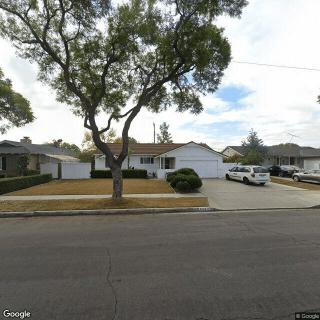






 Why Do Dementia Patients Sleep So Much? Understanding Oversleeping, Stages, and Care Approaches
 8 Key Indicators That Suggest It May Be Time to Transition from Assisted Living to Skilled Nursing Care
 Nourishing the Mind: Essential Dietary Approaches for Dementia