Walnut Village, a continuing care retirement community (CCRC), offers a range of accommodations that reflect the higher cost of living in Orange County and California as a whole. For those seeking a one-bedroom unit, Walnut Village charges $4,790 monthly, surpassing both the county average of $4,380 and the state average of $4,340. The two-bedroom option is similarly positioned at $5,775, which remains above local ($5,390) and state benchmarks ($5,270). Notably, its semi-private rooms demand a premium at $6,920 compared to much lower averages in the region (Orange County: $3,431; California: $3,333), while studio units are priced at a substantial $9,755 - far exceeding both county ($4,313) and state ($4,145) costs. These rates may reflect Walnut Village's extensive amenities and personalized care services aimed at delivering an enriching living experience for residents.
Floor plans
Walnut Village, a CCRC
Orange County
California
1 Bedroom
$4,790
$4,380
$4,340
2 Bedrooms
$5,775
$5,390
$5,270
Semi-Private
$6,920
$3,431
$3,333
Studio
$9,755
$4,313
$4,145
Memory care communities with a similar price nearby
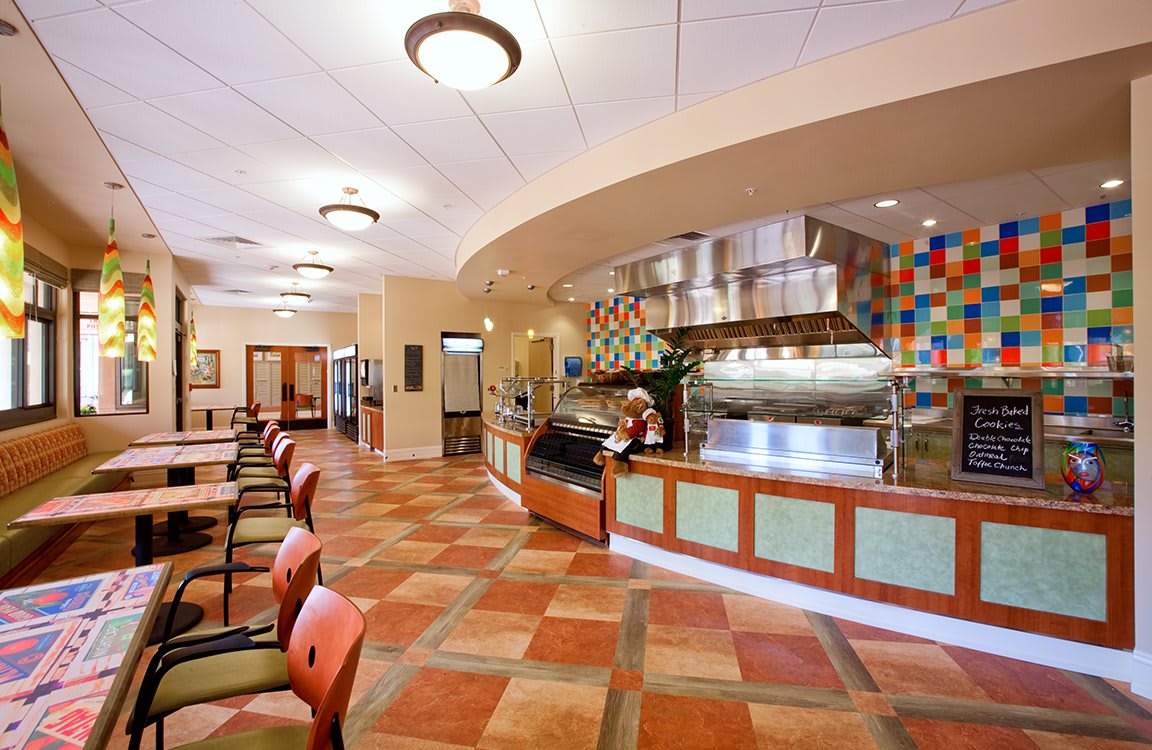
Dining stands out in reviews, with residents praising options and others reporting service or taste problems.
Some residents describe the food and selection as very good, and they specifically mention having multiple on-site dining options. Others report issues with getting dining requests handled, along with concerns that meals were limited or the food just wasn’t to their liking. This aligns with the community offering restaurant-style dining and meals with multiple dietary options.
common17 reviews mention this
Staff is frequently described as caring
Staff service is one of the most consistently positive themes, with residents describing helpful, caring support.
Across multiple reviews, residents and families single out the staff as the best part, describing people who go the extra mile and provide help that feels attentive. Several comments also connect staff support to day-to-day comfort and trust. The reviews also include a few complaints about responsiveness and support around basic needs, but the overall tone is still that staff are engaged with residents and families.
caveat2 reviews mention this
Care and supervision concerns appear
A small subset of reviews raises serious concerns about medical coverage and supervision.
Some reviews describe breakdowns in care, including claims of unwitnessed falls and questions about how issues were handled. Another review mentions a lack of doctor availability after hours. Residents with strong experiences do talk about having good health care, but these particular concerns are clear enough to stand out.
caveat4 reviews mention this
Costs come up often
Pricing is a recurring drawback, with several reviewers calling it expensive.
Several families say the community is pricey, sometimes explicitly tying the concern to fixed incomes or budget limits. One review also suggests doing a detailed analysis of finances before moving. Dining-related costs are mentioned as well, with a comment that a monthly fee didn’t cover all meals.
common3 reviews mention this
Activities are available, attendance varies
Residents describe an activities calendar, but some note it can feel sparsely attended.
Many reviews point to planned activities and programs, including classes and outings, and they describe the community as having options available on-site. At the same time, one reviewer says activities exist but seem sparsely attended. Another comment supports that idea by describing wanting more enjoyment of activities but still valuing being at the community.
caveat2 reviews mention this
Disney proximity can be a tradeoff
Being close to Disneyland is praised, but it can also affect traffic around the campus.
One review calls proximity to Disneyland a plus, especially for family visits with grandkids. Another reviewer mentions congested traffic outside the campus because it’s near Disneyland. Nearby listings include Disneyland-area transit, supporting the idea that theme-park access is part of the location picture.
How we summarize
Counts show how many written reviews mention each theme; a review can touch several themes, and only frequently mentioned themes are displayed.
Features
Types of Care
Assisted Living
Independent Living
Memory Care
Amenities
Activities off-site
Activities on-site
Air-conditioning
Bath tubs
Beautician on-site
Cable or satellite TV
Devotional services off-site
Devotional services on-site
Full kitchen
Ground floor units
Handicap accessible
Indoor common areas
Outdoor common areas
Private bathrooms
Swimming pool / hot tub
Wheelchair accessible showers
Wi-Fi/high-speed internet available
Transportation
John Wayne Orange Co (11 miles away)
Long Beach (Daugherty) (13 miles away)
Ontario International (25 miles away)
Care Services
Ambulatory care
Diabetic care
Incontinence care
Medication management
Dining
Anytime dining
Gluten-free
Guest meals
International cuisine
Low / no sodium
Meals provided
No Sugar
Professional chef
Restaurant style dining
Room service
Special dining programs
Vegetarian
Activities
Art classes
Day trips and outings
Devotional activities offsite
Devotional activities on-site
Educational speakers / life long learning
Happy hour
Live musical performances
Live well programs
Other religious services
Visiting chaplain or priest
Wine tasting
Nearby Places of Interest
This part of Anaheim, California, offers a mix of convenient amenities for seniors looking to live in the area. With several parks nearby such as Willow Park and Steve Ambriz Memorial Park, there are plenty of opportunities to enjoy outdoor activities and nature. There is also a variety of restaurants within close proximity, providing dining options for every palate. Additionally, transportation options like the Disneyland Monorail and Drr Toontown Station make it easy to get around the area. For healthcare needs, there are pharmacies like CVS and Walgreens nearby, as well as hospitals like Anaheim Regional Medical Center and Choc. Overall, this area provides a comfortable and convenient environment for seniors looking to settle down in Anaheim.
Parks
Willow Park (0.5 miles)
Faylane Park (2.3 miles)
Steve Ambriz Memorial Park (4.5 miles)
Craig Regional Park (6.5 miles)
Restaurants
Oga's Cantina (0.6 miles)
Hungry Bear Restaurant (0.6 miles)
Trader Sam's Enchanted Tiki Bar (0.7 miles)
Red Rose Taverne (0.7 miles)
Rancho del Zocalo Restaurante (0.7 miles)
Mr. Toad's Wild Ride (0.7 miles)
Tropical Hideaway (0.8 miles)
Transportation
Drr Toontown Station (0.7 miles)
DLRR New Orleans Station (0.7 miles)
Disneyland Monorail - Downtown Disney District Station (0.7 miles)
Disneyland Monorail (0.9 miles)
Drr Tomorrowland Station (0.9 miles)
Hertz Rent A Car (1.6 miles)
Artic (3.2 miles)
Cafes
New Orleans Square (0.7 miles)
Jolly Holiday Bakery Cafe (0.8 miles)
Starbucks (0.9 miles)
La Brea Bakery Express (0.9 miles)
Hollywood Land (1.1 miles)
Anaheim Packing District (1.3 miles)
Starbucks (4.2 miles)
Pharmacies
CVS/pharmacy (1.4 miles)
Walgreens (1.4 miles)
Walgreens (1.7 miles)
Walgreens (2.3 miles)
CVS Pharmacy (2.8 miles)
Walgreens (2.8 miles)
Rite Aid (3 miles)
Places of Worship
Chinese Baptist Church (1.6 miles)
Hospitals
Anaheim Regional Medical Center (2 miles)
Choc (4.5 miles)
Kindred Hospital Westminster (5.4 miles)
Physicians
Kaiser Permanente, Euclid & Romneya (2.3 miles)
The 200 Building (3 miles)
St Jude Medical Center (5.2 miles)
Kaiser Permanente Medical Building 1 (5.4 miles)
Dostzada, Ghulam Dr - Los Alamitos Cardiovascular (6.4 miles)
Walnut Village, a continuing care retirement community (CCRC), offers a range of accommodations that reflect the higher cost of living in Orange County and California as a whole. For those seeking a one-bedroom unit, Walnut Village charges $4,790 monthly, surpassing both the county average of $4,380 and the state average of $4,340. The two-bedroom option is similarly positioned at $5,775, which remains above local ($5,390) and state benchmarks ($5,270). Notably, its semi-private rooms demand a premium at $6,920 compared to much lower averages in the region (Orange County: $3,431; California: $3,333), while studio units are priced at a substantial $9,755 - far exceeding both county ($4,313) and state ($4,145) costs. These rates may reflect Walnut Village's extensive amenities and personalized care services aimed at delivering an enriching living experience for residents.
Walnut Village's medication management system is designed to ensure that residents with dementia or Alzheimer's receive their medications accurately and on schedule, which is crucial for maintaining their overall health and well-being. This structured approach eliminates the confusion often associated with complex medication regimens, thereby reducing anxiety for both residents and caregivers. Additionally, incontinence care services provide dignity and comfort for residents facing these challenges, helping to prevent potential embarrassment while also maintaining hygiene. By offering specialized support in these areas, Walnut Village enhances the quality of life for its residents, creating a more secure and nurturing environment that caters to their unique needs.
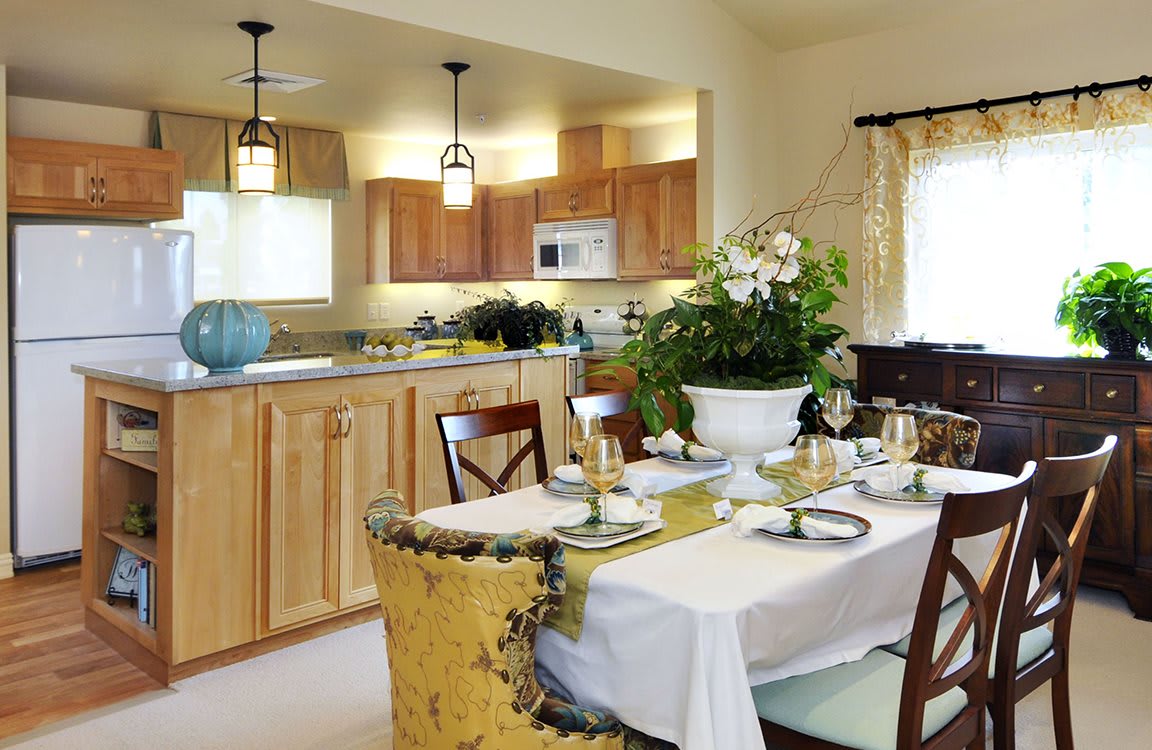
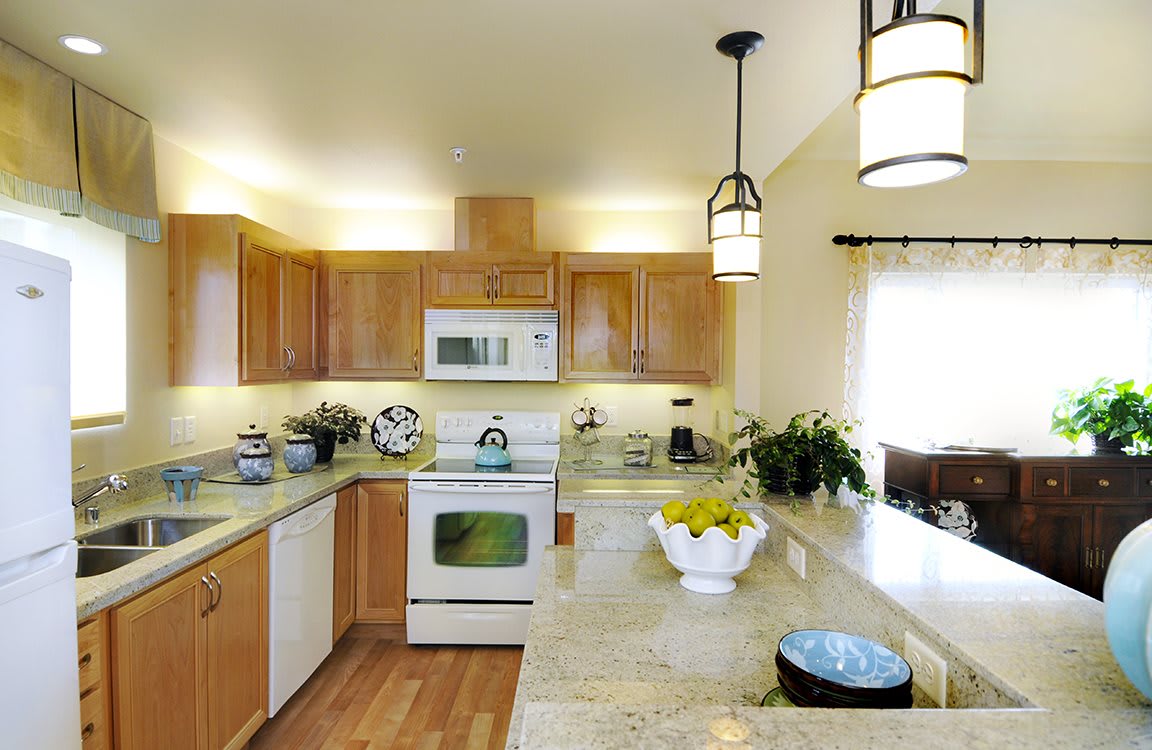
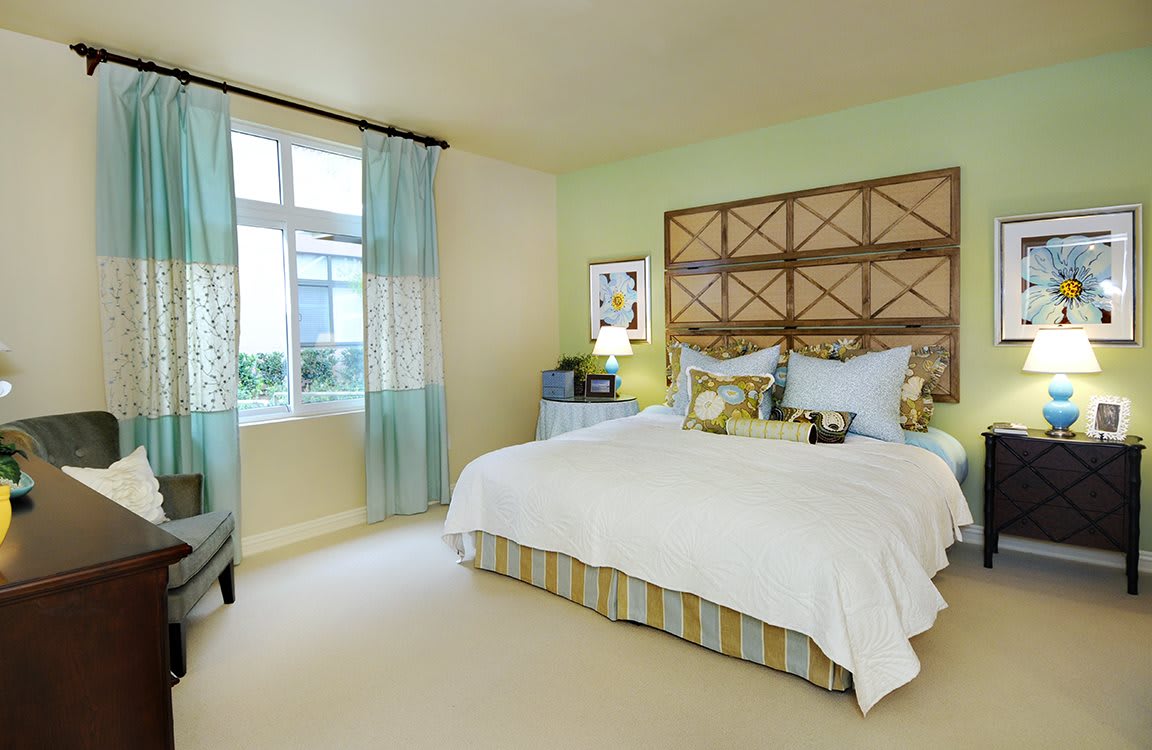
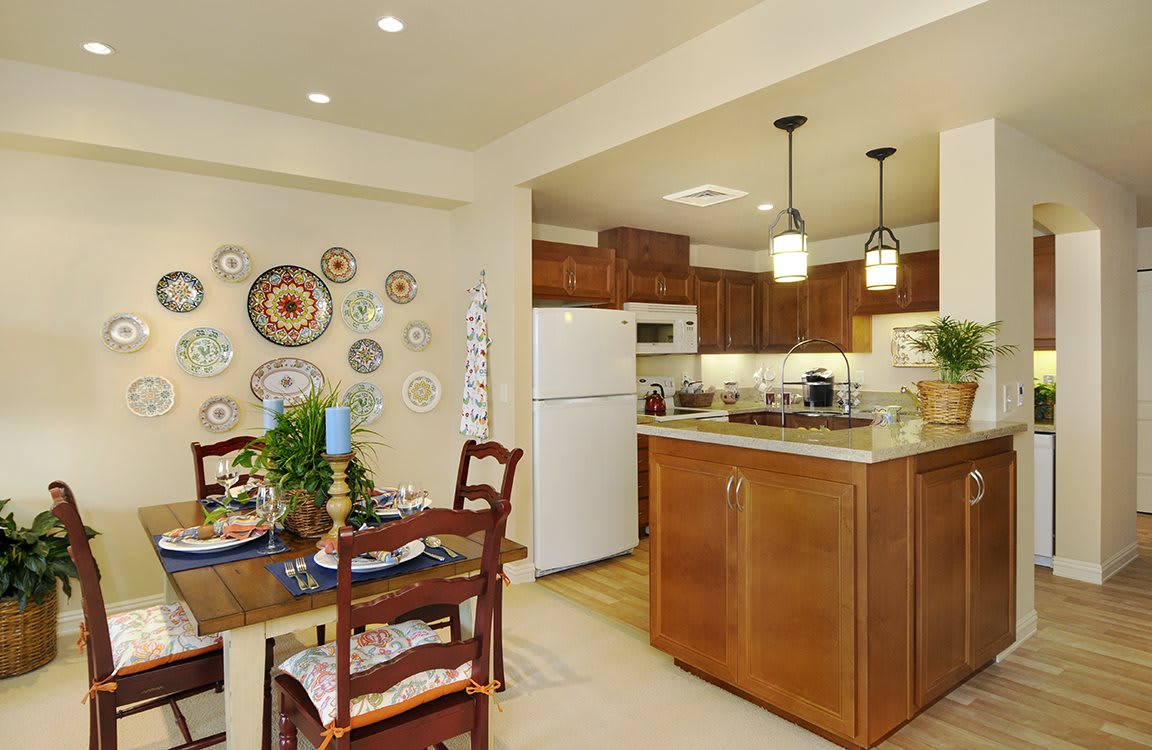
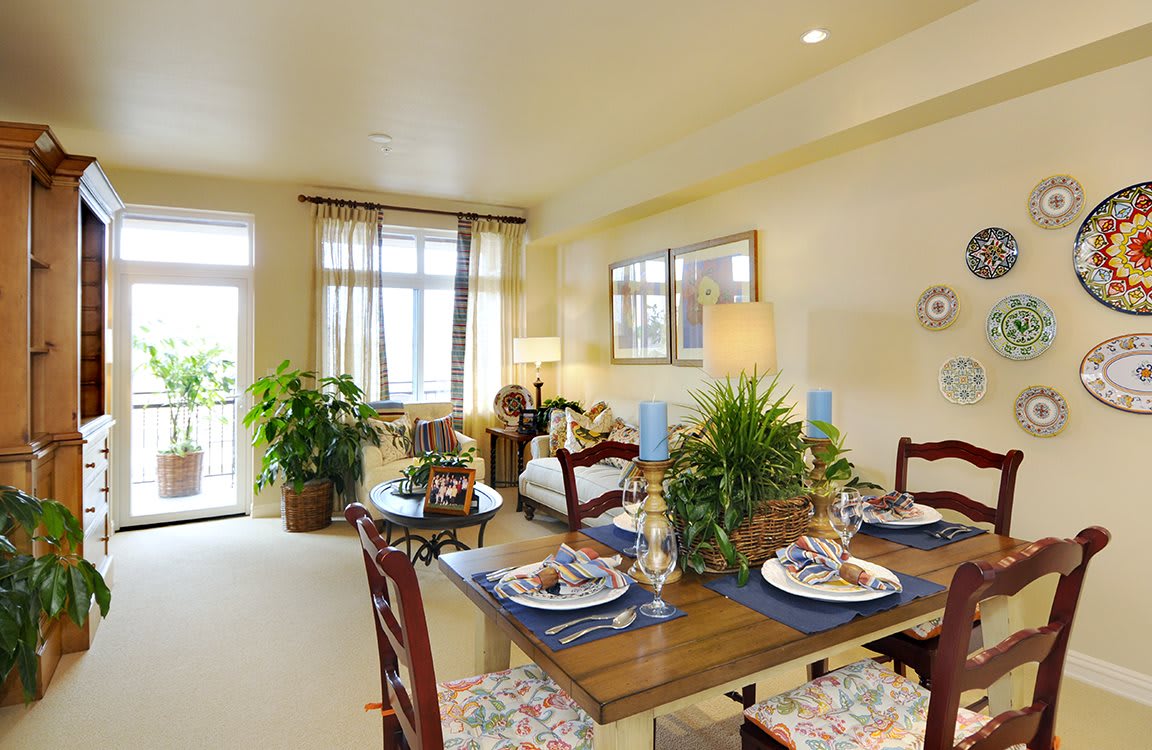
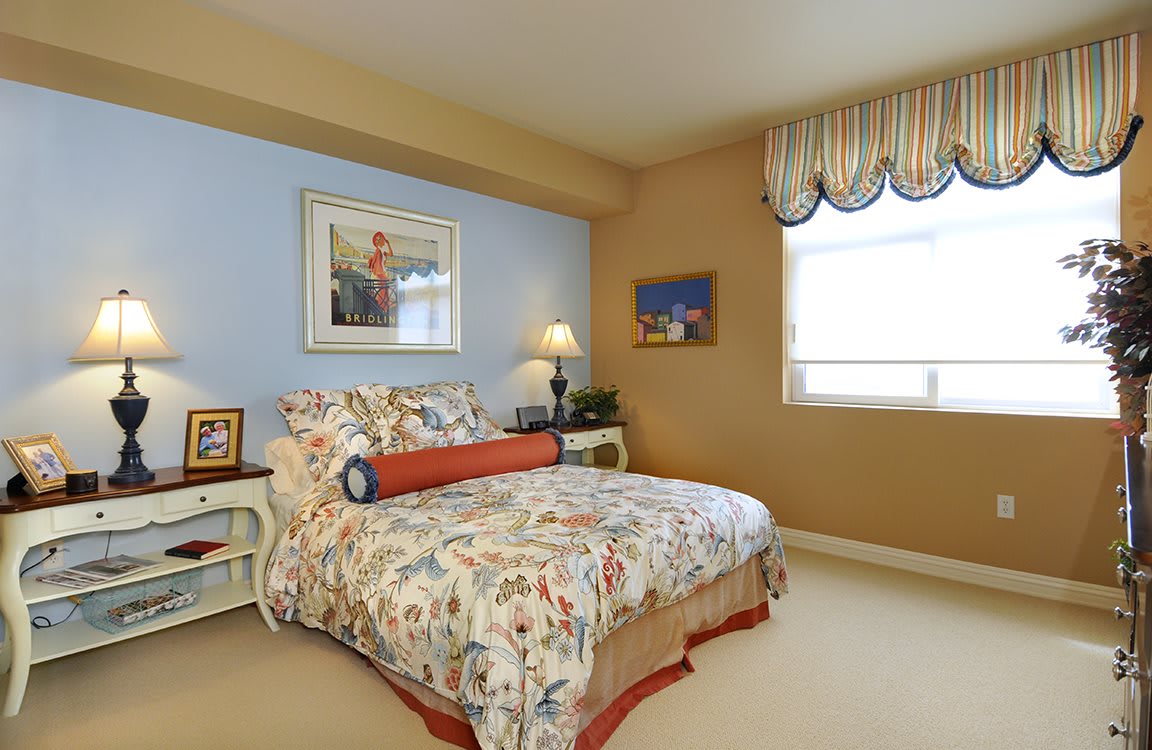
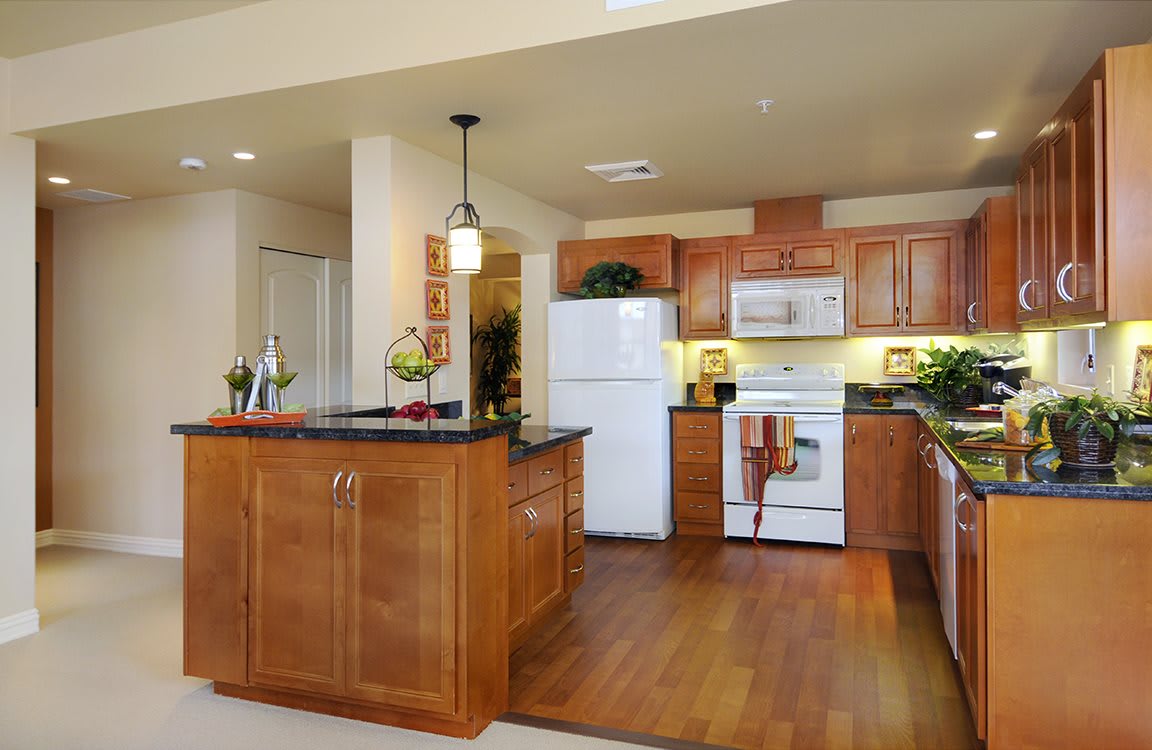
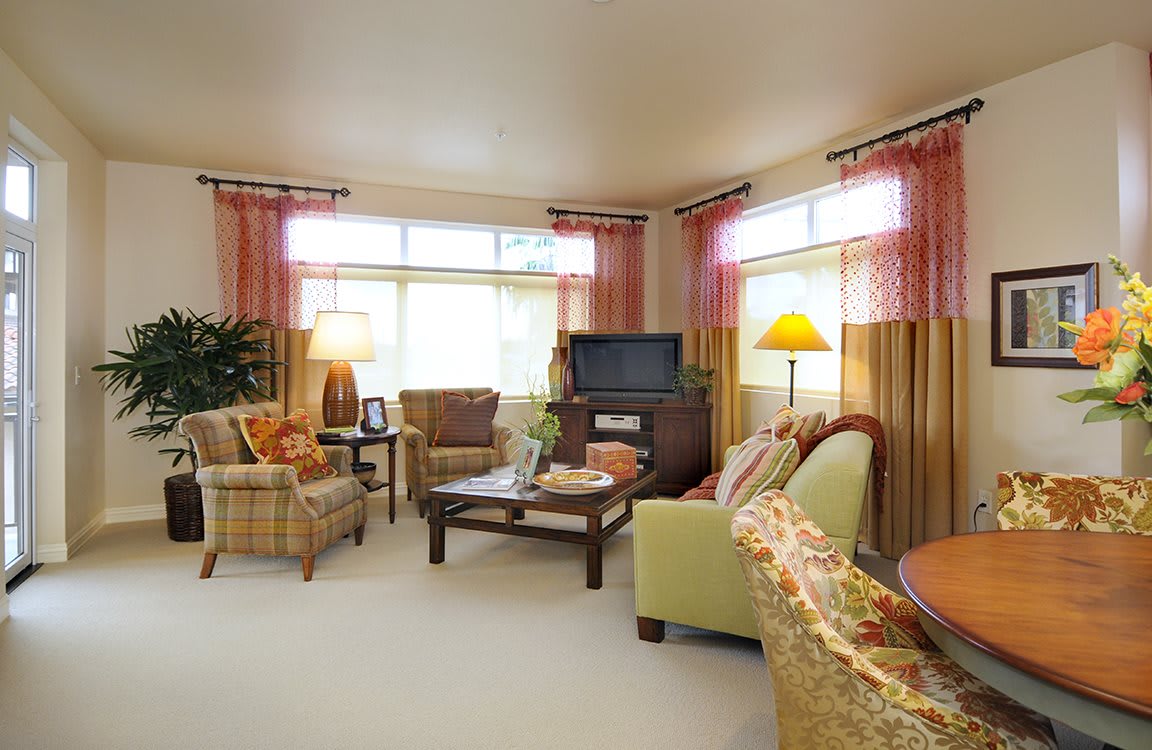
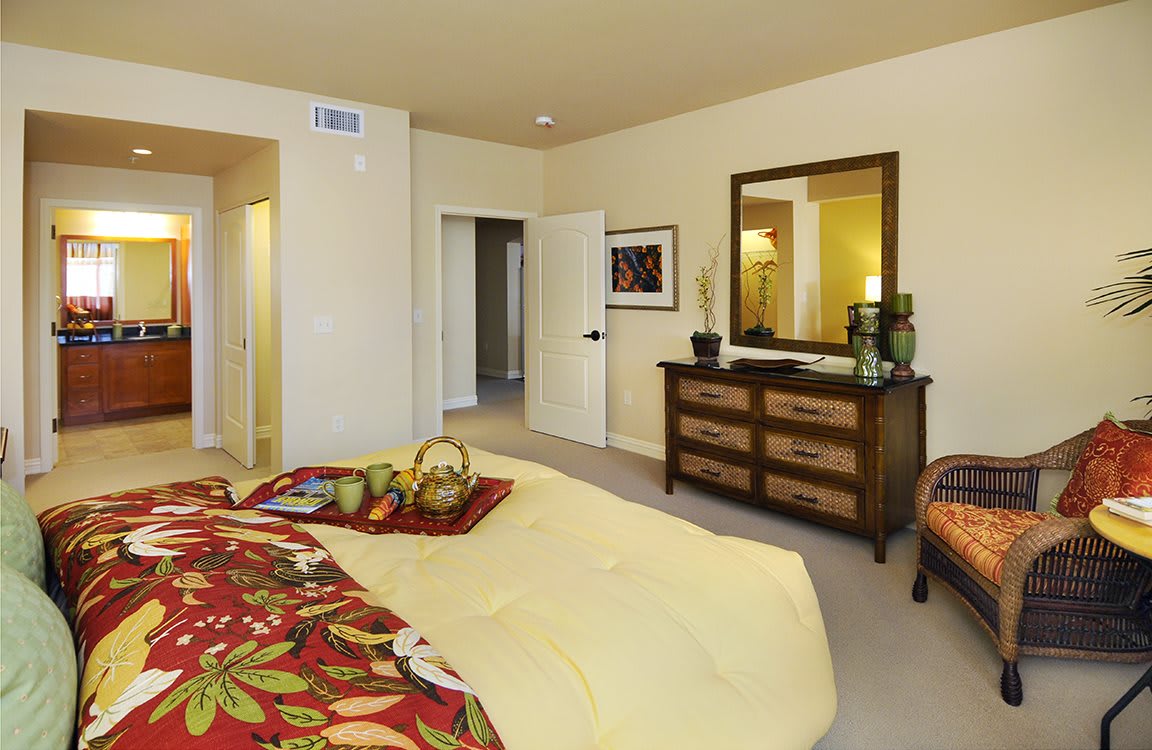
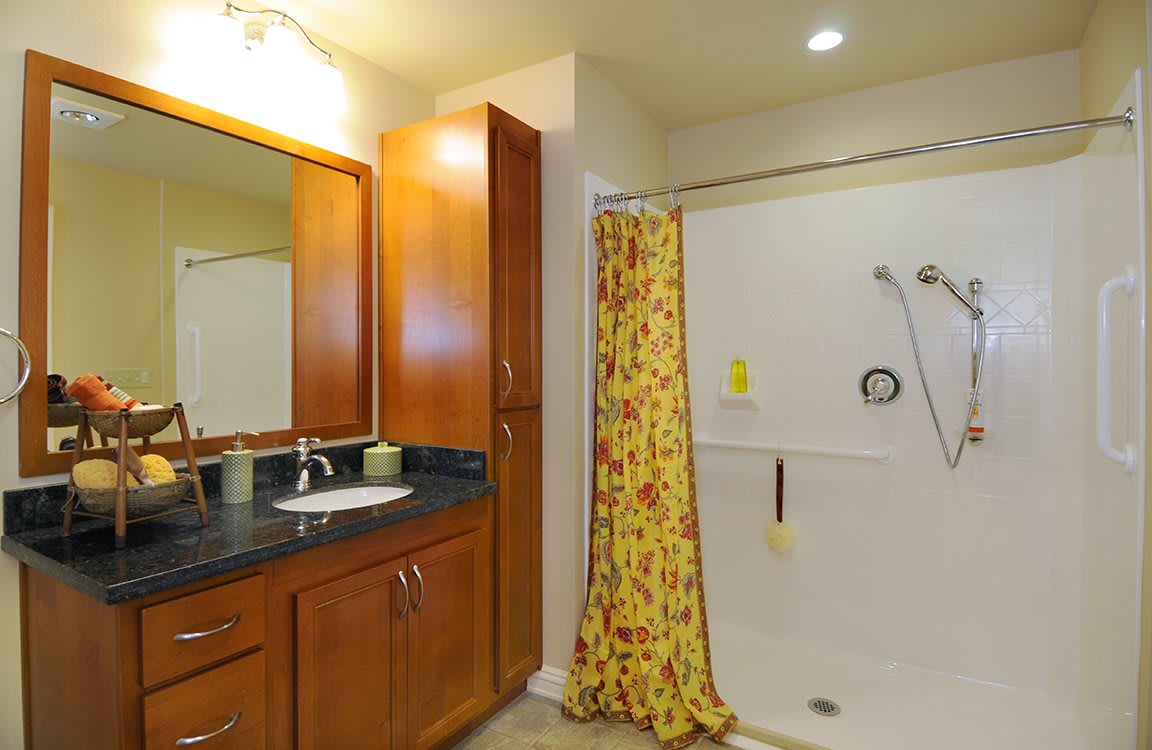
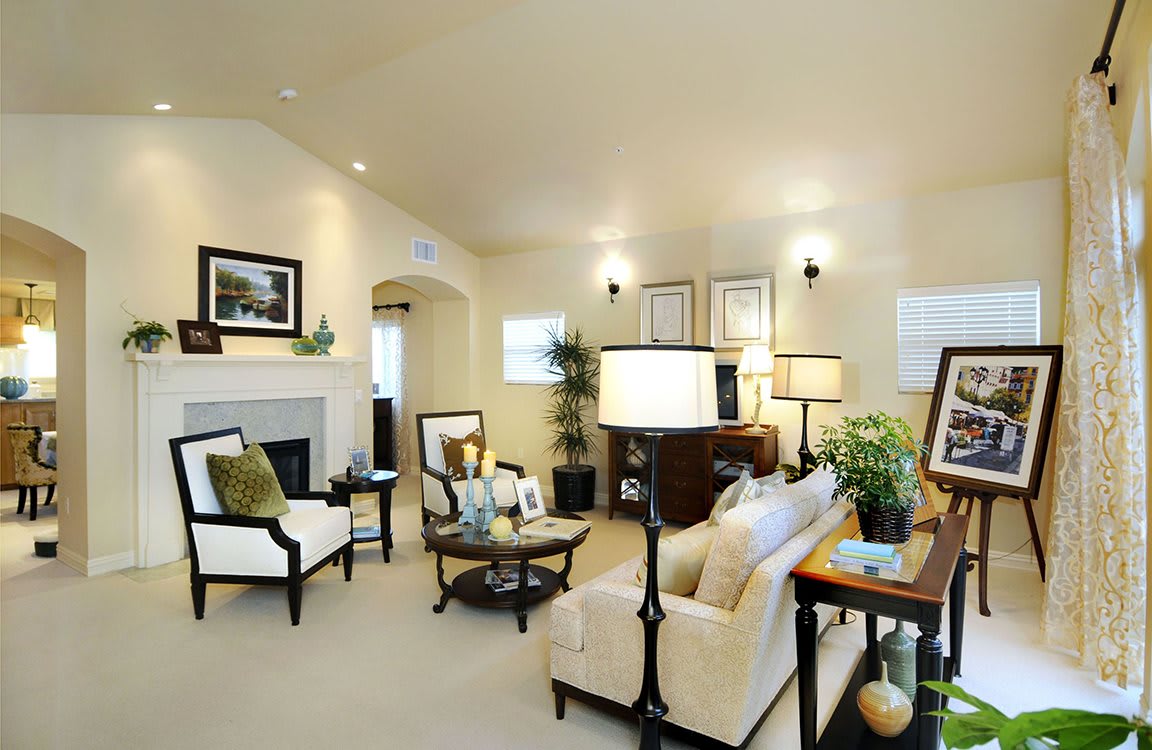
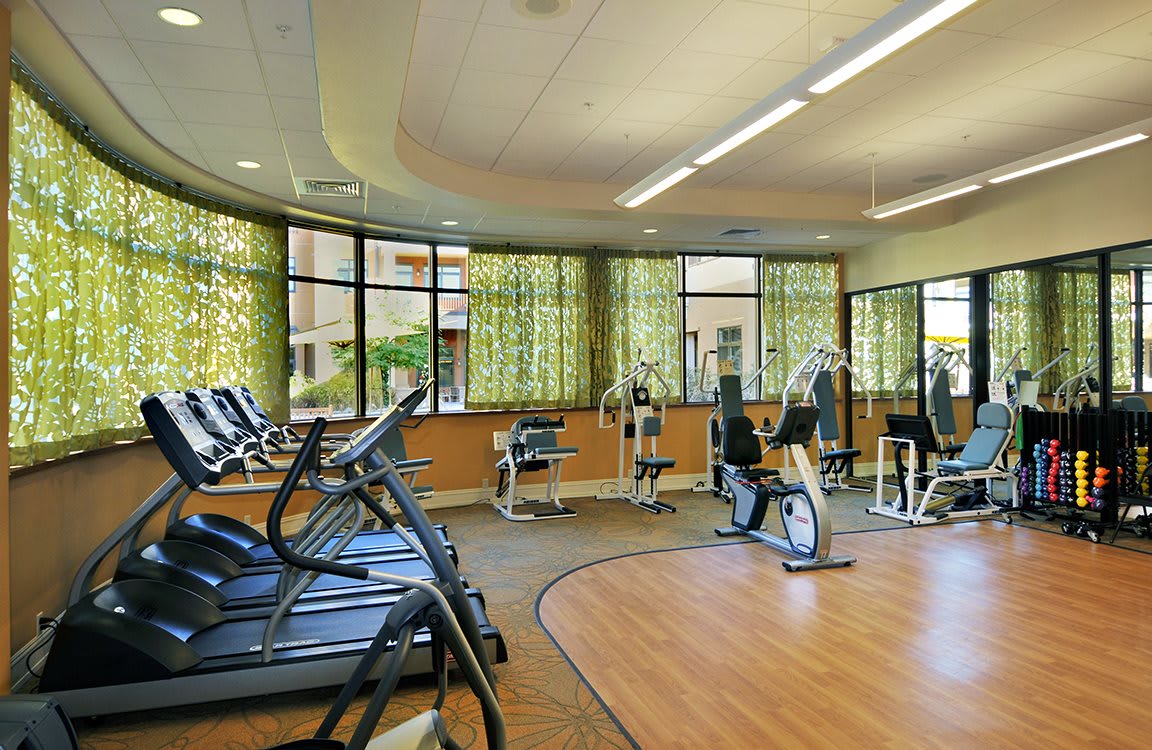
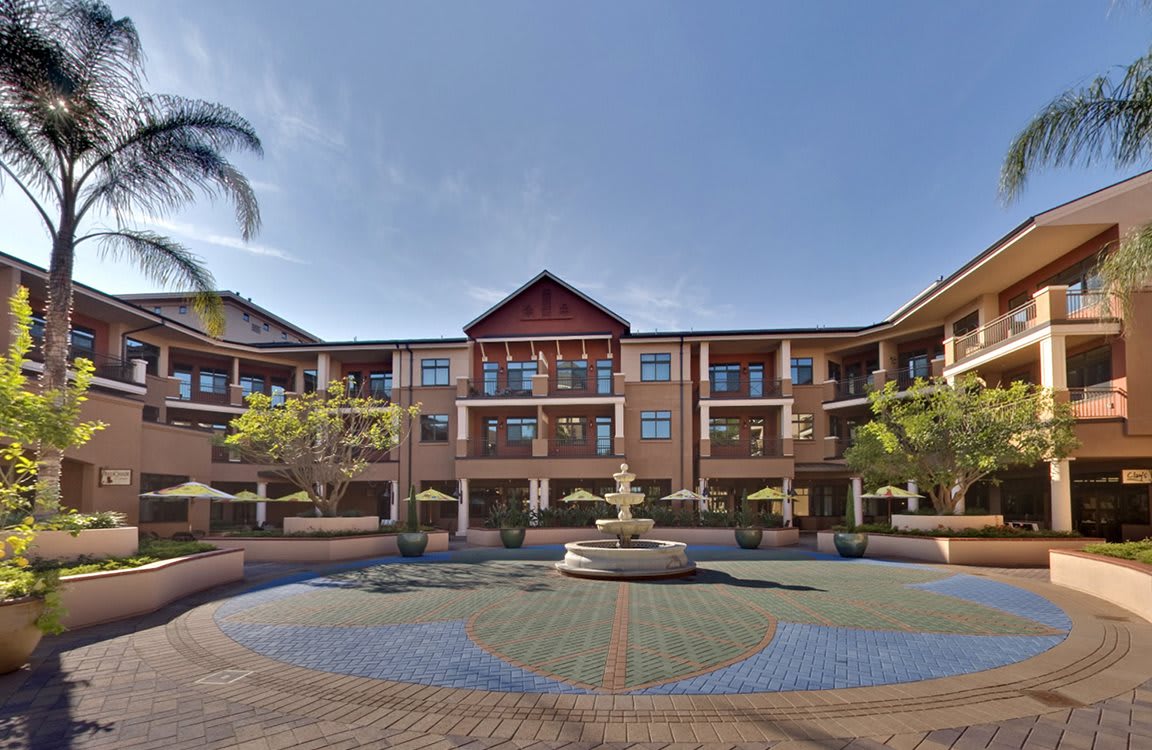
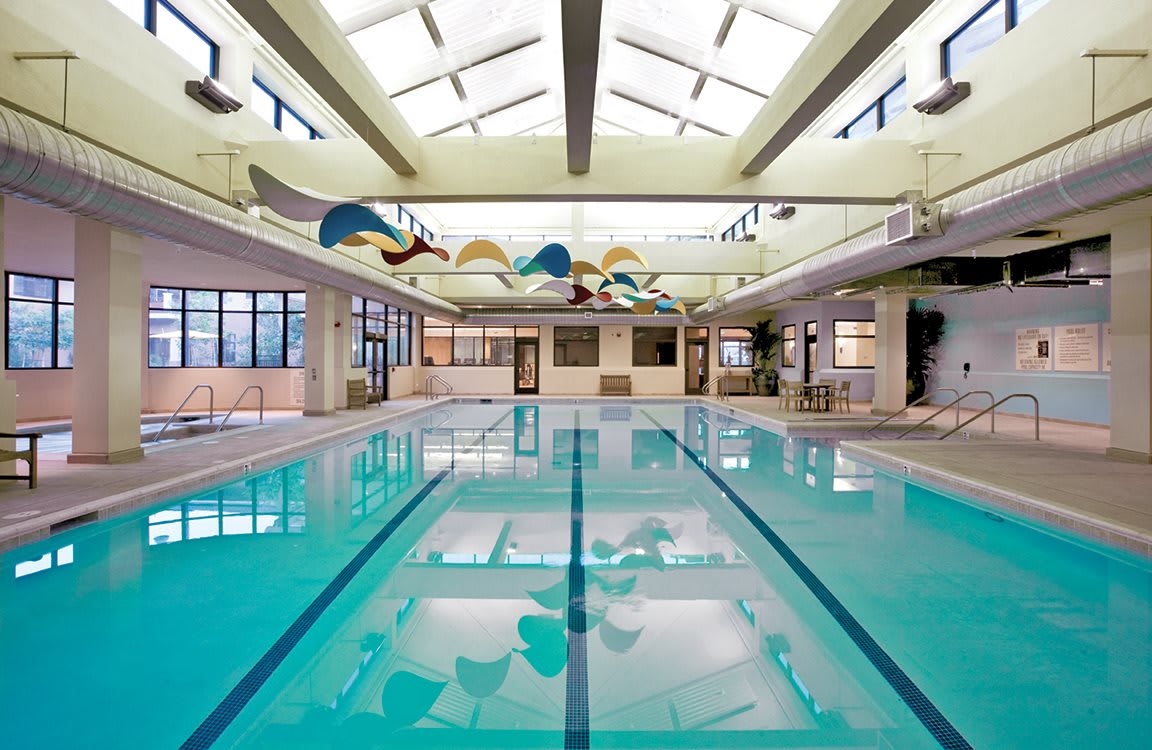
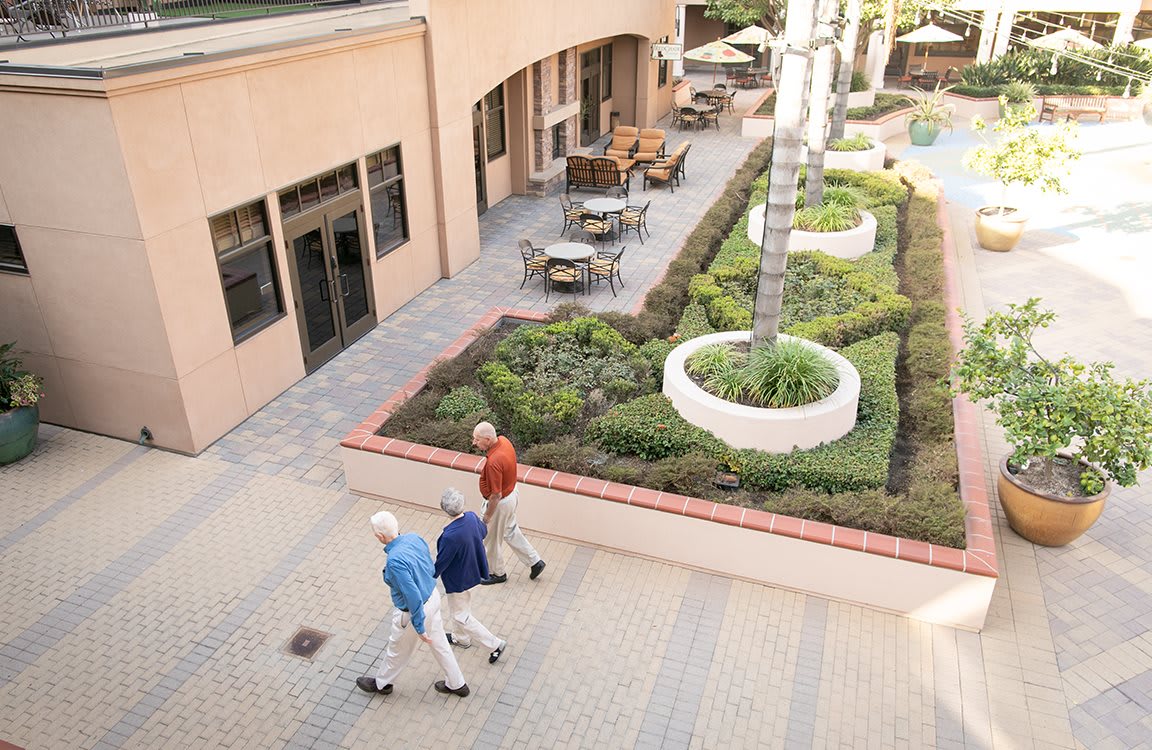
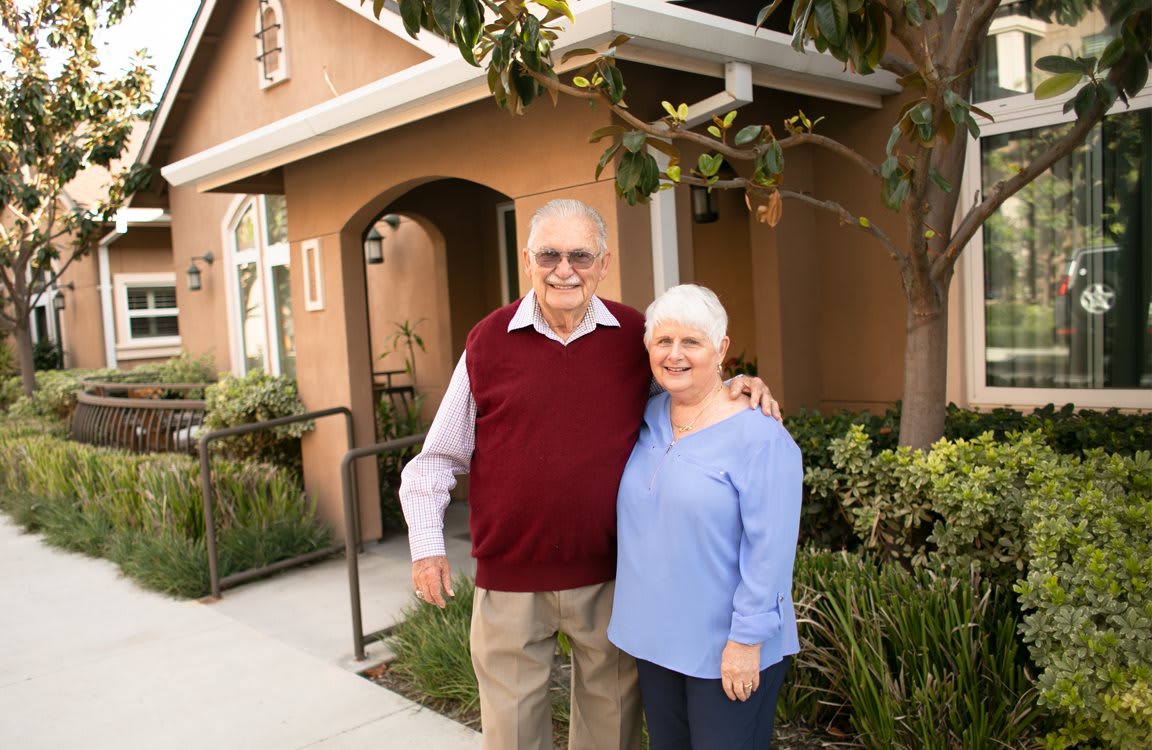
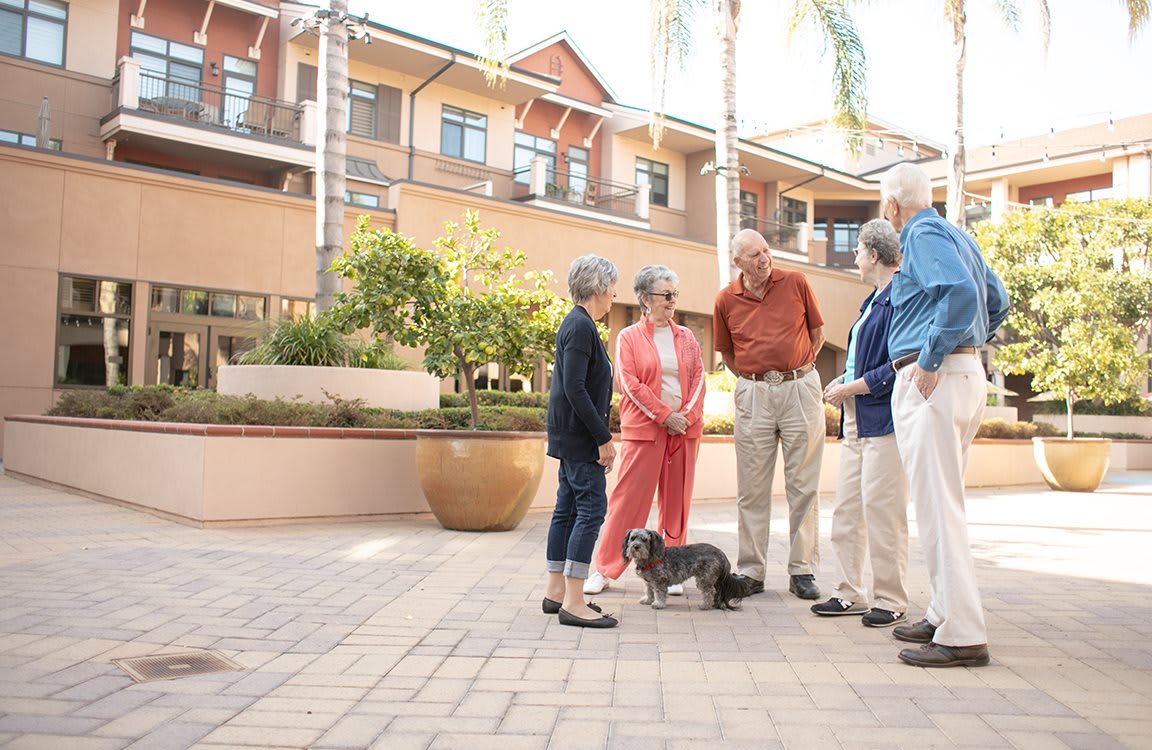
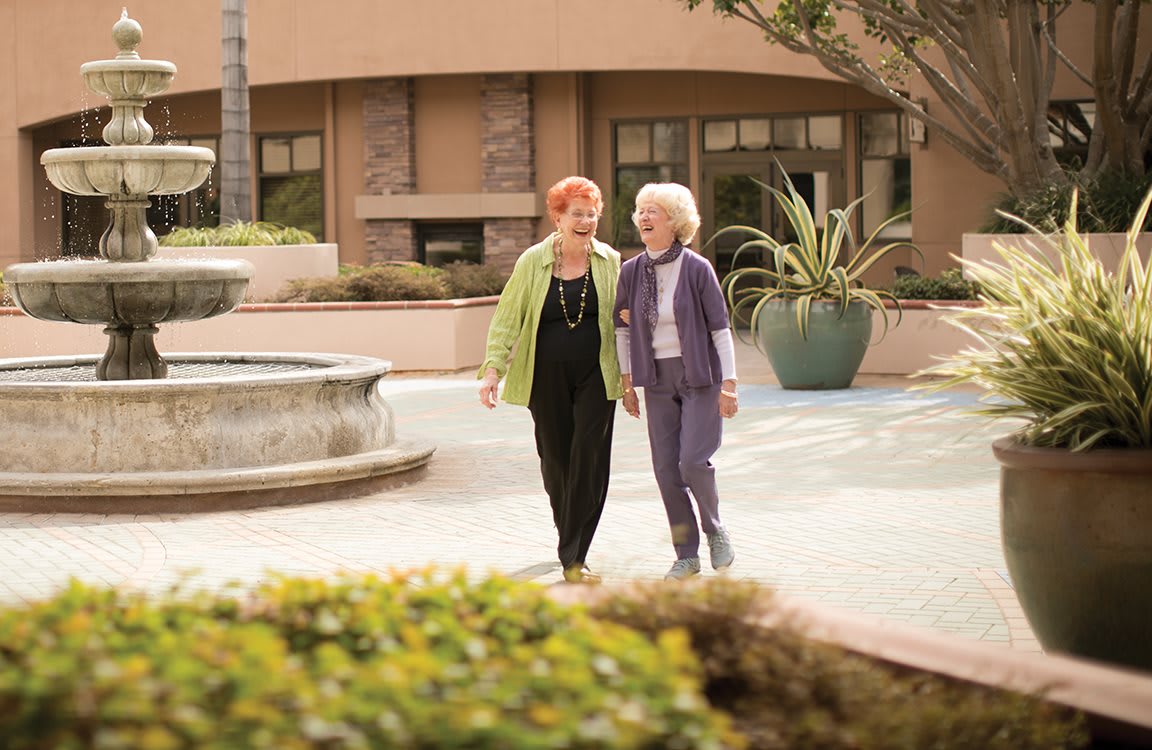
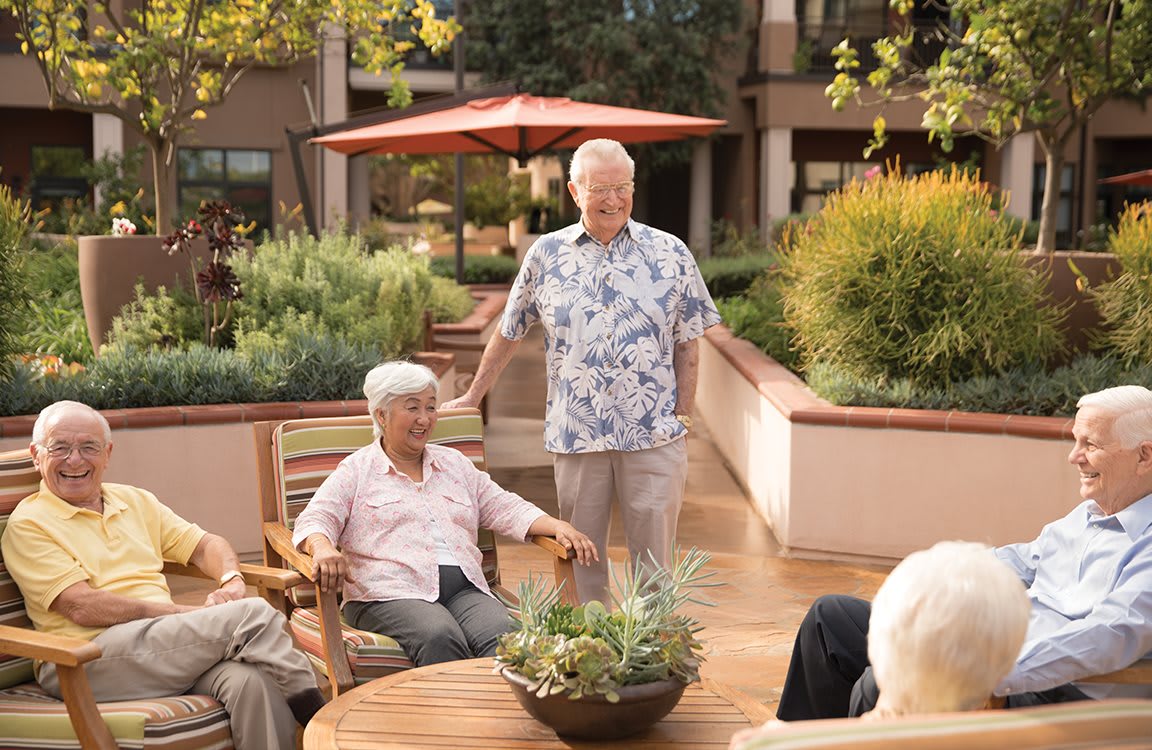
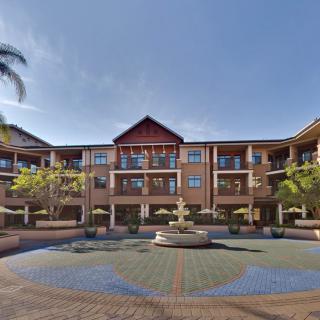
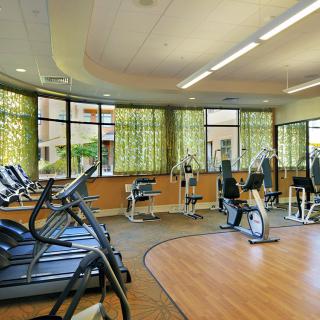
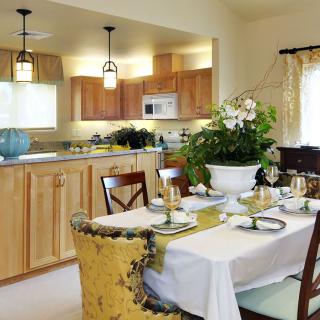
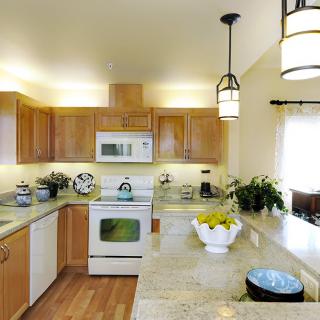
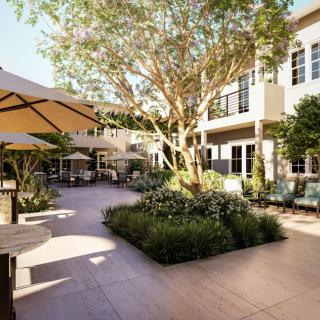
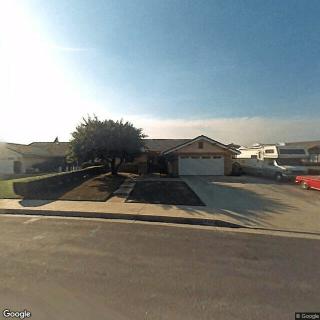
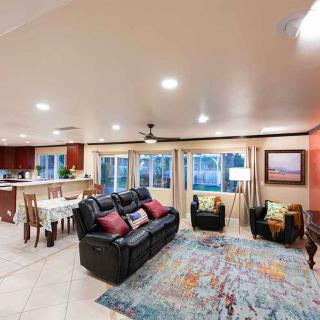
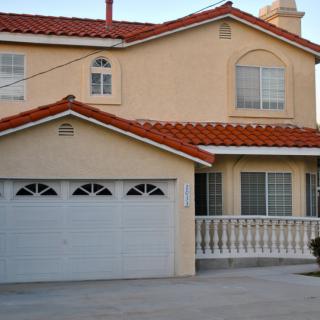
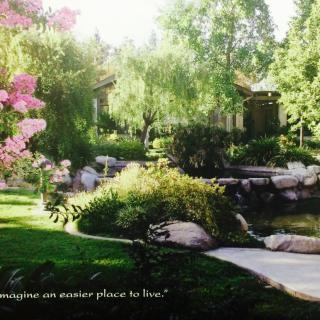
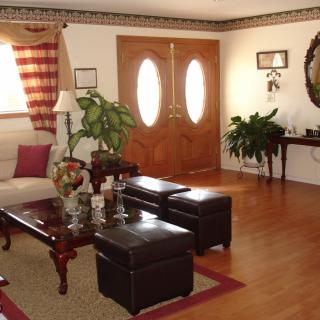
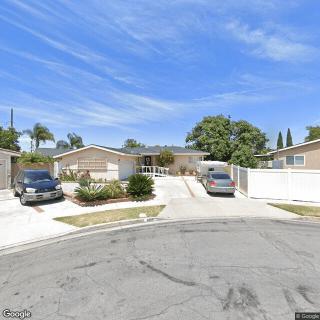
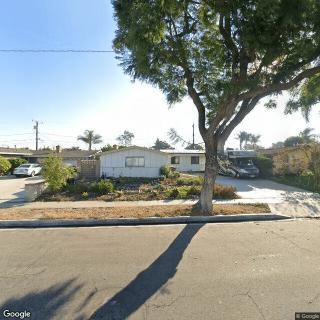
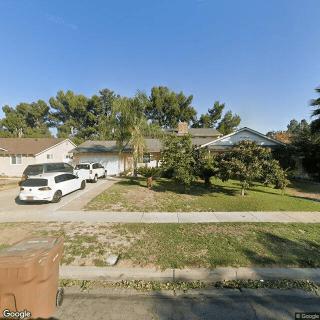
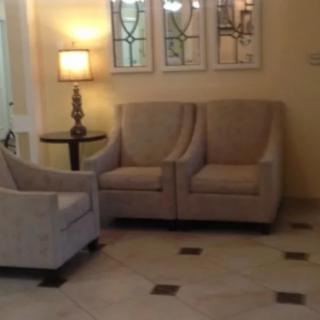
Walnut Village, a CCRC on seniors.fyi includes 34 photos including images showing interior, dining, decor, architecture, bedroom, swimming pool, outdoors, kitchen, and more.
Nearby Communities
Walnut Village Rehabilitation And Care Center
Anaheim, CA
4.6 from 5 reviews
Luxurious, well-maintained facility with extensive amenities and a varied activities program.
St. Jude Care Home
Anaheim, CA
5 from 2 reviews
Intimate 6-bed facility with comprehensive care and on-site amenities.
St. Sofia Manor
Anaheim, CA
3 from 1 review
$2,000 to $3,200 / month
Tiara Street residence is cleaner with well-groomed residents and is close to shopping.
Anaheim Villa Guest Home
Anaheim, CA
3.7 from 7 reviews
$2,500 to $4,000 / month
The Living Water Home
Anaheim, CA
$2,000 to $2,500 / month
Competitive pricing vs local averages.
Diamond Manor II
Anaheim, CA
4.5 from 2 reviews
$2,500 to $4,000 / month
Clean, homelike setting with personal, family-run care.
Harbor Villa Care Center
Anaheim, CA
3.4 from 57 reviews
COVID-free environment with appealing meals and some staff committed to care.
Coventry Court Health Center
Anaheim, CA
4.2 from 114 reviews
High-quality care with compassionate staff, a clean, hotel-like environment, and robust amenities.
Rancho Fullerton Mobile Ests
Fullerton, CA
3.9 from 97 reviews
Excellent access to nearby amenities (cafes, parks, pharmacies, restaurants, theater, worship) for an active lifestyle.
The guide on holistic dementia care outlines the complexity of dementia and stresses the need for individualized caregiver strategies that include medical treatment, psychological support, and environmental adaptations, while emphasizing early detection, various therapeutic options, and caregiver support to enhance quality of life and maintain dignity.
"Memory Care Pathways: A Holistic Guide to Dementia Support" outlines the complexities of dementia and its various types, emphasizing early detection, patient-centered care strategies, caregiver support, and long-term care options while addressing legal and financial considerations to enhance the quality of life for individuals with dementia and their families.
Sundown syndrome, or sundowning, is a phenomenon in dementia patients characterized by increased confusion and agitation during late afternoon and evening, influenced by factors like disrupted circadian rhythms and fatigue. Effective caregiver strategies include establishing routines and managing environmental light while addressing caregiver stress through support services.
Get PricingAsk A QuestionSchedule A TourContact Senior Advisor
By clicking submit, you agree to our Partner's Terms of Use. You
also consent to receive calls and texts, which may be autodialed, from our Partner. Your consent is not a condition to
using our Partner's service. Please visit our Partner's Privacy Policy for information about their privacy practices.











 Assisted Living
 Independent Living
 Memory Care
 Activities off-site
 Air-conditioning
 Bath tubs
 Beautician on-site
 Cable or satellite TV
 Devotional services off-site
 Full kitchen
 Ground floor units
 Handicap accessible
 Indoor common areas
 Outdoor common areas
 Private bathrooms
 Swimming pool / hot tub
 Wheelchair accessible showers
 Wi-Fi/high-speed internet available
 John Wayne Orange Co (11 miles away)
 Ambulatory care
 Diabetic care
 Incontinence care
 Medication management
 Anytime dining
 Art classes
 Day trips and outings
 Educational speakers / life long learning
 Happy hour
 Live musical performances
 Live well programs
 Visiting chaplain or priest
 Wine tasting
 Luxurious, well-maintained facility with extensive amenities and a varied activities program.

 A Holistic Dementia Care Guide: Effective Strategies for Memory Support
 Memory Care Pathways: A Holistic Guide to Dementia Support
 Comprehending Evening Confusion in Dementia: Causes, Manifestations, and Support