
1401 West Ball Road, Anaheim, CA 92802
For more information about senior living options: (866) 208-4318
Overall Review of Walnut Village Rehabilitation And Care Center
Pros
 Walnut Village presents a resort-like experience with amenities such as a swimming pool, an exercise room, and nightly entertainment.
- The facility is described as very plush.
- The staff are accommodating.
- Walnut Manor is nice and offers assisted living, rehab, and independent living, with good people and engaging activities.
- It is noted as the most medically oriented facility and hospital-like in focus.
- The Anaheim Walnut Village site features beautiful, large rooms that can accommodate visiting families.
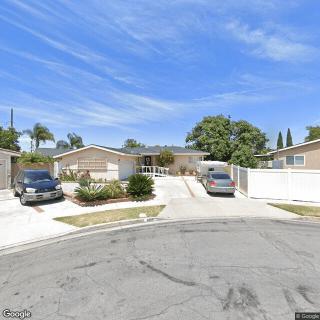
- The exterior is gorgeous and welcoming, with a clean interior, smiling staff, happy residents, and hotel-quality meals.
Cons
 The rooms were a little small.
- The staff were not exceptional, just average.
- There was a need for better follow-through care.
- The facility was very big and, to some degree, cumbersome.
- The rooms were fairly small.
- The reviewer’s mother could not go there because of her weight.
Review
Walnut Village Rehabilitation and Care Center in Anaheim is best suited for families seeking a polished, resort-like setting that blends assisted living with rehabilitation and a lively social calendar. The property presents like a hotel more than a traditional care campus: upscale common areas, a pool, an exercise room, and evening entertainment create an environment where residents can socialize, stay active, and feel pampered. For families prioritizing ambiance, safety, and structured activities, this community delivers. It is less ideal for those who want a small, intimate atmosphere with intensely individualized attention or for residents who need minimal medical oversight and a more clinical, homey feel.
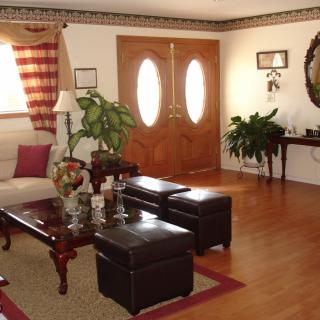
The strongest draws are the facility’s contemporary, well-kept physical plant and the breadth of amenities. The grounds and entrances look welcoming and well maintained, with a clean, hotel-like impression that extends into the resident rooms, which are described as nicely furnished and adequately spacious. A visible emphasis on safety and proactivity is evident in the daily presence of a doctor and a favorable nurse-to-resident ratio, which provides reassurance to families when medical needs arise. The dining experiences, often presented as appealing and served warm, reinforce the sense of a high-quality, resort-like experience. This mix of environment and medical touchpoints positions Walnut Village as a practical choice for rehab-conscious seniors who still want social engagement.
On the downside, several reviewers note that care staff, while capable and accommodating, does not consistently rise to an exceptional level of service. The promise of attentive follow-through care sometimes falls short, particularly for residents whose needs fluctuate or require highly individualized planning. Room sizes come up in several observations as a potential drawback: some descriptions describe rooms as small, which can matter for families visiting or for residents who accumulate personal belongings or require additional equipment. The campus’s scale, large and multifaceted, can feel cumbersome and less intimate, which may hamper the sense of truly personalized care for some residents who prize a quieter, more homelike setting.
That tension between an upscale, hospital-aware framework and truly tailored, day-to-day attention informs who should consider alternatives. For families prioritizing a highly personalized care plan with meticulous discharge coordination and a homier, smaller-feel environment, Walnut Village may not fully meet expectations. The facility’s strengths, safety, medical oversight, and hotel-like amenities, can offset the less-than-seamless follow-through for many, but not all residents will experience those benefits equally. Alternatives that emphasize intimate staffing, stronger one-on-one engagement, or a more independent living focus could better suit individuals who crave simplicity, less formality, or a tighter resident-to-staff dynamic.
For decision-making, approach Walnut Village as a strong option when the primary goals are social vitality, upscale surroundings, and reliable daily medical checks. Prospective families should verify room sizes and layout during tours, observe how staff interact with residents in real time, and probe the depth of discharge planning and post-acute support. It is wise to request a clear picture of who coordinates rehabilitation transitions, how activity programming is tailored to varying abilities, and what happens when a resident’s needs outgrow the current setting. If those checks align with expectations, Walnut Village stands out as a capable, well-rounded choice in Anaheim.
In the end, Walnut Village balances appeal and practicality with enough medical scaffolding to satisfy rehab-oriented care while offering a resort-like atmosphere that keeps residents engaged. It is a compelling pick for families who prize a vibrant social scene, strong safety protocols, and daily medical oversight in a refined setting. Yet for those who demand a more intimate, hyper-attentive, or space-efficient environment, or for residents who plan to minimize medical touchpoints, it is prudent to explore alternatives alongside Walnut Village to ensure the chosen community aligns with the precise pace, tone, and level of personal attention desired.
 99 resident community capacity
 Continuing Care Retirement Community (CCRC)
 Skilled Nursing Facility
 Air-conditioning
 Beauty salon
 Cable or satellite TV
 Computer center
 Dining room
 Fitness room
 Fully furnished
 Gaming room
 Garden
 Housekeeping services
 Kitchenette
 Move-in coordination
 Outdoor space
 Private bathrooms
 Restaurant-style dining
 Small library
 Telephone
 Wellness center
 Wi-Fi/high-speed internet available
 John Wayne Orange Co (10 miles away)
 Community operated transportation
 12-16 hour nursing
 24-hour call system
 Activities of daily living assistance
 Assistance with bathing
 Assistance with dressing
 Assistance with transfers
 Diabetes diet
 Medication management
 Mental wellness program
 Special dietary restrictions
 Concierge services
 Planned day trips





 Weight Training for Seniors: Building Strength and Vitality
 Understanding the Sandwich Generation: Stress and Responsibilities for Multigenerational Caregivers
 8 Essential Assistive Devices for Older Adults