Residents and families frequently describe the staff as kind and attentive.
Many reviews highlight staff members as friendly, professional, and caring, with residents and families saying they feel supported day to day. Several comments also mention good communication—staff explaining what’s happening and keeping families updated on progress. A smaller group of reviews describe delays and unmet expectations, including slow response when help is needed.
differentiator
Rehab therapy helps recovery
Physical and occupational therapy comes through clearly in reviews for post-acute recovery.
A recurring theme is progress with therapy, especially for people recovering from surgery or injury. Reviews repeatedly mention physical therapy and occupational therapy as thorough, encouraging, and effective, with some residents describing plans that helped them move toward discharge. A few reviews mention therapy teams more positively than other parts of care, which shows therapy is a standout in residents’ day-to-day experience.
common
Cleanliness and infection control
Multiple reviews emphasize cleanliness and a well-kept environment.
Many reviews describe the facility as clean, well maintained, and free of unpleasant odors, with attention to regular room and common-area cleaning. Some residents specifically mention sanitized rooms, regular cleaning schedules, and feeling safe because of infection-control practices. Others report the opposite—describing crowding, noise, and cleanliness issues—so experiences are not fully consistent across reviews.
caveat
Food quality varies by reviewer
Dining satisfaction is mixed, with some calling food poor while others praise it.
Some reviewers say the meals are good, describing restaurant-style quality or that the food was tasty and catered to needs. Others report food problems, including plain and low-flavor meals, poor taste, and situations where they felt residents weren’t eating well or getting appropriate dietary care. The dining reviews also align with what’s offered for medical diets like diabetes diet and special dietary restrictions.
caveat
Nursing support and follow-through
Several reviews mention problems with timing, follow-up, or care execution.
While many reviews praise nurses and daily assistance, other comments raise concerns about getting help promptly and receiving the care that was expected. Some reviews describe missed or delayed help, including slow response times, and others mention medication or follow-up issues. These complaints stand in contrast to reviews that describe medication management and care as organized and on time.
How we summarize
We summarize when many written reviews mention each theme; a review can touch several themes, and only frequently mentioned themes are displayed.
Features
Housing
97 resident community capacity
Types of Care
Skilled Nursing Facility
Amenities
Air-conditioning
Beauty salon
Cable or satellite TV
Computer center
Dining room
Fitness room
Fully furnished
Gaming room
Garden
Housekeeping services
Kitchenette
Move-in coordination
Outdoor space
Private bathrooms
Restaurant-style dining
Small library
Telephone
Wellness center
Wi-Fi/high-speed internet available
Transportation
John Wayne Orange Co (9 miles away)
Long Beach (Daugherty) (12 miles away)
Community operated transportation
Transportation arrangement
Transportation arrangement (non-medical)
Transportation to doctors appointments
Care Services
12-16 hour nursing
24-hour call system
24-hour supervision
Activities of daily living assistance
Assistance with bathing
Assistance with dressing
Assistance with transfers
Diabetes diet
Meal preparation and service
Medication management
Mental wellness program
Special dietary restrictions
Dining
Diabetes diet
Special dietary restrictions
Activities
Community-sponsored activities
Concierge services
Fitness programs
Planned day trips
Resident-run activities
Scheduled daily activities
Nearby Places of Interest
Pharmacies
Walgreens (0.6 miles)
CVS Pharmacy (1.3 miles)
CVS/pharmacy (1.5 miles)
Walgreens (1.5 miles)
Walgreens (1.8 miles)
Rite Aid (1.9 miles)
Walgreens (3 miles)
Parks
Faylane Park (0.8 miles)
Willow Park (1.7 miles)
Mile Square Regional Park (5.4 miles)
Steve Ambriz Memorial Park (5.7 miles)
Restaurants
Trader Sam's Enchanted Tiki Bar (1.1 miles)
Storytellers Cafe (1.3 miles)
Disney California Adventure Park (1.3 miles)
Ghirardelli Soda Fountain & Chocolate Shop (1.3 miles)
Smokejumpers Grill (1.4 miles)
Soarin' Around the World (1.4 miles)
Hungry Bear Restaurant (1.5 miles)
Transportation
Disneyland Monorail - Downtown Disney District Station (1.2 miles)
DLRR New Orleans Station (1.4 miles)
Drr Toontown Station (1.7 miles)
Disneyland Monorail (1.7 miles)
Drr Tomorrowland Station (1.8 miles)
Hertz Rent A Car (1.9 miles)
Artic (3.7 miles)
Cafes
Starbucks (1.3 miles)
La Brea Bakery Express (1.4 miles)
New Orleans Square (1.5 miles)
Hollywood Land (1.5 miles)
Jolly Holiday Bakery Cafe (1.6 miles)
Starbucks (2.8 miles)
Anaheim Packing District (2.9 miles)
Physicians
The 200 Building (2.8 miles)
Kaiser Permanente, Euclid & Romneya (3.7 miles)
Dostzada, Ghulam Dr - Los Alamitos Cardiovascular (5.7 miles)
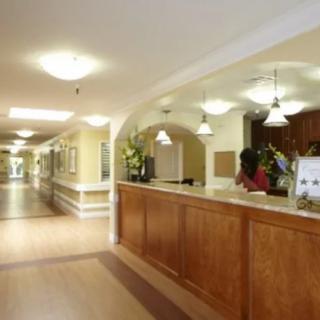
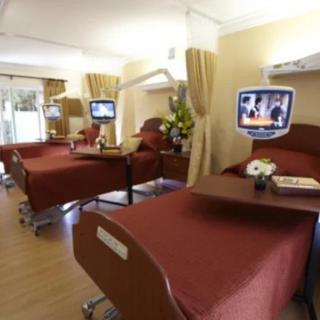
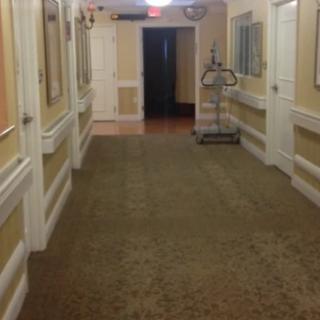
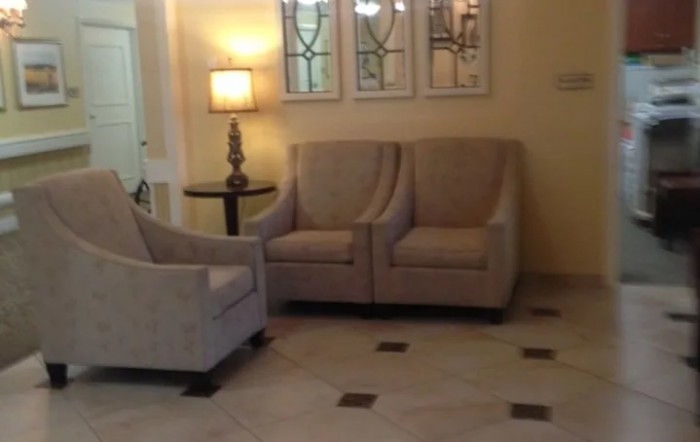
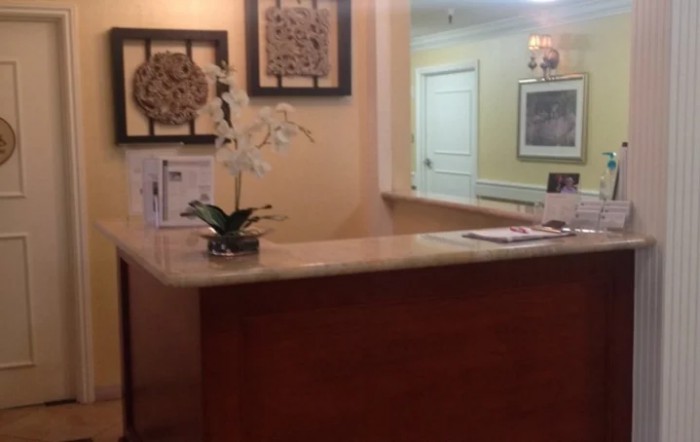
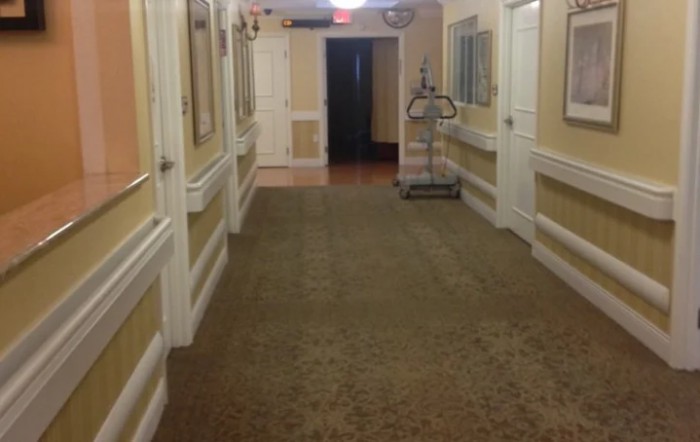
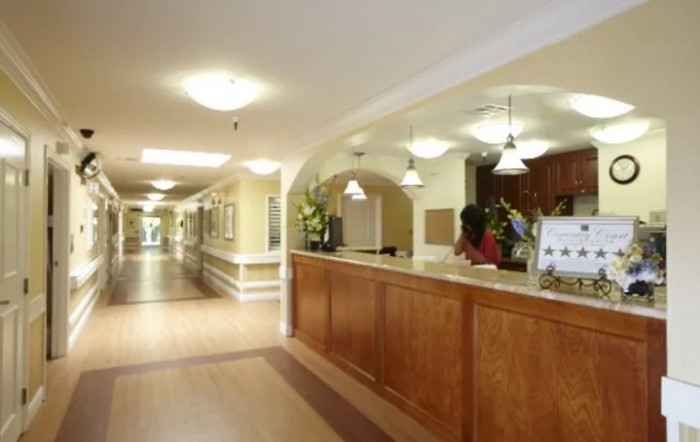
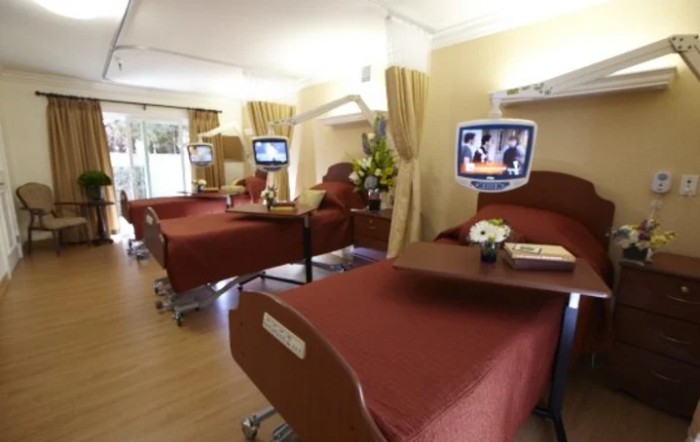
Coventry Court Health Center on seniors.fyi includes 5 photos including images showing interior, decor, reception, hallway, office, wall art, lobby, lighting, and more.
Nearby Communities
The Robin's Nest
Anaheim, CA
5 from 2 reviews
$4,500 / month
Warm, home-like environment with multiple lounge areas and veteran benefits assistance.
Orangewood Guest Home
Anaheim, CA
3.2 from 51 reviews
Intimate 6-resident board-and-care with 24/7 supervision, ADL help, medication management, and transport to appointments.
Rosewood Care Home
Garden Grove, CA
5 from 1 review
Fully furnished accommodations with meals, housekeeping, 24/7 supervision, medication management, and daily activities.
Parliament Guest Home
Garden Grove, CA
Comprehensive care (24-hour supervision, ADL assistance, diabetes-friendly meals, medication management) with medical transportation in an intimate 6-resident setting.
Sofia Home
Anaheim, CA
Intimate, home-like setting with personalized care.
Angel's Care Guest Home
Garden Grove, CA
5 from 16 reviews
$2,000 to $3,000 / month
Well-kept, clean facility with friendly, accommodating staff.
Walnut Village, a CCRC
Anaheim, CA
4.2 from 57 reviews
$4,790 to $9,755 / month
Beautiful campus with attentive staff, engaging activities, and strong community involvement.
Harbor Villa Care Center
Anaheim, CA
3.4 from 57 reviews
COVID-free environment with appealing meals and some staff committed to care.
Rowntree Gardens
Stanton, CA
4.6 from 159 reviews
$3,793 to $6,296 / month
Warm, caring staff and residents in a welcoming, faith-based community with excellent dining and pleasant gardens.
Adult day care programs offer essential support and activities for older adults, yet many hesitate to participate due to concerns about independence and stigma. To alleviate these apprehensions, families should facilitate open discussions, explore financial resources, suggest trial visits, and collaborate with healthcare providers to highlight the benefits of such services for both the participants and their caregivers.
Living wills and advance directives are crucial legal documents that outline an individual's healthcare preferences when they cannot make decisions themselves, enhancing patient autonomy and alleviating family stress during medical crises. The article emphasizes the need for these documents to be personalized, legally valid, and regularly updated, while also encouraging communication about end-of-life wishes among family members and healthcare providers.
The article examines living wills and advance directives, highlighting their significance in expressing healthcare preferences for those unable to communicate due to illness or incapacity. It discusses their historical development, legal components, limitations, practical drafting advice, and the importance of clear communication among families and healthcare professionals regarding end-of-life decisions.
Get PricingAsk A QuestionSchedule A TourContact Senior Advisor
By clicking submit, you agree to our Partner's Terms of Use. You
also consent to receive calls and texts, which may be autodialed, from our Partner. Your consent is not a condition to
using our Partner's service. Please visit our Partner's Privacy Policy for information about their privacy practices.



 97 resident community capacity
 Skilled Nursing Facility
 Air-conditioning
 Beauty salon
 Cable or satellite TV
 Computer center
 Dining room
 Fitness room
 Fully furnished
 Gaming room
 Garden
 Housekeeping services
 Kitchenette
 Move-in coordination
 Outdoor space
 Private bathrooms
 Restaurant-style dining
 Small library
 Telephone
 Wellness center
 Wi-Fi/high-speed internet available
 John Wayne Orange Co (9 miles away)
 Community operated transportation
 12-16 hour nursing
 24-hour call system
 Activities of daily living assistance
 Assistance with bathing
 Assistance with dressing
 Assistance with transfers
 Diabetes diet
 Medication management
 Mental wellness program
 Special dietary restrictions
 Concierge services
 Planned day trips
 Warm, home-like environment with multiple lounge areas and veteran benefits assistance.



 Encouraging Participation in Adult Day Care: A Guide to Supporting a Hesitant Parent
 Comprehensive Exploration of Living Wills and Other Advance Directives
 A Detailed Exploration of Living Wills and Advance Directives