
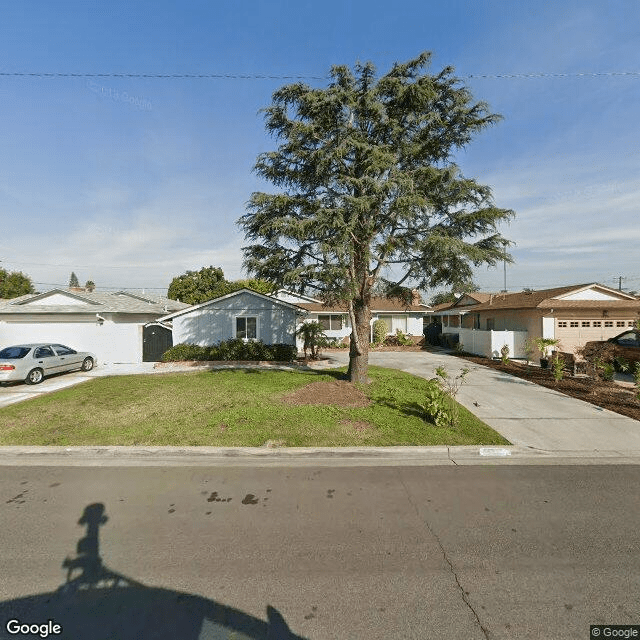
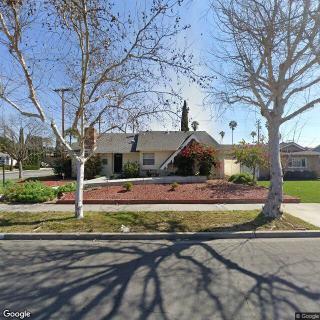
11431 Marin Way, Garden Grove, CA 92840
For more information about senior living options: (866) 208-4318
Angel's Care Guest Home Costs & Pricing
Angel's Care Guest Home offers competitive pricing for its accommodations compared to the broader market in Orange County and California. The monthly cost for a semi-private room at Angel's Care stands at $2,000, significantly lower than the county average of $3,431 and the state average of $3,333. For those seeking more privacy, the private room rate is set at $3,000, which again presents an attractive option relative to both the county's average of $4,104 and California's statewide average of $3,939. This pricing strategy not only provides excellent value but also underscores Angel's Care commitment to affordability while maintaining quality care in a supportive environment.
| Floor plans | Angel's Care Guest Home | Orange County | California |
|---|---|---|---|
| Semi-Private | $2,000 | $3,431 | $3,333 |
| Private | $3,000 | $4,104 | $3,939 |
Assisted Living communities with a similar price nearby
-
from -$200 / mo
Paradise Residential Senior Care 2
$1,800 / month18.8 miles away -
from -$200 / mo
Paradise Residential Senior Care 3
$1,800 to $2,800 / month19.4 miles away -
from -$200 / mo
Palms Retirement Center
$1,800 to $3,495 / month5.5 miles away -
About the same

Lakewood Park Manor
$2,000 to $3,200 / month14.6 miles away -
from -$200 / mo
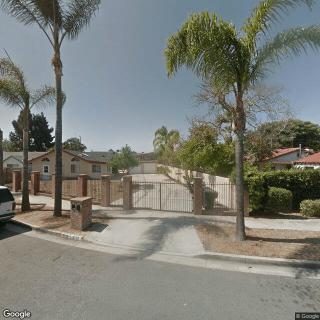
3Jean's Home Care
$1,800 to $2,200 / month2.9 miles away
Overall Review of Angel's Care Guest Home
Pros
 The caregivers were compassionate, caring, and gentle with the grandmother’s concerns.
- The VA team provided amazing care, helping the grandpa maintain his dignity until the end.
- The staff were attentive, sincere, and committed to making a difference in the lives of those they served.
- The services felt lifesaving, making a painful journey seem possible.
- Shaun and the Visiting Angels team were amazing, attentive, and went the extra mile.
- The team set up care quickly, even with very short notice.
- Raeana (Rae Ana) was helpful, attentive, and hardworking.
- The organization kept clients updated and demonstrated remarkable professionalism.
Cons
 They had to arrange 24/7 post-op home care with very little notice, which caused stress for the family.
- The patient complained there wasn’t much to do in the way of activities.
Review
Angel's Care Guest Home in Garden Grove is best suited for families seeking an intimate, home-like senior care experience where care is intensely personalized and readily mobilized. It shines for residents who need hands-on support with daily living, post-operative recovery, and dementia-related care while staying in a setting that prioritizes dignity, comfort, and a sense of belonging. This community model is also a strong match for families who want swift start times and a high-touch approach, where solutions are crafted around the individual rather than forced into a rigid program.
Those weighing alternatives should consider what they want beyond personalized attention. If the priority is a larger assisted living campus with extensive social programming, spa-like amenities, and on-site medical clinics, Angel's Care might feel too small or lacking in formal, activity-driven offerings. For residents with complex medical needs requiring constant, on-site nursing oversight and a more structured, campus-style environment, a traditional facility with broader clinical support could be a better fit. Families who place a premium on a highly social, calendar-driven atmosphere should recognize that the home-based model here emphasizes one-on-one caregiving and flexibility over built-in group activities.
The strongest positives center on human connection and practical competence. Care teams are consistently described as compassionate, patient, and attentive, with the ability to handle post-op care, medication cues, oxygen needs, light housekeeping, and meal preparation. The feedback highlights a personal service ethic: caregivers remember the person, respect dignity, and respond with genuine care, even as independence is gently supported. Families repeatedly note the staff’s reliability and willingness to go the extra mile, backed by an office that communicates updates and coordinates plans with sensitivity. Rapid mobilization is a real asset, with multiple accounts of care being organized within hours when needs arise.
The main drawbacks come with the trade-off of a smaller, home-based setup. Activity programming tends to be lighter than what a larger campus offers, and one review specifically noted limited engagement options beyond individualized care. For families seeking robust social calendars, group outings, or on-site enrichment designed to promote socialization, Angel's Care may fall short relative to bigger communities. While this is not presented as a failure of care, it is a meaningful consideration for those prioritizing daily, structured activities and broad peer interaction.
Yet the strong personal service model more than offsets these limitations for many families. The ability to tailor a care plan to the person, rather than slotting them into a generic template, reduces stress and delivers clarity for families navigating complexity, especially when a loved one is dealing with memory loss or recovering from surgery. The reputation for clear communication and steady caregiver matches builds trust and lowers the anxiety that often accompanies transitions into caregiving roles. When issues arise, the team’s demonstrated flexibility and problem-solving, coupled with clean, well-kept living spaces, helps families feel that the decision was prudent and the loved one remains well cared for.
Practical decisions hinge on aligning priorities with the model. Prospective clients should verify caregiver-to-resident ratios, ask for concrete examples of care plans, and review who will oversee medical tasks and daily routines. Request references from families who relied on care for dementia or post-operative recovery to understand how transitions were managed over time. Clarify what “24/7” looks like in practice, including overnight coverage and on-call responsiveness, and confirm costs, what is included, and any potential add-ons. Finally, assess willingness to supplement the home-care setting with community-based activities or day programs if social engagement becomes a priority.
Overall, Angel's Care Guest Home represents a compelling choice for families prioritizing deeply personalized, compassionate in-home care with rapid start capability. It delivers meaningful value for post-op recuperation, dementia assistance, and ongoing support that honors a loved one's independence while ensuring safety and dignity. For families seeking a larger, activity-rich facility with extensive social programming and institutional-level medical oversight, alternatives should be considered. Yet for those who want a trusted, family-like partner in care, one that shows up with empathy, clarity, and a tailored plan, this Garden Grove option stands out as a prudent, principled match.
 6 resident community capacity
 Assisted Living
 Board and Care Home
 Respite Care
 Cable or satellite TV
 Dining room
 Fully furnished
 Garden
 Housekeeping services
 Move-in coordination
 Outdoor space
 Private
 Telephone
 Wi-Fi/high-speed internet available
 John Wayne Orange Co (9 miles away)
 24-hour supervision
 Activities of daily living assistance
 Assistance with bathing
 Assistance with dressing
 Assistance with transfers
 Diabetes diet
 Meal preparation and service
 Medication management
 Special dietary restrictions
 Transportation arrangement (medical)
 Transportation to doctors appointments




 Comprehensive Insights into Activities of Daily Living (ADLs) and Their Assessment
 Medicare Coverage for Assisted Living: An In-Depth Exploration
 Choosing the Right Senior Care: A Detailed Exploration of Assisted Living and Nursing Homes