
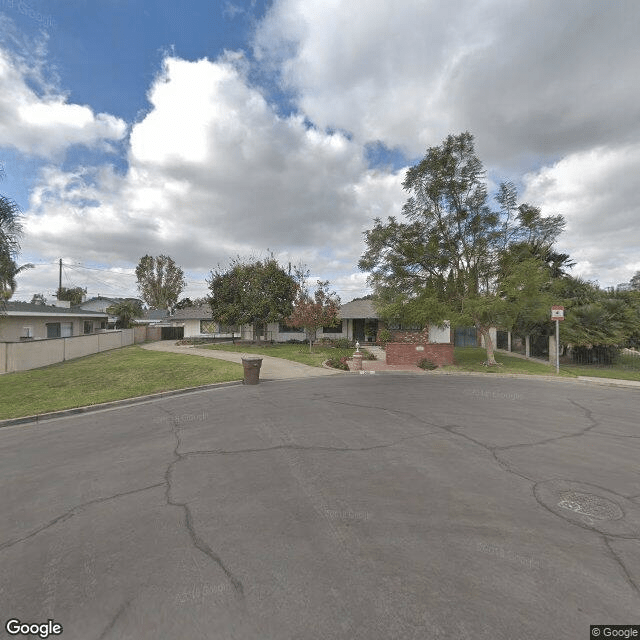
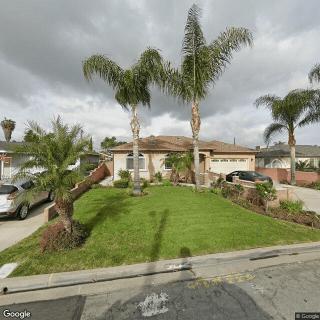
2051 South Della Lane, Anaheim, CA 92802
For more information about senior living options: (866) 208-4318
The Robin's Nest Costs & Pricing
At The Robin's Nest, the monthly cost for a private room is set at $4,500, which reflects a premium offering compared to the surrounding region. In Orange County, the average cost for similar accommodations is approximately $4,104, while across California, it stands slightly lower at around $3,939. This pricing not only positions The Robin's Nest above the local and state averages but also emphasizes its commitment to providing exceptional care and amenities that cater to the needs of its residents. While it may represent a higher investment, many find that the quality of service and lifestyle enhancements justify this expense.
| Floor plans | The Robin's Nest | Orange County | California |
|---|---|---|---|
| Private | $4,500 | $4,104 | $3,939 |
Assisted Living communities with a similar price nearby
-
from -$505 / mo

Cadence Brea
$3,995 to $5,500 / month8.6 miles away -
from -$500 / mo

Palomino Residential Care
$4,000 to $6,000 / month20.5 miles away -
About the same
Heritage Senior Home Care
$4,500 to $4,800 / month23.4 miles away -
About the same

Casa Bella
$4,500 / month6.8 miles away -
from -$500 / mo
Active Senior Home Care
$4,000 to $5,000 / month20.0 miles away
Overall Review of The Robin's Nest
Pros
 The team makes sure residents are treated like family.
- They are veteran-friendly and assist with benefits applications.
- They are a great group of people.
- The environment is home-like and warm.
- There are three lobby areas, in addition to a covered patio and courtyard to enjoy.
Review
The Robin’s Nest in Anaheim, CA is best suited for families seeking a small, home-like assisted living where residents are treated like family and veterans can access straightforward benefits support. It fits seniors who value intimate, conversational living over a sprawling campus, and who want help navigating benefits without battling bureaucracy. For those who prioritize a quiet, commmunity-centered atmosphere with easy access to staff, this setting offers a compelling match. It is not aimed at those chasing hospital-grade medical facilities, aggressive programming, or very large communities; instead, it centers on a lived-in feel, personal connection, and practical support within a modest, residential footprint.
What stands out is the warmth of the environment. The reviews describe a most home-like, warm atmosphere, with multiple gathering spaces, three lobby areas plus a covered patio and a courtyard, that encourage casual socializing and spontaneous activities rather than rigid scheduling. The design appears to nurture everyday conversation, familiar routines, and steady companionship, which can translate into less of a sense of “facility” and more of a welcoming home. In practice, that atmosphere can reduce the stress of transition and help residents settle in with less friction.
The staff profile is a core strength. Randy, Kit, and the team are highlighted for delivering care in a way that feels familial, reinforcing a culture where residents are known by name and treated with genuine care. The veteran-friendly stance and hands-on help with benefits are meaningful differentiators for families navigating VA programs or other supports. This combination of personal warmth and practical navigation can lower financial anxiety and improve access to benefits, making the daily experience not only more pleasant but also more financially manageable for eligible residents.
Nevertheless, this community may not be the right choice for every situation. Families seeking robust clinical oversight, memory-care specialization, or rehab-oriented programming should compare options with larger facilities that publish detailed medical staffing ratios and dementia-care protocols. The Robin’s Nest does not publicly disclose specifics about on-site medical services, care levels, or meal and activity calendars, which means potential residents should verify these elements directly. For elders with high medical acuity, complex care needs, or highly structured routines, alternatives with clearer medical offerings may be preferable.
Despite the potential gaps, the strengths align well with a particular resident profile. The intimate, home-like setting and the veteran-benefits assistance address two of the most common pain points for families: emotional comfort and financial navigation. When care decisions hinge on a sense of belonging and straightforward support with benefits, the positives can outweigh the lack of broad clinical disclosures. The limited number of reviews means caution is warranted, but the feedback available paints a cohesive picture of a welcoming place where staff go beyond the basics to foster a supportive micro-community.
For families weighing options, the prudent next step is a direct visit. Schedule a tour, and insist on conversations with frontline caregivers and leadership to gauge daily routines, staffing, and responsiveness. Request clarity on on-site medical capabilities, the process for benefits assistance, sample menus, and an activity calendar. Confirm whether dementia care or memory-support services are available if such needs may arise and ask for references. If the priority is a humane, veteran-centric, home-centered environment with accessible staff and a warm community, The Robin’s Nest warrants serious consideration; if those attributes are less important than formal medical oversight or expansive programming, explore alternatives that align more closely with those criteria.
 6 resident community capacity
 Assisted Living
 Board and Care Home
 Activities off-site
 Bath tubs
 Beautician on-site
 Cable or satellite TV
 Devotional services off-site
 Dining room
 Fully furnished
 Garden
 Housekeeping services
 Indoor common areas
 Move-in coordination
 Outdoor common areas
 Private
 Private bathrooms
 Respite or short term stays offered
 Swimming pool / hot tub
 Telephone
 Wheelchair accessible showers
 Wi-Fi/high-speed internet available
 John Wayne Orange Co (9 miles away)
 24-hour supervision
 Ambulatory care
 Assistance with bathing
 Assistance with dressing
 Assistance with transfers
 Diabetes diet
 Incontinence care
 Meal preparation and service
 Medication management
 Special dietary restrictions
 Transportation arrangement (medical)
 Transportation to doctors appointments




 Senior Transition Services: Understanding Their Role, Cost, and Importance
 Exploring the Path to Senior Living: A Comprehensive Look at Independent Living and Assisted Living
 Is Assisted Living Deductible on Your Taxes? Understanding the Complexities of Assisted Living Expenses and Deductions