
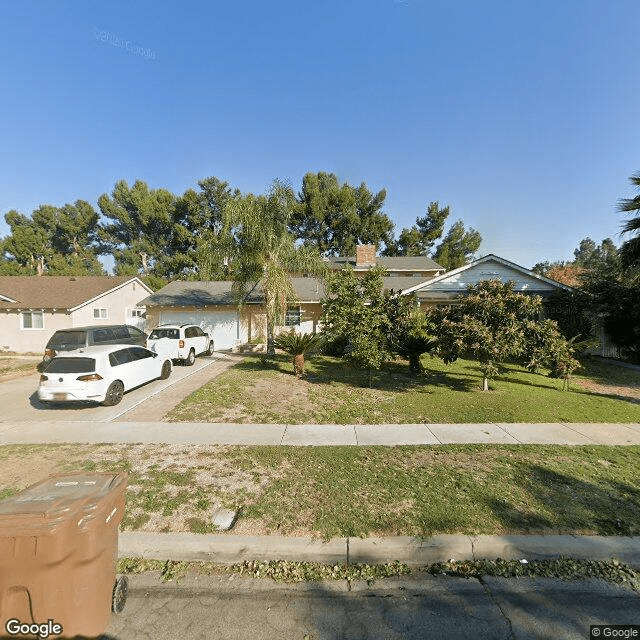
1631 West Tedmar Avenue, Anaheim, CA 92802
For more information about senior living options: (866) 208-4318
Diamond Manor II Costs & Pricing
At Diamond Manor II, the monthly costs for room accommodations present a competitive value when compared to both Orange County and state averages in California. For semi-private rooms, residents enjoy a monthly rate of $2,500, significantly lower than the regional average of $3,431 and the statewide average of $3,333. For those seeking more privacy, the private room option is priced at $4,000 per month, which is slightly below the county's average of $4,104 and quite close to California's average of $3,939. This positioning underscores Diamond Manor II's commitment to providing affordable housing options without compromising on quality or care.
| Floor plans | Diamond Manor II | Orange County | California |
|---|---|---|---|
| Semi-Private | $2,500 | $3,431 | $3,333 |
| Private | $4,000 | $4,104 | $3,939 |
Assisted Living communities with a similar price nearby
-
from +$300 / mo
Leah Loving Elderly Care
$2,800 to $3,000 / month8.0 miles away -
from +$200 / mo
Loving Care Senior Home
$2,700 to $3,500 / month9.2 miles away -
from +$350 / mo
Alternative Senior Care - Freshwater
$2,850 to $3,250 / month9.8 miles away -
from +$200 / mo

The Golden Years Guest Home
$2,700 to $3,500 / month8.9 miles away -
About the same
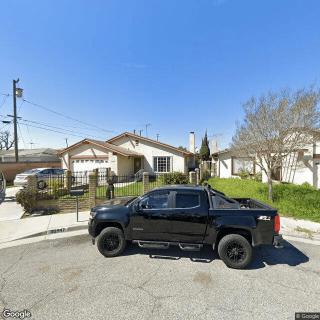
Abad Group Home - Harline Court Facility
$2,500 to $3,000 / month20.4 miles away
Overall Review of Diamond Manor II
Pros
 The place is very nice and clean.
- Diamond Manor is very clean.
- Everything seems OK so far.
Review
Diamond Manor II in Anaheim is best suited for a senior who wants a compact, home-like living experience with unusually direct oversight. The facility operates out of a house that has been converted to care use, housing roughly six residents, under the hands-on supervision of a mom and her son. That size fosters a climate where routines feel predictable, privacy is preserved, and concerns tend to get handled quickly. Families that prize warmth, low-key pace, and a sense that the operation can be tweaked in real time will find this setting appealing. It is not a sprawling campus, but it is a controlled, approachable environment where staff and family members clearly know who is calling the shots.
Those with higher medical complexity or a need for formal programming should consider alternatives. The small, family-run model can deliver remarkable attentiveness, but it may lack the robust clinical oversight, specialized therapies, and scheduled activities seen in larger facilities. If 24/7 licensed nursing coverage, on-site therapy options, or a wider array of social and recreational programs are non-negotiable, Diamond Manor II could feel insufficient. Potential residents who require consistent, structured supervision, or who benefit from institutional schedules, would likely be better served by a bigger, professionally staffed community with standardized processes.
From the available observations, the strongest pro is cleanliness. The space is described as very clean, with a home atmosphere evident even as meals are being prepared and served. That emphasis on hygiene and order translates into a reassuring baseline for daily life, especially for families concerned about dust, odors, or clutter. Sharing a meal in a small house setting often signals an environment where dietary needs are noticed and addressed with a personal touch. The six-resident dynamic also means fewer transfer moments for residents, less confusion, and more opportunity for staff to tailor routines to individual rhythms.
On the other hand, the limited size introduces real trade-offs. With six residents, staffing becomes a lean proposition, and schedules hinge on a small team run by two family operators. That structure can be responsive, but it also risks gaps if a caregiver is unavailable or if medical issues escalate. There is little detail available about licensing, backup coverage, or formal care plans, which makes diligence essential during a visit. Activity options tend to be modest by design, and while meals can be home-cooked, there may be fewer on-site amenities, outings, or group programs than in larger communities.
Ultimately, the pros, cleanliness, intimate setting, and direct, family-led care, offset many potential concerns for residents who value safety, predictability, and personal attention over breadth of services. The best fit is a resident who thrives on a calmer pace, appreciates light touch supervision, and does not require extensive clinical management on a daily basis. The main caveat remains the same: if medical needs escalate or if a richer menu of activities and professional services is critical, the small house model may not sustain those expectations. In such cases, a larger RCFE or assisted living with a formal care team will likely outperform.
For anyone considering Diamond Manor II, approach with a focused checklist. Confirm the facility’s licensing status and the exact staffing ratios, including who covers nights and weekends. Inquire about care planning, emergency response, medication management, and daily schedules. Taste-test the dining experience, observe how meals are prepared, and assess whether there are meaningful social activities or off-site excursions that align with the resident’s interests. Above all, assess comfort with a family-run environment and the degree of independence the resident maintains. If those conditions align, Diamond Manor II offers a compelling, hands-on alternative to larger, more clinical settings.
 6 resident community capacity
 Assisted Living
 Board and Care Home
 Activities on-site
 Cable or satellite TV
 Devotional services off-site
 Dining room
 Fully furnished
 Garden
 Housekeeping services
 Move-in coordination
 Outdoor common areas
 Private
 Telephone
 Wi-Fi/high-speed internet available
 John Wayne Orange Co (11 miles away)
 24-hour supervision
 Assistance with bathing
 Assistance with dressing
 Assistance with transfers
 Diabetes diet
 Diabetic care
 High acuity care
 Meal preparation and service
 Medication management
 Special dietary restrictions
 Transportation arrangement (medical)
 Transportation to doctors appointments





 Understanding the Distinctions: Assisted Living and Memory Care Explained
 Guiding Elderly Parents Who Refuse Assisted Living: 6 Practical Steps
 Your Comprehensive Guide to Luxury Assisted Living: Elevated Facilities, Amenities, and Costs