
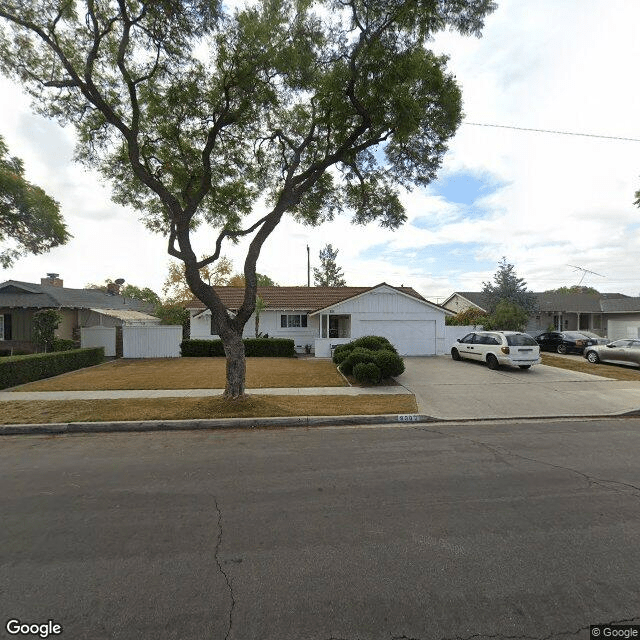
9362 Maureen, Garden Grove, CA 92841
For more information about senior living options: (866) 208-4318
Maureen Guest Home Costs & Pricing
Maureen Guest Home presents a competitive pricing structure for its room accommodations in comparison to the broader market rates within Orange County and California as a whole. For semi-private rooms, Maureen offers a monthly rate of $2,750, significantly lower than the county average of $3,431 and the state average of $3,333. Similarly, both private rooms and one-bedroom suites at Maureen are priced at $3,750, which is more economical than the regional rates of $4,104 for private spaces and $4,380 for one-bedroom units in Orange County. In essence, choosing Maureen Guest Home not only provides residents with quality care but also ensures they receive excellent value for their investment in comfortable living arrangements.
| Floor plans | Maureen Guest Home | Orange County | California |
|---|---|---|---|
| Semi-Private | $2,750 | $3,431 | $3,333 |
| Private | $3,750 | $4,104 | $3,939 |
| 1 Bedroom | $3,750 | $4,380 | $4,340 |
Memory care communities with a similar price nearby
-
About the same
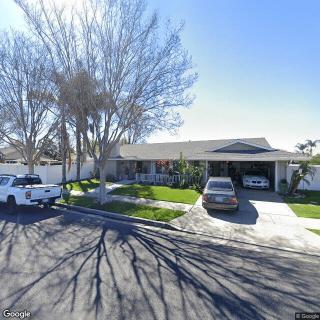
Candlewood Care Home III
$2,800 to $3,400 / month10.4 miles away -
from -$350 / mo
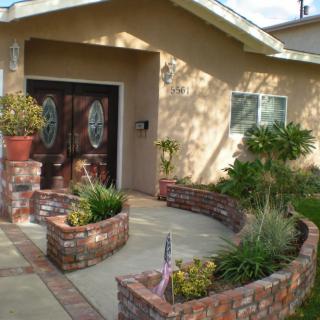
Living Well Care Home
$2,400 to $3,200 / month8.8 miles away -
About the same
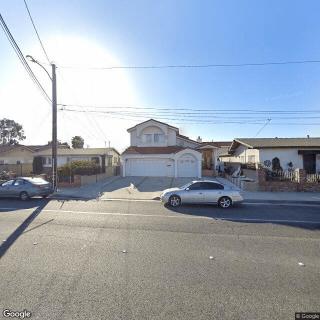
Leah Loving Elderly Care
$2,800 to $3,000 / month6.4 miles away -
About the same
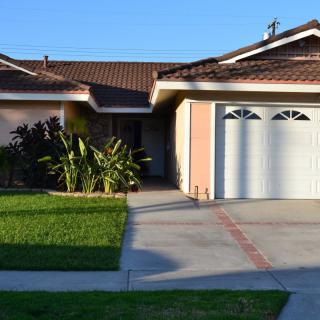
Loving Care Senior Home
$2,700 to $3,500 / month7.4 miles away -
from -$450 / mo
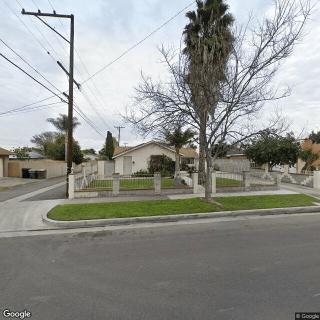
Bronwyn Residential Care
$2,300 to $3,500 / month1.9 miles away
Overall Review of Maureen Guest Home
Pros
 The staff at Maureen Guest Home are wonderful, especially Victor.
- They take excellent care of residents.
- The owner is phenomenal.
- Maureen Guest Home has a family-like atmosphere and is one of the better facilities.
- The staff keep residents safe.
- The staff are friendly and foster friendships among residents.
Cons
 One of the older staff is difficult with residents.
- There are very few activities for residents.
- The room shown to families isn't the actual room; a room is kept empty to show people.
- The facility is short-staffed, with only two official aides for four residents, and one aide who is elderly and not capable of caring adequately.
- The food could be greatly improved, and activities to stimulate residents are non-existent (besides one old television).
- The elderly aide is disliked because she can be a bully with the residents.
- There is a concern about a language barrier between mom and the caretakers.
- No one else could handle her yelling and danger.
Review
Maureen Guest Home in Garden Grove is best suited for families seeking a small, home‑like setting where a devoted, owner‑led staff delivers deeply personal dementia care and compassionate end‑of‑life support. It works best for residents with Alzheimer's or late‑stage dementia who benefit from steady routines, predictable caregiving, and a genuinely familial atmosphere. The staff’s warmth and attentiveness stand out, with Victor repeatedly singled out for outstanding daily care. The owner’s direct involvement adds a level of consistency and trust that matters when a loved one depends on a responsive caregiving team. In practice, this community shines where intimate attention, continuity, and a sense of belonging are nonnegotiables. That combination can make a difficult transition feel calmer and more manageable for families navigating complex dementia needs and bereavement.
Those considering alternatives should note that this setting may fall short for households prioritizing broad enrichment programs. The small scale creates a strong family feel but means fewer activities, outings, and structured stimulation, elements some residents require to stay engaged. Staffing levels are frequently questioned: two official aides for four residents implies potential gaps during shifts and limits immediate assistance. Language alignment and cultural comfort can also influence day‑to‑day communication, especially for residents who rely on clear, repetitive cues. One elderly aide is described as bullying, a serious concern that warrants direct oversight and policy checks before admission. For families seeking robust activity calendars, diverse meal options, or a strongly assertive resident advocate, alternatives with larger teams and more programmed engagement may be a better fit.
On the positive side, the home’s tight size promotes safety, familiarity, and genuine connections among residents and staff. Caregivers learn personal histories, preferences, and triggers, which reduces agitation and supports smoother daily routines. The environment is clearly intimate enough for responsive crisis management; for example, staff coordinated closely with hospice and kept families informed during bereavement, which provided meaningful support at a painful time. Personal touches matter here, help with hair and makeup, thoughtful assistance with dignity, and a willingness to go the extra mile to honor routines and rituals. While programming is limited, the depth of relationships and a nurturing tone can compensate for lean activities. For many families, knowing a loved one is cherished and regularly attended to can outweigh the lack of formal enrichment options.
Caregiver dynamics deserve close attention. The praise for the owner and several staff is balanced by concerns about an aging aide who may bully residents and by reports of lean staffing. This combination tests the facility’s safety net and the ability of management to enforce respectful, consistent care. Language barriers add a logistical hurdle for some residents, and the absence of bilingual supports could complicate communication with families and residents who rely on precise instructions. Prospective residents should press for specifics on supervision, staff training in elder communication, and a concrete plan for handling conflicts. Clarify whether additional aides are available during peak times and how responses are prioritized when multiple residents require attention. The owner’s leadership is a factor in stability, but governance around staffing must be clear.
Environment and daily life reveal a facility that feels more like a small home than a traditional memory care wing. With only a handful of residents, the setting fosters close‑knit friendships but risks becoming stationary and under‑stimulating. A mismatch between the room shown at intake and the actual assigned room is highlighted in reviews, including reports that an empty display room is kept to show prospective residents. The common area’s sole television and limited programming contribute to a quiet atmosphere that may not suit every resident. Food quality is another point of contention, with some reviews calling for improvements in variety and nutrition. Yet residents reportedly form strong friendships, feel physically safe, and appreciate the consistent, personalized attention from a tight team. Families must decide whether the comfort of a home‑like routine outweighs the potential deficits in activity and dining.
Bottom line: Maureen Guest Home can be an excellent match for families who value compassionate, personalized dementia care delivered in a warm, small‑scale setting and who prioritize staff stability and a family atmosphere. The major caveats are real: staffing can be lean, programming and meals are not as robust as larger facilities, and occasional interpersonal tensions require due diligence. For those whose priority is constant enrichment, multilingual communication, and strong formal advocacy, exploring larger memory‑care communities with higher ratios and more comprehensive activity calendars is prudent. If choosing Maureen Guest Home, approach with a structured plan: tour at varying times to observe daily rhythms, request a detailed menu sample, verify staffing patterns and on‑site supervision, and assess how concerns about specific aides are addressed. When these issues are satisfactorily addressed, the community stands out as a candid, capable option for dementia care that treats residents with dignity and genuine care.
 6 resident community capacity
 Assisted Living
 Board and Care Home
 Memory Care
 Activities on-site
 Bath tubs
 Cable or satellite TV
 Devotional services off-site
 Dining room
 Fully furnished
 Garden
 Housekeeping services
 Indoor common areas
 Move-in coordination
 Outdoor common areas
 Private
 Respite or short term stays offered
 Telephone
 Wheelchair accessible showers
 Wi-Fi/high-speed internet available
 John Wayne Orange Co (10 miles away)
 24-hour supervision
 Ambulatory care
 Assistance with bathing
 Assistance with dressing
 Assistance with transfers
 Diabetes diet
 High acuity care
 Incontinence care
 Meal preparation and service
 Medication management
 Special dietary restrictions
 Transportation arrangement (medical)
 Transportation to doctors appointments
 Adventist services
 Buddhist services
 Islamic services



 An In-Depth Look at Reminiscence Therapy in Dementia Care
 Dementia-Related Hallucinations: Causes, Experiences, and Practical Approaches
 Illuminating Insights About Alzheimer's Disease: Ten Crucial Realities