Caring Homes 2 in Fresno, CA

Information last verified:

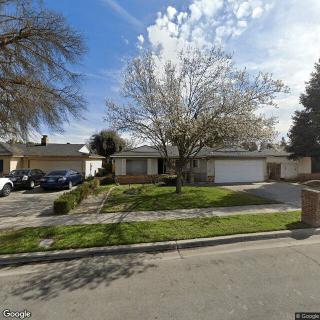
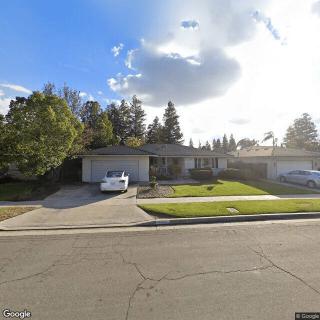
1567 West Magill Avenue, Fresno, CA 93711

For more information about senior living options: (844) 490-3973

4.6 from 103 reviews
5 stars
93
4 stars
0
3 stars
0
2 stars
1
1 stars
9

Seniors.FYI Elite Community Awards

Top 5% Senior Living Community in 2024

Add this award to your website

Overall Review of Caring Homes 2

Pros

  • pro The home health nurse is described as wonderful and a true pleasure to work with.
  • pro Joanne is kind, thorough, and a joy to have during recovery and planning.
  • pro Drew is a bright, positive physical therapist who motivates and empowers his patients.
  • pro Kathryn Hanlin is the best assistant ever—technically skilled, personable, and trusted by families.
  • pro Preet is an amazing nurse—very thorough, consistently on time, and genuinely caring.
  • pro Elena is described as an angel who provided compassionate, attentive care.
  • pro Jenny is a capable, professional nurse who performs catheter changes quickly and with minimal pain.
  • pro The Compassionate Care team is repeatedly praised as caring, professional, and going above and beyond.
  • pro Mari is attentive, ensuring comfort and his favorite meals for his care.
  • pro Amrinder, KB, Linda, Evelyn, Quan, Kathy, and the rest of the team are consistently recognized for empathy, dedication, and outstanding service.

Cons

  • pro They do not drive safely, so they likely won’t take care of your family safely.
  • pro Their drivers or their nurses don’t care.
  • pro Their nurse didn't change my husband's bandages for 3 weeks.
  • pro He got fungal and bacterial infections that almost killed him and put him in the hospital for 10 days.
  • pro The scheduling procedure is a joke.
  • pro The doctor’s request for a nurse to come out was never fulfilled.

Review

Caring Homes 2 in Fresno is best suited for families who want deeply personal, highly hands-on in-home health and hospice support for a loved one who is recovering from surgery, managing chronic illness, or facing end-of-life care. The community excels when a patient needs skilled nursing, wound care, and rehabilitation services delivered with a staffing philosophy that treats patients like family. The strongest argument for this option is the demonstrable warmth, competence, and steadiness of the clinicians and aides who show up, build trust quickly, and push for meaningful mobility gains and comfort. When the team settles in with a patient, the care experience becomes not just clinical but genuinely supportive, often transforming daily life for both patient and family.

Who should consider alternatives? Families prioritizing a consistently predictable schedule, guaranteed staff continuity, or a strictly facility-based model with 24/7 on-site supervision may want to look elsewhere. In-home care relies on a rotating slate of caregivers unless a stable primary team is established, which means families must advocate for a dedicated nurse and regular back-up coverage. If that level of consistency isn’t achievable or if the patient’s needs require tighter day-to-day structure, an assisted living setting with full-time on-site care or a larger home-health agency with more centralized scheduling might deliver greater day-to-day reliability. For those seeking a more clinical, facility-forward approach or a clearly standardized process, alternatives that emphasize fixed staffing schedules can reduce the uncertainty inherent in home-based programs.

The key positives here, compassion, clinical competence, and personalized attention, often offset the main drawbacks when a reliable team is in place. Reviewers repeatedly highlight standout clinicians who make a real difference: wound care that advances healing, physical therapy that translates into real improvement, and nurses who communicate clearly, accommodate schedules, and treat patients with genuine kindness. The most powerful offsets come from consistent personalities, Preet for wound care, Kathryn or Elena for weekly visits, and Quan or Evelyn for ongoing medical questions and reassurance. When such teams operate regularly, families report smoother recoveries, better pain management, and less anxiety about care quality. The warmth and competence demonstrated by these caregivers turn what can be an overwhelming process into something manageable and hopeful.

Beyond direct medical care, the program’s holistic support stands out. Families describe chaplaincy and emotional backing as meaningful complements to clinical treatment, and the presence of a whole team, nurses, home health aides, therapists, and office staff, who coordinate with physicians and family members creates a cohesive care environment. The ability to address daily needs, bathing, meal preferences, mobility assistance, catheter management, and wound dressing, with a combination of skilled intervention and practical empathy, gives caregivers and patients real reassurance. When the team communicates proactively and respects family input, the overall experience feels not like a set of episodic visits but a continuous, compassionate partnership aimed at dignity and comfort.

Nevertheless, the reviews do reveal meaningful caveats. Scheduling gaps, inconsistent caregiver availability, and occasional miscommunications about timelines or coverage can undermine the otherwise strong care foundation. There are reports of visits being delayed or altered without sufficient notice, and a few cases where back-end processes, such as insurance coordination or discharge planning, produced confusion or frustration. With home-based models, even a single nurse’s absence or a late shift change can cascade into missed routines or disrupted wound care. Several families also note that while the vast majority of staff are exceptional, a minority can struggle with efficiency or reliability, underscoring the risk that highly variable staffing can pose to continuity of care. These are real considerations when weighing options.

The practical takeaway is clear. Caring Homes 2 can deliver extraordinary, life-enhancing care for patients who need compassionate, skilled in-home support and who can benefit from a stable, dedicated team. Prospective families should, however, insist on securing a primary nurse backed by a consistent secondary team, establish a concrete schedule expectation, and request regular progress updates tied to the patient’s goals. Verify wound-care protocols, therapy availability, and hospice capabilities if end-of-life planning is relevant, and set up a clear point of contact for emergencies. If the goal is a highly predictable daily routine and unwavering on-site supervision, or if the strongest preference is for facility-based care rather than home visits, alternatives such as an assisted living environment or a larger, more standardized home-health agency may be preferable. For families willing to invest in building a dependable caregiving team, Caring Homes 2 offers a remarkably human, effective pathway to maintaining independence and quality of life at home.

Features

Housing

  • 6 resident community capacity 6 resident community capacity

Types of Care

  • Assisted Living Assisted LivingAssisted living facilities provide crucial support and care for seniors who may need help with daily tasks such as medication management, bathing, and meal preparation. These communities offer a safe and comfortable environment where seniors can maintain their independence while receiving the assistance they need to thrive in their golden years.
  • Board and Care Home Board and Care HomeBoard and care homes provide a smaller, more intimate setting for seniors who require assistance with daily tasks but do not need the level of care offered by a nursing home. They offer personalized care, meals, and social activities in a homelike environment, ensuring that seniors receive individualized attention and support in their golden years.

Amenities

  • Cable or satellite TV Cable or satellite TVCable or satellite TV is important for seniors because it provides entertainment, news, and companionship, helping to combat loneliness and boredom. It also offers a wide range of programming options tailored to different interests and preferences.
  • Dining room Dining roomDining rooms are important for seniors as they provide a space for socialization, connection, and nutritious meals. They offer opportunities for residents to bond over shared meals, foster a sense of community, and promote healthy eating habits. Dining rooms also ensure that seniors have access to well-balanced meals tailored to their dietary needs and preferences.
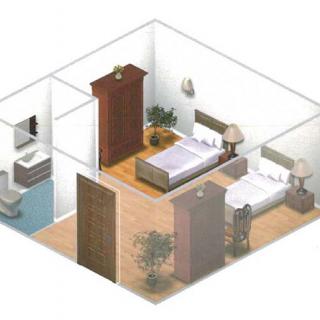
  • Fully furnished Fully furnishedFully furnished senior living communities are important for seniors because they provide convenience, comfort, and a hassle-free moving experience. Seniors can easily settle into their new living space without the stress of having to buy and move furniture. This allows them to focus on enjoying their new home and community.
  • Garden GardenGardens are important for seniors as they provide a peaceful and therapeutic environment for relaxation, physical activity, and socialization. Being in nature has been shown to reduce stress, improve mood, and promote overall well-being. Gardens also offer opportunities for seniors to engage in gardening activities, which can improve mobility, flexibility, and cognitive function. Additionally, gardens create a sense of community and connection with others who share a passion for plants and outdoor spaces.
  • Housekeeping services Housekeeping servicesHousekeeping services are important for seniors because they help maintain a clean and safe living environment, promote independence, and reduce the risk of accidents or illnesses. Additionally, having assistance with household chores can alleviate physical strain and allow seniors to focus on other aspects of their well-being.
  • Move-in coordination Move-in coordinationMove-in coordination is important for seniors because it helps ease the transition into their new living environment. It ensures that all logistics, such as packing, organizing movers, and setting up utilities are taken care of, allowing seniors to focus on settling in and adjusting to their new home. Having a smooth move-in process can alleviate stress and anxiety, making the transition smoother and more enjoyable for seniors.
  • Outdoor space Outdoor spaceOutdoor spaces are important for seniors as they provide opportunities for physical activity, social interaction, exposure to natural light and fresh air, and a sense of connection to nature. Having access to outdoor spaces can improve overall well-being and quality of life for older adults living in senior communities.
  • Telephone TelephoneTelephones are important for seniors as they provide a lifeline for communication with loved ones, emergency services, and healthcare providers. They offer a sense of security and independence, enabling seniors to stay connected and access assistance when needed.
  • Wi-Fi/high-speed internet available Wi-Fi/high-speed internet availableWi-Fi/high-speed internet is important for seniors to stay connected with loved ones, access online resources, and participate in virtual activities to combat feelings of loneliness and isolation. It also allows them to easily manage healthcare needs, access entertainment, and engage in lifelong learning opportunities.

Transportation

  • Fresno Yosemite International (7 miles away) Fresno Yosemite International (7 miles away)

Care Services

  • 24-hour supervision 24-hour supervision24-hour supervision is important for seniors to ensure their safety, well-being, and access to immediate assistance in case of emergencies or health issues. This constant support provides peace of mind for both seniors and their loved ones, allowing them to age in place with dignity and security.
  • Activities of daily living assistance Activities of daily living assistanceActivities of daily living assistance are important for seniors because they provide essential support with tasks such as eating, bathing, dressing, and mobility. This assistance helps seniors maintain their independence, dignity, and overall quality of life as they age.
  • Assistance with bathing Assistance with bathingAssistance with bathing is crucial for seniors as it helps maintain personal hygiene, prevents infections, and ensures their overall well-being and comfort. It also provides a sense of dignity and independence for seniors who may struggle with this task on their own.
  • Assistance with dressing Assistance with dressingAssistance with dressing is important for seniors because it helps maintain their independence, promotes personal hygiene, prevents accidents and injuries, and improves overall quality of life. This service ensures that seniors can continue to dress comfortably and confidently, despite any physical limitations they may have.
  • Assistance with transfers Assistance with transfersAssistance with transfers is crucial for seniors as it helps prevent falls and injuries, maintains their independence, and ensures they can safely navigate their living environment. It also provides peace of mind for both seniors and their loved ones.
  • Coordination with health care providers Coordination with health care providersCoordination with health care providers is crucial for seniors to ensure proper medical care, medication management, and overall well-being. This collaboration helps prevent overlapping treatments, track progress more effectively, and provide comprehensive support tailored to individual needs.
  • Diabetes diet Diabetes dietA diabetes diet is crucial for seniors as it helps manage blood sugar levels, reduce risks of complications, and improve overall health and well-being. By following a balanced and nutritious diet tailored to their specific needs, seniors can better control their diabetes and enhance their quality of life.
  • Meal preparation and service Meal preparation and serviceMeal preparation and service are crucial for seniors as they may have limited mobility or energy to cook nutritious meals. Having access to healthy and convenient food options can ensure they are getting the proper nutrition needed to maintain their overall health and well-being.
  • Medication management Medication managementMedication management is crucial for seniors to ensure they are taking the right medications at the correct dosages and times. This helps prevent adverse drug interactions, reduces the risk of medication errors, and promotes overall health and well-being. Proactive management also allows for adjustments as needed based on changing health conditions or new prescriptions.
  • Special dietary restrictions Special dietary restrictionsSpecial dietary restrictions are important for seniors because age-related changes in metabolism and health conditions can make it difficult for their bodies to process certain foods. By following a diet tailored to their specific needs, seniors can maintain their overall health and well-being, manage chronic conditions, and reduce the risk of complications such as malnutrition or food interactions with medications.
  • Transportation arrangement (medical) Transportation arrangement (medical)Transportation arrangements for medical purposes are essential for seniors as they may have difficulty driving themselves to appointments or accessing public transportation. Having reliable and safe transportation options ensures that seniors can receive timely medical care and maintain their health and well-being.
  • Transportation to doctors appointments Transportation to doctors appointmentsTransportation to doctors' appointments is crucial for seniors as it ensures they have access to necessary medical care and support for their health needs. Without reliable transportation, seniors may struggle to attend important appointments, leading to potential delays in treatment and health complications. Providing transportation services helps seniors maintain their overall well-being and quality of life.
Dining

  • Diabetes diet Diabetes dietA diabetes diet is crucial for seniors as it helps manage blood sugar levels, reduce risks of complications, and improve overall health and well-being. By following a balanced and nutritious diet tailored to their specific needs, seniors can better control their diabetes and enhance their quality of life.
  • Special dietary restrictions Special dietary restrictionsSpecial dietary restrictions are important for seniors because age-related changes in metabolism and health conditions can make it difficult for their bodies to process certain foods. By following a diet tailored to their specific needs, seniors can maintain their overall health and well-being, manage chronic conditions, and reduce the risk of complications such as malnutrition or food interactions with medications.

Activities

  • Community-sponsored activities Community-sponsored activitiesCommunity-sponsored activities are important for seniors as they provide opportunities for social interaction, mental stimulation, and physical activity. These activities can help improve overall well-being, combat loneliness and isolation, and promote a sense of belonging and purpose among older adults.
  • Scheduled daily activities Scheduled daily activitiesScheduled daily activities are important for seniors because they provide structure, socialization, mental stimulation, and physical activity. Engaging in regular activities can improve overall well-being and quality of life for seniors living in a community setting.

Description

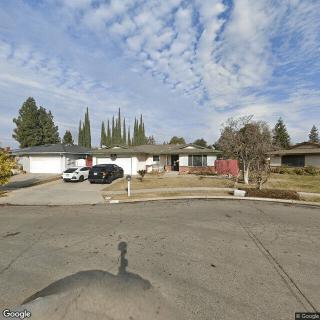
Caring Homes 2 in Fresno, CA is a board and care home that provides a comfortable and supportive living environment for seniors. The community offers fully furnished accommodations with amenities such as a dining room, garden, outdoor space, and high-speed internet access.

Residents at Caring Homes 2 receive personalized care services to meet their individual needs. Trained caregivers are available to assist with activities of daily living, including bathing, dressing, and transfers. The staff also coordinates with healthcare providers to ensure residents receive the necessary medical care and medication management.

Dining at Caring Homes 2 is tailored to accommodate special dietary restrictions. Meals are prepared and served with attention to nutrition and taste. Scheduled daily activities provide opportunities for socialization and engagement.

The community's location is convenient with cafes, parks, pharmacies, physicians' offices, restaurants, places of worship, theaters, hospitals, and transportation options nearby. This allows residents to easily access the resources they need and enjoy outings in the local area.

At Caring Homes 2 in Fresno, CA, seniors can expect a caring and supportive environment where their individual needs are met while maintaining independence and quality of life.

Nearby Places of Interest

Pharmacies

  • CVS Pharmacy (0.4 miles)
  • Walgreens (0.4 miles)
  • Northwest Medical Pharmacy (0.9 miles)
  • Save Mart Supermarkets (0.9 miles)
  • Save Mart Supermarkets (1.6 miles)
  • Rite Aid (1.9 miles)
  • Pharmatron (1.9 miles)

Cafes

  • Dutch Bros (0.9 miles)
  • J Pot Mini Hot Pot & Bar (2.1 miles)
  • Dutch Bros Coffee (2.2 miles)
  • The Coffee Bean and Tea Leaf (2.6 miles)

Physicians

  • Miracle-Ear Hearing Aid Center (0.9 miles)
  • Mary Sadlek (1 miles)
  • Boswell Dermatology (1 miles)
  • O'hanasian Dr Don Optometrists (1 miles)
  • Leslie Storey, MD - Valley Skin Institute (1.5 miles)
  • Stanton Optical (1.7 miles)
  • Omni Women's Medical Group, Dr Marquez (2 miles)

Restaurants

  • McDonald's (1 miles)
  • Red Apple Cafe (1.1 miles)
  • Ampersand Ice Cream (1.5 miles)
  • McDonald's (1.5 miles)
  • Taco Bell (1.5 miles)
  • Raising Cane's Chicken Fingers (1.8 miles)
  • Carl's Jr. (1.9 miles)

Places of Worship

  • St Anthony of Padua (1.5 miles)
  • Northpointe Community Church (3.1 miles)
  • St Paul Newman Center (3.6 miles)

Transportation

  • Sierra Sky Park Airport (E79) (2 miles)

Theaters

  • Regal Edwards Fresno Screenx, 4Dx & Imax (2.1 miles)

Hospitals

  • Childrens Hospital Central California (2.2 miles)
  • Kaiser Permanante (2.3 miles)
  • Saint Agnes Medical Center (3.1 miles)
  • Neurology Clinic, Valley Children's Hospital (3.8 miles)

Parks

  • Figarden Loop Park (2.6 miles)
  • Woodward Park (2.9 miles)
  • Woodward Park Dog Park (3.3 miles)

Frequently Asked Questions

Where is Caring Homes 2?

Nearby Communities

  • Millbrae Care Home

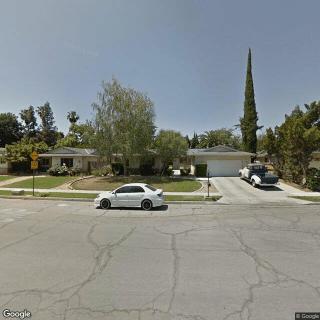
    Millbrae Care Home

    Fresno, CA

    2.7 from 20 reviews
    $2,500 to $3,500 / month

    pro Excellent cleanliness and attentive, personalized care.
  • Lynhaven

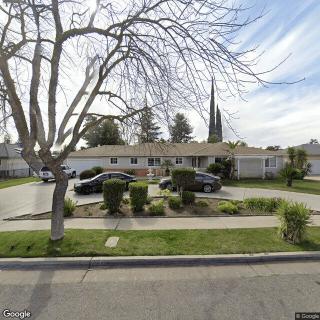
    Lynhaven

    Fresno, CA

    2.5 from 4 reviews
    $1,500 to $2,500 / month

    pro Friendly, approachable owner; bright space and diabetic care options.

  • Green Villa

    Green Villa

    Fresno, CA

    4 from 1 review
    $2,500 to $3,200 / month

    pro Excellent location, very clean, inviting outdoor space, and attentive staff.

  • Sierra Palace For The Elderly

    Sierra Palace For The Elderly

    Fresno, CA

    3.4 from 7 reviews
     

    pro Intimate 6-bed setting with personalized care, 24/7 supervision, ADL support, meals, and transportation coordination.

  • Golden Paradise Inn

    Golden Paradise Inn

    Fresno, CA

     
    $3,200 / month

    pro Small, personalized assisted living with dementia care, 24/7 supervision, ADL support, furnished rooms, and engaging activities.

  • Bonevente Home

    Bonevente Home

    Fresno, CA

    4.3 from 6 reviews
    $2,000 to $3,000 / month

    pro Clean, welcoming home with 24/7 staff, small resident count for personalized care, and hospice waivers.

  • Summerfield Memory Care Of Fresno

    Summerfield Memory Care Of Fresno

    Fresno, CA

    4.6 from 76 reviews
     

    pro Compassionate, attentive staff with engaging activities.

  • The Terraces at San Joaquin Gardens a CCRC

    The Terraces at San Joaquin Gardens a CCRC

    Fresno, CA

    4.4 from 87 reviews
    $2,592 to $3,516 / month

    pro Caring staff and a strong continuing-care model with diverse dining and activities.

  • The Terraces At San Joaquin Gardens Village

    The Terraces At San Joaquin Gardens Village

    Fresno, CA

    4.2 from 47 reviews
     

    pro Comprehensive memory care and skilled nursing in one community with extensive amenities and 24-hour care.

Assisted Living in Nearby Cities

Related Resources

  • assisted living for disabled adultsComprehensive Supportive Living Arrangements for Adults with Disabilities

    Assisted living for adults with disabilities has transformed to provide personalized care and support services aimed at improving residents' quality of life while balancing independence and assistance. However, low-income individuals often face challenges in affording these services, requiring navigation of various financial resources and advocacy for better policies and solutions.

  • how to pay for assisted livingFunding and Affording Assisted Living: A Thorough Overview

    Assisted living facilities provide support for older adults needing help with daily activities without extensive medical care, but their costs can be high and vary by location and services offered. Families often seek various funding options and financial strategies to manage these expenses effectively while considering future needs and potential price increases.

  • assisted living insuranceAssisted Living Expenses and Long-Term Care Insurance: A Comprehensive Exploration

    The article discusses assisted living expenses, the importance of long-term care insurance in covering these costs, and various financing options, highlighting the need for careful policy review and early planning to address potential needs. It also clarifies common misconceptions about Medicare and private health insurance limitations regarding long-term care coverage.