For more information about senior living options: (866) 208-4318
4.2 from 47 reviews
5 stars
35
4 stars
3
3 stars
1
2 stars
0
1 stars
8
Overall Review of The Terraces At San Joaquin Gardens Village
differentiator4 reviews mention this
Care levels across changing needs
Residents value being able to stay as needs change across care levels.
Multiple reviewers chose this community because it offers more than one type of care, so they would not need to move later. One resident also describes it as a CCRC model with care available as conditions change. Rehab stays after surgery are discussed as part of that broader continuum, with attention to therapy and daily nursing support.
common7 reviews mention this
Dining is a frequent highlight
Dining stands out, with residents calling out meal quality and variety.
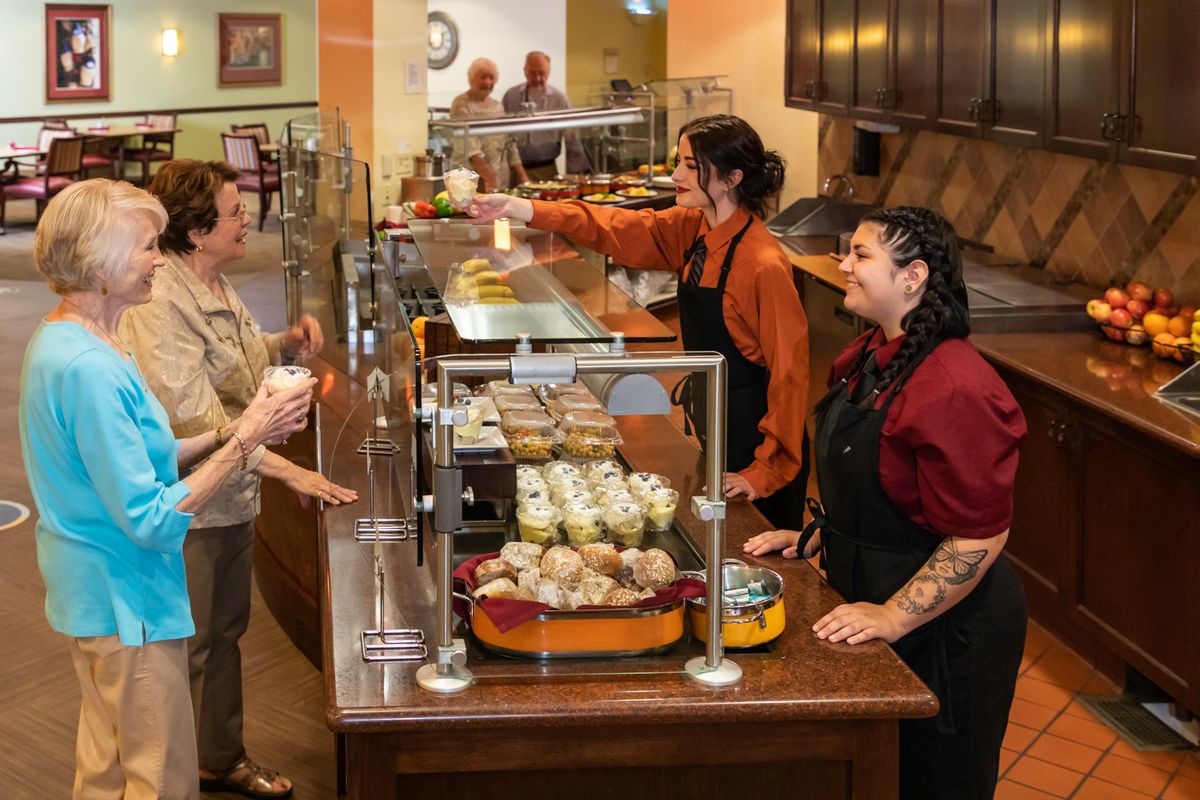
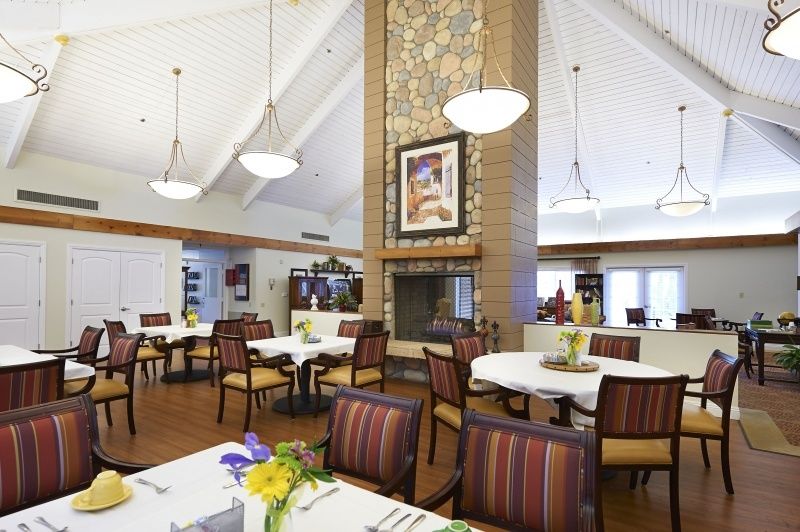
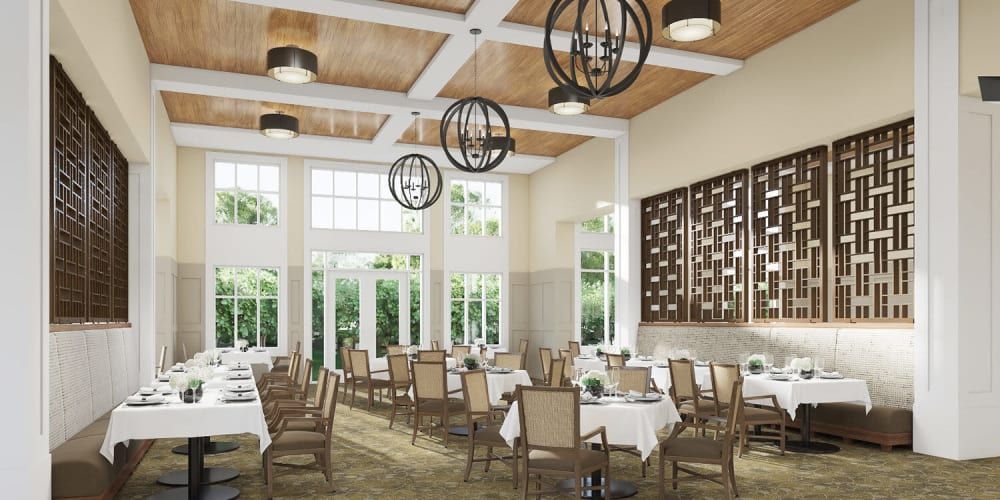
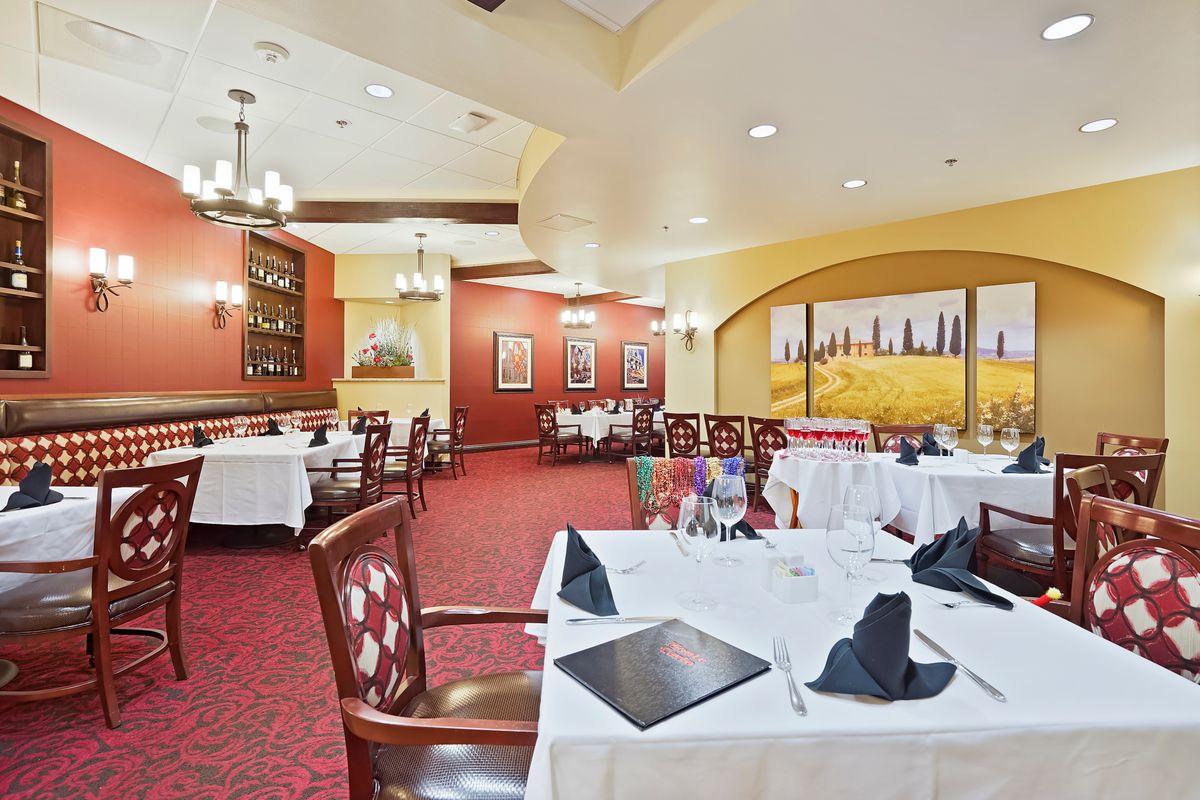
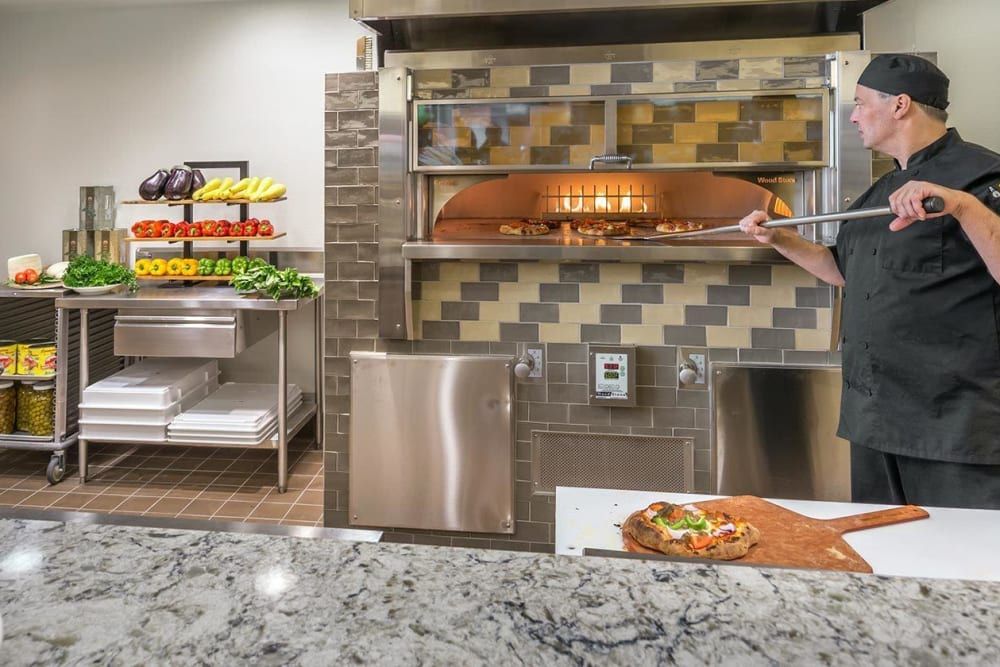
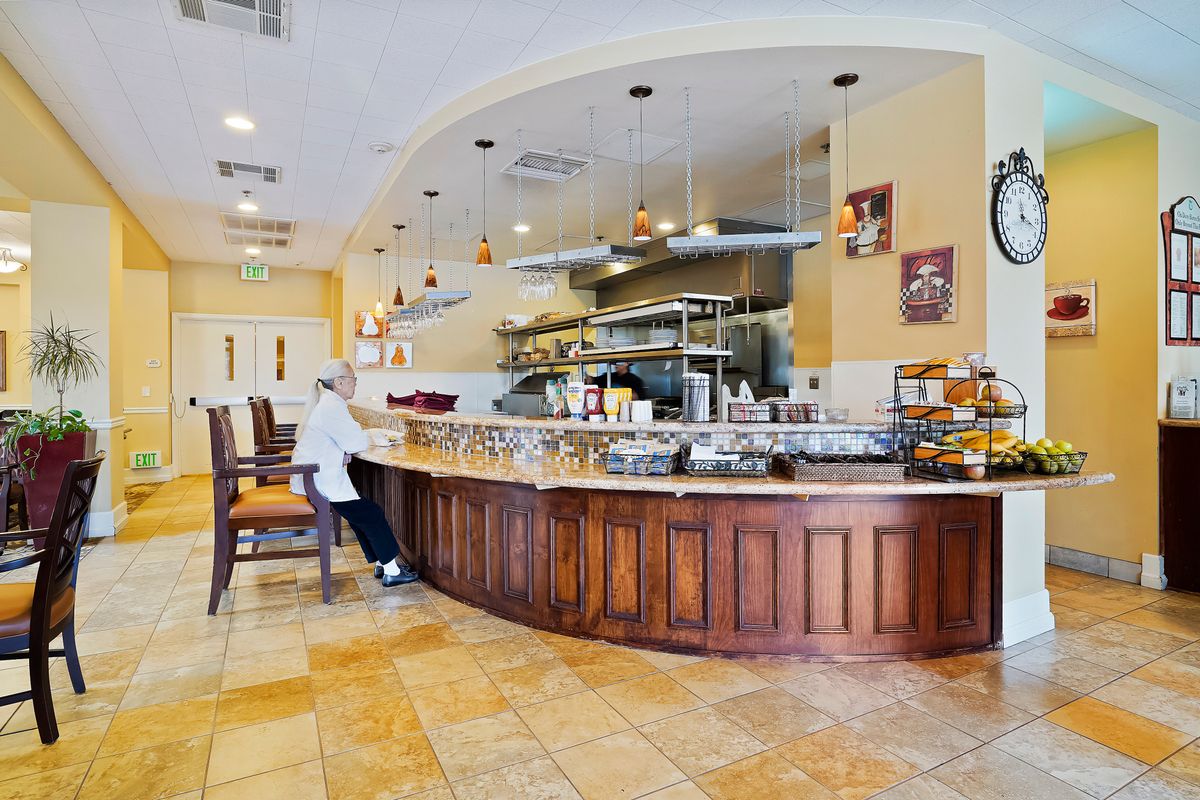
Dining comes up repeatedly, with reviewers describing restaurant-style experiences and food that is enjoyable. Several residents mention meals during rehab or day-to-day life, including positive comments about meal choices. A smaller number of reviewers want better food, but overall dining is a consistent point of satisfaction.
common3 reviews mention this
Home upkeep and worries eased
Home maintenance support reduces day-to-day worries.
Reviews frequently connect living here with not having to manage repairs and maintenance. One resident specifically highlights that home upkeep concerns are handled, while another says they feel at home without the stress of fixing or maintaining property. This same theme shows up alongside broader “things are taken care of” comments that include dining and transportation.
common8 reviews mention this
Staff kindness and responsiveness
Residents and families repeatedly describe caring, responsive staff.
Many reviewers describe staff as genuinely kind, helpful, and attentive, including during moves and everyday problem-solving. Several accounts emphasize responsiveness when assistance is needed, such as quick follow-through after concerns are raised. At the same time, a few reviews are strongly negative about timely care in the skilled nursing setting, including staffing and call response.
How we summarize
Counts show how many written reviews mention each theme; a review can touch several themes, and only frequently mentioned themes are displayed.
Features
Housing
79 resident community capacity
Types of Care
Assisted Living
Memory Care
Skilled Nursing Facility
Amenities
Air-conditioning
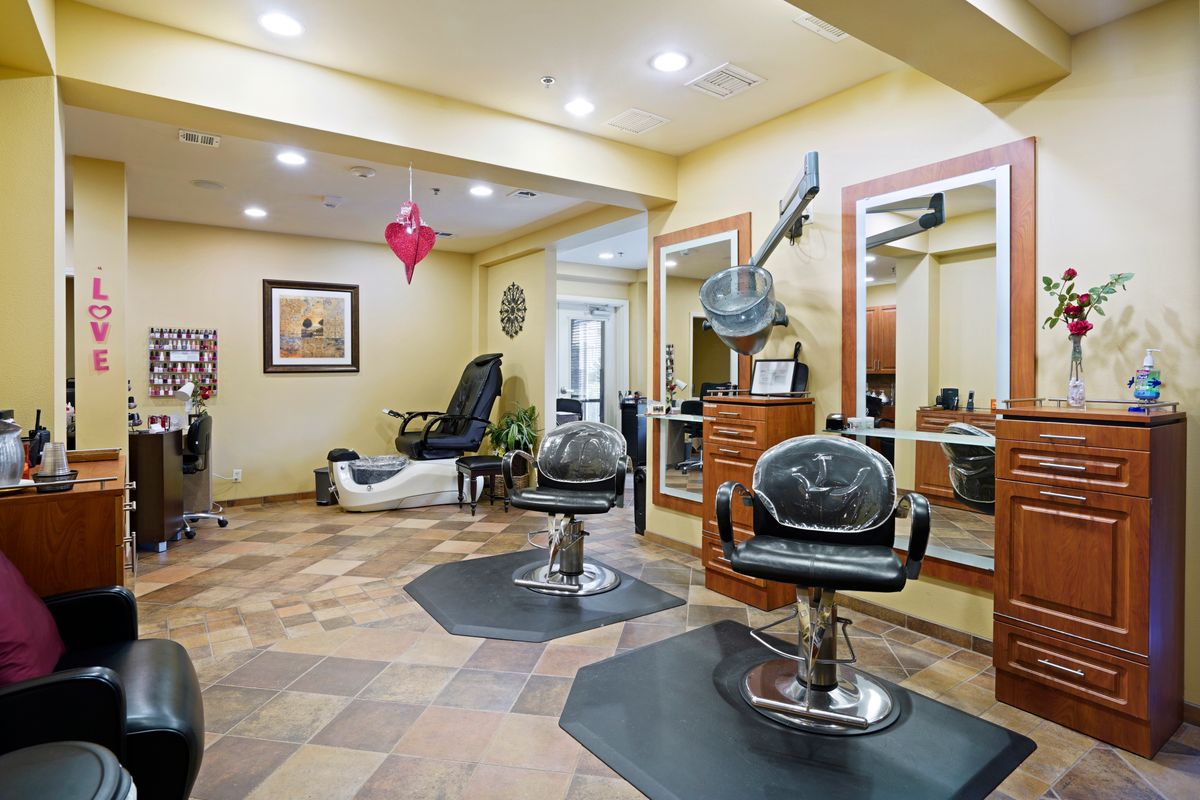
Beauty salon
Cable or satellite TV
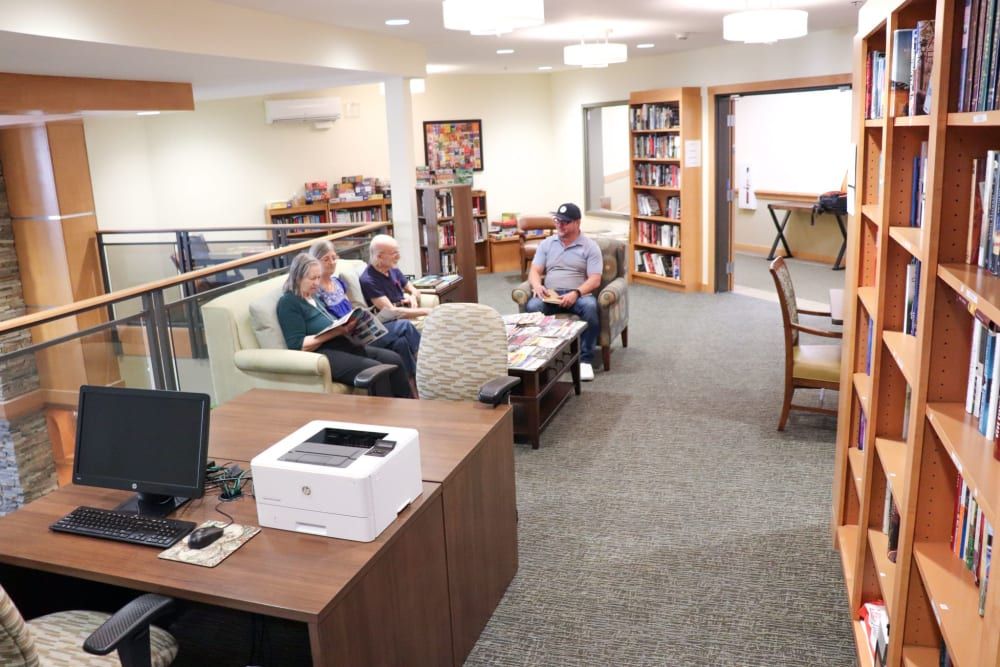
Computer center
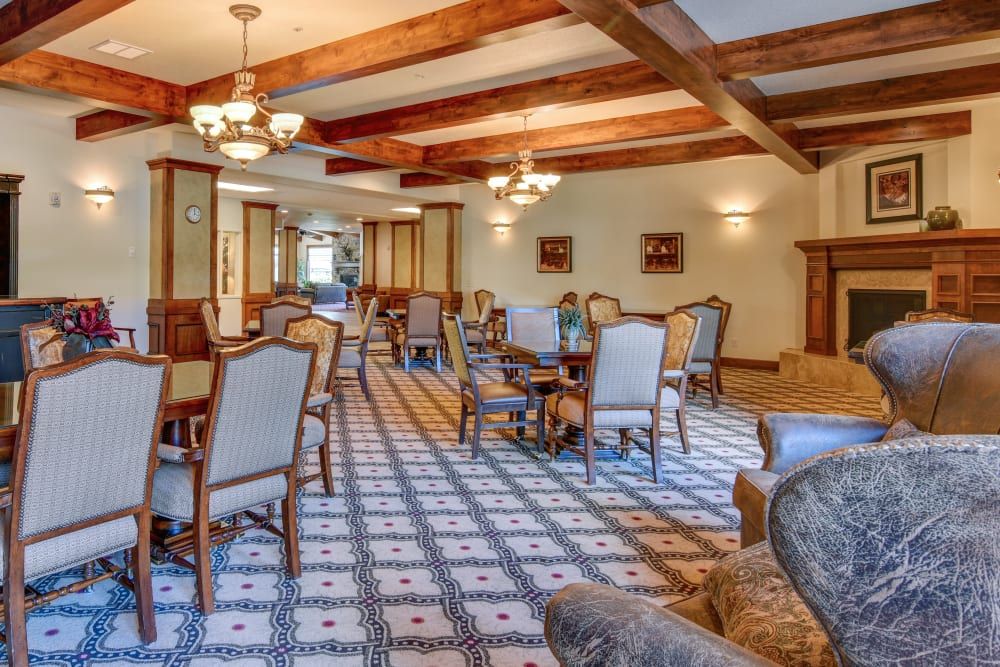
Dining room
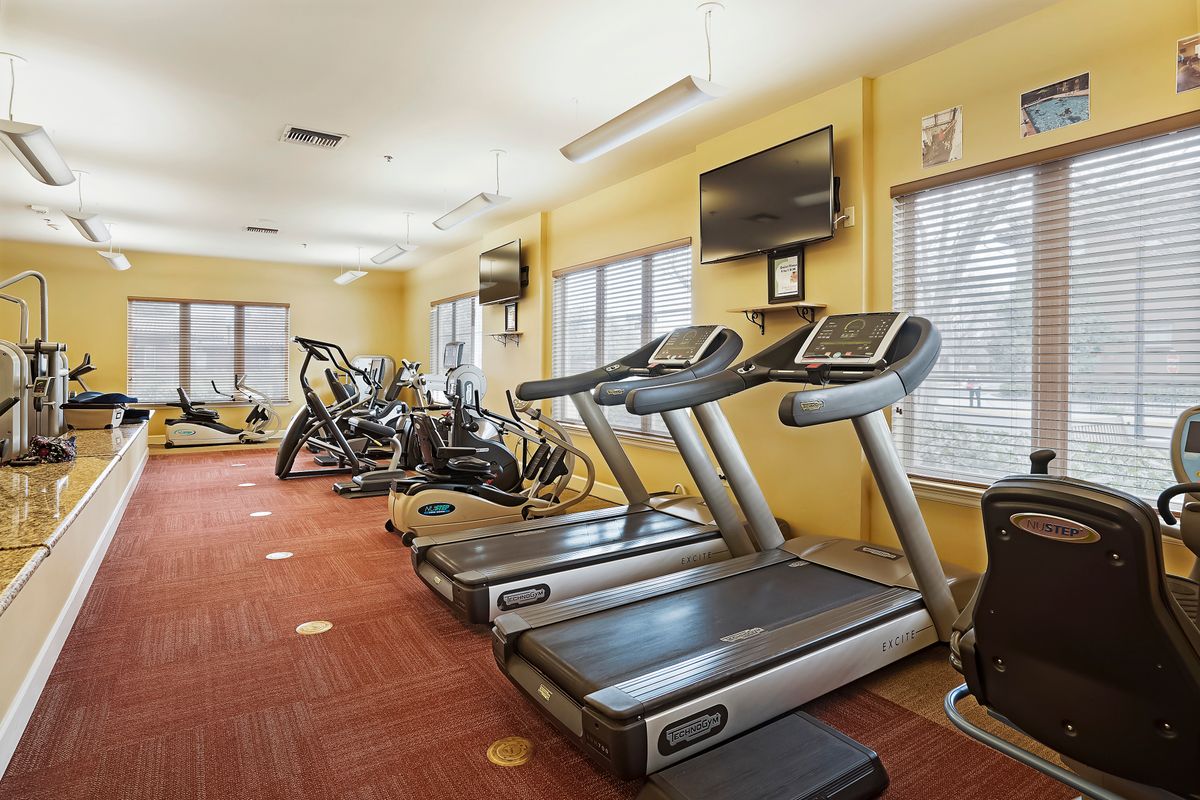
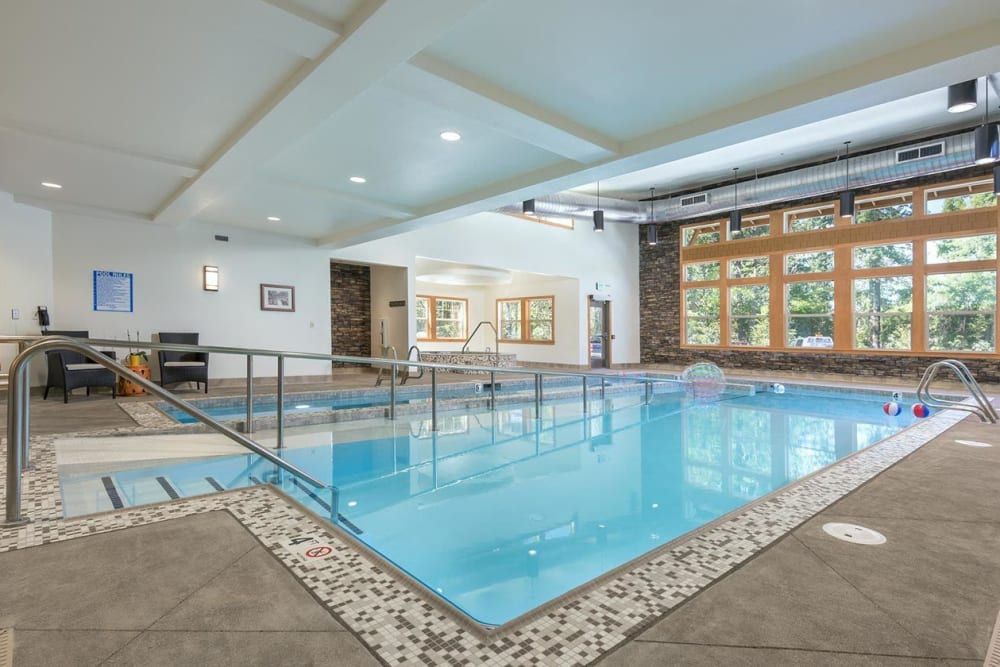
Fitness room
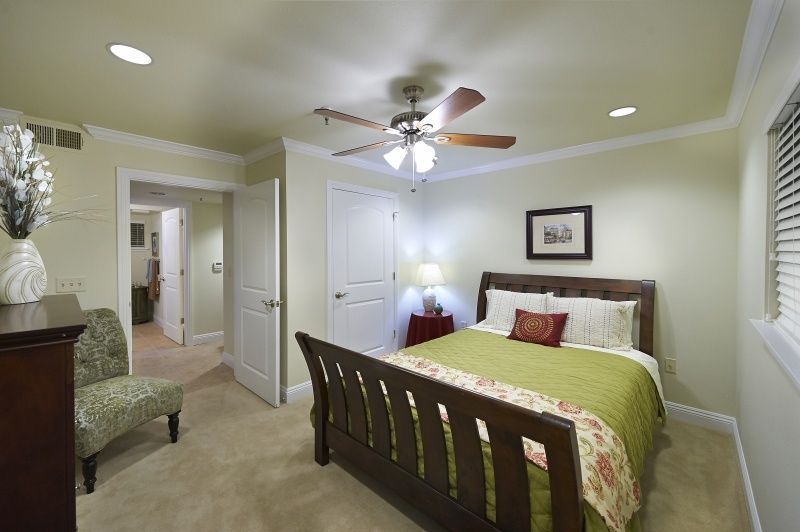
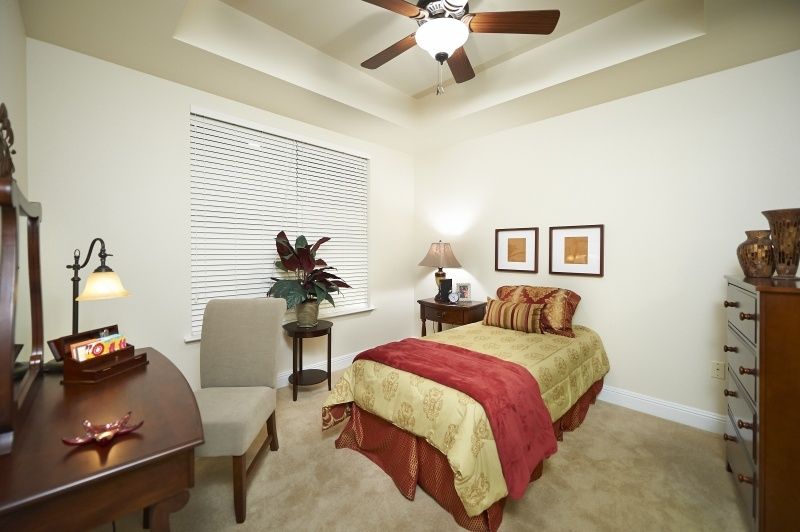
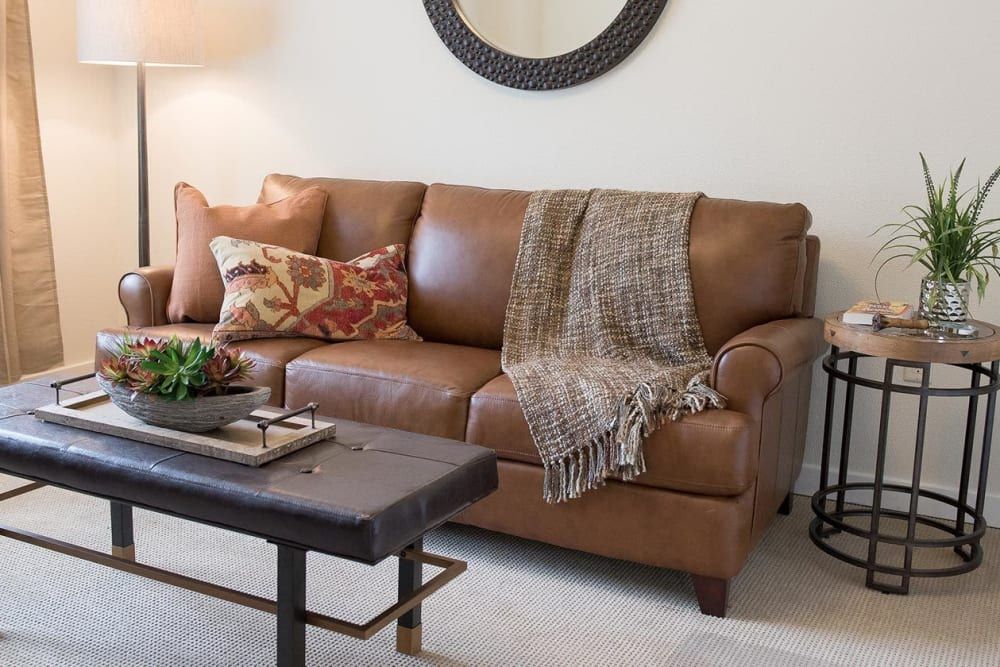
Fully furnished
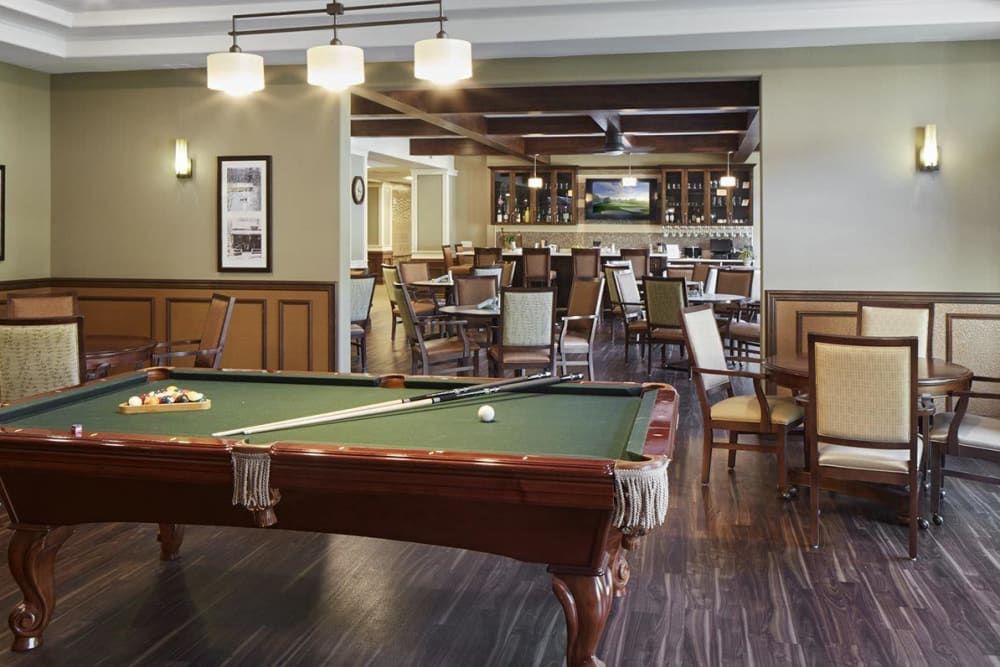
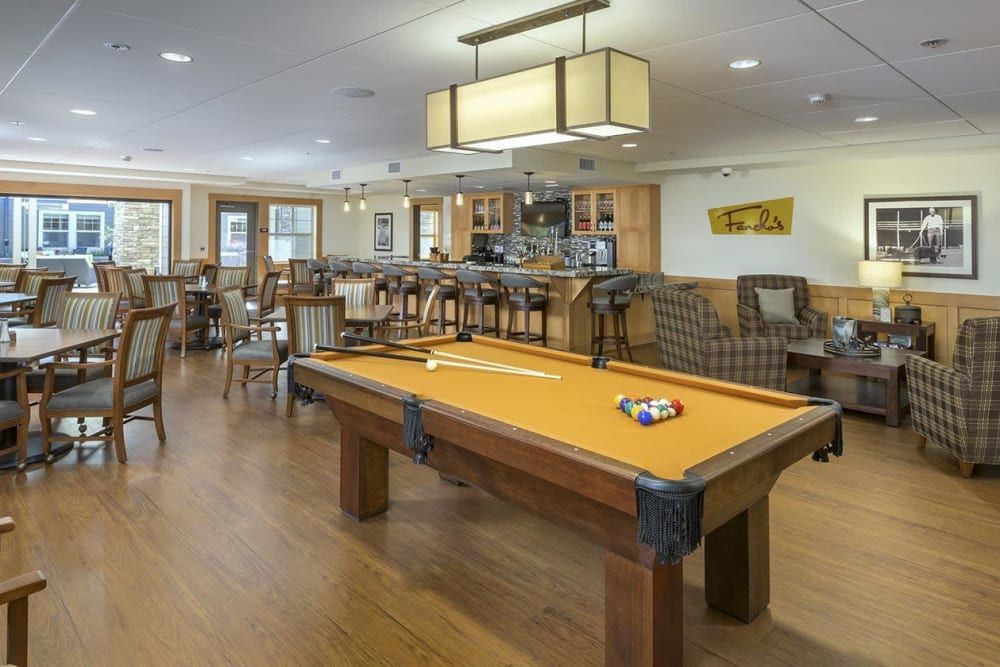
Gaming room
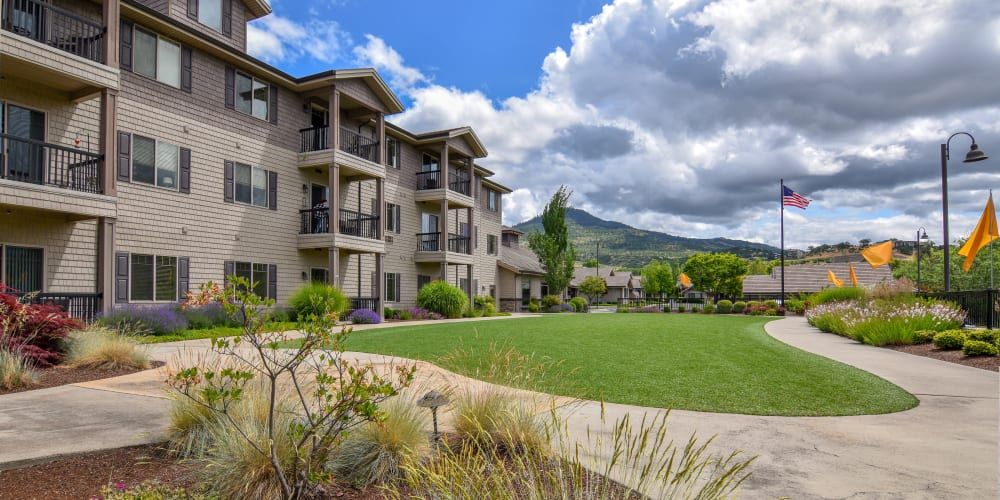
Garden
Housekeeping services
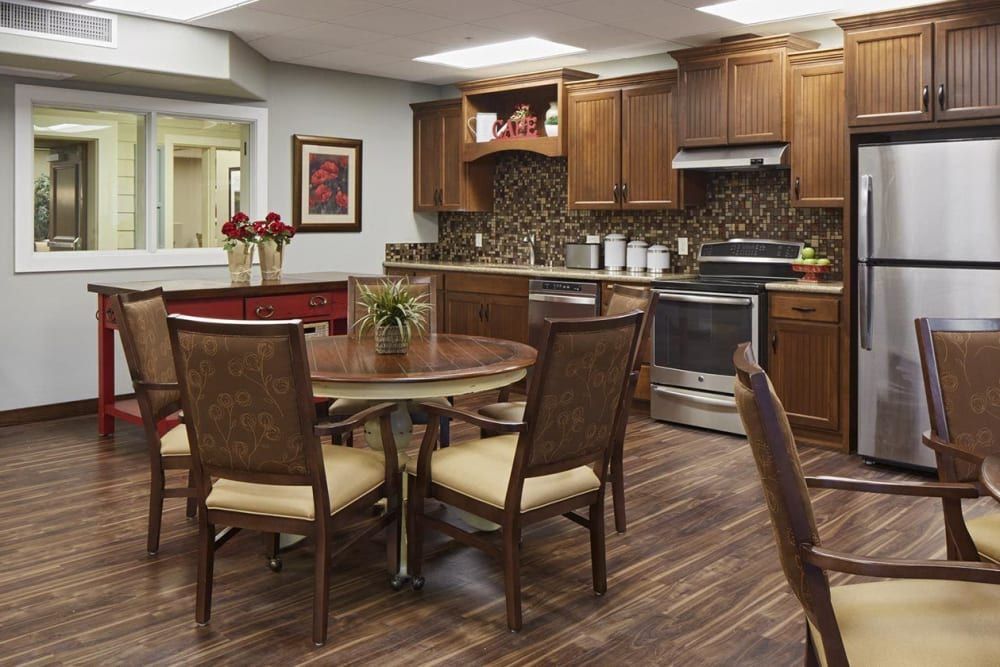
Kitchenette
Move-in coordination
Outdoor space
Private bathrooms
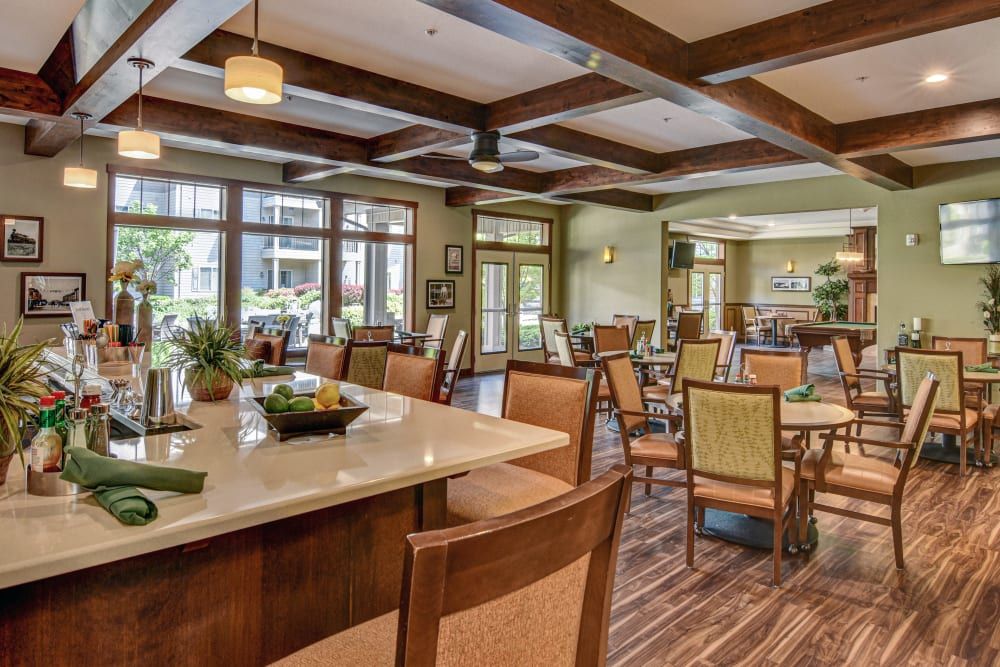
Restaurant-style dining
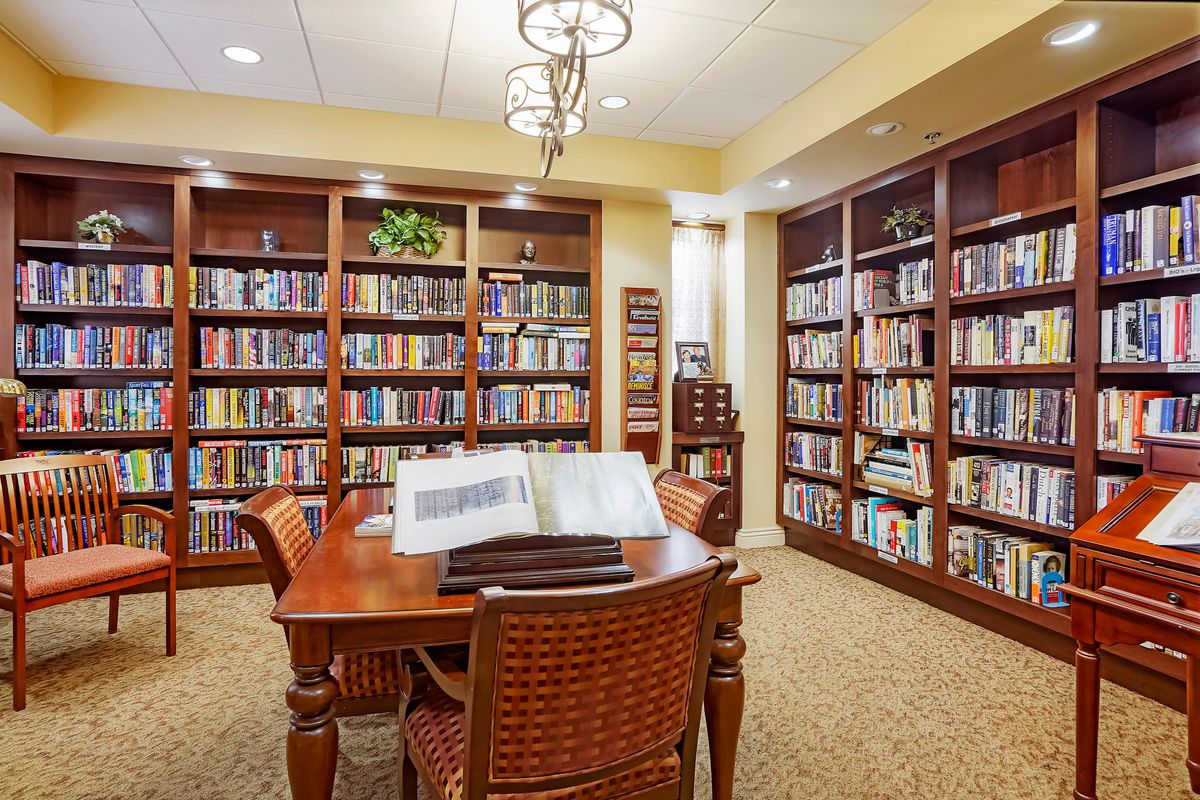
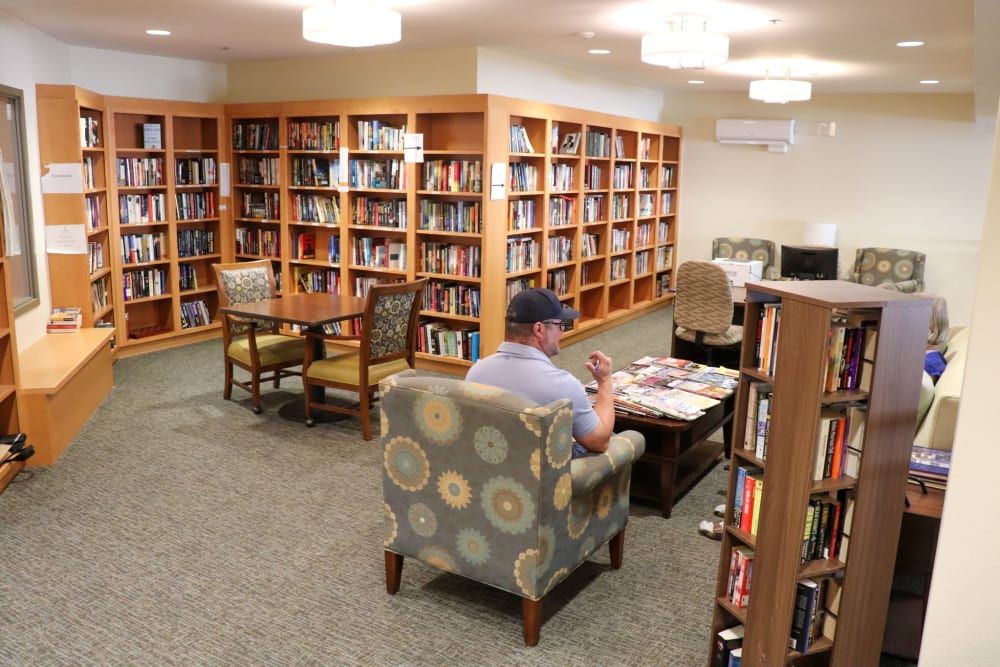
Small library
Telephone
Wellness center
Wi-Fi/high-speed internet available
Transportation
Fresno Yosemite International (5 miles away)
Community operated transportation
Transportation arrangement
Transportation arrangement (non-medical)
Transportation to doctors appointments
Care Services
12-16 hour nursing
24-hour call system
24-hour supervision
Activities of daily living assistance
Assistance with bathing
Assistance with dressing
Assistance with transfers
Diabetes diet
Meal preparation and service
Medication management
Mental wellness program
Mild cognitive impairment
Special dietary restrictions
Specialized memory care programming
Dining
Diabetes diet
Special dietary restrictions
Activities
Community-sponsored activities
Concierge services
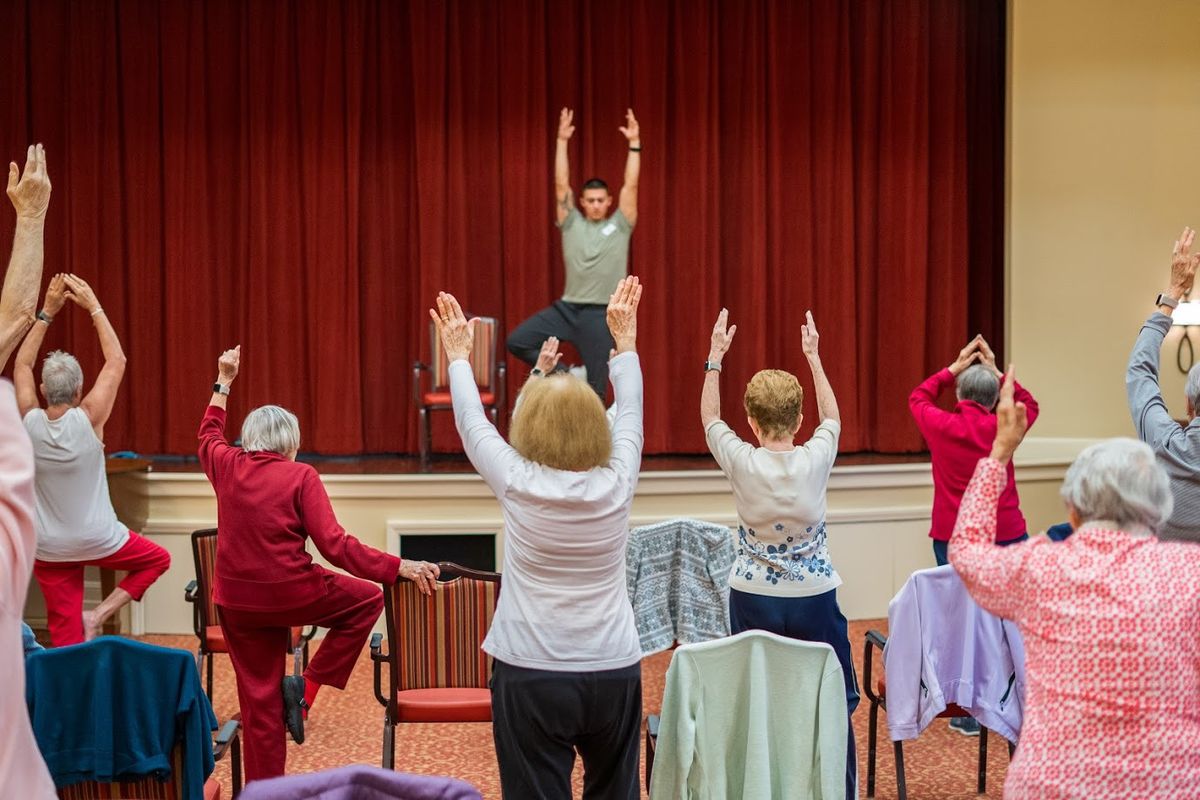
Fitness programs
Planned day trips
Resident-run activities
Scheduled daily activities
Nearby Places of Interest
Located in the Central Valley of Fresno, California, this area offers a convenient and accessible location for senior living. With various medical facilities nearby such as SleepQuest, Neuro Pain Medical Center, and Nephrology Associates, seniors can easily access healthcare services. Additionally, there are plenty of dining options including Taco Bell, The Cheesecake Factory, and Chick-Fil-A for a variety of culinary experiences. For spiritual needs, places of worship like St Anthony of Padua and First Church Of God are within a short distance. The neighborhood also features pharmacies like Walgreens and CVS Pharmacy for medication needs. To unwind and enjoy leisure activities, seniors can visit parks like Woodward Park or catch a movie at theaters such as Regal Edwards Fresno Screenx. Overall, this part of Fresno provides a well-rounded environment suitable for senior living with its convenient amenities and services.
Physicians
SleepQuest - Central Valley Patient Service Center (0.1 miles)
Paramjit S. Fagoora, MD - Clear Vision Medical Center (0.2 miles)
Ketsana Vilaysane (0.6 miles)
Neuro Pain Medical Center (0.6 miles)
Advanced Medical Imaging (0.7 miles)
Nephrology Associates (1.4 miles)
Valley Endocrine & Valley Research - Norwood Paul C MD (1.4 miles)
The features at The Terraces At San Joaquin Gardens Village are thoughtfully designed to provide comprehensive support for residents with dementia or Alzheimer's disease. Assistance with dressing, bathing, and transfers ensures that individuals can maintain their dignity while receiving the help they need in daily activities. Medication management is critical for maintaining health and preventing confusion related to dosing schedules. Meal preparation and service cater not only to nutritional needs but also promote a sense of routine and familiarity through consistent dining experiences. A focus on activities of daily living empowers residents to engage in meaningful tasks, enhancing their sense of purpose. The 24-hour supervision offers peace of mind both for residents and families, ensuring safety at all times. Furthermore, mental wellness programs tailored for mild cognitive impairment encourage cognitive engagement and social interaction, while specialized memory care programming addresses the unique challenges faced by those with memory loss, fostering an environment that supports reminiscence and connection.
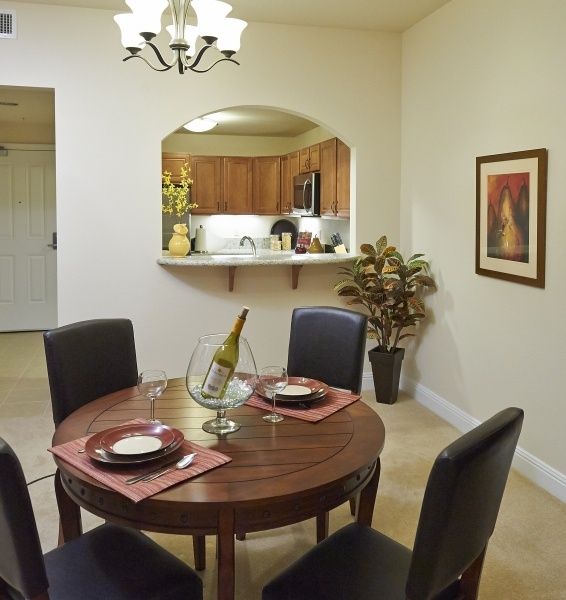
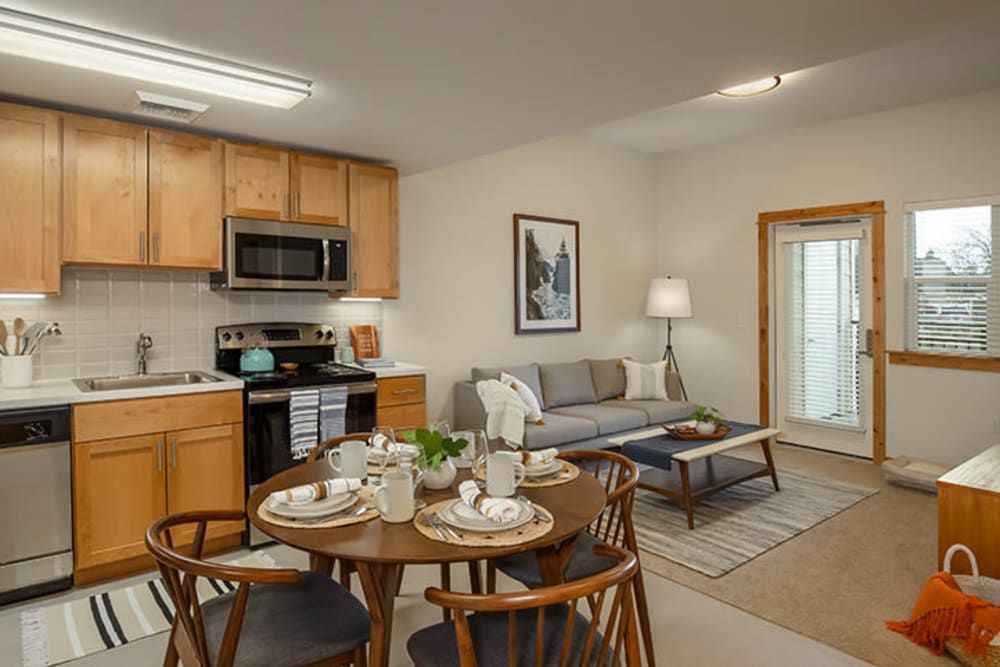
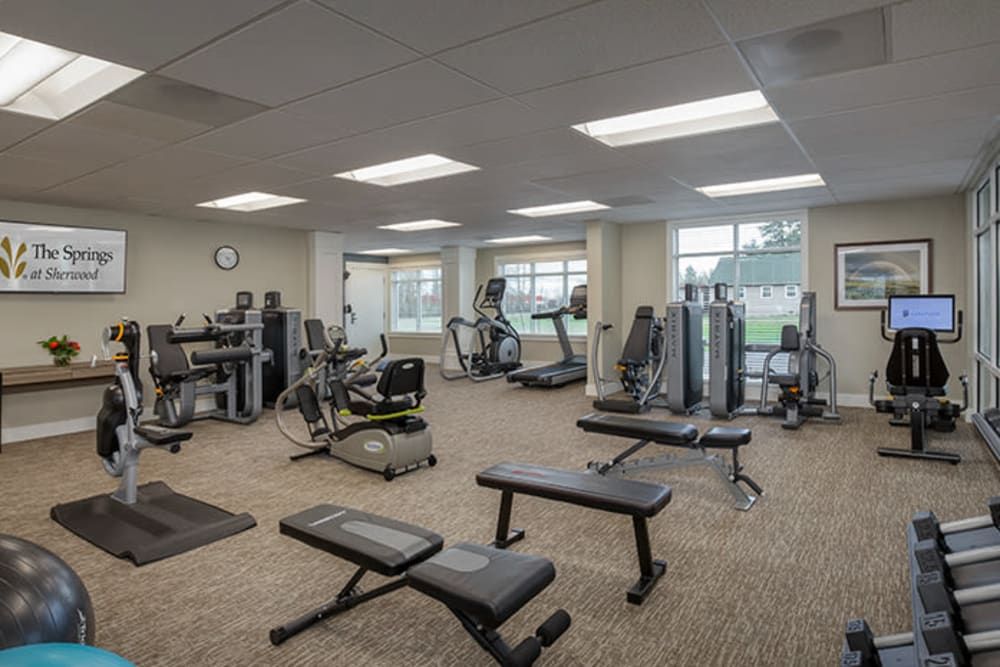
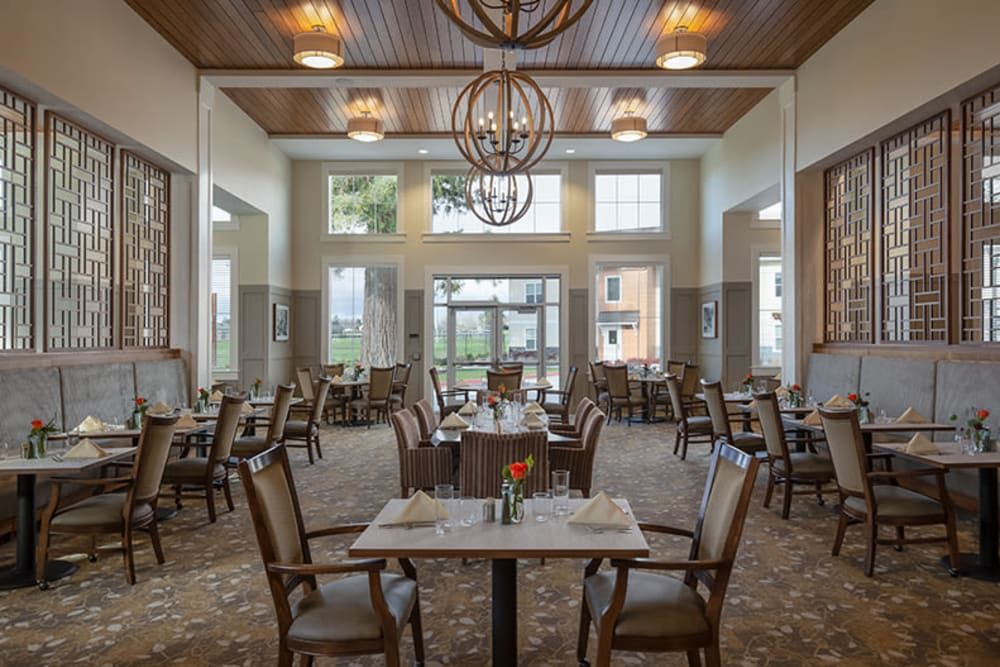
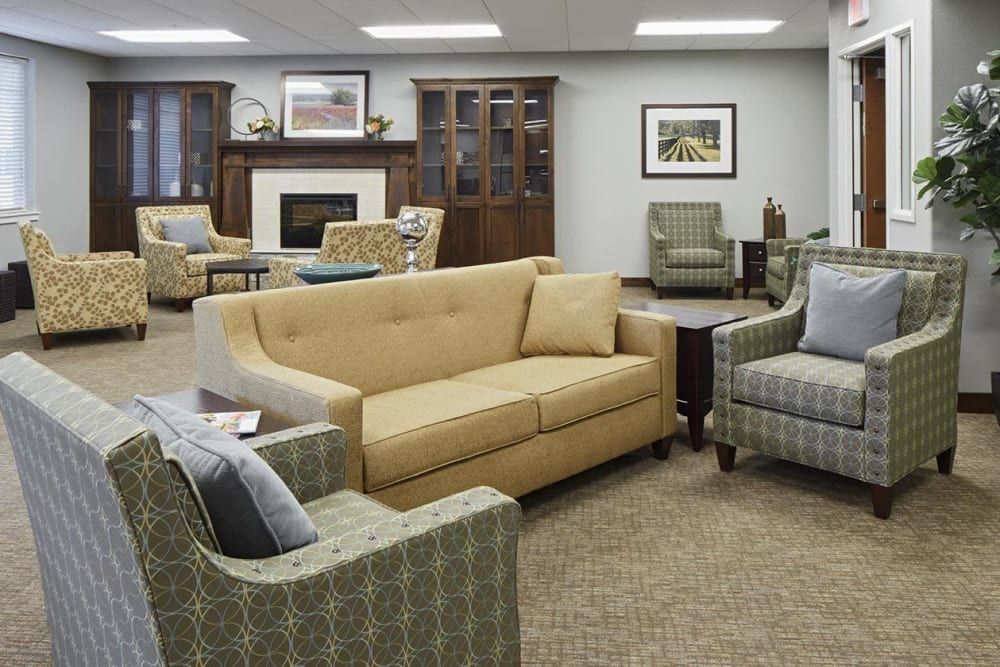
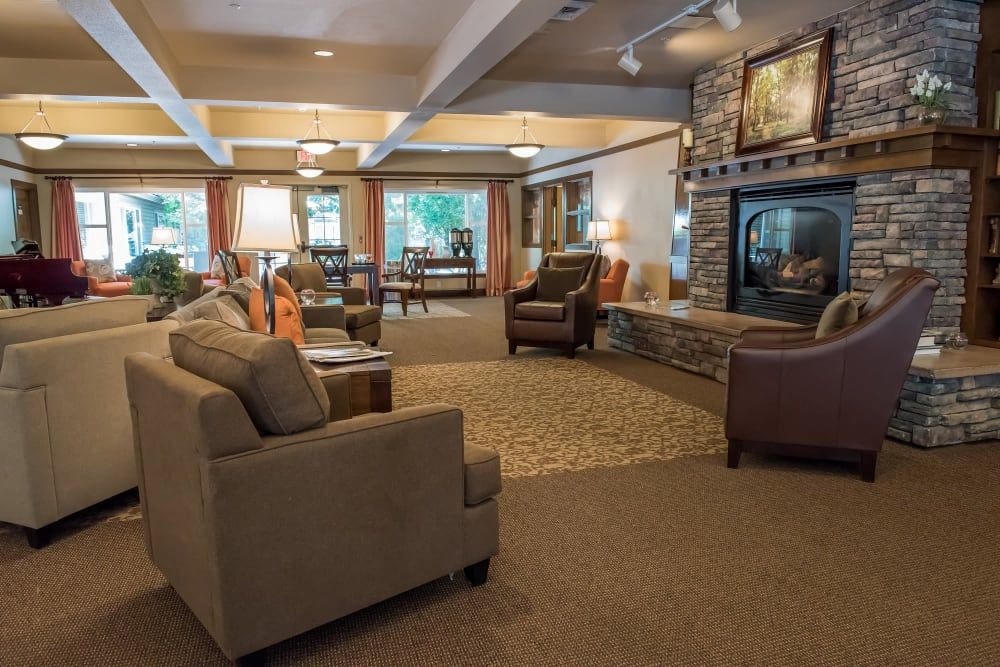
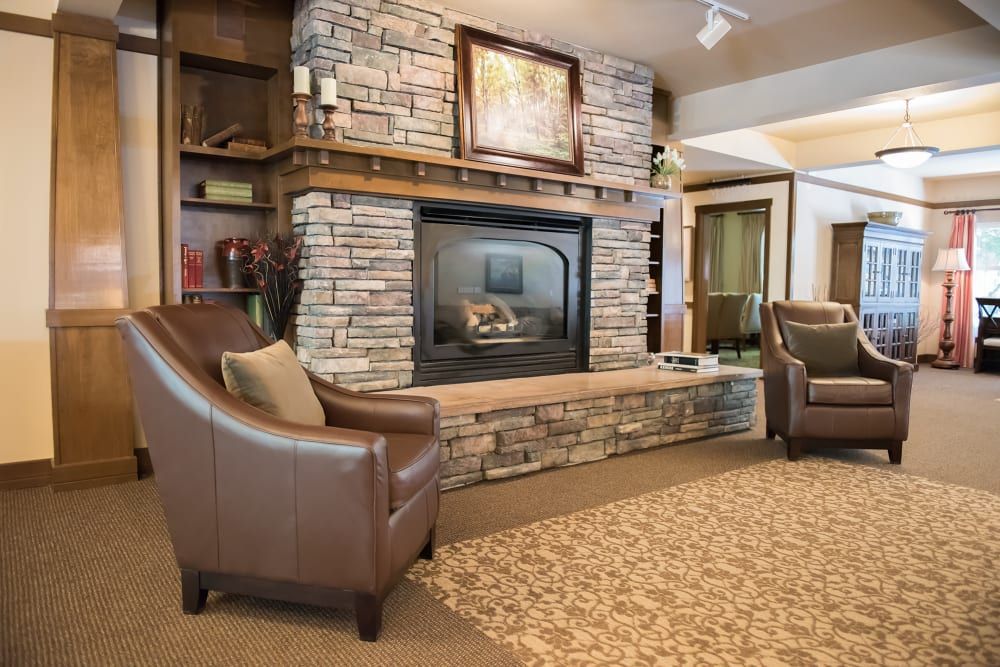
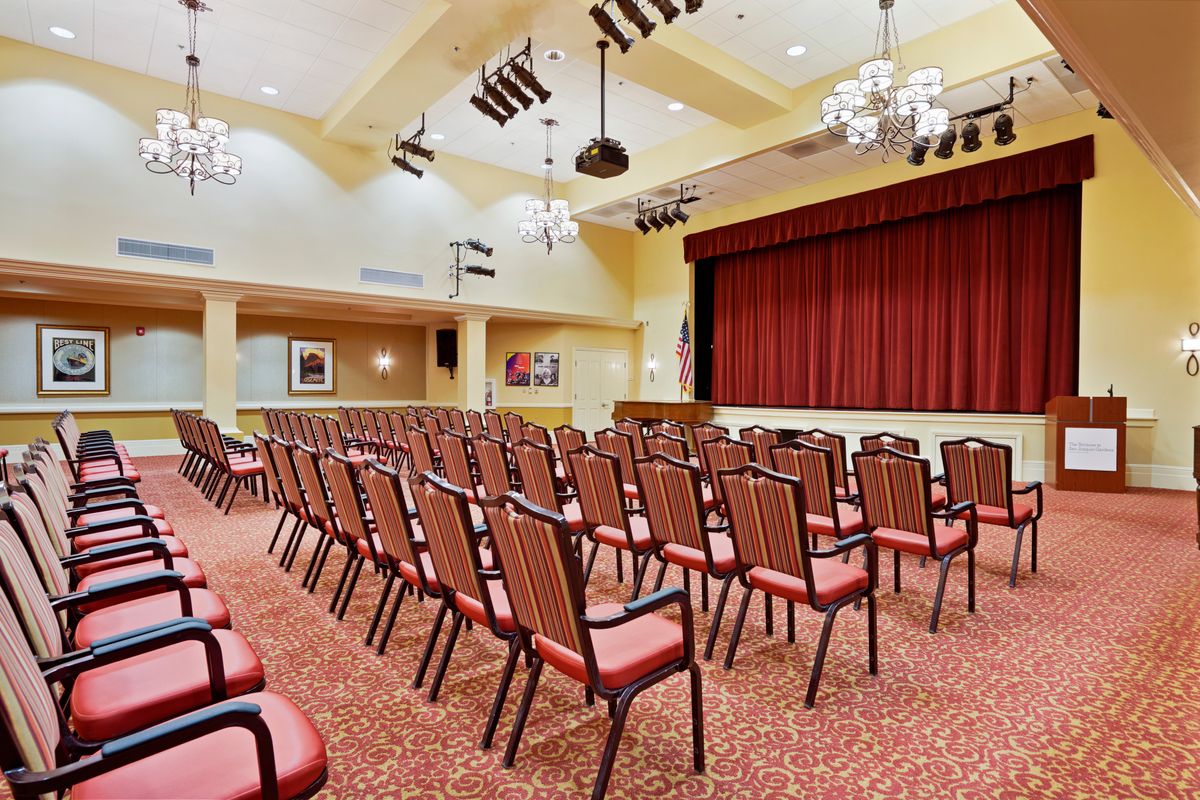
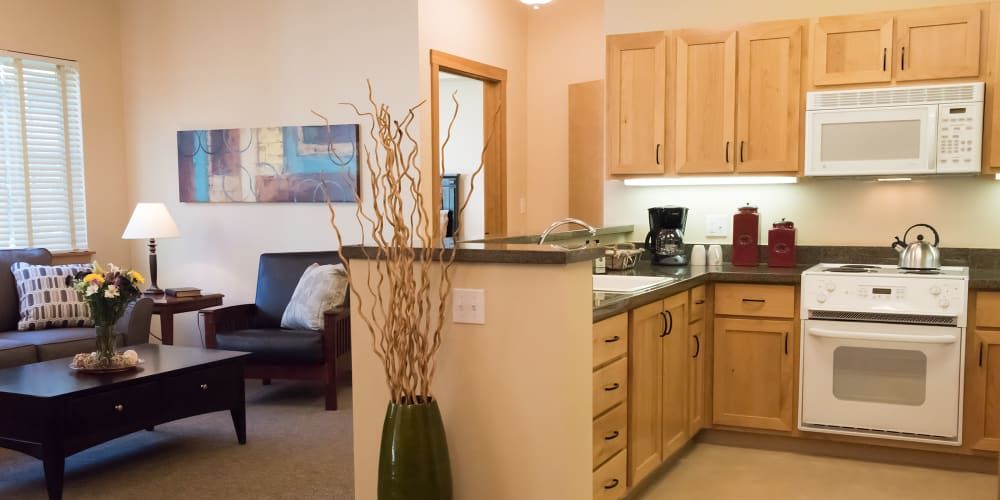
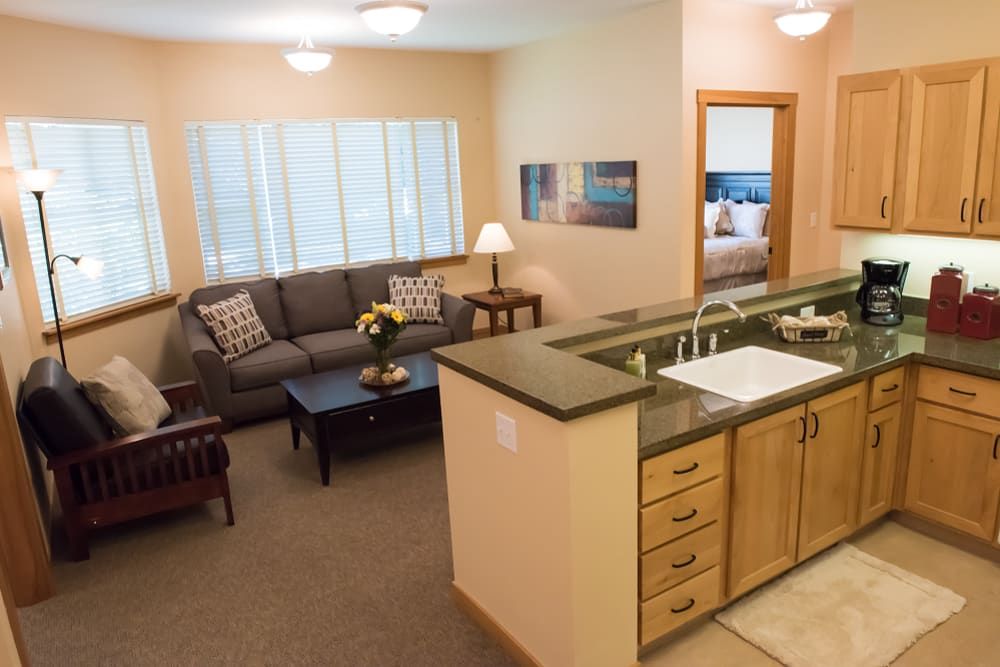
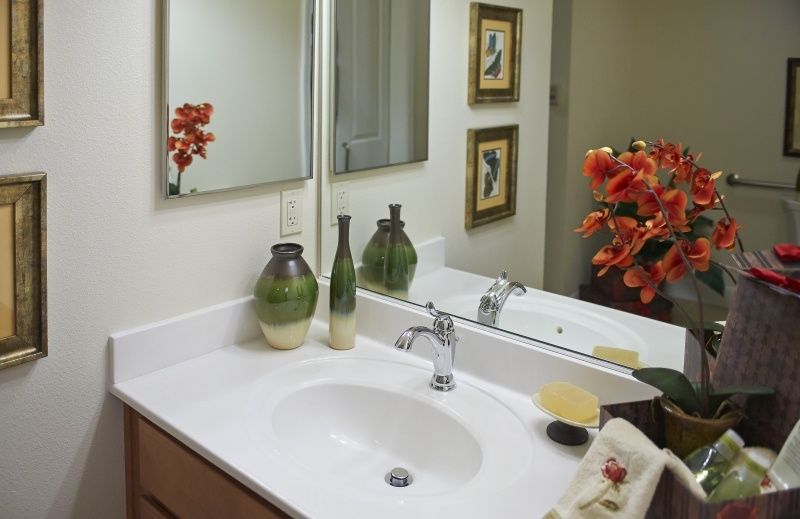
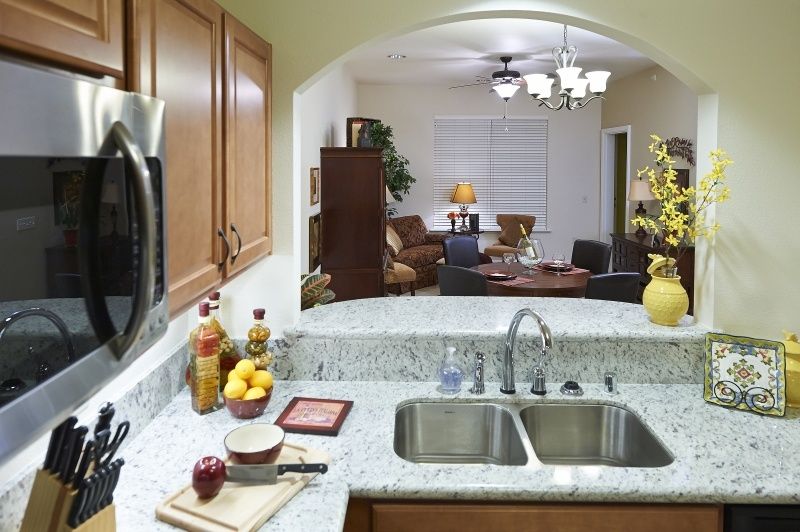
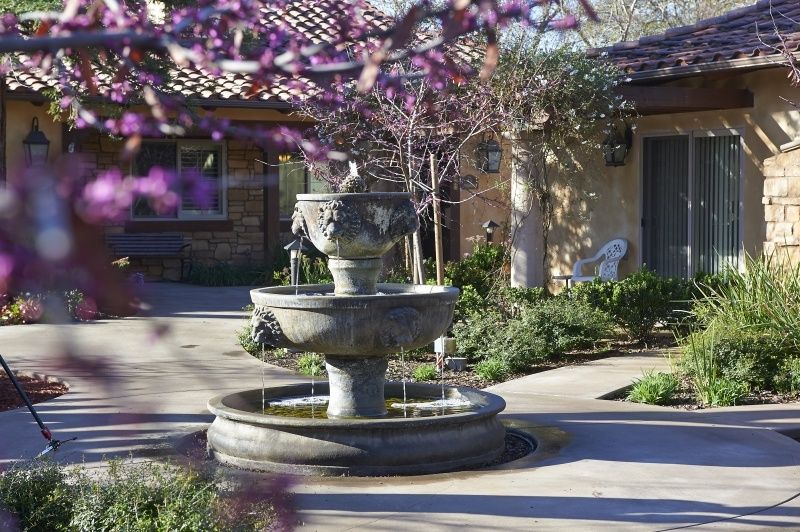
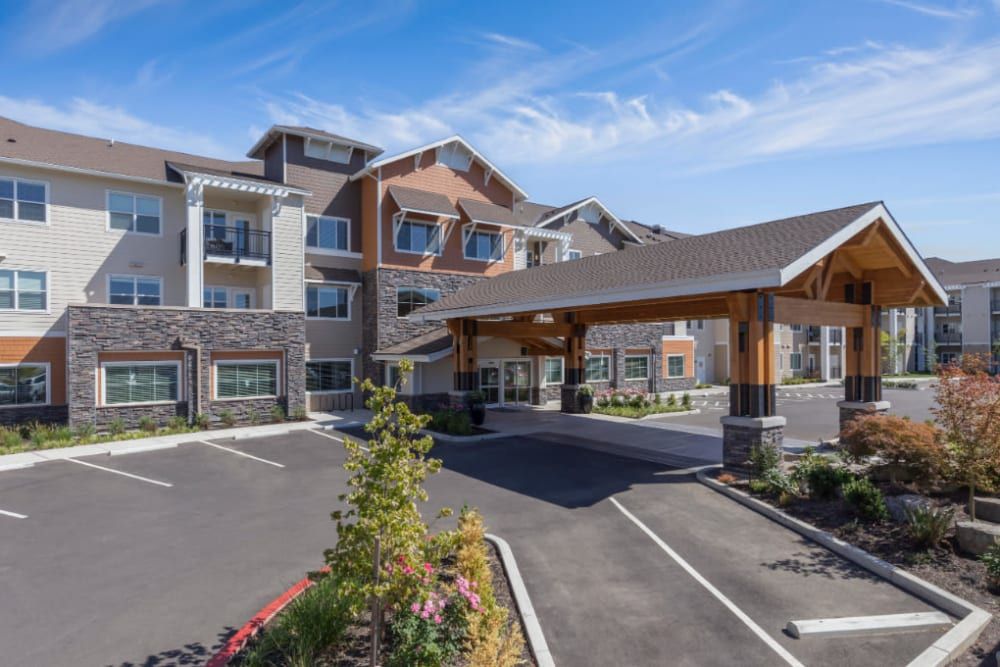
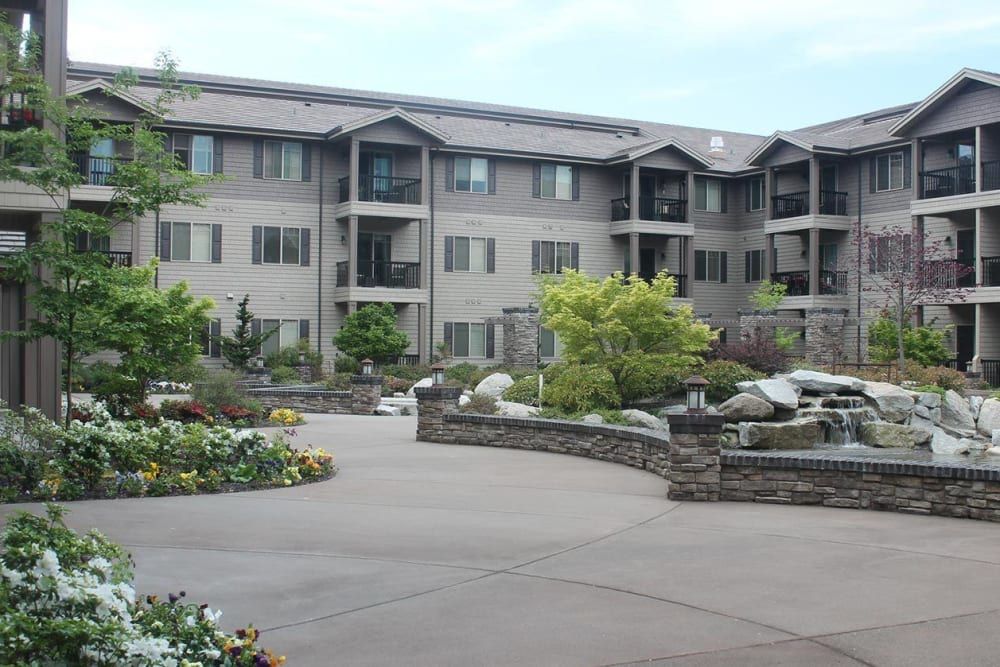
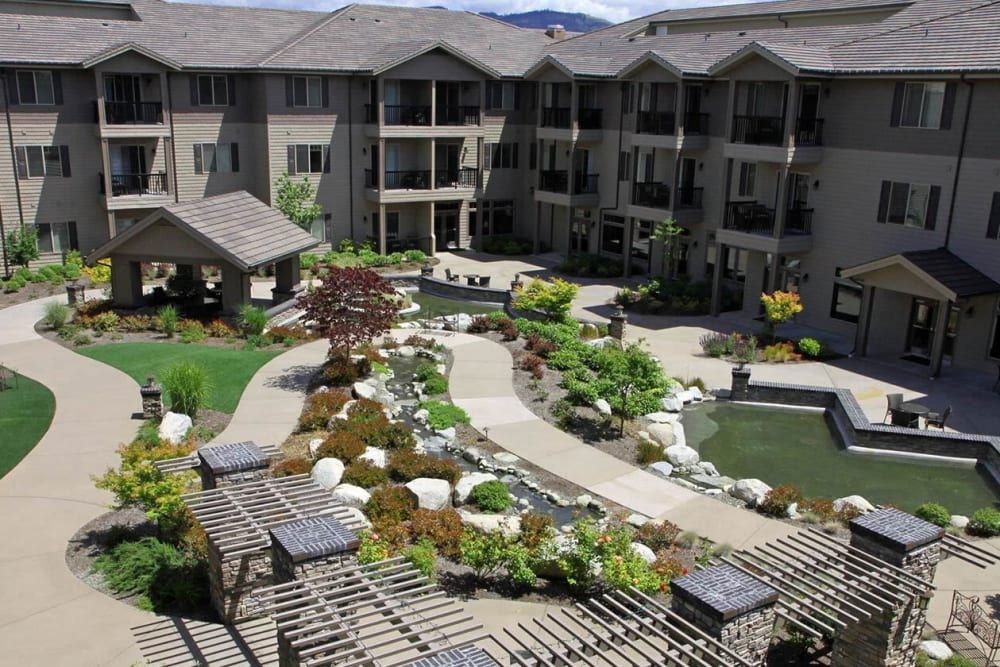
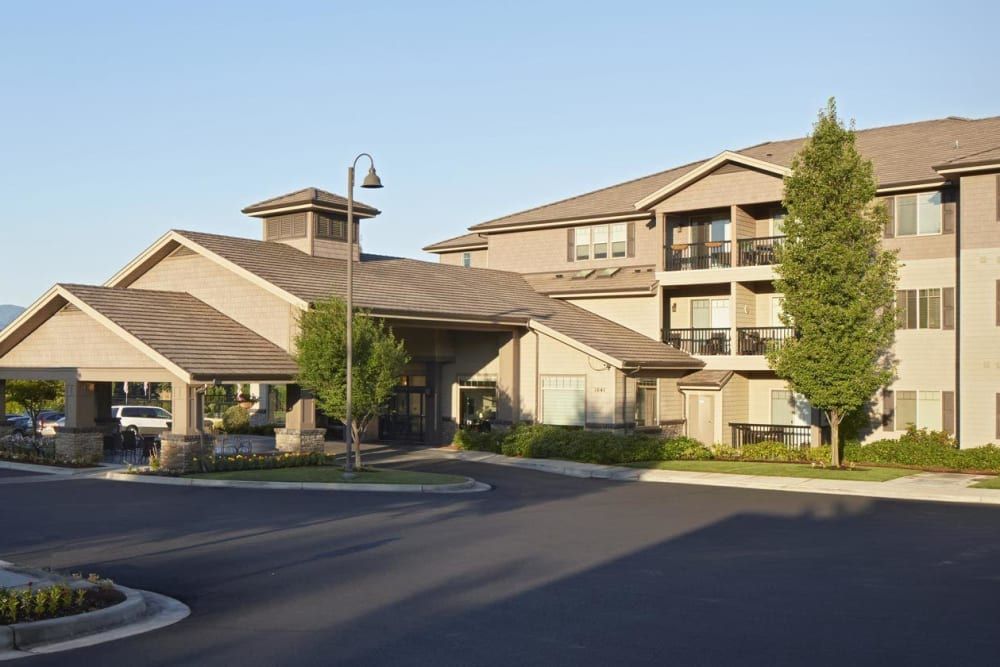
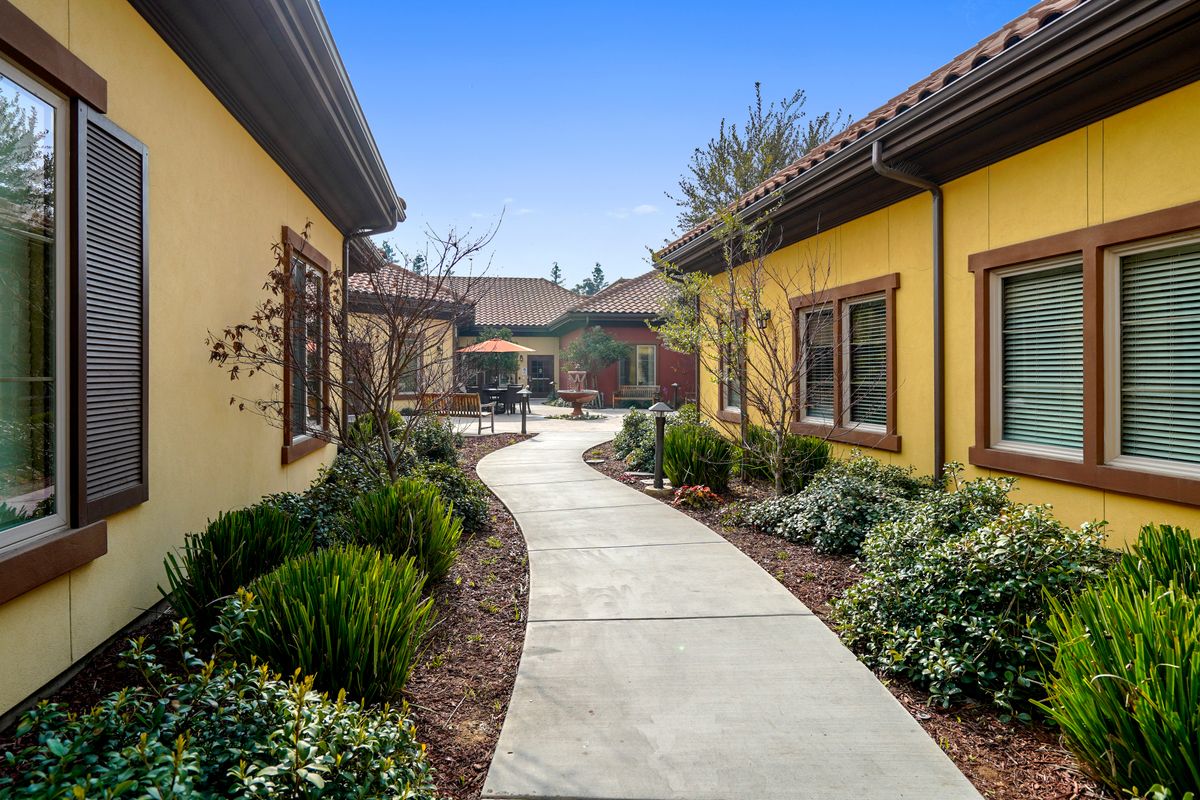
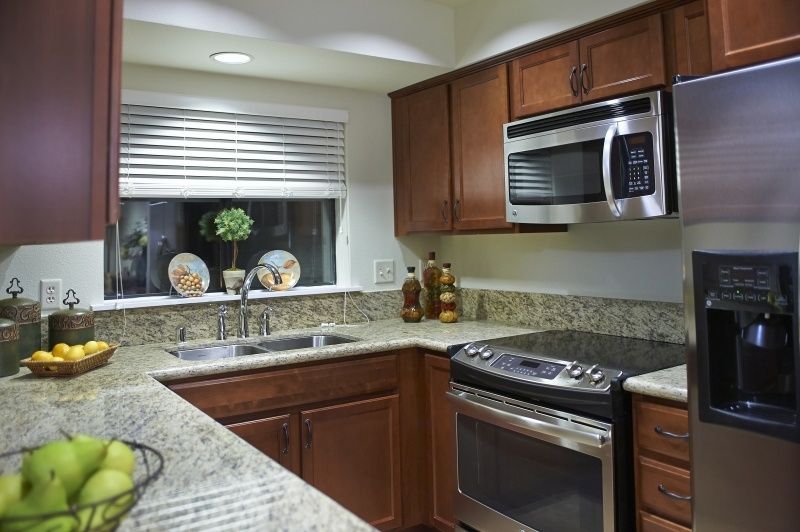
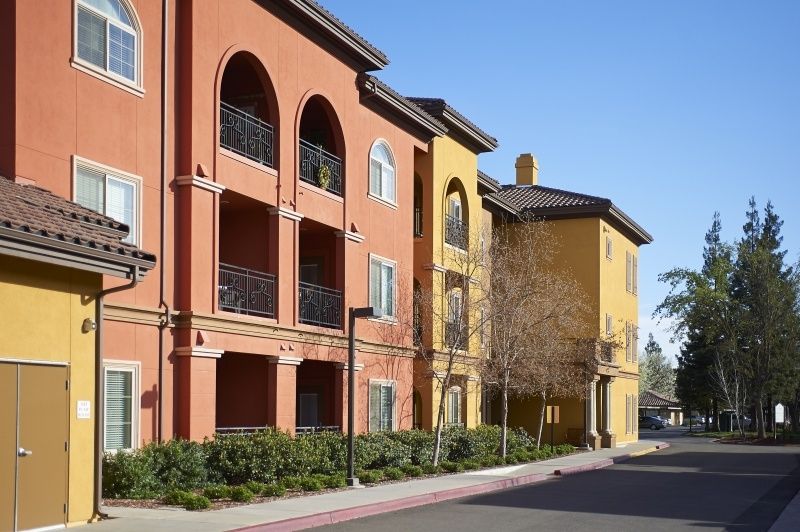
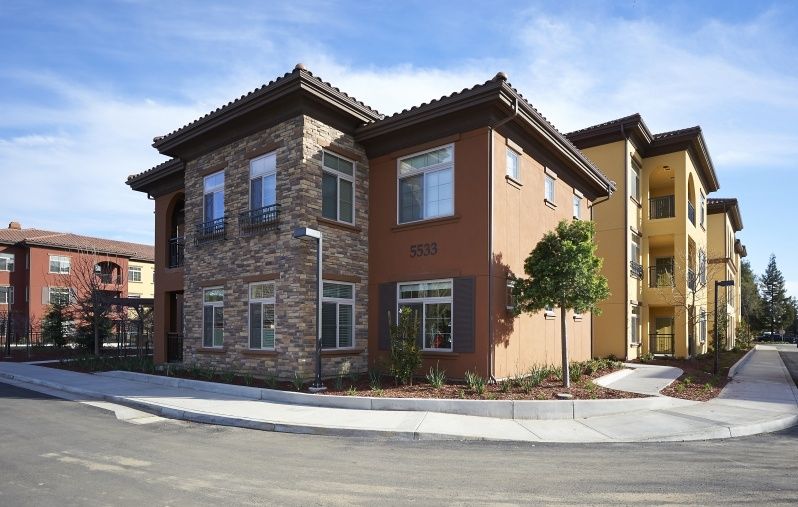
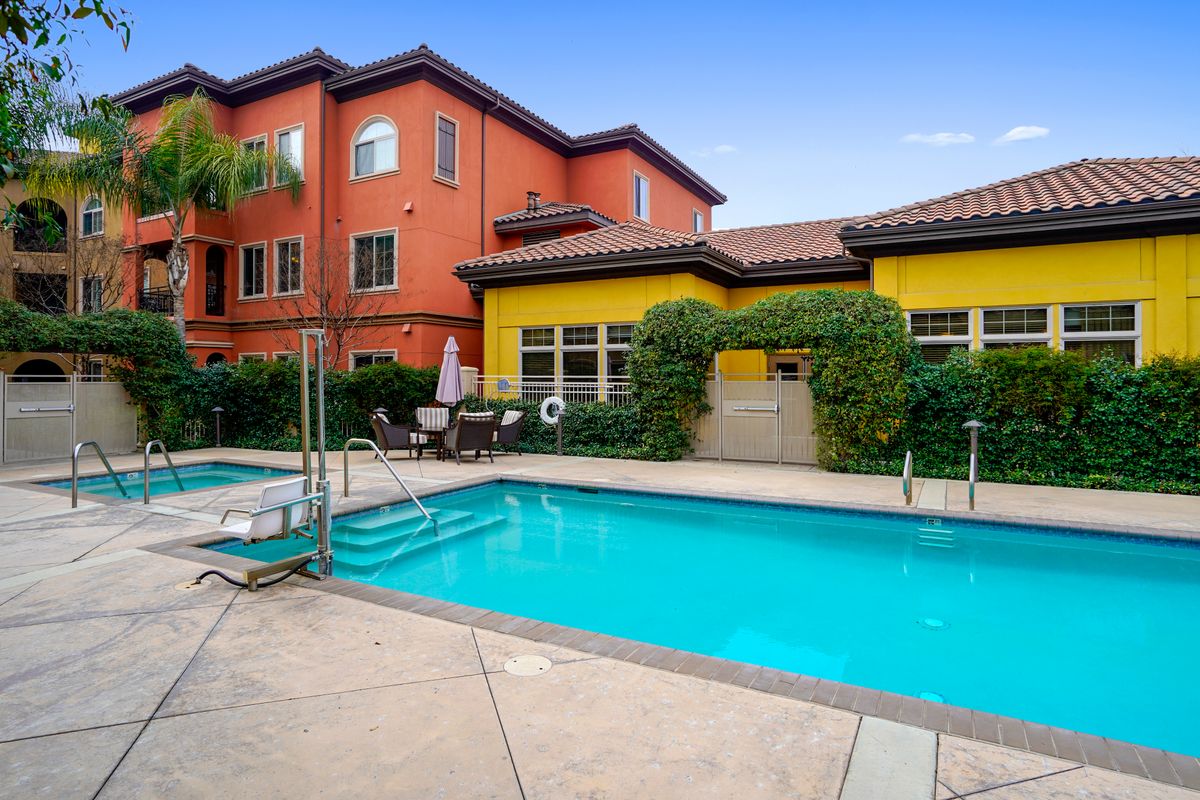
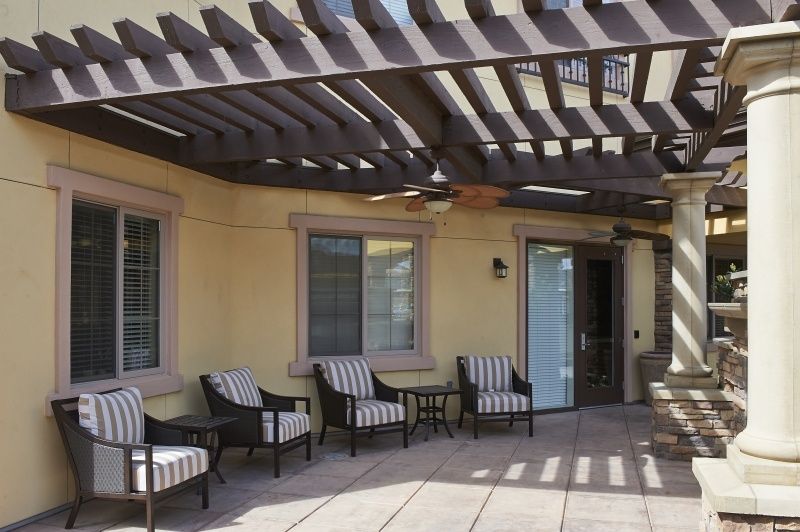
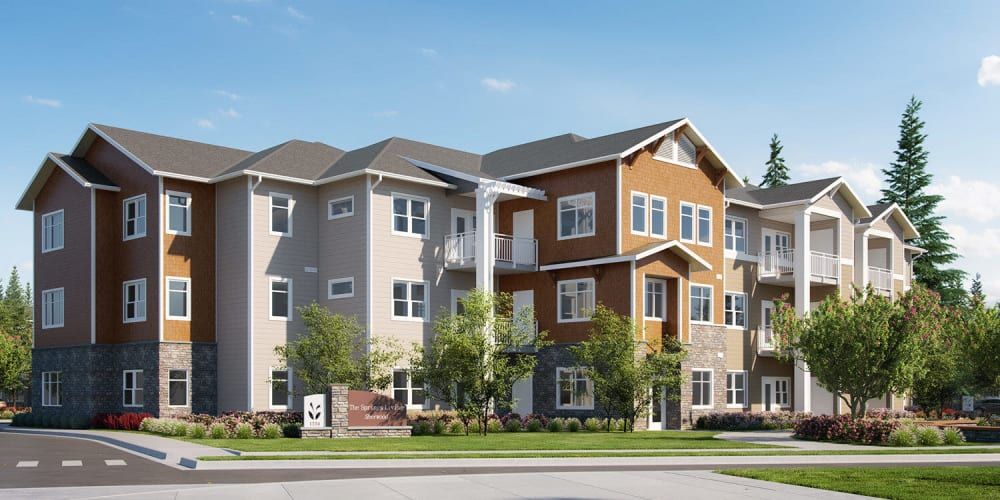
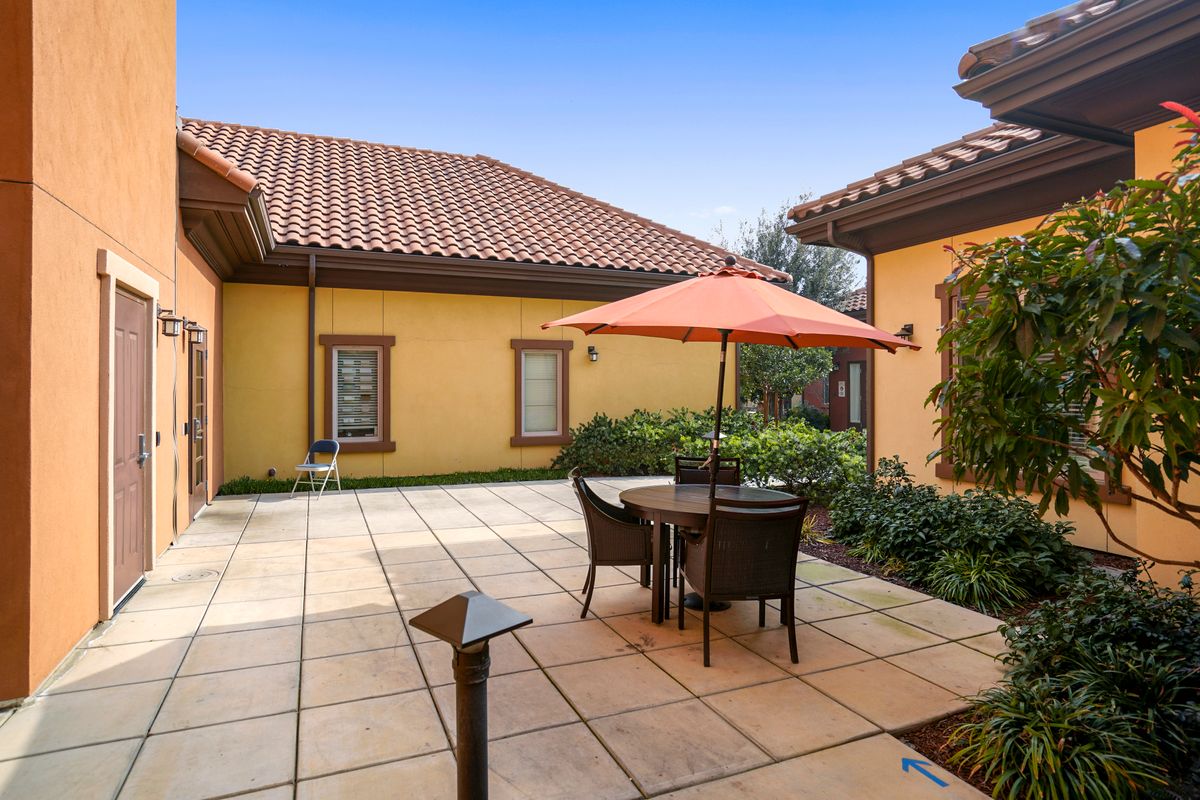
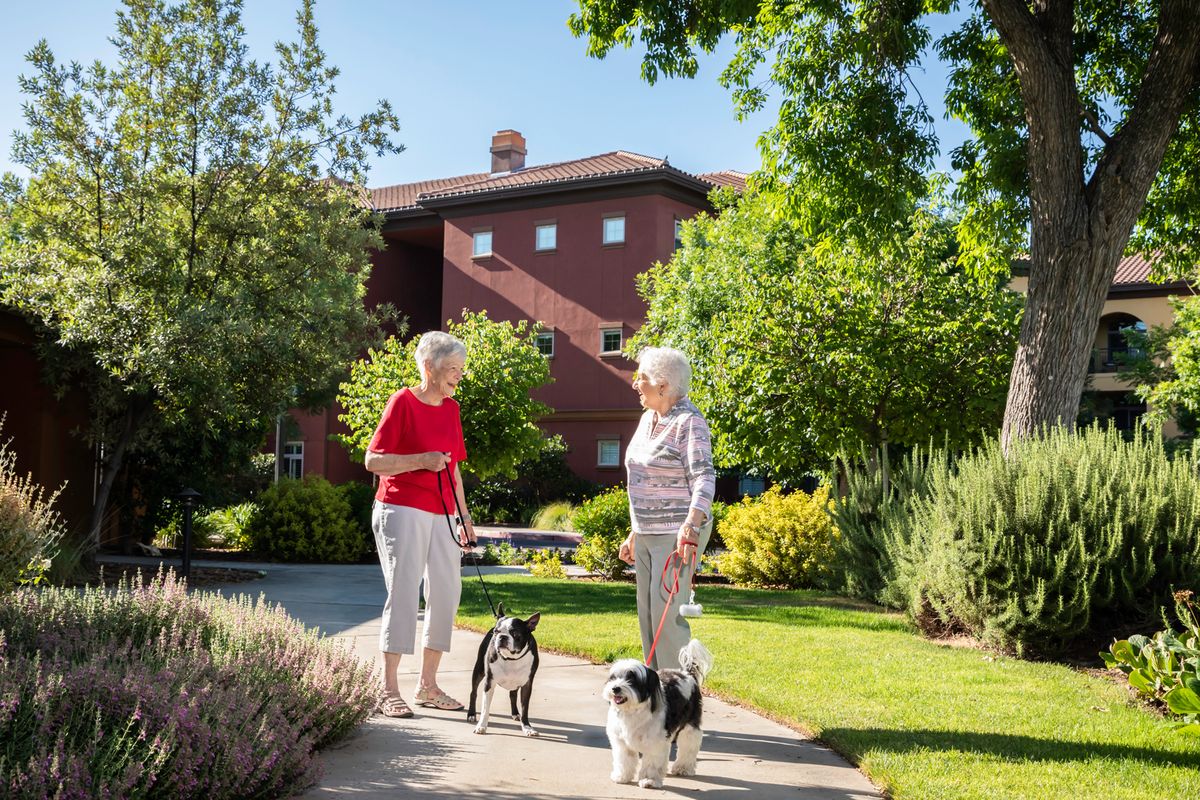
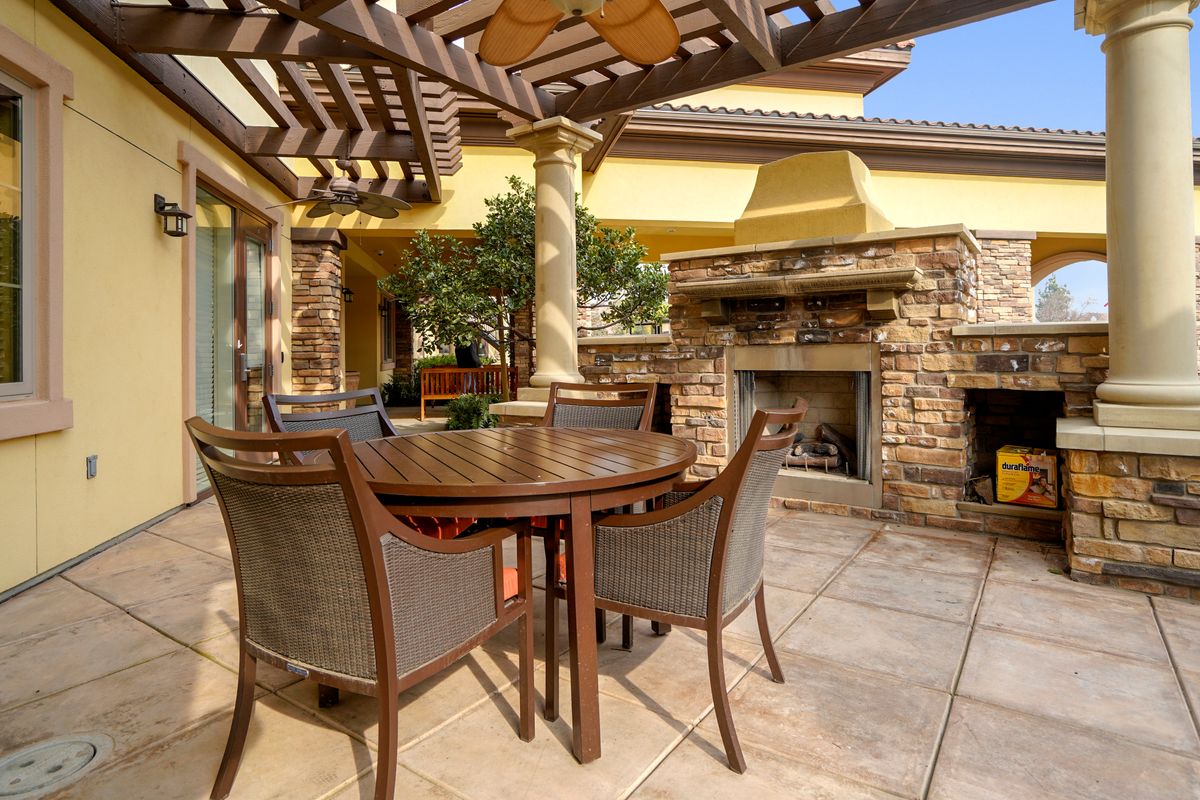
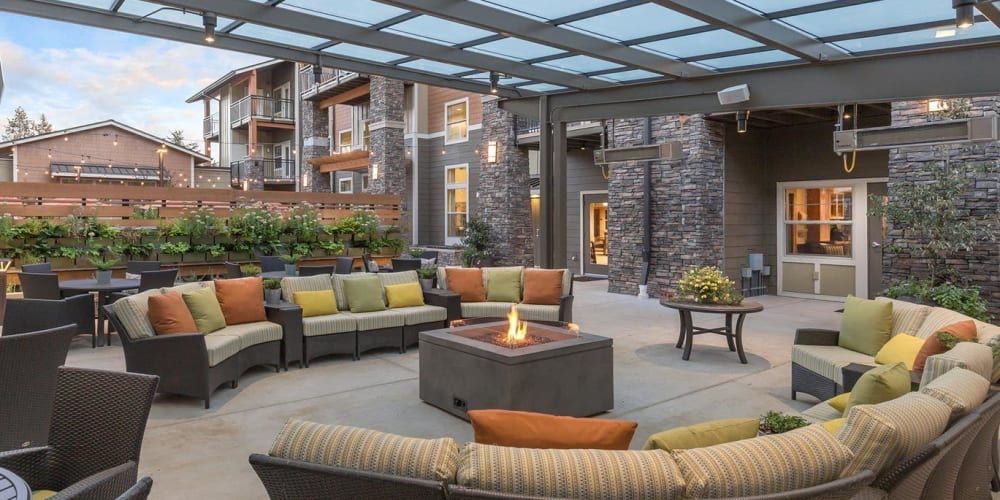
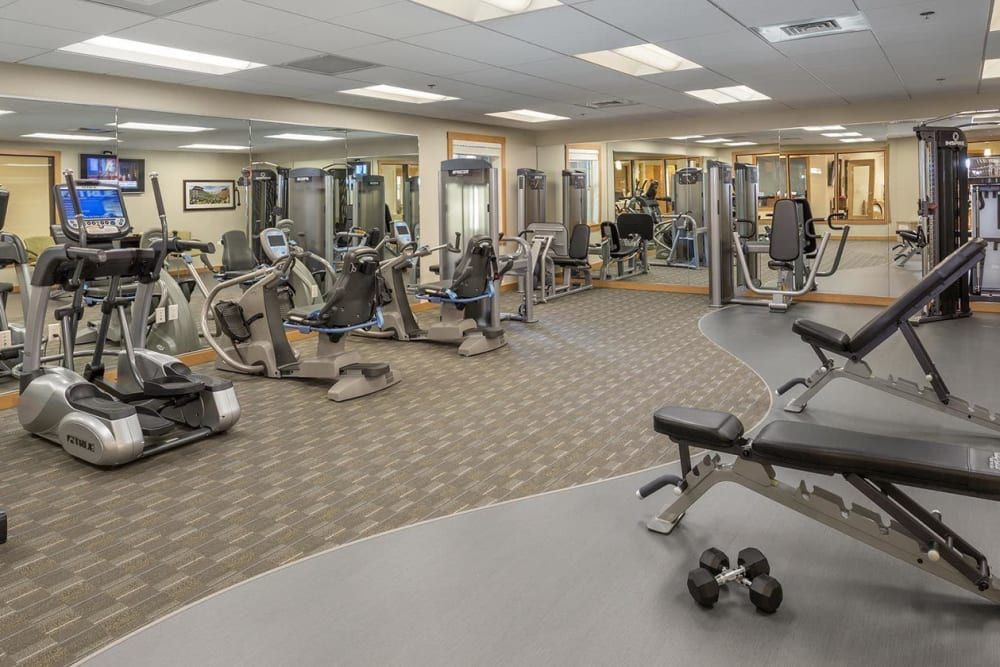
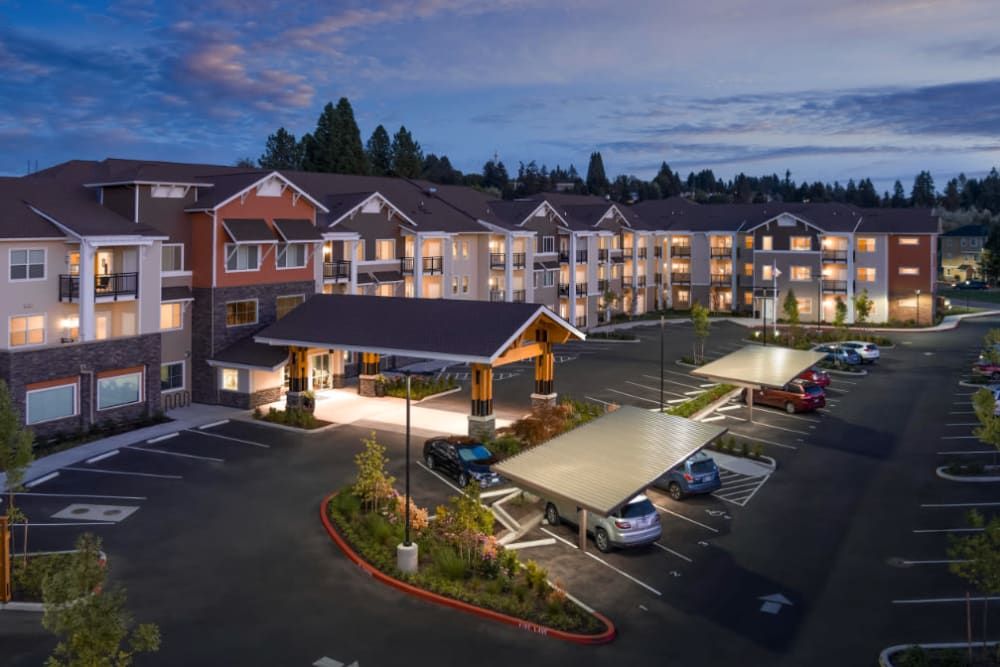
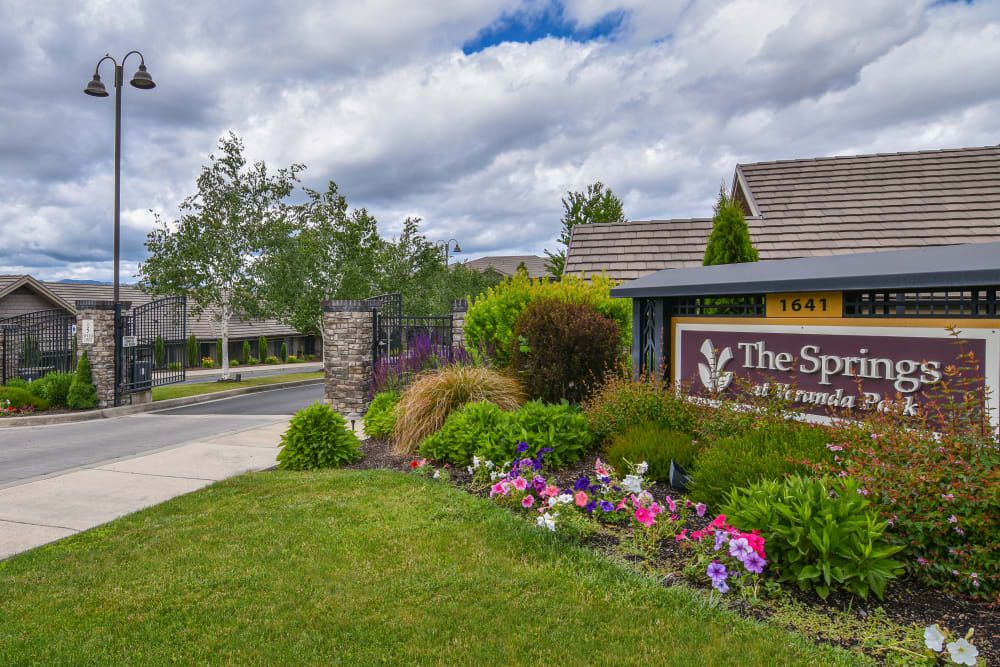
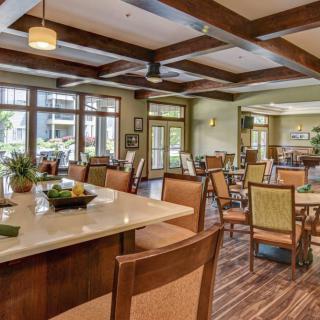
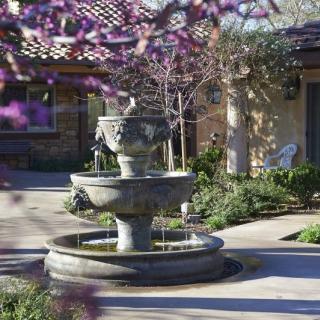
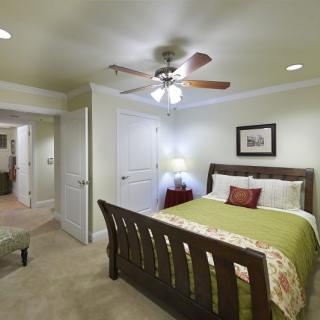
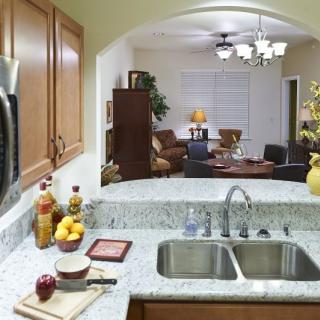
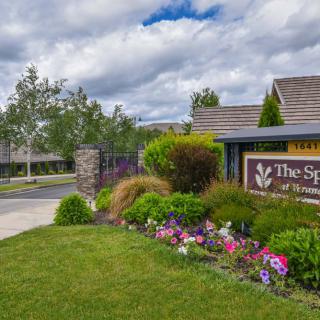
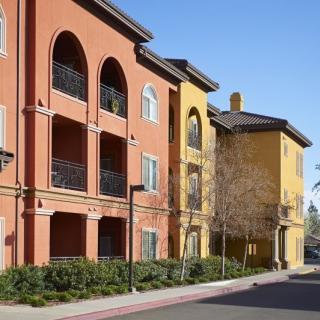
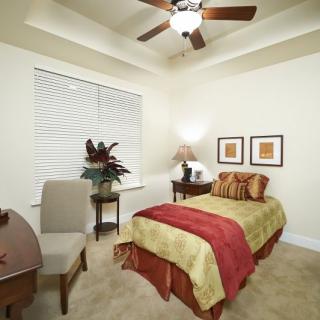
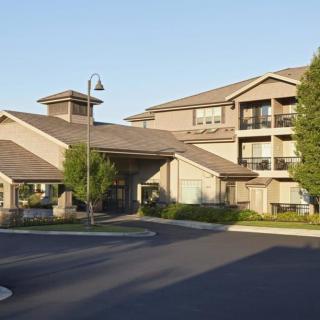
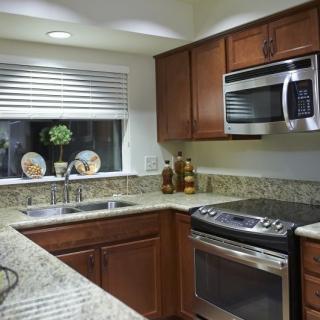
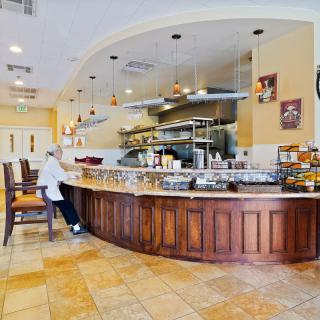
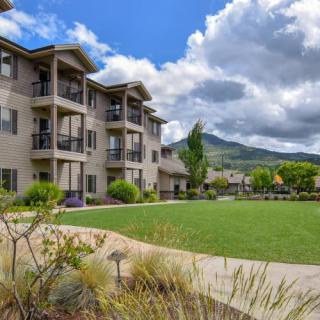
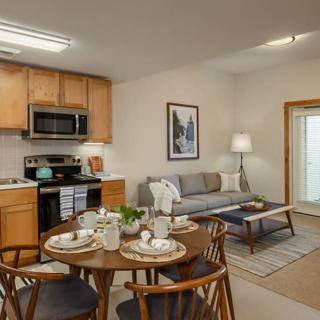
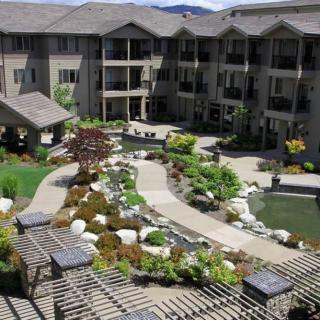
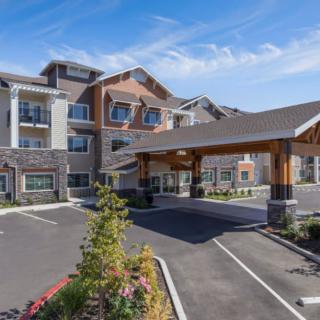
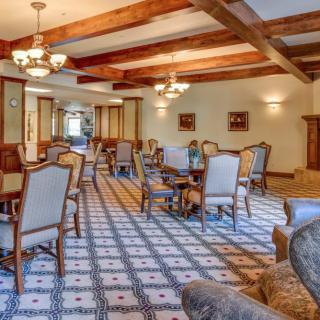
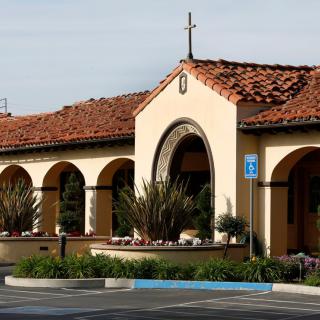
The Terraces At San Joaquin Gardens Village on seniors.fyi includes 58 photos including images showing interior, dining, decor, living room, landscaping, kitchen, building, architecture, and more.
Nearby Communities
Garden View Health Ctr
Fresno, CA
4.3 from 53 reviews
Vibrant, convenient location with abundant nearby dining, healthcare, and cultural options.
The Terraces at San Joaquin Gardens a CCRC
Fresno, CA
4.4 from 87 reviews
$2,592 to $3,516 / month
Caring staff and a strong continuing-care model with diverse dining and activities.
Heart To Heart Family Care Center
Fresno, CA
4.6 from 10 reviews
Homelike atmosphere with personalized care and comprehensive services.
Northpointe Healthcare Centre
Fresno, CA
4.2 from 120 reviews
Broad amenities and 24-hour supervision.
Maxim Healthcare
Fresno, CA
4.1 from 68 reviews
Excellent access to healthcare and nearby amenities.
Maxim of Fresno - Companion Services
Fresno, CA
4.1 from 62 reviews
Fresno Guest Home VI
Fresno, CA
4.6 from 19 reviews
$2,800 / month
Affordable private-room option with extensive nearby amenities.
Nazareth House
Fresno, CA
4.7 from 23 reviews
$3,300 / month
Compassionate staff in a serene Catholic community with comprehensive care.
Summerfield Memory Care Of Fresno
Fresno, CA
4.6 from 76 reviews
Compassionate, attentive staff with engaging activities.
Alzheimer’s disease is a progressive neurological disorder that significantly impacts memory and cognitive functions, accounting for 60-80% of dementia cases, with early diagnosis being crucial yet challenging. It involves brain changes like beta-amyloid plaques and tau tangles, influenced by genetic and lifestyle factors, and while there is no cure, symptom management and support for caregivers are essential.
Dementia, influenced by aging and certain medications, may be exacerbated by drug classes such as anticholinergics, benzodiazepines, and antipsychotics, which are associated with cognitive impairment. Regular medication reviews by healthcare professionals are crucial for older adults to manage risks and optimize cognitive health.
Dementia often results in disrupted sleep patterns, leading to excessive daytime sleeping due to factors like brain damage affecting circadian rhythms, medication side effects, and lack of structure in daily activities. Caregivers must monitor these changes closely, as oversleeping can increase risks such as malnutrition or dehydration, and provide necessary support and routines to enhance patient engagement and well-being.
The Terraces At San Joaquin Gardens Village photos
×
Interior
Outdoors
Decor
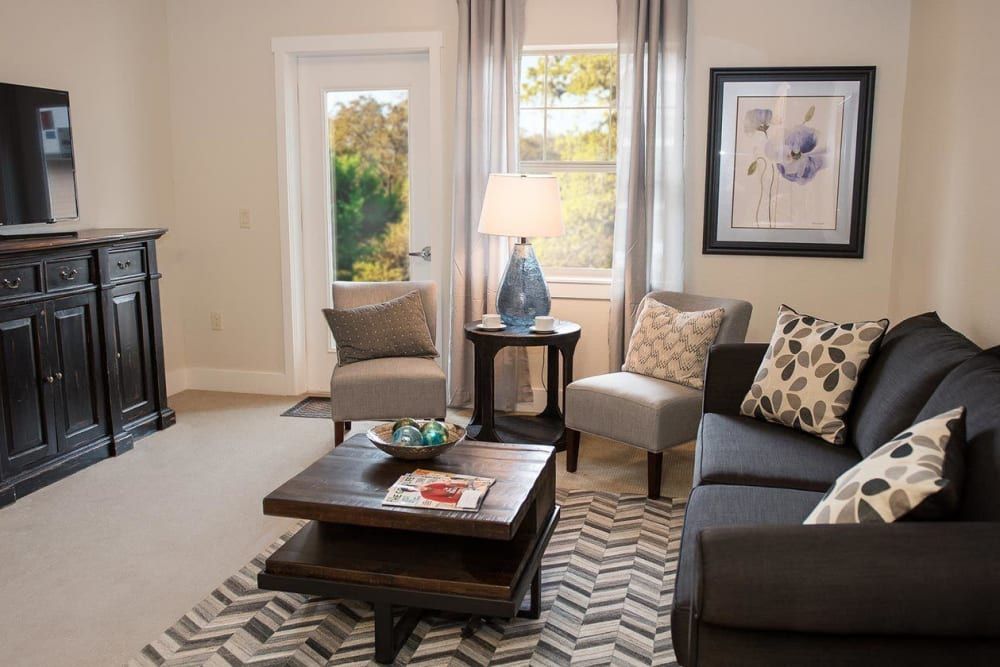
Living Room
Building
Architecture
Bedroom
Trees
Windows
Dining
Landscaping
Kitchen
Garden
Entrance
Interior
Decor
Bedroom
Dining
Living Room
Landscaping
Windows
Building
Architecture
Bathroom
Trees
Kitchen
Lighting and Home Interior
Garden
Artwork and Place Settings
Chandelier
Fireplace
Seating Area
Outdoor
Entrance
Patio
Outdoors
Exercise Equipment and Gym
Pathway
Outdoor Seating
Exterior
Salon, Mirrors, and Spa
Appliances
Natural Light
Bookshelves and Reading Room
Seating
Wall Art and Window Blinds
Painting
Parking
Library
Billiards
Courtyard
Swimming Pool
Clouds
Fountain
Lights
Conference Room
Fitness and Workout Space
Pergola
Open Space
Modern Architecture
Urban
Apartment Building
Exercise
Apartment Complex
Stone Wall
Oven and Cooking
Table And Chairs and Outdoor Dining
Modern Furniture
Recreation and Indoor Pool
Fitness Center
Bar
Treadmills
Outdoor Space
Covered Area and Fire Pit
Walkway
Workout Room
Reading
Recreation Room and Bar Area
Additional Photos
Get PricingAsk A QuestionSchedule A TourContact Senior Advisor
By clicking submit, you agree to our Partner's Terms of Use. You
also consent to receive calls and texts, which may be autodialed, from our Partner. Your consent is not a condition to
using our Partner's service. Please visit our Partner's Privacy Policy for information about their privacy practices.

 79 resident community capacity
 Assisted Living
 Memory Care
 Skilled Nursing Facility
 Air-conditioning
 Beauty salon
 Cable or satellite TV
 Computer center
 Dining room
 Fitness room
 Fully furnished
 Gaming room
 Garden
 Housekeeping services
 Kitchenette
 Move-in coordination
 Outdoor space
 Private bathrooms
 Restaurant-style dining
 Small library
 Telephone
 Wellness center
 Wi-Fi/high-speed internet available
 Fresno Yosemite International (5 miles away)
 Community operated transportation
 12-16 hour nursing
 24-hour call system
 Activities of daily living assistance
 Assistance with bathing
 Assistance with dressing
 Assistance with transfers
 Diabetes diet
 Medication management
 Mental wellness program
 Special dietary restrictions
 Concierge services
 Planned day trips
 Vibrant, convenient location with abundant nearby dining, healthcare, and cultural options.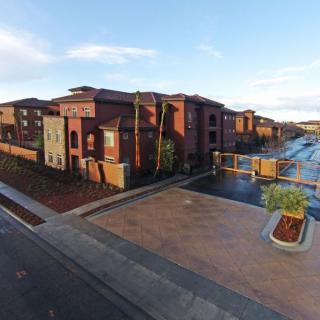

 Illuminating Insights About Alzheimer's Disease: Ten Crucial Realities
 A Thorough Discussion of Medications Potentially Linked to Dementia Risk
 Why Do Dementia Patients Sleep So Much? Understanding Oversleeping, Stages, and Care Approaches