
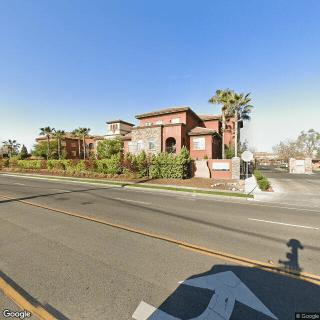
672 East Wrenwood Avenue, Fresno, CA 93710
For more information about senior living options: (866) 208-4318
Overall Review of Heart To Heart Family Care Center
Pros
 Ms. Lynne provides consistent and intentional instruction that helps students learn and grow in the CNA program.
- She is supportive and ensures her students learn the correct way.
- Her dedication helps students become licensed and work alongside nurses and doctors.
- She demonstrates integrity by not taking shortcuts, which is evident in her work.
- The Heart to Heart Training Center offers flexible scheduling and budget-friendly options for aspiring CNAs.
- The program has produced graduates who are now working side by side with nurses and doctors.
- Ms. Lynne is an amazing, efficient professional who is a pleasure to work with.
- Her patience, professionalism, and compassionate teaching style make students feel seen, heard, and valued.
- The classroom under her guidance is a place of growth, motivation, and support.
Cons
 The businesswoman’s professionalism and communication were not priorities.
- She consistently failed to communicate important information in a timely manner, leaving students scrambling to adjust.
- There is a noticeable level of favoritism in how she interacts with certain students, creating an uncomfortable and unbalanced learning environment.
- The lack of fairness and transparency has caused many students to feel alienated and undervalued.
- Her inability to effectively teach or connect with her students is a major concern.
- Rather than delivering value, she seems more focused on maximizing profits.
- The overall atmosphere feels transactional rather than educational, with little regard for student growth or satisfaction.
- Many students do not intend to return due to the poor experience.
- A true educator should prioritize the success and well-being of students, but that is not the case here.
Review
Heart To Heart Family Care Center in Fresno serves a specific, practical niche: families seeking a CNA training track that is flexible, budget-conscious, and capable of delivering graduates who are ready to work alongside nurses and doctors. This program is best suited for aspiring CNAs who need to balance work and study, value hands-on instruction, and want a clear pathway to licensure without overwhelming cost. The core strength lies in a teaching approach that feels personal and purposeful, with graduates who emerge ready to enter the healthcare workforce and contribute from day one.
Those who should consider alternatives are families prioritizing flawlessly consistent administration and uniformly transparent communication. A single negative review highlights a real risk: last-minute updates, uneven information flow, and perceived favoritism that can leave students feeling unsettled and undervalued. In a setting where trust and timely guidance matter, this kind of discrepancy can color the learning experience and, even more importantly, affect students’ readiness to handle real-world caregiving demands.
The most persuasive pros rest on the instructor’s impact and the program’s accessibility. The positive feedback centers on Ms. Lynne as a dedicated, compassionate, and highly capable educator whose clear instruction and steady encouragement build confidence and competence. Students report learning more than just the basics, gaining practical skills and professional composure that help them transition quickly into licensed roles. The program’s flexibility and affordability further strengthen the case, allowing motivated individuals to pursue certification without sacrificing financial stability or personal responsibilities. Those outcomes, students who become licensed and move into roles alongside healthcare teams, supply a counterweight to the more unsettled administrative aspects.
Yet the primary cons do not vanish simply because teaching moments land well. The most consequential risk is the administration’s handling of communications and fairness. When updates come late or information appears unevenly distributed, the learning environment can feel transactional rather than educational. Favoritism, if real, undermines the sense of equity that students rely on to stay motivated and engaged. In the context of senior care, where teamwork and reliability directly influence resident well-being, any drift toward inconsistent guidance can carry over into professional practice. For families evaluating assisted living options, this is a tangible reminder to assess staffing pipelines and the reliability of caregiver training ecosystems, not only the curriculum itself.
In practical terms, this means the program can be an excellent feeder for well-prepared CNAs, but families should vet the administrative framework with care. Alternatives worth considering include CNA programs with stronger reputations for steady management, uniform policy enforcement, and documented placement or internship support. Look for providers that publish clear schedules, consistent feedback mechanisms, and transparent tuition structures. The presence of a standout instructor should not eclipse the need for dependable administrative processes that keep program pacing predictable and student experiences balanced.
The bottom line is decisive. Heart To Heart offers a credible, grounded route to CNA certification anchored by compassionate teaching and proven outcomes. It can be a smart fit for those who value genuine mentorship, flexible logistics, and a cost-conscious path to licensure. At the same time, this community carries a caution: prospective families should scrutinize the administrative culture as closely as the classroom dynamics. Ask about instructor credentials, class sizes, scheduling options, and the formal process for addressing concerns. Compare with alternatives that foreground consistent communication and equitable treatment, and let the final choice align with priorities around staff training quality, reliability, and the assurance that caregivers entering an assisted living environment are produced through a consistently professional program.
 6 resident community capacity
 Assisted Living
 Cable or satellite TV
 Dining room
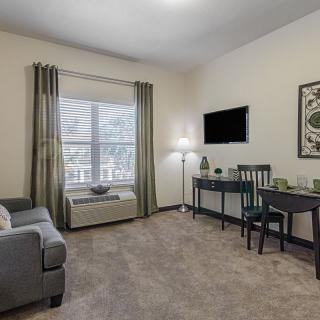
 Fully furnished
 Garden
 Housekeeping services
 Move-in coordination
 Outdoor space
 Telephone
 Wi-Fi/high-speed internet available
 Fresno Yosemite International (4 miles away)
 24-hour supervision
 Activities of daily living assistance
 Assistance with bathing
 Assistance with dressing
 Assistance with transfers
 Diabetes diet
 Meal preparation and service
 Medication management
 Special dietary restrictions
 Transportation arrangement (medical)
 Transportation to doctors appointments



 Comprehensive Supportive Living Arrangements for Adults with Disabilities
 Funding and Affording Assisted Living: A Thorough Overview
 Assisted Living Expenses and Long-Term Care Insurance: A Comprehensive Exploration