
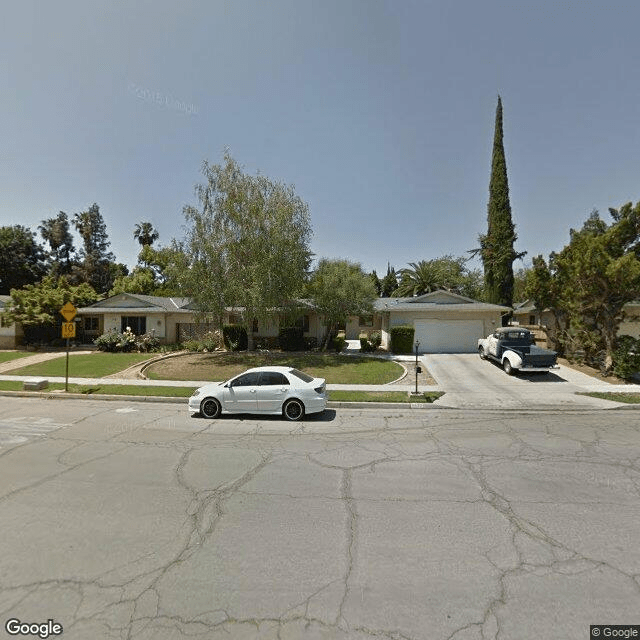
6533 North Channing Way, Fresno, CA 93711
To contact a resident: (559) 392-7212
For more information about senior living options: (866) 208-4318
Lynhaven Costs & Pricing
Lynhaven offers competitive pricing for its residential care options, particularly when compared to both Fresno County and the broader state of California. For a semi-private room, the cost at Lynhaven is $1,500 per month, which significantly undercuts Fresno County's average of $2,991 and California's $3,333. Similarly, the private room rate at Lynhaven stands at $2,500 monthly - this again presents a more affordable alternative compared to Fresno County's $3,589 and California's $3,939. This pricing structure makes Lynhaven an appealing choice for those seeking quality care without the financial strain commonly associated with similar facilities in the region.
| Floor plans | Lynhaven | Fresno County | California |
|---|---|---|---|
| Semi-Private | $1,500 | $2,991 | $3,333 |
| Private | $2,500 | $3,589 | $3,939 |
Senior living communities with a similar price nearby
-
About the same
Bethany Home Care
$1,500 / month13.6 miles away -
from +$100 / mo
Valentine Guest Home
$1,600 to $2,000 / month2.0 miles away -
from -$210 / mo

CA Armenian Home
$1,290 to $3,000 / month10.6 miles away -
About the same
Mary's Manor 1
$1,500 to $1,800 / month16.3 miles away -
About the same
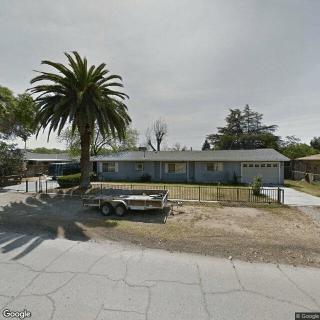
Prince & Princess Home for the Elderly
$1,500 to $2,000 / month5.7 miles away
Overall Review of Lynhaven
Pros
 The owner is nice.
- The caregivers will prepare a diabetic diet.
- There is good light.
- There are no smells.
- Residents can have their own TV and phone.
Cons
 It is a sad, depressing place.
- It is not clean.
- It is not a good place to put someone you love.
- They are nervous about insulin and oxygen.
- There are no arrangements for transportation or outside activities.
- There are only two bathrooms for six clients and caregivers.
Review
Lynhaven in Fresno is best suited for families seeking a tiny, home‑style assisted living arrangement where care is delivered by a married couple who act as the primary caregivers. With only six beds and typically a handful of residents, the environment can feel intimate, predictable, and low‑key, attributes that matter for a senior who thrives on routine and personal attention rather than institutional programming. It can work for a resident who needs light assistance, adheres to a diabetic diet, and values familiar faces over clinical bells and whistles. For a dementia resident, care can be workable only if the team can maintain a tight, day‑to‑day coordination, since the operation relies on a very small staff footprint.
Those who rely on structured activities, reliable transportation, and broader social engagement should consider alternatives. The absence of organized outings or transportation means isolation for residents who benefit from external stimulation, community outings, or regular appointments beyond the home. Families seeking more robust medical oversight, a facility with a more defined activity calendar, or a brighter, more professional ambiance should look elsewhere. In short, Lynhaven favors quiet, private time and basic daily help more than enrichment programming or hospital‑level supervision.
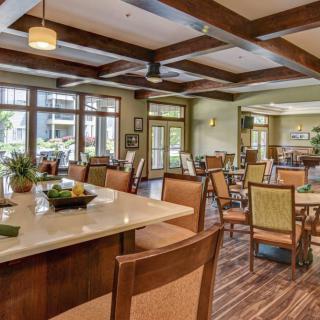
On the upside, the practical advantages center on intimacy and personalized attention. The owner’s responsive demeanor and the presence of a husband and wife caregiving team create a sense of continuity and trust that larger facilities struggle to match. The small size allows for individualized dietary accommodation, most notably, a diabetic diet, along with the option for residents to have their own TV and phone. The bright, well‑lit space with white walls and a smell‑neutral environment is a plus when a resident values calm surroundings over institutional ambiance. These factors can offset some stressors by delivering predictable rhythms and direct access to caregivers.
Yet the main drawbacks loom large and cannot be dismissed. Recurrent descriptions label the setting as sad and depressing, with concerns about cleanliness and upkeep. The space is not described as pristine or uplifting, and a gloomy atmosphere can weigh heavily on mood and engagement, particularly for residents who thrive on a clean, inviting environment. Safety and convenience are also compromised by only two bathrooms shared among six clients and caregivers, which can lead to scheduling bottlenecks or emergencies. The lack of outside activities and transportation further limits social opportunities and independence, and there is explicit unease about managing insulin and oxygen within a tiny staff framework.
Before deciding, families should probe several practical details. Request a candid tour focused on cleanliness, maintenance, and safety checks, including a ride‑along to see how medications like insulin are handled and how oxygen needs would be managed. Ask for a concrete care plan that outlines supervision, dementia care steps, and how emergencies are handled after hours. Verify scheduling for household tasks, cleaning, and laundry, and inquire about any nearby resources that could supplement activities or transportation. It is essential to confirm that the facility’s licensing and inspection history align with comfort levels for risk, medical oversight, and ongoing quality.
The verdict is clear: Lynhaven is not a universal solution. It is a viable option for families prioritizing a tiny, home‑like environment with highly personalized attention and a caregiver‑led model who can accommodate simple dietary needs and minimal programming. However, it is ill suited for those requiring robust cleanliness standards, extensive social activities, reliable transportation, or strong medical oversight, elements that typically come from larger, more formal settings. For residents with higher needs around medical management, mobility, or social engagement, alternatives that offer greater structure and services will produce a safer, more satisfying experience.
 Board and Care Home
 Cats allowed
 Dogs allowed
 Private
 Fresno Yosemite International (7 miles away)
 Ambulatory care
 Diabetic care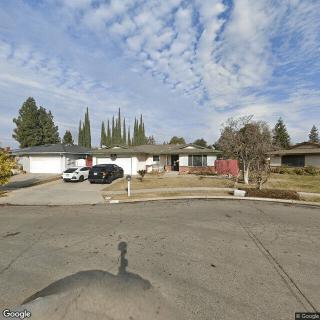
 Comprehensive Guide to Medicare Coverage for Hospice Care
 Caring for Those Who Care: Recognizing, Understanding, and Overcoming Caregiver Burnout
 Caregiver Exhaustion: Recognizing the Signs and Restoring Your Well-Being