
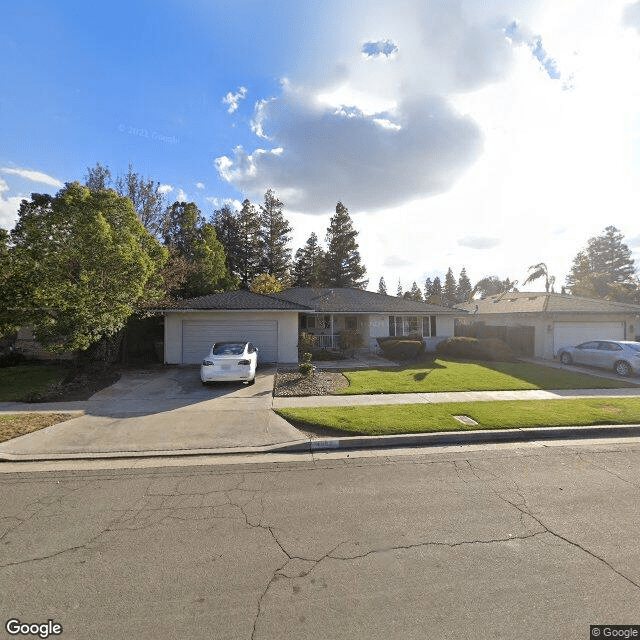
1085 W. Fremont off Palm bet. Herndon/Sierra, Fresno, CA 93711
To contact a resident: (559) 431-6935
For more information about senior living options: (866) 208-4318
Bonevente Home Costs & Pricing
Bonevente Home offers competitive pricing for its residents, with semi-private rooms available at $2,000 per month and private rooms priced at $3,000. In comparison to Fresno County, where semi-private accommodations average around $2,991 and private rooms reach approximately $3,589, Bonevente presents a more affordable option. Additionally, when looking at the broader California market, which sees semi-private rates of about $3,333 and private rates of $3,939 on average, Bonevente Home stands out as a cost-effective choice without compromising on quality care. This positioning not only appeals to budget-conscious families but also underscores Bonevente's commitment to providing accessible housing solutions within the senior living sector.
| Floor plans | Bonevente Home | Fresno County | California |
|---|---|---|---|
| Semi-Private | $2,000 | $2,991 | $3,333 |
| Private | $3,000 | $3,589 | $3,939 |
Senior living communities with a similar price nearby
-
About the same
Happy Living Facility
$2,000 to $2,500 / month10.1 miles away -
from +$200 / mo
Precious Moments Care Home
$2,200 to $2,500 / month5.6 miles away -
About the same
Sacred Heart Ranch
$2,000 to $3,000 / month5.0 miles away -
from -$200 / mo
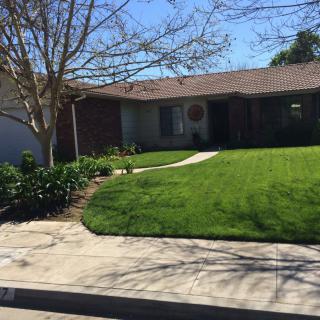
Nina's Home
$1,800 / month3.0 miles away -
from +$325 / mo
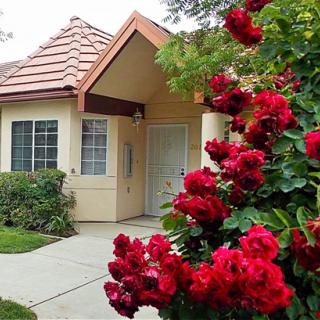
Bethel Lutheran Home
$2,325 to $2,405 / month21.8 miles away
Overall Review of Bonevente Home
Pros
 Nina was very helpful and informative.
- The home was clean and smelled nice.
- The home can accommodate up to six residents.
- The home has three hospice waivers to allow end-of-life stays.
- The home features wide hallways and nice rooms.
- There is 24-hour staff coverage.
- The bathroom has a nice walk-in shower.
- The reviewer was very pleased with the tour and would consider this home for their mother.
- The care staff were doing very well and would receive five stars.
Cons
 There is wheelchair damage on the bathroom door.
- The residents have no conversation among themselves.
Review
Bonevente Home in Fresno serves a distinct niche: seniors who want a true small-house, home-like setting with around-the-clock care, private rooms, and flexibility for end-of-life planning. The community reads as clean, orderly, and calm, with space for up to six residents but typically operating with fewer bodies in the house. Tour guides convey a clear emphasis on personal attention, evidenced by 24-hour staff coverage and a resident-friendly layout that includes wide hallways and accessible bathrooms. The combination of a modest footprint and strong staff presence creates a caregiving rhythm that can feel intimate rather than institutional, which is exactly why families seeking steady daily support will find Bonevente compelling.
This home is especially well suited for families prioritizing predictable staffing, straightforward care needs, and end-of-life flexibility. Three hospice waivers are highlighted in the materials, meaning residents can remain in place through the final phase of life without frequent transitions. Private rooms and a walk-in shower with no tub to step over address common mobility and safety concerns, reducing barriers to comfortable daily routines. In short, for seniors who want reliability, easy navigation, and a gentle, unhurried pace, Bonevente hits a very practical mark. It operates as a small, tightly run operation where staff can know each resident well and respond quickly.
Those evaluating Bonevente should know who may want to consider alternatives. If a larger, more social environment is a priority, one with more residents, more varied programming, and a busier activity calendar, the small house setting may feel too quiet or limiting. Families seeking a mixed-gender community or more robust group dynamics might prefer other options with a broader resident mix and more structured social opportunities. If newer construction, modern design touches, or expansive common areas are non-negotiable, Bonevente’s older, cozy footprint may not check every box. Also, the occasional observation of limited spontaneous conversation among residents suggests a slower social tempo that could be a drawback for those hoping for constant peer engagement.
The strongest pros, cleanliness, comfort, and around-the-clock caregiving, offset the main drawbacks in meaningful ways. A consistently neat environment with a pleasant scent, coupled with wide hallways, makes mobility easier for residents who use wheelchairs or walkers and reduces fall risk in daily transitions. The 24-hour staff coverage translates into prompt assistance and a sense of security for both residents and their families, a dynamic that matters deeply when caregiving is needed around the clock. The three hospice waivers add a practical layer of continuity, allowing families to plan with less disruption should end-of-life needs arise. In this light, the slight wear that shows in a bathroom door’s wheelchair-related damage becomes a manageable blemish in a setting where reliable care and accessibility are prioritized.
On the downside, the facility’s age and occasional wear are not merely cosmetic notes; they shape daily experience. The reported wheelchair damage on a bathroom door signals a need for ongoing maintenance to preserve ease of access and safety. The occupancy pattern, sometimes as low as three residents in the home, can yield a quiet environment that feels isolated for some seniors who thrive on more frequent peer interaction. A recurring line from reviewers points to an all-women resident population with limited conversation at times, which may be a plus for those seeking a serene, low-stimulus atmosphere, but a potential constraint for families prioritizing constant social activity or gender-diverse companionship. These dynamics are real factors in choosing whether Bonevente aligns with personal care goals.
In the end, Bonevente is a practical, well‑run option for families prioritizing intimate, dependable care with end-of-life flexibility and private accommodations. It is not the pick for those chasing high-energy social calendars, modern megacommunities, or gender-diverse living environments. The facility’s strengths, cleanliness, staff reliability, quiet setting, and hospice flexibility, provide clear compensations for the modest size and traditional design. Families should approach with targeted questions: what is the current occupancy and activity slate, what specific maintenance plans exist for accessibility features, how are social opportunities managed for residents in a single-sex cohort, and what are the exact costs and contract terms including hospice-related provisions. If alignment is found on these points, Bonevente stands up as a sensible, risk‑mitigating choice for thoughtful end-of-life planning and steady daily care.
 Board and Care Home
 Private
 Fresno Yosemite International (6 miles away)

 Encouraging Participation in Adult Day Care: A Guide to Supporting a Hesitant Parent
 Comprehensive Exploration of Living Wills and Other Advance Directives
 A Detailed Exploration of Living Wills and Advance Directives