

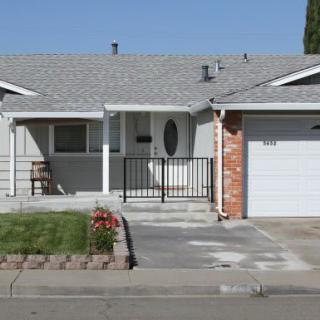
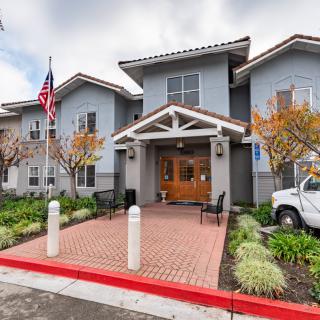
5644 Impatiens Common, Fremont, CA 94538
To contact a resident: (916) 841-3324
For more information about senior living options: (866) 208-4318
Overall Review of American Homecare Providers & Placements
Pros
 PHCA is an outstanding home health agency.
- The Livermore office staff were very professional and supportive.
- Nurse Cindy demonstrated a deep understanding of patients' needs and provided practical tips on healing and preventing illness.
- PT Joey was excellent and offered guidance to regain strength.
- Cindy and Joey were kind, knowledgeable, and flexible to patients' schedules.
- Kudos to PHCA.
Review
American Homecare Providers & Placements in Fremont is best suited for families seeking high-touch, in-home medical support rather than a built-in residential community. The model works best when recovery, rehabilitation, or ongoing skilled nursing needs follow a hospital stay, with care coordinated by a trusted agency that aligns clinical expertise with practical daily living. The setup shines for those who want to stay in familiar surroundings while receiving targeted medical and rehabilitative services. For households prioritizing a true assisted living environment, meals, social programming, 24/7 on-site supervision, and a community lifestyle, alternatives such as Fremont-area assisted living communities or other board-and-care options should be considered. This service acts as a strategic bridge: it stabilizes health, equips families with professional guidance, and prepares the ground for whichever path lies ahead, rather than replacing a residential living plan.
Two reviews from the Livermore/Fremont area consistently praise the core strengths. The staff are described as exceptionally professional and supportive, a hallmark that matters when navigating post-hospital recovery. Nurse visits come promptly after discharge, with clinicians who demonstrate a deep, practical understanding of what it takes to heal and prevent relapse. The emphasis is not only on addressing medical needs but on translating clinical advice into actionable routines, tips that help clients regain function and re-enter daily life gradually. Physical therapy is highlighted as outstanding, with therapists offering concrete strategies to rebuild strength while respecting pacing and safety. The recurring thread is staff who are kind, knowledgeable, and flexible about scheduling, traits that reduce friction during a fragile recovery window and improve adherence to care plans.
Yet there are inherent constraints in a home-based model that families should weigh against the evident strengths. The most material con is the absence of round-the-clock supervision and a built-in social ecosystem that often comes with a residential setting. While nursing and therapy visits deliver essential medical oversight, there is no on-site housing, meals, or continuous peer engagement to fill the day. Availability can depend on caseload and location, which may translate into variability in who arrives on a given day and when. Insurance coverage and out-of-pocket costs can add complexity, especially when coordinating multiple providers and therapies. Finally, families must shoulder more care coordination responsibilities, scheduling, communicating with multiple clinicians, and ensuring smooth handoffs between hospital, home, and primary care, than they would within a single, facility-based community.
The upside is that the proven clinical strengths, professionalism, targeted post-acute care, and practical recovery coaching, often offset the lack of a 24/7 residential footprint for families stabilizing after illness or surgery. The ability to receive nurse visits soon after discharge, paired with practical healing guidance and a clearly articulated plan for gradual return to normal activities, can shorten recovery times and reduce readmission risk. Flexibility in scheduling is not a minor perk; it translates into better adherence to therapy, fewer missed appointments, and less stress on caregivers who must juggle family responsibilities with medical needs. When care teams emphasize not only what to do but how to do it safely within the home, the transition from hospital to home becomes a managed, intentional process rather than a series of disjointed visits.
That said, decision-makers should be honest about when in-home care is not the endpoint. If the priority is constant companionship, daily meals provided on-site, and abundant social programming in a supervised setting, an assisted living community remains the more suitable option. For individuals who require ongoing, high-level supervision or specialized memory care, a residential environment may better preserve safety and quality of life over the long term. The two-review sample is encouraging, but the rating reflects a small pool of experience; prospective families should seek additional references, confirm continuity of caregivers, and clarify how care will escalate if health needs intensify. The best-fit path is determined by a clear picture of daily safety, caregiver reliability, and the family’s ability to manage coordination costs and logistics.
To move from assessment to action, families should begin with a precise needs analysis: current health status, post-acute goals, mobility, medication management, and the level of supervision required. Verify licensure and credentialing for all clinicians involved, and ask how continuity of care will be maintained if a nurse or therapist is reassigned. Inquire about the scope of services offered, including therapy modalities, equipment needs, emergency response protocols, and communication cadence with the primary physician. Discuss financial arrangements upfront, what is covered by insurance, what requires out-of-pocket payment, and whether bundled packages or supplemental plans exist. Finally, map out a contingency plan: if recovery stalls or safety concerns arise, what is the fastest, most practical transition to residential care or more intensive home support? When these elements are clear, families can confidently choose between continuing with high-quality in-home care or pivoting to a community that better matches their long-term safety, social, and independence goals.
 San Jose International (12 miles away)


 Nurturing Our Elders: Linda's Journey of Supporting Her Mother
 A Comprehensive Exploration of Common Misunderstandings about Powers of Attorney
 Senior Move Management: Understanding the Role, Value, and Associated Costs