
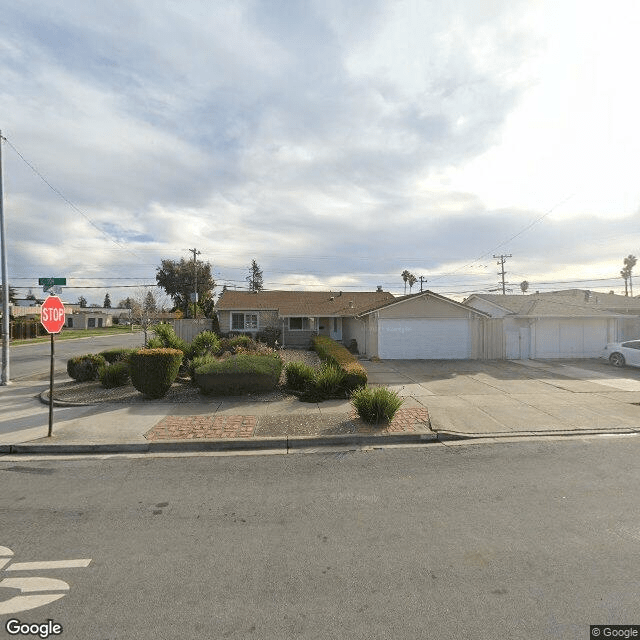
4802 Nelson Street, Fremont, CA 94538
To contact a resident: (510) 453-2488
For more information about senior living options: (866) 208-4318
Palms Place Home For The Elderly Costs & Pricing
Palms Place Home For The Elderly offers competitive pricing for its services, with monthly costs reflecting a thoughtful approach to care within the context of both Alameda County and the broader California market. For a semi-private room, residents can expect to pay $3,000 per month, which is below the county average of $3,273 and significantly less than the state average of $3,333. In contrast, the cost for a private room at Palms Place stands at $5,000 monthly. While this figure surpasses both the county's average price of $3,748 and California's overall average of $3,939, it may be indicative of enhanced amenities or personalized care offered at this facility. Overall, Palms Place positions itself as an appealing option for those seeking elder care solutions that balance value and quality within their local environment.
| Floor plans | Palms Place Home For The Elderly | Alameda County | California |
|---|---|---|---|
| Semi-Private | $3,000 | $3,273 | $3,333 |
| Private | $5,000 | $3,748 | $3,939 |
Senior living communities with a similar price nearby
-
from -$300 / mo

Home Instead Senior Care
$2,700 to $3,400 / month13.7 miles away -
from -$100 / mo
Parkside Manor
$2,900 to $3,600 / month11.3 miles away -
from +$500 / mo
Gigi's Guest Home
$3,500 / month13.6 miles away -
About the same

Palm Garden Home Care
$3,000 to $4,000 / month20.3 miles away -
from +$500 / mo
Apple Tree Home Care
$3,500 / month19.3 miles away
Overall Review of Palms Place Home For The Elderly
Pros
 They are very flexible in caring for her mother.
- The staff were extremely welcoming.
- They would strongly recommend this home to anyone looking for a board and care.
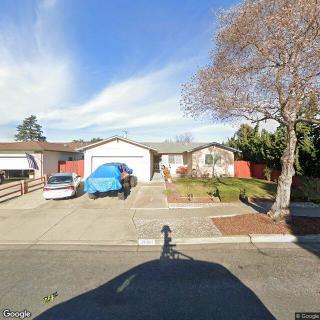
- Palms Place looks like a well-kept, inviting home with staff focused on the individualized care needs.
- Placing her mother there was a decision that brought the family great satisfaction.
Cons
 The reviewer found Palms Place to be highly frustrating and disappointing after placement.
- The facility advertised as ideal for dementia with behavioral challenges, but the reviewer felt this was not the case.
- Within a day and a half of placement, the administrator began bitterly complaining about the resident.
- The co-administrator, identified as a registered nurse, never stepped forward to assist or help resolve the traumatic experience for the mother and her family.
- The staff lacked empathy or understanding of dementia care needs and focused on convincing the family to remove the mother from care as soon as possible.
- The reviewer, a family member and mental care professional, urged others to reconsider this residential care home for loved ones with dementia.
Review
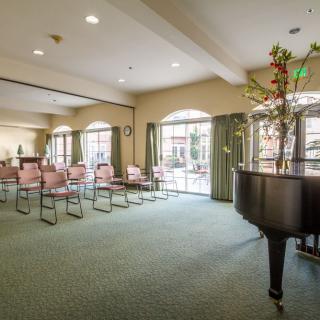
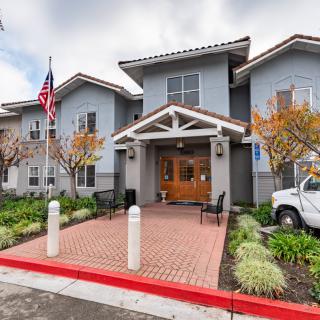
Palms Place Home for the Elderly in Fremont is best suited for families seeking a warm, home-like board-and-care setting where daily care is personalized and staff are genuinely welcoming. The property presents as well kept and inviting, with a small-scale, intimate atmosphere that can make an elderly person feel comfortable quickly. This community works well for residents who mainly need daily assistance, companionship, and flexible flexible caregiving arrangements rather than a high-intensity clinical program. For families prioritizing a personal touch, predictable routines, and a caregiver-led environment, Palms Place delivers.
However, consideration should be given to the realities of dementia care and the level of clinical support expected. Families with loved ones who have advanced dementia or significant behavioral challenges may want to explore alternatives with memory-care specialization and more robust dementia-focused programming. The reviews raise red flags for anyone who requires strong, proactive dementia management, nurse-led oversight, and a team trained to handle pronounced cognitive symptoms. If reliability in handling crisis moments, consistent empathy, and a clearly documented dementia-care plan are non-negotiable, a different setting is advisable.
On the positive side, the most consistent strengths are the flexible approach to care and the staff’s welcoming demeanor. The setting markets itself as attentive to individualized needs, and several accounts confirm a level of responsiveness and warmth that can reduce caregiver stress. The home-like environment and the expectation of personalized attention can translate into meaningful daily comfort, better mood, and a sense of security for seniors who thrive in small, person-centered households rather than in larger, impersonal facilities. For families who want real-time adaptability, meal timing, activities, or specific routines, the pros can feel substantial.
The flip side is stark in the negative experiences described. The most troubling issue is a perceived misalignment between what is advertised for dementia care and what is actually delivered. Reports of a registered nurse co-administrator who did not step forward to support a loved one with dementia point to gaps in leadership, empathy, and problem-solving under distress. The family descriptions of feeling coerced to remove the loved one from care, coupled with a focus on discharging rather than stabilizing, signal a system that struggles to manage dementia-related needs with the care depth demanded. These concerns are not minor administrative hiccups; they strike at safety, trust, and the emotional well-being of residents and their families.
In weighing the pros against the cons, Palms Place clearly serves a segment of seniors and families who prize warmth, flexibility, and a home atmosphere for non-dementia or mild-support residents. The advantages can offset limited resources for those who require minimal medical oversight and who benefit from a caregiver-led, adaptable schedule. For anyone facing complex memory-care needs or seeking a facility with a proven dementia program and consistent clinical leadership, the drawbacks substantially shadow the positives. Prospective enterers should assess whether the current team’s strengths truly align with the level of dementia care required, and should insist on seeing a detailed care plan, staff training records, and a dementia-specific response protocol before committing.
The bottom line is practical and clear: Palms Place is a strong fit for families craving a flexible, personable, home-like environment for an elder who does not demand advanced memory-care services. When dementia with behavioral challenges is in play, however, this community may not meet expectations, and alternatives with dedicated memory-care programs should be pursued. The decision hinges on risk tolerance for dementia-related incidents, the value placed on staff warmth and adaptability, and the willingness to accept a smaller scale operation that may lack the clinical rigor some residents require. Tour, ask pointed questions about dementia training, and demand concrete care-plans to determine if Palms Place can truly meet the specific needs of the loved one.
 Board and Care Home
 Dogs allowed
 Activities off-site
 Bath tubs
 Indoor common areas
 Outdoor common areas
 Private
 Private bathrooms
 Respite or short term stays offered
 Wheelchair accessible showers
 San Jose International (12 miles away)
 Ambulatory care
 Diabetic care
 High acuity care
 Incontinence care
 Medication management
 Meals provided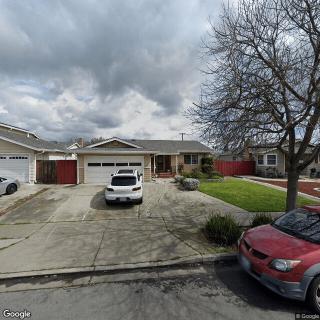

 Comprehensive Guide to Blood Pressure Charts for Older Adults: Understanding Normal and High Readings by Age
 Financing Long-Term Nursing Home Care Through Social Security: A Thorough Exploration
 Essential Knowledge on Pneumonia in Older Adults