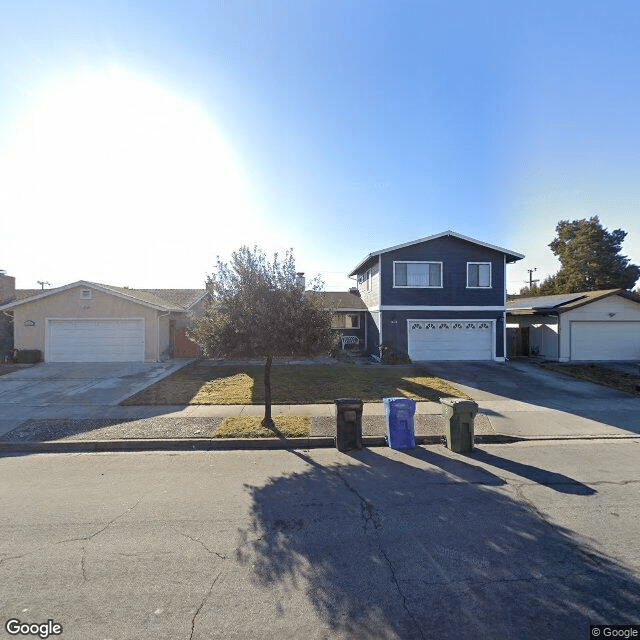
4924 Omar St, Fremont, CA 94538
To contact a resident: (510) 226-0102
For more information about senior living options: (866) 208-4318
G M Residential Care Home Costs & Pricing
At G M Residential Care Home, the monthly cost for a private room is $3,500. This rate positions the facility competitively within Alameda County, where similar accommodations average around $3,748, and significantly below the state average of $3,939 for California. The pricing structure at G M Residential Care Home not only reflects a commitment to providing quality care but also offers potential residents and their families an attractive option in terms of affordability while maintaining high standards of living and support.
| Floor plans | G M Residential Care Home | Alameda County | California |
|---|---|---|---|
| Private | $3,500 | $3,748 | $3,939 |
Assisted Living communities with a similar price nearby
-
from -$500 / mo

Palm Garden Home Care
$3,000 to $4,000 / month21.2 miles away -
from -$305 / mo
Harbor Bay Assisted Living
$3,195 to $5,000 / month21.7 miles away -
from +$500 / mo
Golden Age Of Channing Way
$4,000 to $5,000 / month21.4 miles away -
from +$500 / mo
Grace Garden
$4,000 to $5,000 / month16.0 miles away -
from -$500 / mo

Eden Assisted Living
$3,000 / month14.5 miles away
Overall Review of G M Residential Care Home
Pros
 Imelda and Camille care for the father-in-law.
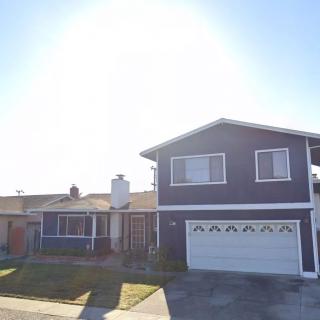
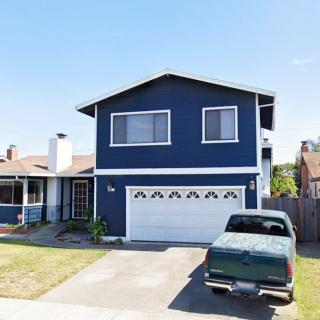
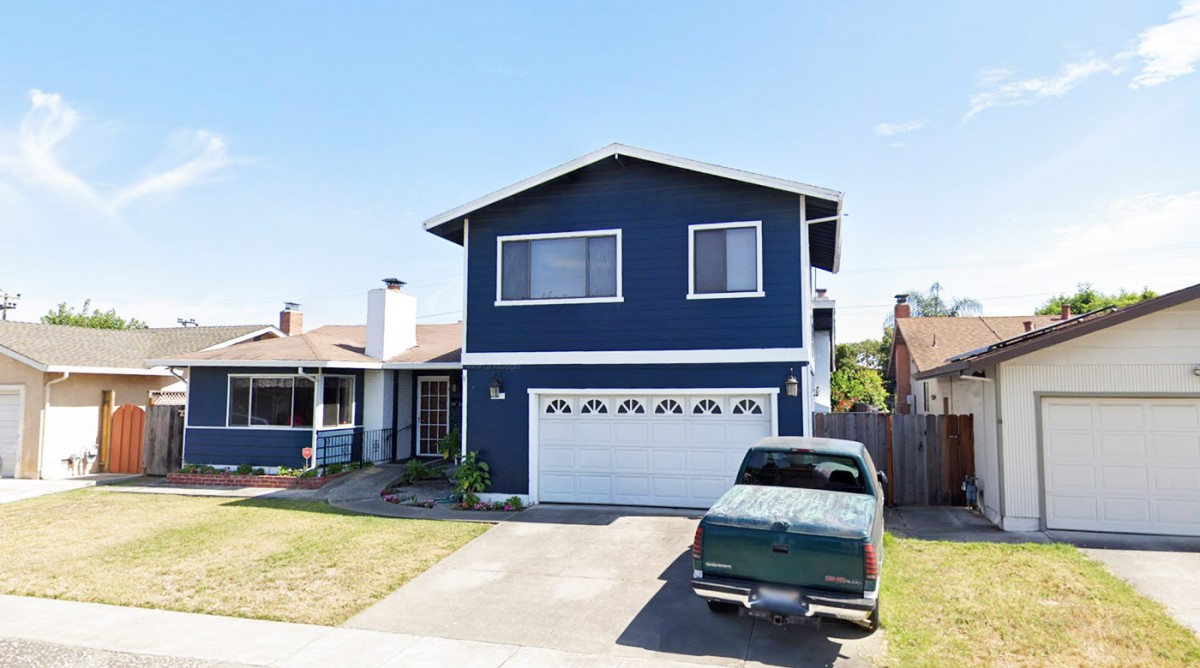
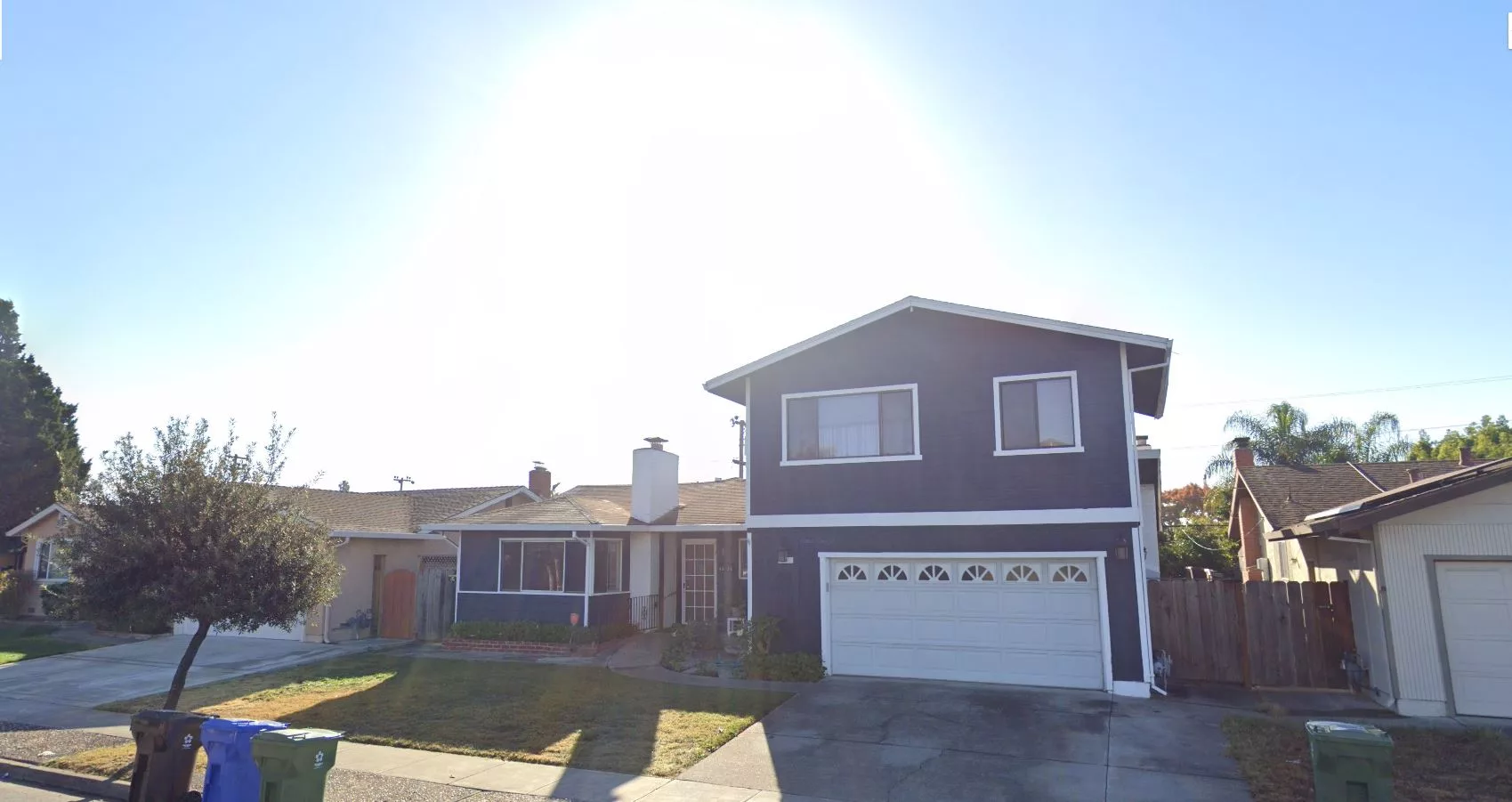
- The navy blue two-story house looks nice.
Review
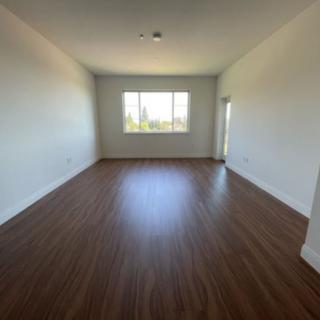
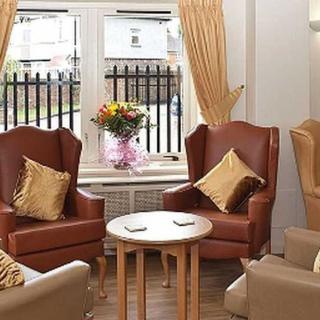
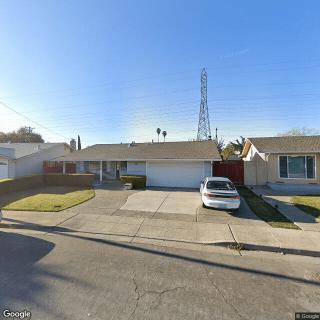
G M Residential Care Home in Fremont is best suited for families seeking a small, home-like setting where a senior can receive intimate, relationship-based care. The property presents as a neat navy-blue two-story house tucked between Blacow and the Nimitz corridors, suggesting an easy-to-navigate, neighborhood feel rather than a glossy institutional footprint. This is a place where care appears personal and direct, rather than process-driven, and where family involvement can be a meaningful part of daily routines. It’s ideal for a senior who values warmth, familiar faces, and a quieter, more residential environment over a large-scale operation.
Those considering alternatives should weigh the limited information available against the desire for more structured support. With only two reviews, one offering praise and the other a lower rating, there is a meaningful gap in the facility’s public record regarding consistency, activities, meals, and medical oversight. Prospective residents who require robust 24/7 nursing on-site, strong memory-care programming, or a highly active day schedule may find this setting too lean. In such cases, a larger assisted living or a memory-care-focused community could deliver more predictable programming, staffing, and clinical resources.
The strongest evident pro is the personal attention from the caregiving team, notably Imelda and Camille, whose presence in one review signals a staffing model built around direct, hands-on care. In a small home, caregivers often have the latitude to tailor routines, adjust meals, and respond quickly to needs, which can translate into heightened comfort and perceived safety for residents who resist impersonal routines. The positive 5-star sentiment underscores a potential for deep, trust-based relationships that can be hard to sustain in larger facilities where staff turnover and delegation can dilute day-to-day contact with residents.
On the con side, the lack of detailed operational information is a meaningful red flag. One review’s lower rating suggests at least some dissatisfaction, though it stops short of pinpointing specific faults. The absence of published data on staffing ratios, licensed medical oversight, medication management, activity calendars, housekeeping, and safety features makes it difficult to assess long-term suitability. For families, this translates into a need for proactive due diligence: request a tour, ask to see current menus and activity schedules, verify licensing status, and clarify whether a nurse or med tech is available for scheduled and unscheduled needs.
Despite these uncertainties, the location and intimate environment can offset some concerns if the evaluation process is thorough and vigilant. A smaller home can offer a calmer, more predictable daily rhythm, with straightforward communication channels to Imelda and Camille and a reduced risk of impersonality. If a senior thrives on personal connections, appreciates direct caregiver engagement, and does not require a highly structured activity program, this setting may deliver more meaningful daily life than a larger facility. Family members should still confirm that essential services, medication administration, emergency response, and daily living support, meet their expectations.
The practical path forward is clear. Schedule a face-to-face visit with the care team to observe daily operations, kitchen hygiene, safety measures, and the quality of interactions with residents. Ask pointed questions about staffing hours, coverage for evenings and weekends, and what happens when a higher level of medical care is needed. Request updated references, and consider a short trial stay if offered, to gauge responsiveness and compatibility with the resident’s routines and preferences. If memory care, complex medical needs, or highly active programming are priorities, keep looking, but if warmth, individualized attention, and a home-like atmosphere are the top criteria, this Fremont residence deserves careful consideration.
In the end, G M Residential Care Home stands out as a viable option for families prioritizing close relationships and a homelike atmosphere over breadth of services. It is not presented as a guaranteed fit for every senior, nor as a substitute for formal medical oversight. The decisive factor lies in aligning the resident’s needs with the facility’s strengths: personalized care from committed caregivers in a small, homey setting can be transformative for the right person, while the absence of transparent, scalable clinical supports makes alternatives more suitable for those with higher medical or memory-care requirements.
 6 resident community capacity
 Assisted Living
 Board and Care Home
 Activities off-site
 Cable or satellite TV
 Devotional services on-site
 Dining room
 Fully furnished
 Garden
 Housekeeping services
 Indoor common areas
 Move-in coordination
 Outdoor common areas
 Private
 Private bathrooms
 Telephone
 Wi-Fi/high-speed internet available
 San Jose International (11 miles away)
 24-hour supervision
 Ambulatory care
 Assistance with bathing
 Assistance with dressing
 Assistance with transfers
 Diabetes diet
 Diabetic care
 High acuity care
 Incontinence care
 Meal preparation and service
 Medication management
 Special dietary restrictions
 Transportation arrangement (medical)
 Transportation to doctors appointments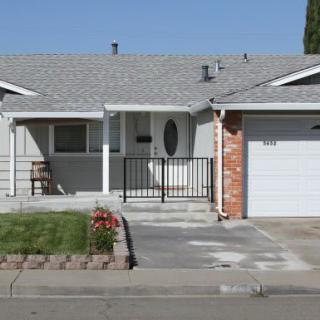


 Vibrant Senior Living: A Comprehensive Guide for Active Older Adults
 When to Transition from Assisted Living to Memory Care: Key Indicators, Steps, and Finding the Right Community
 Assisted Living and Memory Care: Understanding Their Core Differences