
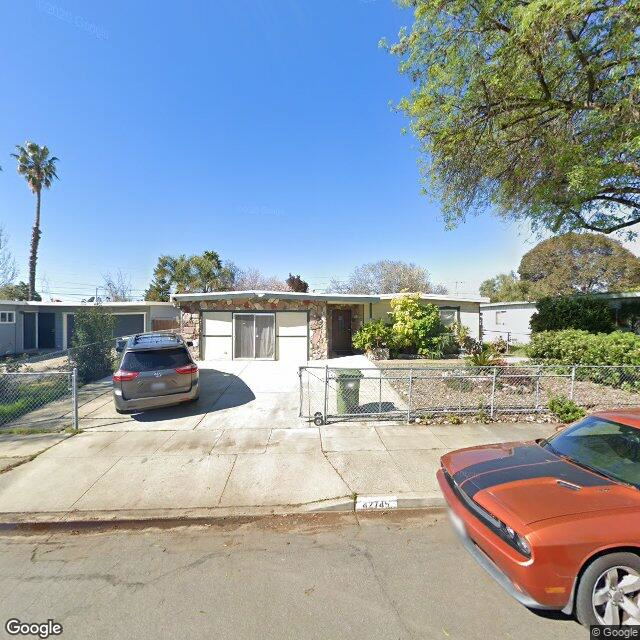
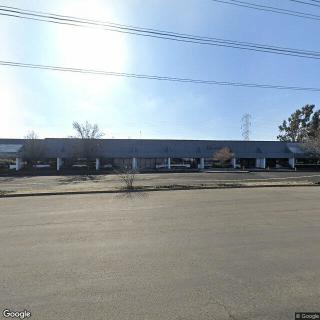
42745 Peachwood Street, Fremont, CA 94538
For more information about senior living options: (866) 208-4318
Lucky Garden Care Home Costs & Pricing
Lucky Garden Care Home offers competitive pricing for its services compared to both Alameda County and the broader California market. For semi-private accommodations, residents can expect to pay $2,500 per month, which is significantly lower than the county average of $3,273 and the state average of $3,333. Private rooms at Lucky Garden are also attractively priced at $3,300, whereas similar spaces in Alameda County cost around $3,748 and across California trend higher at approximately $3,939. This positioning not only makes Lucky Garden an appealing choice for families seeking quality care but also underscores its commitment to providing accessible housing options in a region where senior living costs can be prohibitively high.
| Floor plans | Lucky Garden Care Home | Alameda County | California |
|---|---|---|---|
| Semi-Private | $2,500 | $3,273 | $3,333 |
| Private | $3,300 | $3,748 | $3,939 |
Memory care communities with a similar price nearby
-
About the same

San Carlos Elms
$2,500 to $5,880 / month16.4 miles away -
from -$278 / mo
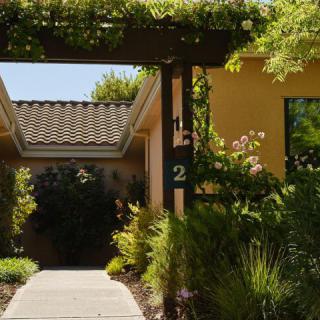
The Forum At Rancho San Antonio
$2,222 / month14.3 miles away -
About the same
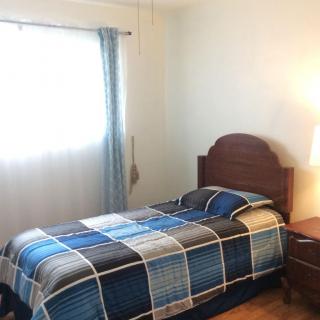
Isherwood Care III
$2,500 to $3,500 / month3.3 miles away -
from +$450 / mo
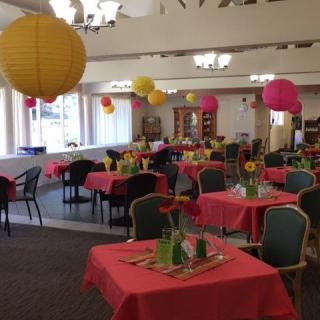
Sunnyside Gardens
$2,950 to $4,450 / month10.5 miles away -
from +$300 / mo
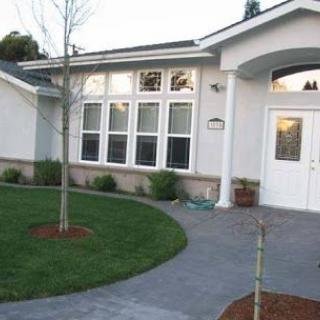
Sweet Little Home
$2,800 to $2,970 / month11.0 miles away
Overall Review of Lucky Garden Care Home
Pros
 Isabella cared for the mom for more than four years.
- She cared for her during advanced Alzheimer’s as if she were a daughter.
- Isabella ensured the mom was well fed, clean, comfortable, and free of injuries.
- She treated the mom and other residents with respect.
- Isabella is kind and hardworking.
- The family is at peace knowing the mom was well cared for at the end of life.
- The place is highly recommended.
Review
Lucky Garden Care Home in Fremont is best suited for families seeking intensely personalized, home-style dementia care delivered by a single, deeply invested operator. This is the setting where continuity trumps polish: an owner-managed home where daily routines, meals, and safety hinge on one trusted caregiver rather than a larger staff. The care story here centers on Isabella, the owner, whose hands-on leadership has defined years of attentive support for a loved one with advanced Alzheimer’s. When stability and a sense of "being understood" by one person matter most, this is the arrangement that reliably delivers it.
Those who may want alternatives are clear: if medical oversight needs to be more explicit, or if a broad slate of structured activities, therapy options, and socialization across a larger resident community are non-negotiable, a traditional memory-care unit or a larger assisted-living campus may serve better. Families seeking extensive on-site clinicians, nurse-led protocols, regular group programming, or a wealth of amenities could find these needs better met in a bigger setting. The key trade-off is between intimate, caregiver-centric attention and the breadth of services that come with scale.
The strongest pro is the level of personal commitment demonstrated in caregiving for more than four years, including during advanced Alzheimer’s stages. The caregiver’s attentiveness translated into practical, day-to-day reliability: consistent feeding, meticulous cleanliness, and a safe, injury-free environment. The emphasis on respect, kindness, and hard work created a foundation of trust that allowed a family to rest easier, knowing a loved one was treated with dignity and practical compassion. This isn’t theoretical; it’s a tangible difference in daily life, especially when memory care tasks become increasingly complex.
Another clear benefit is the intimate, one-on-one feel that accompanies this model. The caregiver’s approach, like a daughter’s when the time is right, conveys warmth, familiarity, and emotional steadiness. For families navigating the emotional terrain of end-of-life care, the ability to rely on a single, consistent caregiver who has built a long relationship with the resident translates into fewer disruptions, fewer anxious transitions, and a calmer day-to-day rhythm. The result is not merely comfort but a meaningful sense of continuity that can be hard to find in larger communities.
Yet the strongest pros invite candid consideration of potential drawbacks. The most significant caveat is scale: with a single primary caregiver, continuity hinges on one person’s availability and well-being. If Isabella is away, ill, or overwhelmed, coverage and routine can become uncertain. That reality underscores the need to verify what backup plans exist, whether there is an on-site team for medical or respite needs, and how medication management is handled when emergencies arise. Prospective families should also probe the range of meaningful activities and social opportunities available beyond the core caregiving relationship, to ensure a well-rounded day-to-day experience.
In the end, Lucky Garden Care Home offers a compelling value proposition for dementia care rooted in deep personal attention, dignity, and peace of mind. It excels for families prioritizing a stable, compassionate home environment where a devoted caregiver builds an enduring, trust-filled relationship with the resident. For families requiring robust medical staffing, a wider menu of therapies, or a larger community life, alternatives should be weighed against the comfort of that singular caregiver bond. The decisive question is whether the loved one will thrive most with concentrated, heartfelt attention or with broader supports and amenities that come with bigger facilities.
 6 resident community capacity
 Assisted Living
 Board and Care Home
 Memory Care
 Respite Care
 Cats allowed
 Dogs allowed
 Activities on-site
 Beautician on-site
 Cable or satellite TV
 Dining room
 Fully furnished
 Garden
 Housekeeping services
 Indoor common areas
 Move-in coordination
 Outdoor common areas
 Private
 Telephone
 Wheelchair accessible showers
 Wi-Fi/high-speed internet available
 San Jose International (11 miles away)
 24-hour supervision
 Ambulatory care
 Assistance with bathing
 Assistance with dressing
 Assistance with transfers
 Diabetes diet
 Diabetic care
 High acuity care
 Hospice waiver
 Incontinence care
 Meal preparation and service
 Medication management
 Mental wellness program
 Special dietary restrictions
 Transportation arrangement (medical)
 Transportation to doctors appointments
 A Holistic Dementia Care Guide: Effective Strategies for Memory Support
 Memory Care Pathways: A Holistic Guide to Dementia Support
 Comprehending Evening Confusion in Dementia: Causes, Manifestations, and Support