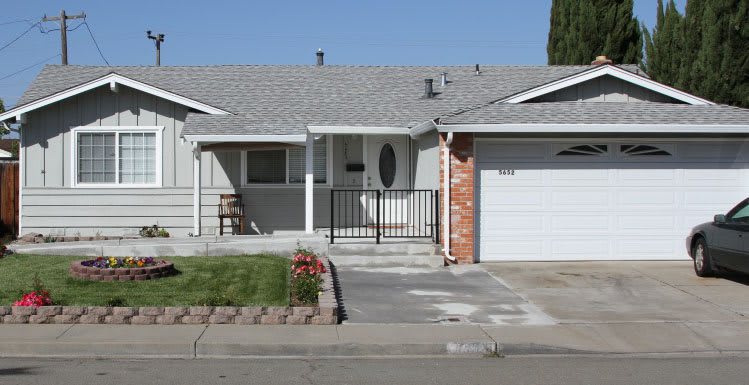
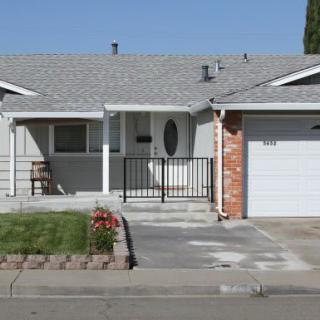
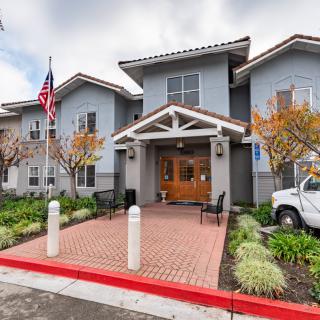
5652 Butano Park Drive, Fremont, CA 94538
To contact a resident: (510) 338-4658
For more information about senior living options: (866) 208-4318
SunnySide Home Costs & Pricing
SunnySide Home offers competitive pricing for long-term care, particularly when compared to the broader market in Alameda County and the state of California. For semi-private rooms, SunnySide's monthly cost is $2,500, significantly lower than the county average of $3,273 and the state average of $3,333. The pricing for private rooms also reflects a similar trend; at $3,000 per month, it stands in stark contrast to Alameda County's average of $3,748 and California's state average of $3,939. Even for one-bedroom accommodations, SunnySide maintains its affordability with a rate of $3,000 compared to Alameda County's $4,644 and California's $4,340. This positioning not only enhances accessibility for residents but also underscores SunnySide Home's commitment to providing quality care without compromising on personal comfort or financial peace of mind.
| Floor plans | SunnySide Home | Alameda County | California |
|---|---|---|---|
| Semi-Private | $2,500 | $3,273 | $3,333 |
| Private | $3,000 | $3,748 | $3,939 |
| 1 Bedroom | $3,000 | $4,644 | $4,340 |
Memory care communities with a similar price nearby
-
About the same
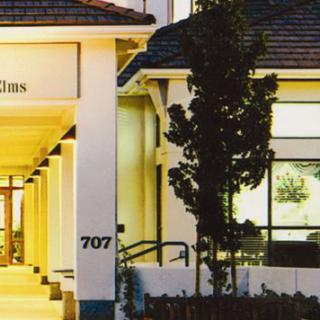
San Carlos Elms
$2,500 to $5,880 / month15.7 miles away -
from -$278 / mo
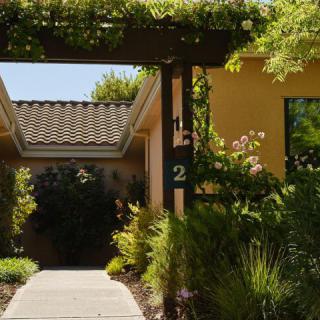
The Forum At Rancho San Antonio
$2,222 / month13.8 miles away -
About the same
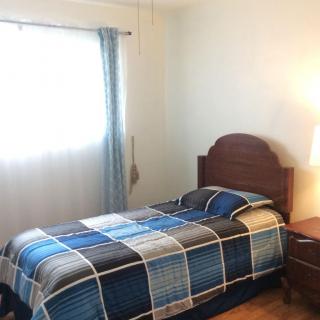
Isherwood Care III
$2,500 to $3,500 / month3.4 miles away -
from +$450 / mo
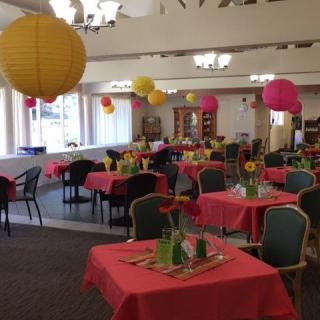
Sunnyside Gardens
$2,950 to $4,450 / month10.1 miles away -
from +$300 / mo
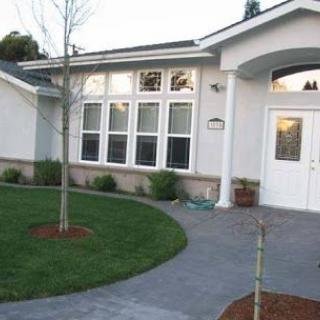
Sweet Little Home
$2,800 to $2,970 / month10.3 miles away
Overall Review of SunnySide Home
Pros
 She is a very nice woman who greeted guests at the door.
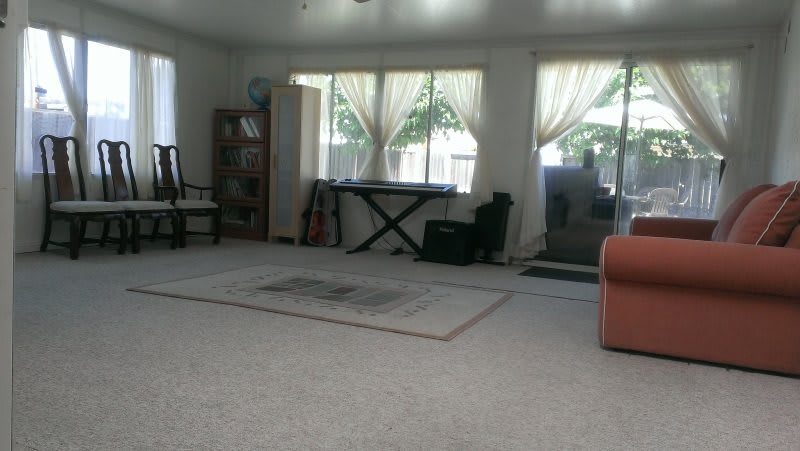
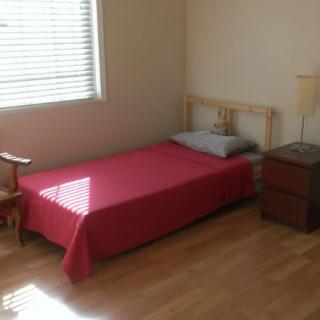
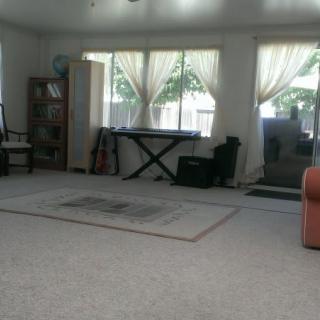
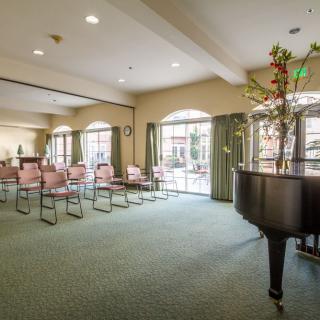
- The home has a bright and airy feel with a positive atmosphere.
- The owner is great and brings valuable nursing experience to the senior care business.
- She encourages residents to be physically active rather than just sit and watch TV.
- The care provided is a very good deal.
- Mom is doing much better now after settling in.
- The licensee and staff were thorough in their duties.
- Initial contact and subsequent meetings were exceedingly productive.
Cons
 It would be acceptable only if the residents are still very functional and not 'runners'.
- The bedroom doors lead outside with a very simple baby alarm.
- The husband would be gone quickly.
Review
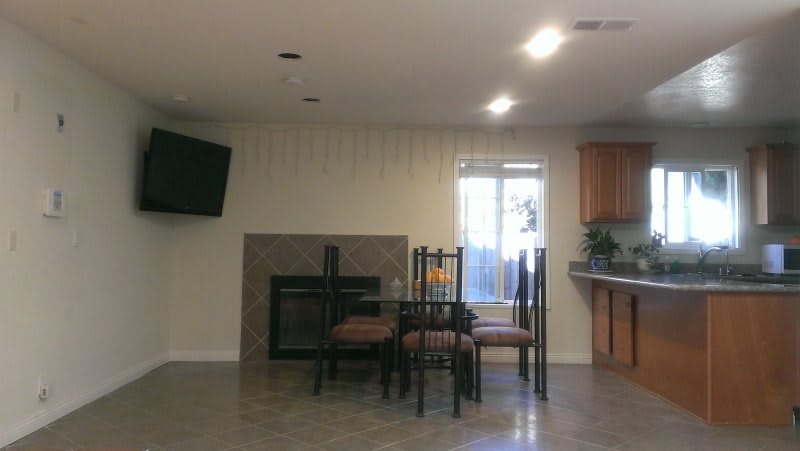
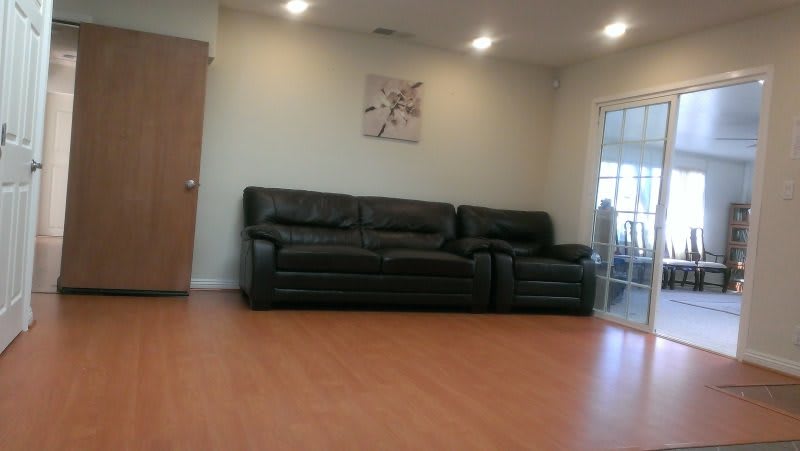
SunnySide Home in Fremont is best suited for seniors who want a small, home-like setting with attentive, nurse-led oversight and an emphasis on staying actively engaged. This community works well for residents who remain relatively functional but benefit from daily structure, personalized attention, and a less clinical atmosphere than a traditional board-and-care or larger assisted-living campus. It suits families seeking a warm, open environment where care feels intimate and hands-on, and where affordability is a practical consideration without sacrificing basic safety and oversight.
Those who should consider alternatives are seniors with higher medical needs, stable wandering tendencies, or a requirement for a highly structured, facility-style environment without children present in the living space. The ambiance here is a family-in-home model, which can be a strength or a constraint depending on the resident’s temperament and safety profile. For individuals who routinely wander or who require intensive supervision and more predictable, regimented programming, a traditional AL/RCF with stricter security and fewer lived-in-home variables may be a better fit.
The strongest positives center on atmosphere, leadership, and a proactive care philosophy. The bright, airy, open feel contributes to a positive mood and supports recovery or ongoing well-being, while the owner’s nursing background translates into practical medical-mindedness and a reluctance to let residents lapse into passive TV time. The focus on physical activity is more than a preference; it’s a structured stance that aligns with recovery goals and ongoing vitality. The cost-to-care ratio is favorable, making hands-on attention and meaningful daily engagement accessible without the premium price tag sometimes seen in larger facilities. Initial interactions with the licensee and staff are described as thorough and productive, laying a reliable foundation for ongoing trust.
Yet the home-with-children dynamic introduces clear safety considerations. Dwellings of this type can feel less secure for residents who are at risk of elopement or confusion, since doors tempt outside access and are guarded only by simple alarms. The repeated caution from reviewers that a resident could “be gone quickly” underscores a real risk if the person’s cognitive or behavioral status shifts. These safety nuances don’t negate the care quality, but they do meaningfully limit suitability for those with wandering tendencies or those needing tighter physical containment and 24/7 monitoring.
Despite the caveats, the pros offset many of the cons when the resident profile aligns. A small, description-worthy setting fosters close, consistent attention from the owner and staff, which translates into quicker adjustments, more personalized activity plans, and a sense of belonging that larger campuses struggle to deliver. The nurse-led leadership helps ensure medical common-sense is available on-site, reducing the likelihood of small health concerns turning into bigger issues. The practical, activity-forward approach supports recovery and day-to-day engagement, which families often prize as a meaningful improvement over passive, sedentary routines. In short, for the right resident, SunnySide delivers warmth, attentiveness, and real value.
Families evaluating SunnySide should test fit with a focused tour and candid questions. Ask how staff handle wandering risk, what specific safety measures exist beyond alarms, and how care plans are developed and updated as needs evolve. Probe the daily schedule to understand how much structured activity versus自由 time the resident will have, and request examples of how the owner collaborates with families during transitions. Compare this setting to a more conventional AL option if a higher level of clinical supervision or more formal security is non-negotiable. For those who prize a home-like vibe, personal attention, and a cost-conscious approach to care, SunnySide Home offers a compelling, practical choice, appropriate for seniors who can thrive in a lived-in environment with clear safety boundaries and active daily engagement.
 Board and Care Home
 Day Program
 Memory Care
 Indoor common areas
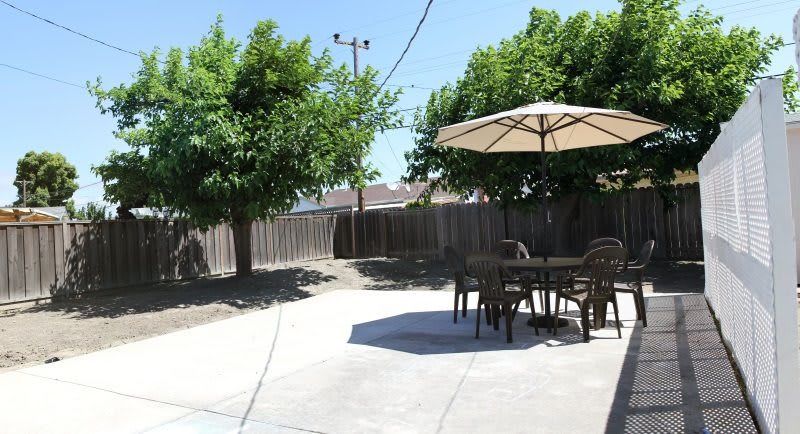
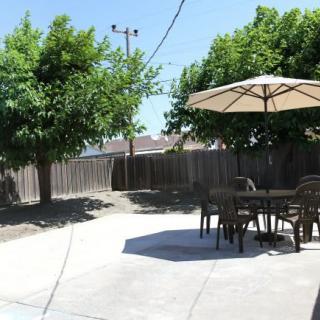
 Outdoor common areas
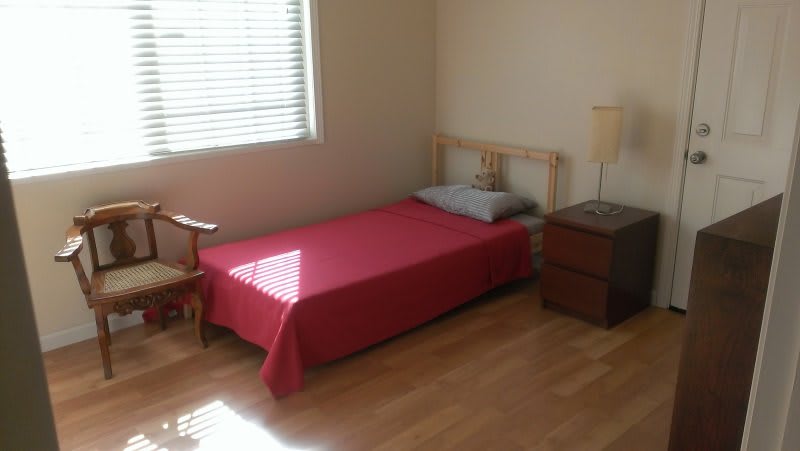
 Private
 Private bathrooms
 Wheelchair accessible showers
 San Jose International (11 miles away)
 Ambulatory care
 Diabetic care
 High acuity care
 Incontinence care
 Medication management
 Kosher
 Dementia-Related Hallucinations: Causes, Experiences, and Practical Approaches
 Illuminating Insights About Alzheimer's Disease: Ten Crucial Realities
 A Thorough Discussion of Medications Potentially Linked to Dementia Risk