

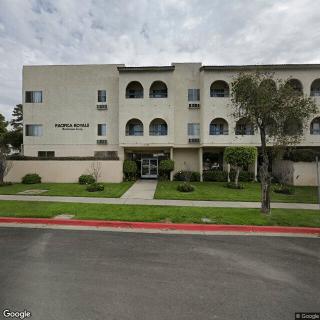
17280 Newhope St, Fountain Valley, CA 92708
To contact a resident: (949) 929-1135
For more information about senior living options: (866) 208-4318
Overall Review of H3 Assist
Pros
 The home care agency is awesome.
- It is the best employer anyone in the health care field could ask for.
- Clients and their families would be quite comfortable with the quality of care provided.
- The agency is good.
Review
This community is best suited for families seeking reliable, high-quality in-home support delivered by a trusted health-care employer. The core strength suggested by client feedback is not a flashy campus or a broad amenity set, but a cadre of caregivers who are consistently competent and easy for families to rely on. For seniors who want to stay in familiar surroundings and preserve daily routines, the value lies in having skilled aides integrated into the home environment, with the assurance that the care team is stable, professional, and customer-focused. In short, H3 Assist targets those who prioritize dependable in-home assistance over moving to a traditional senior living setting.
Alternatives should be considered for anyone whose priorities include robust social engagement, a structured community calendar, and around-the-clock on-site supervision. If a resident craves the social fabric of a campus, shared meals, and group activities, or requires highly coordinated care with immediate access to on-site medical oversight, an assisted living facility or memory-care community may deliver a more comprehensive environment. Families exploring options should also weigh the desire for predictable scheduling and standardized programming against the flexible, home-based model offered by a home-care agency.
The strongest pros center on caregiver quality and the impression of a supportive employer. Descriptions of the agency as “awesome” and as the best possible workplace for health-care professionals point to stable staffing, better training norms, and greater caregiver confidence. This translates into consistent care for clients and reassurance for families that their loved ones are attended to by people who are motivated, competent, and engaged. Another clear positive is the ease with which care can be tailored to the familiar routines of a home, allowing daily tasks, medications, mobility support, and personal preferences to be integrated without forcing a resident into a one-size-fits-all schedule.
If there is a downside, it comes from the inherent limitations of in-home care relative to a campus environment. A home-care model typically offers fewer opportunities for spontaneous social interaction and built-in community experiences. There may be scheduling gaps or caregiver turnover challenges if backup coverage isn’t seamless, and the scope of services can feel narrower when compared with the comprehensive, 24/7 presence found in a dedicated facility. Because the information available is focused on staff quality and general comfort, potential residents should read the fine print on care plans, coverage hours, and how emergency or overnight needs are managed.
Still, the pros can effectively offset these drawbacks for many families. The promise of stable, high-caliber caregivers directly at home reduces the stress of transitioning to care, minimizes disruption to familiar surroundings, and supports strong continuity of care, an important advantage for individuals with chronic conditions or mobility limitations. The home setting can preserve independence longer and enable family members to stay involved in daily routines, medication administration, and decision-making. When care coordination is strong and staffing is proven reliable, the absence of a campus social calendar becomes a trade-off families are often willing to make in exchange for personalized attention and peace of mind.
For families weighing decisions, the practical path is clear: prioritize this option if the top criterion is dependable, home-based care with a culture of caregiver excellence. Seek a detailed care plan that outlines tasks, responses to medical needs, and back-up coverage; confirm caregiver matching processes to align personalities and skill sets with the resident; request transparency around scheduling, live-in vs. hourly arrangements, and supervision structures; and obtain references or case studies that demonstrate consistent performance over time. If possible, arrange an in-home assessment to observe how the team integrates with daily life and to gauge whether the cadence of visits feels reliable and responsive. Ultimately, this community earns its standing for those who value trustworthy, home-centered care, while those seeking the fullest social ecosystem and constant on-site medical presence should explore other living options.
 John Wayne Orange Co (4 miles away)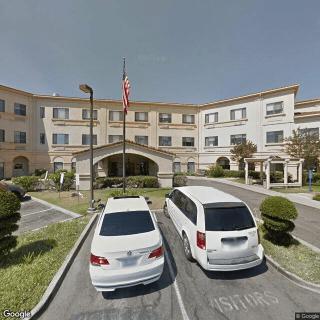



 Essential Knowledge on Pneumonia in Older Adults
 Exploring Palliative Care in the Home: A Comprehensive Overview
 Comprehensive Insights into Palliative Home Care: What It Is and What to Expect