
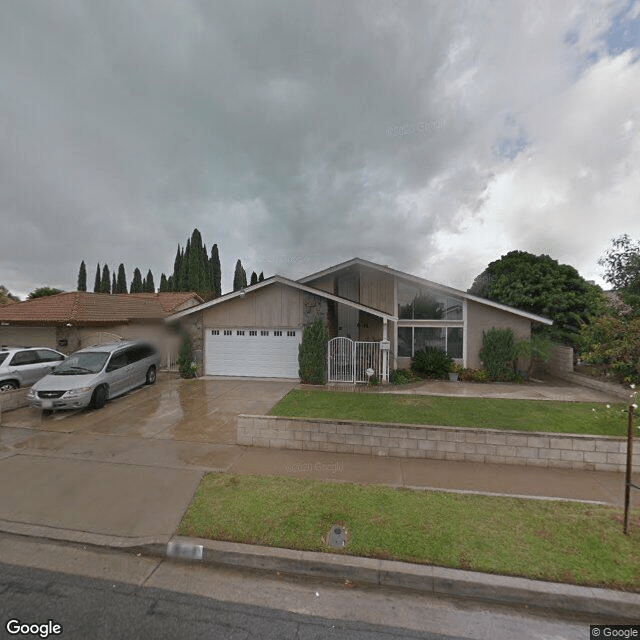
16419 Vernon Street, Fountain Valley, CA 92708
For more information about senior living options: (866) 208-4318
Adelya Senior Home II Costs & Pricing
Adelya Senior Home II offers competitive pricing for its services in comparison to the broader market in Orange County and California. For semi-private accommodations, residents can expect to pay $3,000 per month, which is notably lower than the county average of $3,431 and the state average of $3,333. This cost-effective option makes it an attractive choice for those seeking quality care without straining their budgets. In regard to private rooms, Adelya's fee is set at $4,500 per month, slightly above Orange County's average of $4,104 but aligns closely with the broader California average of $3,939. Overall, Adelya Senior Home II presents a valuable proposition for individuals considering senior living options while ensuring they receive personalized attention and support.
| Floor plans | Adelya Senior Home II | Orange County | California |
|---|---|---|---|
| Semi-Private | $3,000 | $3,431 | $3,333 |
| Private | $4,500 | $4,104 | $3,939 |
Assisted Living communities with a similar price nearby
-
from +$500 / mo
Kind Heart Home Care VI
$3,500 to $5,000 / month22.8 miles away -
from +$500 / mo
Loving Home Care
$3,500 to $4,500 / month4.9 miles away -
from +$300 / mo

Bella Manor II
$3,300 to $4,290 / month11.0 miles away -
from -$200 / mo
Leah Loving Elderly Care
$2,800 to $3,000 / month1.3 miles away -
from -$300 / mo
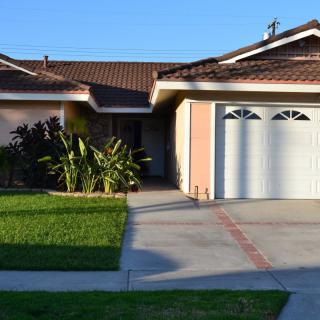
Loving Care Senior Home
$2,700 to $3,500 / month2.9 miles away
Overall Review of Adelya Senior Home II
Pros
 The staff is nice and very caring.
- The community is clean with a pleasant atmosphere that makes his brother happy.
- They offer activities for him to participate with the other residents.
- The community is recommended for its good care and value for other families.
Review
Adelya Senior Home II in Fountain Valley is best suited for families seeking a small, personable senior living setting where genuine caregiver attentiveness and a calm, clean atmosphere drive day-to-day quality of life. This community targets residents who thrive on consistent, hands-on support and a homelike vibe, rather than a large, hospital-like campus. The experience is anchored by staff who are described as nice and caring, and by a living environment that feels tidy and welcoming. For families, the combination often translates into reliable supervision, predictable routines, and a sense that a loved one is in a place where daily interactions carry real warmth.
Those weighing alternatives should consider contexts where more intensive medical oversight or a wider range of therapeutic resources matters. If a resident requires frequent clinical interventions, specialized memory care, or a broader menu of on-site therapies, larger communities with more extensive medical staff and program variety may be a better fit. Facilities with expansive campuses, more specialized units, or diversified activity options can offer peace of mind for families prioritizing robust medical support or highly varied engagement opportunities. In short, the strongest fit emerges where intimate care teams and a tranquil environment align with the resident’s daily needs and preferences.
The principal benefits offered by Adelya Senior Home II, notably attentive staff, a clean and pleasant atmosphere, and purposeful activities, cohere into a meaningful care experience. When staff members are consistently kind and responsive, daily routines feel safer and more predictable, reducing anxiety for both residents and families. A clean, well-kept environment reinforces a sense of dignity and comfort, removing common stressors that can accompany aging in place. Structured activities provide social connection and cognitive stimulation, helping maintain mood and engagement. Importantly, the combination of compassionate care and value appears to be mutually reinforcing: dependable staffing supports ongoing participation in activities, while a well-maintained setting reinforces the overall perception of quality at a reasonable cost.
Despite the positive notes, the absence of explicit drawbacks in the available feedback leaves room for cautious diligence. The strongest counterpoint for families with more intensive care needs is simply the reality that a smaller community may not deliver the breadth of medical resources found in larger, multi-building campuses. In this light, the pros, personalized attention, cleanliness, and a welcoming atmosphere, offset potential gaps only for those whose loved one can thrive with steady, daily support within a manageable, intimate context. For residents who require a wider array of clinical services or specialized programming, those needs could be better met elsewhere. The decision then hinges on whether intimate care and cost-value balance trump access to broader services.
To make a well-informed choice, families should verify a few practical factors during visits. Observe caregiver interactions with residents to gauge consistency and warmth, and ask about staff turnover and the caregiver-to-resident ratio. Review the activity schedule to confirm that interests align with personal preferences and that opportunities for social engagement are meaningful, not merely ceremonial. Scrutinize the cleanliness of common areas and private spaces, the quality of meals, and the transparency of pricing and included services. Finally, assess proximity to family support, ease of transition, and the facility’s readiness to tailor care to evolving needs.
In sum, Adelya Senior Home II stands out for families prioritizing a warm, attentive staff, a clean, inviting home-like setting, and purposeful activities at a value-driven price. It is a sound recommendation for residents who flourish in a smaller, tightly coordinated environment where daily life feels controlled by people who care. For those whose priorities include extensive on-site medical resources, diverse specialized programming, or a busier, larger community atmosphere, it may be prudent to explore alternatives that can better accommodate those specific requirements. The right match will balance the emotional reassurance of dependable care with the practical realities of care needs and budget.
 6 resident community capacity
 Assisted Living
 Board and Care Home
 Respite Care
 Cable or satellite TV
 Dining room
 Fully furnished
 Garden
 Housekeeping services
 Move-in coordination
 Outdoor space
 Private
 Private bathrooms
 Telephone
 Wi-Fi/high-speed internet available
 John Wayne Orange Co (5 miles away)
 24-hour supervision
 Activities of daily living assistance
 Assistance with bathing
 Assistance with dressing
 Assistance with transfers
 Diabetes diet
 Diabetic care
 Meal preparation and service
 Medication management
 Special dietary restrictions
 Transportation arrangement (medical)
 Transportation to doctors appointments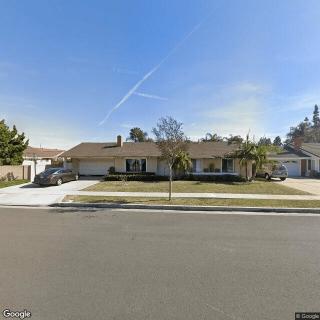
 Assisted Living Expenses and Long-Term Care Insurance: A Comprehensive Exploration
 Securing Financial Support for Assisted Living: A Comprehensive Overview
 Social Security Benefits and Assisted Living: Navigating Options Across the U.S.