
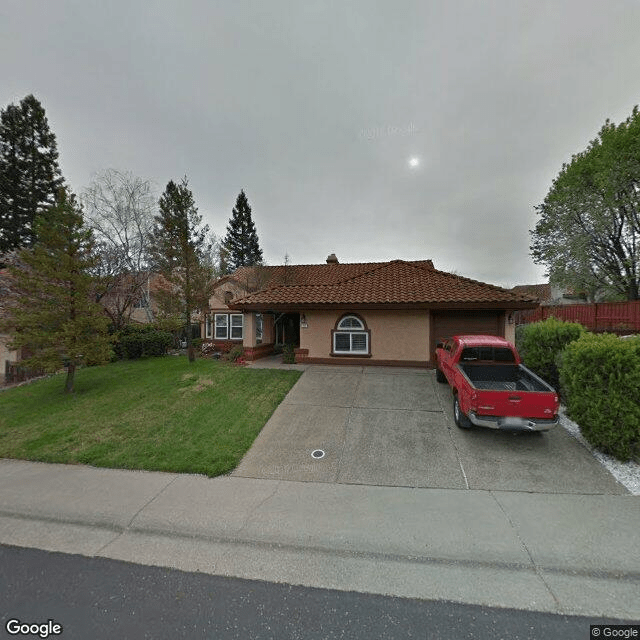
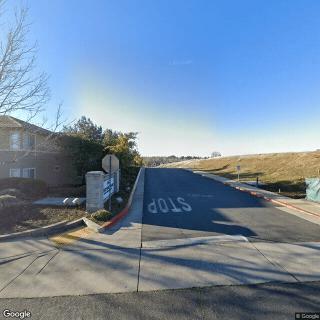
260 Baurer Circle, Folsom, CA 95630
For more information about senior living options: (866) 208-4318
Adina Home Care Costs & Pricing
Adina Home Care offers a competitive pricing structure for its residential services, particularly when compared to both Sacramento County and the broader California market. For those seeking semi-private accommodations, Adina's rate of $2,500 stands significantly lower than the county's average of $3,106 and the state average of $3,333. Similarly, private rooms at Adina are priced at $2,800, which is more economical than the county's rate of $3,686 and the state's figure of $3,939. Even for studio apartments, Adina's monthly cost of $3,000 is favorable compared to the local and state averages of $3,865 and $4,145 respectively. These pricing advantages underscore Adina Home Care's commitment to providing affordable options without compromising on quality care.
| Floor plans | Adina Home Care | Sacramento County | California |
|---|---|---|---|
| Semi-Private | $2,500 | $3,106 | $3,333 |
| Private | $2,800 | $3,686 | $3,939 |
| Studio | $3,000 | $3,865 | $4,145 |
Memory care communities with a similar price nearby
-
About the same
Eastern Manor
$2,500 to $3,000 / month13.5 miles away -
About the same

Eskaton Village Placerville
$2,464 to $4,678 / month18.9 miles away -
About the same
A.R.C. Manor of Folsom
$2,500 to $3,500 / month4.0 miles away -
from +$300 / mo

American River Care Home
$2,800 to $3,000 / month14.0 miles away -
About the same
Loomis Home Care
$2,500 to $4,000 / month10.4 miles away
Overall Review of Adina Home Care
Pros
 The home is immaculately clean and well maintained, with a beautiful garden and pool.
 - Nick and Elena are described as very caring, loving owners who provide attentive, one-on-one care.
- The meals are nutritious and delicious, with Ilena praised as a wonderful cook.
- Residents are kept clean and well-dressed, reflecting high standards of daily care.
- Families feel their loved ones are safe, well-treated, and supported in a warm, family-like atmosphere.
- The home is often described as five-star and highly recommended by visitors.
- The staff are conscientious about medications and promptly communicate health concerns.
- The outdoor spaces and fresh air contribute to a comforting, well-rounded living environment.
Cons
 One reviewer labeled the facility a horrible place and advised against sending anyone they care about there.
- The reviewer claimed the mother developed two bedsores, suffered a fall, and sustained a large head bump within three months.
- The reviewer stated that no one came to help when the mother called for assistance, leading to a fall from her chair.
- The reviewer alleged Elena didn’t bother to call 911 despite the patient being on blood thinners and at risk for bleeding.
- The reviewer criticized the staff for prioritizing church attendance over resident care.
- The reviewer said residents were left in a dingy, dark room all day and night.
- The reviewer claimed double diapers were used at night so the owner could sleep, resulting in ulcers for the residents.
- The reviewer asserted that after complaints were filed, Elena yelled at the mother and pressured her to leave or pay more, scolding her in front of others.
- The reviewer reported another resident developing a severe UTI from being left in soiled diapers, resulting in hospitalization.
- The reviewer noted there were multiple violations and that the owner had to undergo training to maintain her license.
Review
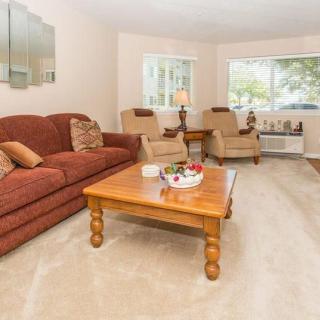
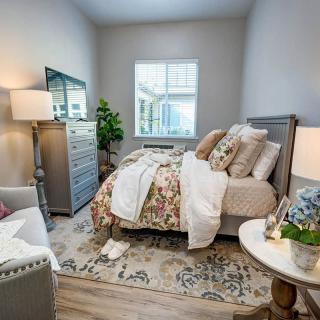
Adina Home Care in Folsom is best suited for families seeking a small, home-like memory-care setting where an elderly loved one can receive highly individualized, compassionate attention. The community particularly serves seniors with dementia who respond well to one-on-one interaction, predictable routines, home-style meals, and social time around a dining table in a warm, familial environment. The setting is clean, welcoming, and outdoor-oriented, with a garden and pool that support safe, relaxed activities. Those who prize warmth and a non-clinical feel over institutional polish will find this arrangement appealing. However, families needing ongoing, highly skilled nursing or formal facility-grade oversight should consider alternatives.
The strongest positives center on the intimate, caretaker-focused model. The owners operate a well-kept home where meals are chef-worthy, and residents are treated with evident care and warmth. Families consistently report thorough cleanliness, attentive daily routines, and genuine engagement from staff who appear to know each resident well. Health updates and medication handling are described as handled with care, and the overall atmosphere emphasizes a supportive, cheerful daily life. The sense of a “family feel”, with residents gathering for meals and enjoying outdoor spaces, helps sustain dignity and independence in a way larger facilities often cannot.
Nevertheless, a small number of reviews carry a caution flag. One account describes serious neglect, including delayed assistance, injuries, and a failure to summon emergency help, painting a picture of potential safety failures in a small, home-based set-up. Such claims are severe and starkly at odds with the broadly positive experiences many families report. While this is not the prevailing narrative, it highlights the real risk inherent in relying on a very small operation where staffing and supervision can vary significantly from week to week.
Do the positives offset the negatives? For families prioritizing personal connection, clean surroundings, and meaningful daily engagement, the advantages are meaningful and compelling. The home-like setting often yields sharper daily attentiveness and more ritual meals than larger, impersonal facilities, which can preserve dignity and mood for residents with memory challenges. The counterweight is that safety and consistency hinge on the caregivers’ ongoing availability and the owners’ oversight. If staffing is inconsistent or crisis policies aren’t crystal clear, a best-case experience can slip into a concerning one. Prospective residents should probe staffing coverage, response times, and how emergencies would be handled after hours.
Alternatives become worth serious consideration when medical complexity or regulatory reassurance takes precedence. A larger memory-care facility with licensed nursing staff on site, formalized dementia programming, and stronger, auditable incident-tracking may suit residents at higher medical risk or families wanting firmer assurances about accountability. In addition, a facility with transparent licensing histories and a track record of consistent safety outcomes can offer greater peace of mind to risk-averse families. Weigh these options against the intimate, home-focused advantages Adina offers.
Practical next steps for evaluating Adina are straightforward and disciplined. Schedule visits at different times to observe how staff interact with residents during meals, activities, and daily care. Speak with current residents’ families to hear about consistency, communication, and any red flags. Inspect not just the public areas but the private spaces residents use, noting cleanliness, odor, and room temperatures. Request a detailed explanation of staffing ratios, overnight coverage, med-management procedures, and emergency protocols, and verify licensing status and inspection histories with state authorities. If moving forward, ask for a written care plan, a clear escalation process for concerns, and a trial period to confirm the fit. In the right circumstances, Adina Home Care offers a deeply human, relationship-driven approach that can deliver extraordinary daily life quality for memory-care residents, while the vigilant family remains mindful of safety, oversight, and the need for ongoing evaluation.
 6 resident community capacity
 Assisted Living
 Board and Care Home
 Memory Care
 Respite Care
 Activities off-site
 Bath tubs
 Beautician on-site
 Cable or satellite TV
 Devotional services off-site
 Dining room
 Fully furnished
 Garden
 Housekeeping services
 Indoor common areas
 Move-in coordination
 Outdoor common areas
 Private
 Swimming pool / hot tub
 Telephone
 Wheelchair accessible showers
 Wi-Fi/high-speed internet available
 24-hour supervision
 Ambulatory care
 Assistance with bathing
 Assistance with dressing
 Assistance with transfers
 Diabetes diet
 High acuity care
 Meal preparation and service
 Medication management
 Special dietary restrictions
 Transportation arrangement (medical)
 Transportation to doctors appointments
 Christian services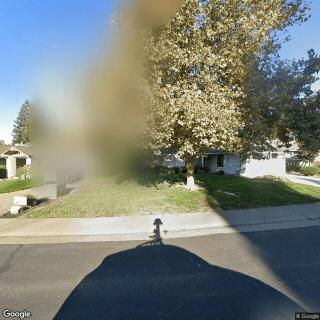

 Memory Care Pathways: A Holistic Guide to Dementia Support
 Comprehending Evening Confusion in Dementia: Causes, Manifestations, and Support
 Delirium and Dementia: Unraveling the Key Differences