
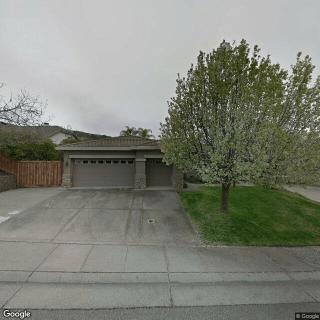
164 Biscayne Way, Folsom, CA 95630
For more information about senior living options: (866) 208-4318
Overall Review of Lexington Hills Senior Care
Pros
 The store is well stocked with spices, fresh vegetables, and ginger.
- The staff are friendly and there is ample parking.
- They offer fresh curry leaves on request.
- The liquor store owner is regarded as the best and is very cool.
- The center is conveniently located and has free parking with full accessibility.
- The stores here are nice and the center has a great sense of community.
- The center is memorable to visitors.
Review
Lexington Hills Senior Care in Folsom is best suited for seniors who prioritize a warm, traditional center vibe, convenient location, and straightforward accessibility over clinical bulk or high-end amenities. The community appeals to families seeking a neighborhood-like atmosphere where visits are easy, parking is plentiful, and daily life feels manageable rather than hospital-like. Review chatter paints a picture of a center that rings with a comforting sense of familiarity, less a glossy campus and more a dependable, well-run neighborhood option. For residents who want a quiet, homey environment with casual social energy and dependable basic services, Lexington Hills projects credibility through a steady, approachable footprint.
Those who should actively consider alternatives are the families whose priorities center on robust clinical care, memory-specific programming, or aggressive post-acute rehabilitation. If strong on-site medical oversight, dedicated memory care options, high staffing ratios, or an aggressive calendar of high-intensity activities are non-negotiables, other communities with defined clinical teams and documented care protocols will likely serve better. For residents requiring extensive transport coordination for frequent medical appointments, or for families needing highly structured daily routines and outcomes tracking, a larger, more specialized setting may prove more reliable in the long run.
The strongest pros, location, parking, and universal accessibility, directly translate into real, day-to-day advantages. A convenient site cuts down the friction of family visits and doctor appointments; free parking and full accessibility remove common barriers for mobility-restricted residents. The sense of a traditional, “America’s in the past” center adds a reassuring, low-stress tone that supports routine and predictable days. Add in a friendly staff and a palpable community spirit, and the environment becomes one where residents feel known and neighbors feel like family. These tangible advantages offset potential gaps in program depth by delivering stability, simplicity, and social warmth.
There is room for this center to grow, which is a meaningful upside. The notion that the center has “room for more business” suggests capacity to expand offerings without uprooting the core atmosphere. That potential matters for families weighing long-term placement: as needs evolve, a campus able to scale activities, dining options, or ancillary services can be a cost-effective, seamless transition. The old-fashioned, connected community vibe further shields against the jarring feel of larger, more clinical campuses. Still, the upside hinges on clear communication about what will be added, how quickly, and how staffing will adapt to broadened services without sacrificing the familiar, comforting rhythm.
The main caveat is the lack of explicit, facility-specific data in the reviews about care protocols, staffing, meal programs, transportation, or memory-care capabilities. That silence isn’t a verdict but a reason to probe: families should request concrete details, staff-to-resident ratios, on-site medical oversight, daily activity calendars, meal quality, and transportation options. In practical terms, this means tours should be treated as crucial investigations rather than courtesy visits. Ask to see sample menus, activity rosters, and a representative week schedule. In parallel, compare with communities that publish clear care levels and memory-care tracks. If Lexington Hills can reconcile those gaps with transparent, resident-first programming, it becomes a consistently strong choice for the right senior.
In the end, Lexington Hills Senior Care offers a compelling blend of accessibility, community warmth, and a reassuring, home-like cadence that many families will value highly. It fits seniors who want a practical, easy-to-navigate living situation with reliable gentle support and a neighborly atmosphere. For those whose must-haves include robust clinical care, memory-specific services, or highly structured, physician-led oversight, alternatives with clearly defined clinical programs deserve serious consideration. A thorough tour, with direct questions about staffing, care plans, and future expansion, will determine whether Lexington Hills meets the particular care trajectory sought, or if a different setting better aligns with the resident’s evolving needs.
 6 resident community capacity
 Assisted Living
 Cable or satellite TV
 Dining room
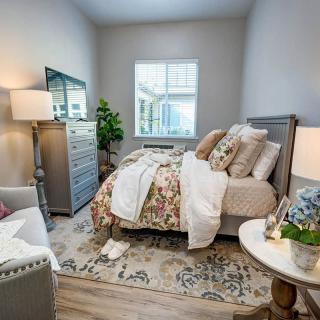
 Fully furnished
 Garden
 Housekeeping services
 Move-in coordination
 Outdoor space
 Telephone
 Wi-Fi/high-speed internet available
 24-hour supervision
 Activities of daily living assistance
 Assistance with bathing
 Assistance with dressing
 Assistance with transfers
 Diabetes diet
 Meal preparation and service
 Medication management
 Special dietary restrictions
 Transportation arrangement (medical)
 Transportation to doctors appointments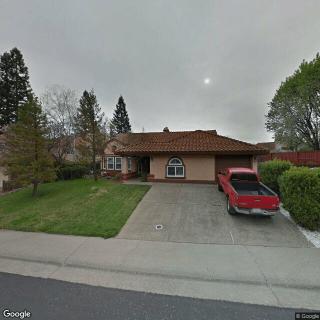



 8 Key Indicators That Suggest It May Be Time to Transition from Assisted Living to Skilled Nursing Care
 Vibrant Senior Living: A Comprehensive Guide for Active Older Adults
 When to Transition from Assisted Living to Memory Care: Key Indicators, Steps, and Finding the Right Community