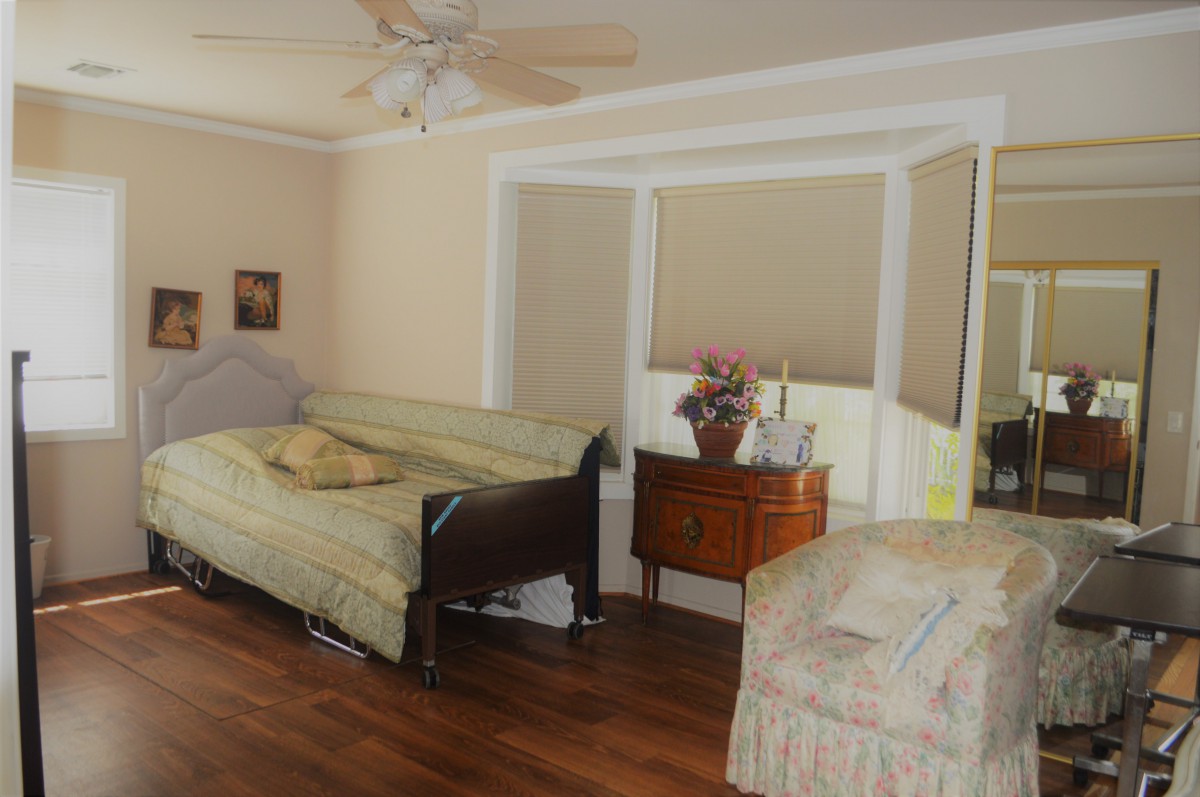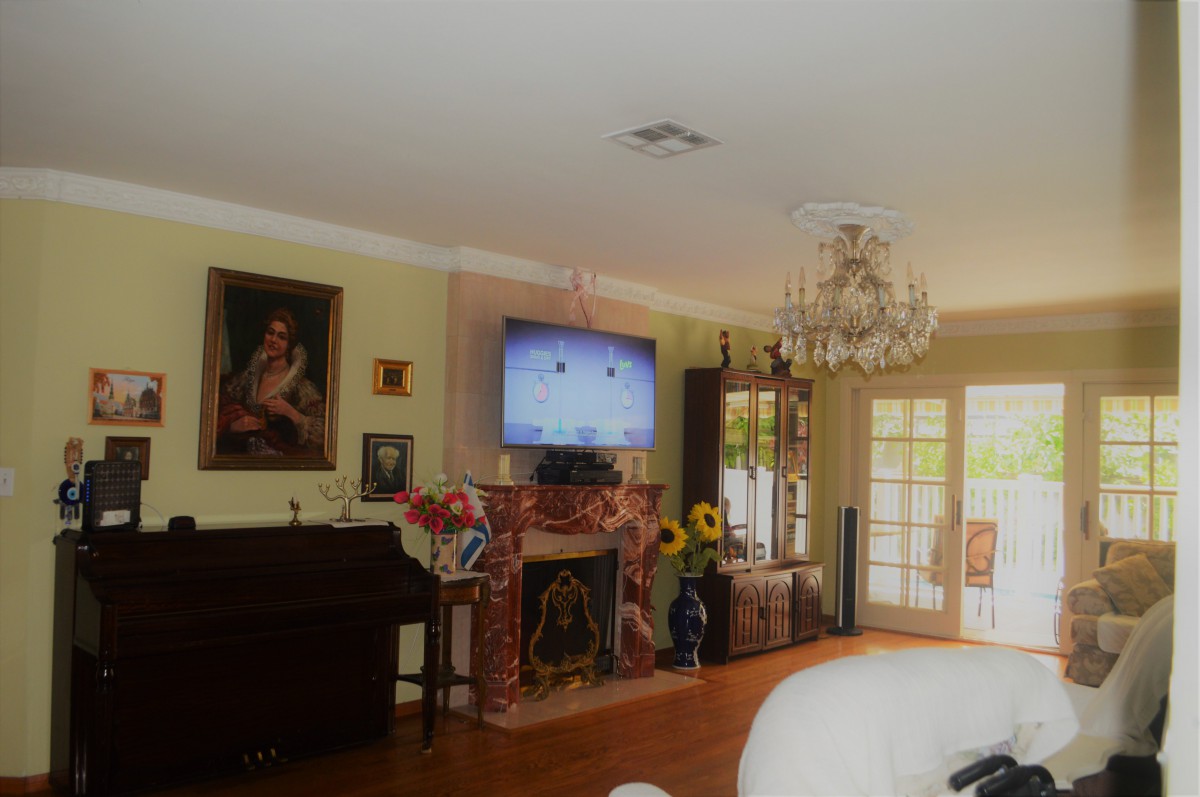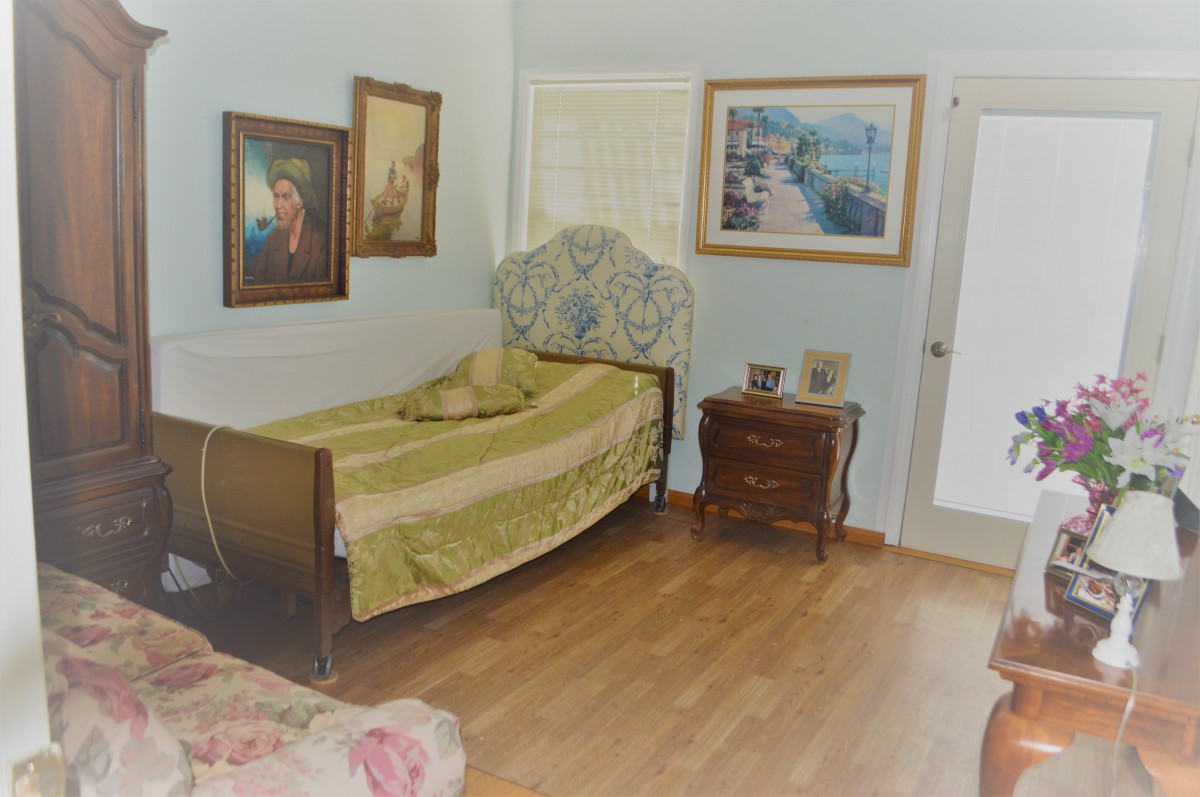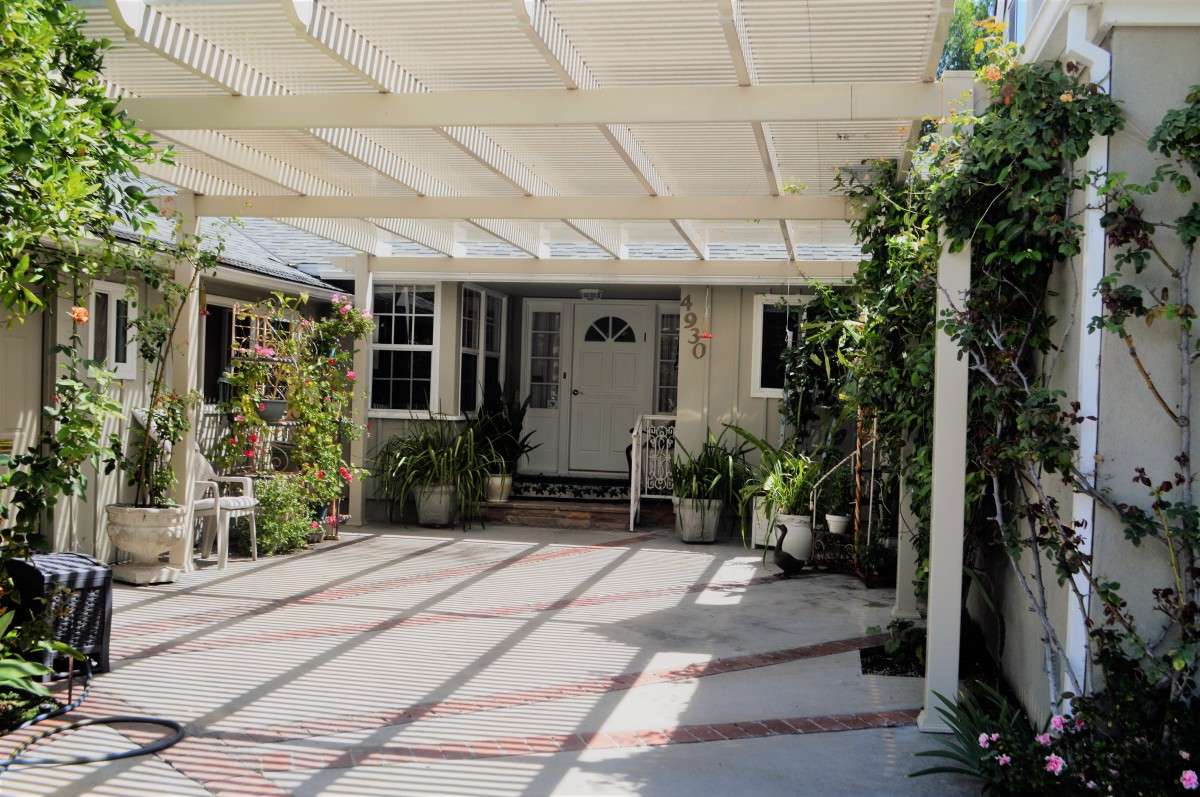
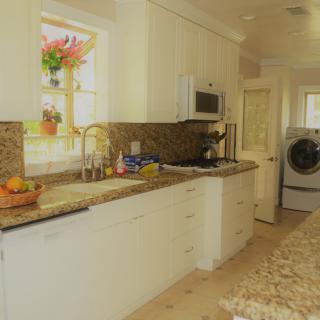

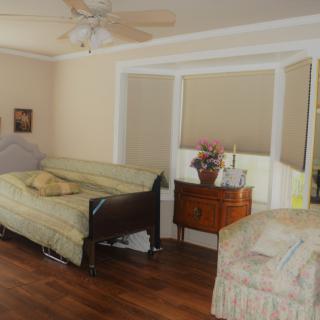
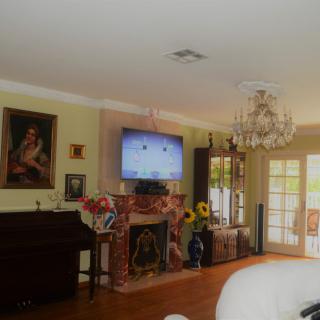
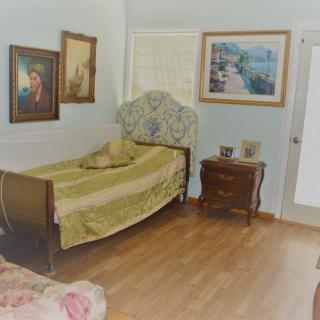
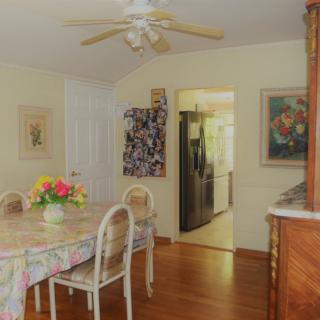
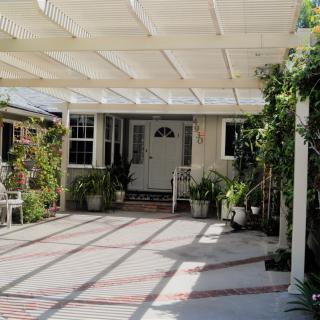
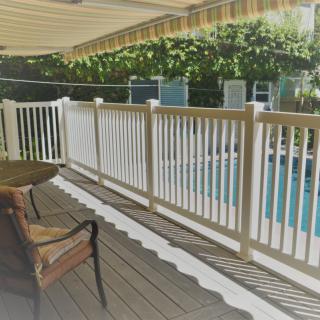
4930 Noeline Avenue, Encino, CA 91436
For more information about senior living options: (866) 208-4318
Encino Gardens Costs & Pricing
Encino Gardens offers competitive pricing within the context of Los Angeles County and the broader California market. For private rooms, Encino Gardens charges $4,500 per month, which is slightly higher than the county average of $4,197 but reflects a quality level that many residents find invaluable. The semi-private accommodations at Encino Gardens are priced at $4,500 as well, significantly above the county's average of $3,349 and California's general rate of $3,333. Studio units in Encino Gardens are available for $4,600 each month, positioning them just above both county and statewide averages of $4,172 and $4,145 respectively. While Encino Gardens may be on the higher end of the pricing spectrum for these room types, it is essential to consider the potential benefits and amenities that accompany these costs in comparison to other options available in the area.
| Floor plans | Encino Gardens | Los Angeles County | California |
|---|---|---|---|
| Semi-Private | $4,500 | $3,349 | $3,333 |
| Private | $4,500 | $4,197 | $3,939 |
| Studio | $4,600 | $4,172 | $4,145 |
Memory care communities with a similar price nearby
-
from +$500 / mo

Sweet Home Senior Living #1
$5,000 to $7,500 / month3.7 miles away -
About the same
Ardenville Home Care I
$4,500 / month9.0 miles away -
from -$700 / mo
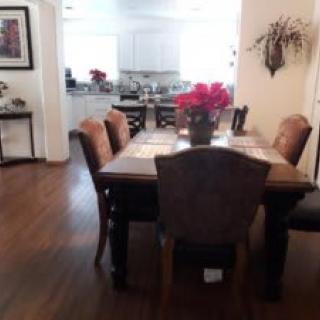
America's Care Manor
$3,800 to $4,000 / month13.1 miles away -
from -$500 / mo
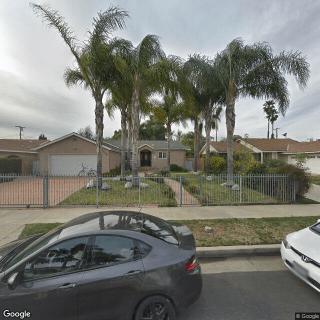
Land of Peace 6
$4,000 to $5,500 / month7.8 miles away -
from +$500 / mo
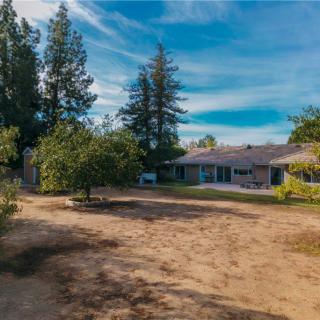
A Caring Touch Board and Care
$5,000 / month8.3 miles away
Overall Review of Encino Gardens
Pros
 They always have a good time at the Surly Goat.
- It was good.
Cons
 The floors are never vacuumed.
- There are more roaches than one can count.
Review
Encino Gardens is best suited for seniors who want social engagement and a convenient Encino location, and who can tolerate imperfect housekeeping and periodic maintenance disruption. The feedback pool is split enough to suggest moments of genuine liveliness and positive staff interactions, but not so strong as to mask the day-to-day operational gaps. In practice, the community can feel welcoming when activities click and residents connect, yet the most concrete concerns center on cleanliness and pest control. For families weighing options, Encino Gardens offers social value that can compensate for some rough edges, but it is not a pristine, low-disruption environment. The bottom line: this is a fit for those who prioritize community life more than spotless upkeep.
Who may want to consider alternatives is straightforward. Anyone who requires consistently spotless spaces and a pest-free living environment should look elsewhere in the area. Those who need a quiet, maintenance-free routine or a predictable daily schedule may find Encino Gardens wanting. If housekeeping is non-negotiable and the prospect of recurring maintenance activities during business hours is a deal-breaker, it’s prudent to evaluate other nearby communities with stronger cleanliness records and more predictable service delivery. In short, cleanliness-first criteria point toward alternatives.
The principal advantages, where they exist, offset the drawbacks only in narrow bands. The presence of multiple five-star reviews hints at moments when social programming, resident camaraderie, and perhaps staff rapport land well, offering tangible value beyond basic care. When operations run smoothly, residents may feel connected, engaged, and supported by a friendly team. However, those bright spots are overshadowed by persistent operational concerns: floors left unvacuumed and a pest situation described with alarming intensity. The contrast between occasional warmth and ongoing maintenance lapses makes the experience uneven, and uneven experiences drive hesitation for families seeking steady reliability.
The most concrete, recurring cons are hard to ignore. Cleanliness lapses, floors not vacuumed, and a pest issue described as roaches proliferating, strike at daily comfort and peace of mind. Add to that the practice of painting hallways and performing major maintenance during business hours, and the routine becomes disruptive rather than restorative. Residents’ daily lives are interrupted, meals, rest, and quiet time can be affected, and the sense of a well-run home is undermined. The reviews do not offer a clear picture of how promptly complaints are addressed or how consistently housekeeping and pest-control routines are managed, leaving a lingering impression that problems may recur rather than be resolved.
Even so, Encino Gardens may still work for a practical subset of families. For residents who prize social opportunities, the chance to participate in community events, and the comfort of a lively environment, the potential gains can be meaningful. The key is a clear recognition that the positives hinge on reliable operation, something that, in practice, requires vigilance, ongoing feedback, and a willingness to intervene when issues arise. In other words, the success of this choice hinges on balancing the social upside against the likelihood of ongoing cleanliness and maintenance hiccups.
For families advancing with a decision, a disciplined due diligence plan is essential. Schedule visits at multiple times to observe housekeeping and noise levels, and press for concrete data: frequency of cleaning, pest-control protocols, and the schedule and handling of hallway painting or other intrusive maintenance. Request quantitative targets for response times on maintenance requests and a transparent process for escalating concerns. Speak with current residents about their day-to-day routines, including meal times, housekeeping, and how often issues are addressed. Finally, insist on a written service outline that details what is included in care levels, what amenities are guaranteed, and how safety checks and emergency protocols are managed. This approach turns a potentially uneven experience into a clearly understood lived reality, allowing families to decide with confidence whether Encino Gardens matches the resident’s priorities.
 6 resident community capacity
 Assisted Living
 Board and Care Home
 Memory Care
 Activities on-site
 Cable or satellite TV
 Dining room
 Fully furnished
 Garden
 Housekeeping services
 Indoor common areas
 Move-in coordination
 Outdoor common areas
 Private
 Swimming pool / hot tub
 Telephone
 Wheelchair accessible showers
 Wi-Fi/high-speed internet available
 Burbank-Glendale-Pasadena (8 miles away)
 24-hour supervision
 Assistance with bathing
 Assistance with dressing
 Assistance with transfers
 Diabetes diet
 Diabetic care
 High acuity care
 Incontinence care
 Meal preparation and service
 Medication management
 Special dietary restrictions
 Transportation arrangement (medical)
 Transportation to doctors appointments
 Light therapy programs





 Vibrant Senior Living: A Comprehensive Guide for Active Older Adults
 Assisted Living and Memory Care: Understanding Their Core Differences
 Choosing the Right Senior Care: A Detailed Exploration of Assisted Living and Nursing Homes