For more information about senior living options: (866) 208-4318
3 from 110 reviews
5 stars
52
4 stars
3
3 stars
2
2 stars
2
1 stars
51
Overall Review of Tarzana Health And Rehabilitation Center
caveat6 reviews mention this
Call buttons and neglect concerns
Several residents describe delayed or missed help when they needed it urgently.
A recurring concern in the reviews is whether staff responds promptly when help is requested. Multiple reviewers mention broken or unresponsive alert/call buttons, long waits for assistance, or residents left unattended for extended periods. Some reviews also describe hygiene issues when care does not arrive quickly enough. This theme is directly at odds with the facility offering a 24-hour call system and 24-hour supervision for residents.
common22 reviews mention this
Staff compassion varies by review
Many reviewers say staff are kind, attentive, and caring during recovery.
Many reviews highlight respectful communication and genuinely supportive staff, including nurses, CNAs, social workers, and therapists. Reviewers describe staff helping families through stressful admissions, addressing questions, and treating residents like they matter. At the same time, other reviews give the opposite impression, describing rude interactions and insufficient responsiveness. With both praise and serious complaints appearing, the safest takeaway from the reviews is that day-to-day experience may depend on the unit, timing, and assigned caregivers.
common7 reviews mention this
Therapy and rehab get praise
Physical and occupational therapy is repeatedly described as helpful and effective.
Several residents and family members praise therapy outcomes and the way sessions are run. Reviews mention physical therapy helping reduce pain and improve walking or arm function, and some call out specific therapists. There are also a few negative mentions where therapy reportedly did not happen as expected, so experiences are not uniform. The community’s skilled nursing focus aligns with therapy being a core part of the stay for rehabilitation patients.
caveat5 reviews mention this
Food quality is a mixed point
Food quality is inconsistent, with both praise and strong complaints in reviews.
Some reviews describe meals as delicious or as being served throughout the day, and one reviewer mentions accommodating food preferences. Other reviews call the food terrible or intolerable and link it to residents not being able to get well. The community also offers meal preparation and service plus special dietary restrictions like diabetes diet, which suggests there is structured nutritional support. Even with those offerings, reviewers’ day-to-day satisfaction still varies.
caveat6 reviews mention this
Cleanliness and room upkeep differ
Reviews disagree on how clean and well-kept the facility feels.
Positive reviews describe the building as clean and welcoming, with some mentioning a hotel-like feel and freshly made beds. Other reviewers report trash in shared areas, unpleasant odors, dirty conditions, and broken furniture or an aging feel. Some also mention residents being left in soiled conditions when care is delayed. The mixed feedback suggests room-by-room upkeep and staffing levels may strongly affect what visitors and residents notice.
common1 reviews mention this
Close to everyday errands
Several everyday destinations and medical care options are within a few miles.
The location places common errands within short drives, including nearby pharmacies and restaurants. There are also medical providers in the area that families may look for outside of planned facility care. Reviews do not consistently discuss nearby access, so this is best treated as location convenience rather than a review-backed benefit.
How we summarize
Counts show how many written reviews mention each theme; a review can touch several themes, and only frequently mentioned themes are displayed.
Features
Housing
180 resident community capacity
Types of Care
Skilled Nursing Facility
Amenities
Air-conditioning
Beauty salon
Cable or satellite TV
Computer center
Dining room
Fitness room
Fully furnished
Gaming room
Garden
Housekeeping services
Kitchenette
Move-in coordination
Outdoor space
Private bathrooms
Restaurant-style dining
Small library
Telephone
Wellness center
Wi-Fi/high-speed internet available
Transportation
Burbank-Glendale-Pasadena (10 miles away)
Los Angeles International (18 miles away)
Community operated transportation
Transportation arrangement
Transportation arrangement (non-medical)
Transportation to doctors appointments
Care Services
12-16 hour nursing
24-hour call system
24-hour supervision
Activities of daily living assistance
Assistance with bathing
Assistance with dressing
Assistance with transfers
Diabetes diet
Meal preparation and service
Medication management
Mental wellness program
Special dietary restrictions
Dining
Diabetes diet
Special dietary restrictions
Activities
Community-sponsored activities
Concierge services
Fitness programs
Planned day trips
Resident-run activities
Scheduled daily activities
Nearby Places of Interest
Located in the charming neighborhood of Tarzana, California, this area offers a convenient and accessible lifestyle for seniors. With multiple pharmacies like CVS and Walgreens within close proximity, access to healthcare services is easily available. A variety of dining options, including fast-food chains like McDonald's and upscale restaurants like Chili's Grill & Bar, provide diverse culinary experiences. Nearby parks such as Lake Balboa Park offer opportunities for outdoor recreation and relaxation. In terms of healthcare services, there are reputable facilities like UCLA Health Woodland Hills and Southern California Orthopedic Institute nearby. For entertainment, the Regal Sherman Oaks Galleria theater is just a short drive away. Overall, this area provides a well-rounded living experience with easy access to essential amenities for seniors looking to settle down in a vibrant community.
Pharmacies
CVS Pharmacy (0.3 miles)
Walgreens (0.4 miles)
CVS Pharmacy (1.5 miles)
CVS Pharmacy (1.7 miles)
Walgreens (1.8 miles)
CVS Pharmacy (2.1 miles)
Valley Drug & Compounding (2.1 miles)
Restaurants
McDonald's (0.9 miles)
Uncle Bernie's Deli (1.3 miles)
Chili's Grill & Bar (1.8 miles)
Vinh Loi Tofu (1.9 miles)
Chick-Fil-A (2.1 miles)
The Stand American Classics Redefined (2.1 miles)
Wendy's (2.2 miles)
Parks
Encino Bike Path (1.2 miles)
Lake Balboa Park (2.1 miles)
Serrania Park (3.2 miles)
Top of Topanga Overlook (4.4 miles)
Shadow Ranch Park (5 miles)
Parthenia Park (5.2 miles)
Van Nuys Sherman Oaks Park (5.4 miles)
Cafes
Winnetka Bowl (2.5 miles)
Starbucks (2.8 miles)
Starbucks (4 miles)
Starbucks (4.1 miles)
Porto's Bakery & Cafe (4.4 miles)
Starbucks (5.1 miles)
Starbucks (5.6 miles)
Transportation
Van Nuys Airport (VNY) (3.1 miles)
Van Nuys FlyAway Bus Terminal to LAX (3.9 miles)
Physicians
UCLA Health Woodland Hills (4.1 miles)
Southern California Orthopedic Institute (4.4 miles)
Mid-Valley Comprehensive Health Center (5.4 miles)
Liberty Pacific Advanced Imaging | West Hills (5.8 miles)
Center For Orthopaedic Specialists (5.8 miles)
Evan Bachner Evan J Bachner MD (5.8 miles)
Providence Medical Institute West Hills OB-GYN (5.8 miles)
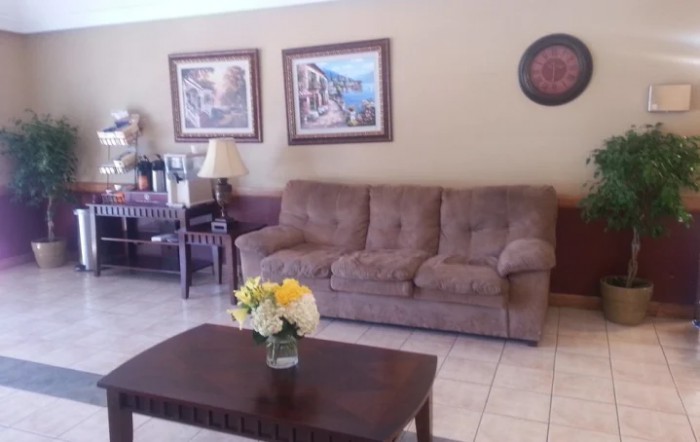
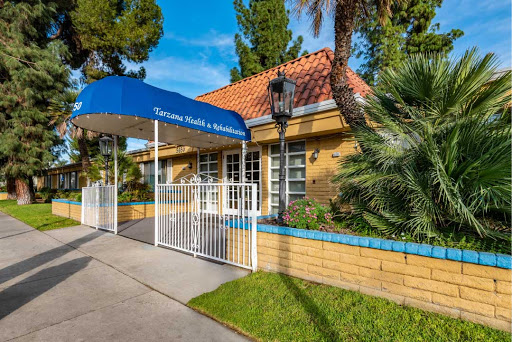
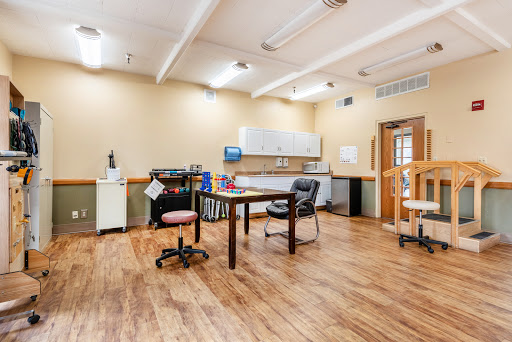
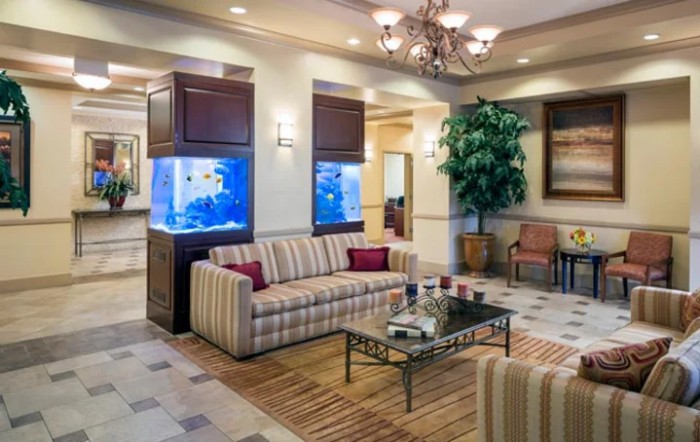
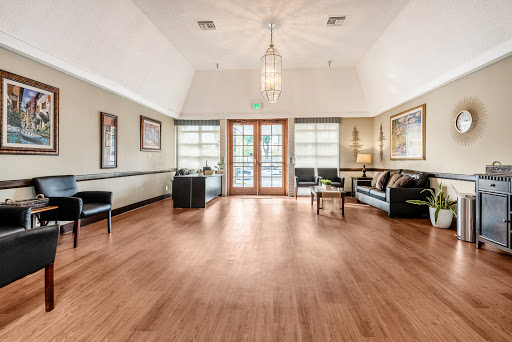
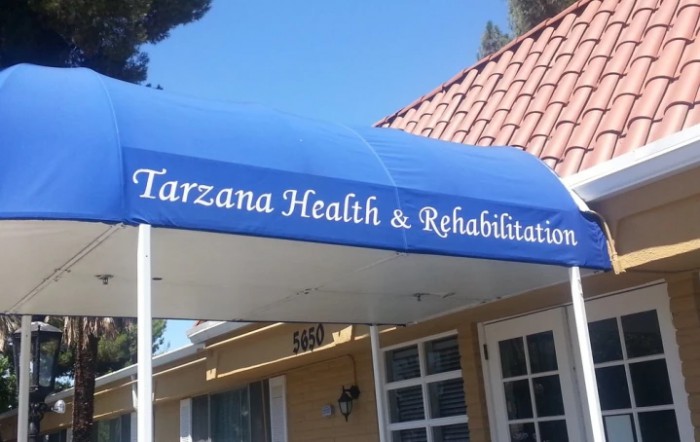
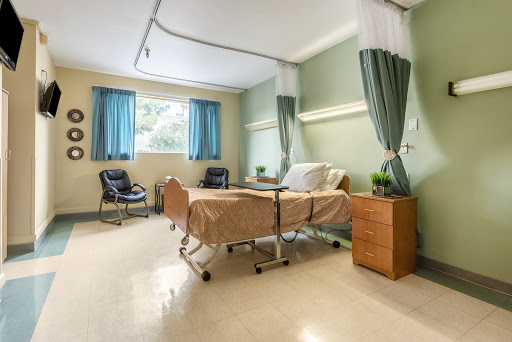
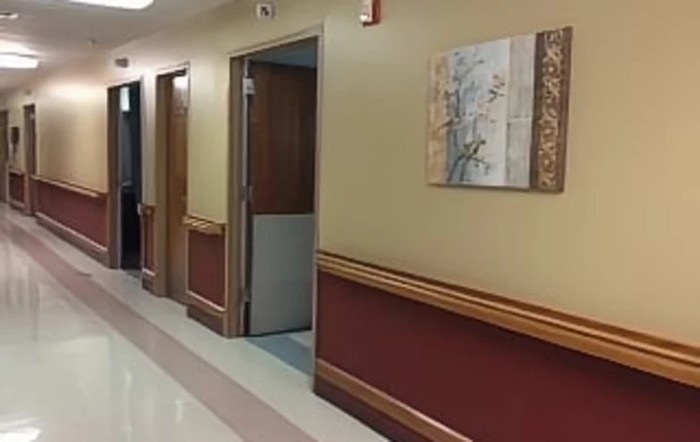
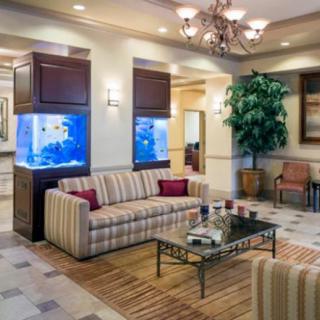
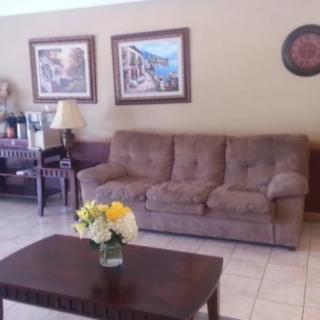
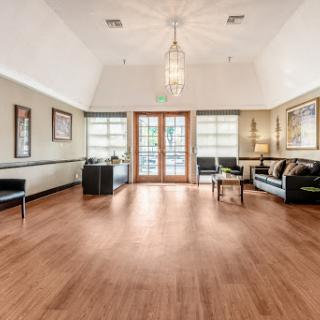
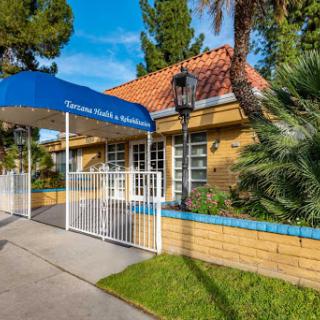
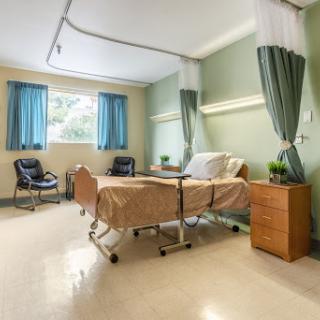
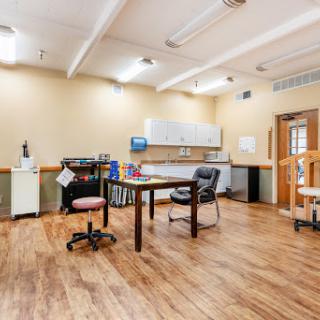
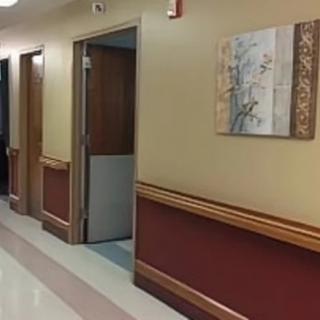
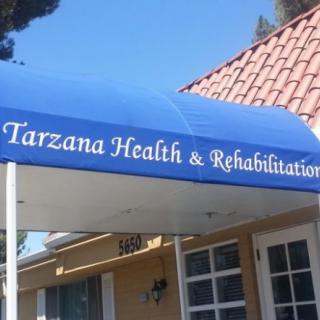
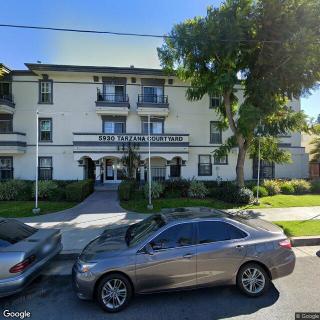
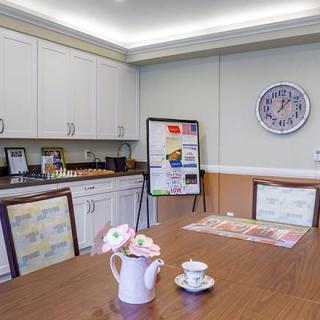
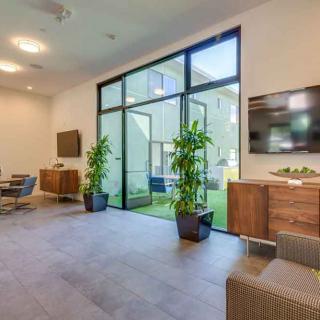
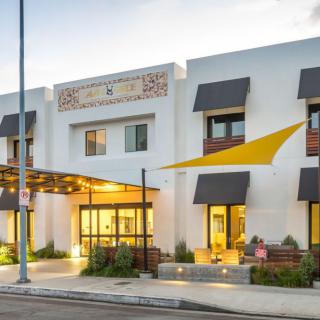
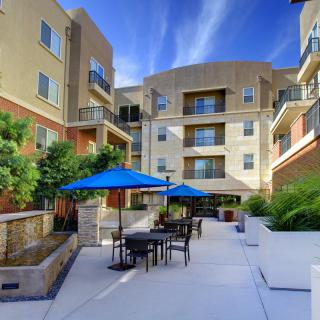
Tarzana Health And Rehabilitation Center on seniors.fyi includes 8 photos including images showing interior, artwork, living room, landscaping, chandelier, decor, healthcare, painting, and more.
Nearby Communities
Optimal Caregivers
Tarzana, CA
Convenient, vibrant lifestyle with easy access to amenities and services (cafes, parks, pharmacies, physicians, restaurants, transportation, theater).
Summit Assisted Living of Tarzana
Tarzana, CA
3.8 from 49 reviews
Competitive pricing with affordable semi-private, studio, and 1-bedroom options plus a wide range of on-site services (beauty salon, transportation, medication management, meals, activities).
Tarzana Courtyard
Tarzana, CA
1.3 from 3 reviews
Kind, safety-conscious residents and strong sense of community.
Brookdale Gardens of Tarzana
Tarzana, CA
4.2 from 75 reviews
$3,075 to $7,120 / month
Clean, welcoming community with friendly staff and good dining.
Avantgarde Memory Care Of Tarzana
Tarzana, CA
4.2 from 29 reviews
Specialized memory care with 24/7 supervision, mental wellness program, and restaurant-style dining with diabetes-friendly options.
AvantGarde Senior Living
Tarzana, CA
4.4 from 60 reviews
$2,000 to $4,500 / month
Clean, modern facility with friendly staff and engaging activities.
Fountainview At Eisenberg Village
Reseda, CA
4.5 from 51 reviews
$3,900 to $5,000 / month
Gorgeous, brand-new facility with upscale amenities and on-site services (e.g., underground parking with valet, beauty shop).
Menorah House
Reseda, CA
5 from 1 review
Holistic care with diabetic support, on-site activities, and easy access to nearby healthcare and amenities.
Living wills and advance directives are crucial legal documents that outline an individual's healthcare preferences when they cannot make decisions themselves, enhancing patient autonomy and alleviating family stress during medical crises. The article emphasizes the need for these documents to be personalized, legally valid, and regularly updated, while also encouraging communication about end-of-life wishes among family members and healthcare providers.
The article examines living wills and advance directives, highlighting their significance in expressing healthcare preferences for those unable to communicate due to illness or incapacity. It discusses their historical development, legal components, limitations, practical drafting advice, and the importance of clear communication among families and healthcare professionals regarding end-of-life decisions.
Hospice care focuses on providing comfort and support for individuals nearing the end of life, with Medicare Part A covering services like nursing care and counseling for patients with a terminal illness and a life expectancy of six months or less. While most hospice services are low-cost for eligible patients, families should be aware that certain expenses, such as room and board, may not be covered.
Building, Architecture, Outdoor, Entrance, and Palm Trees
Lighting, Office, and Workspace
Artwork
Chandelier
Lobby, Waiting Area, and Aquarium
Natural Light
Healthcare
Painting and Hallway
Rehabilitation, Building Exterior, and Awning
Get PricingAsk A QuestionSchedule A TourContact Senior Advisor
By clicking submit, you agree to our Partner's Terms of Use. You
also consent to receive calls and texts, which may be autodialed, from our Partner. Your consent is not a condition to
using our Partner's service. Please visit our Partner's Privacy Policy for information about their privacy practices.

 180 resident community capacity
 Skilled Nursing Facility
 Air-conditioning
 Beauty salon
 Cable or satellite TV
 Computer center
 Dining room
 Fitness room
 Fully furnished
 Gaming room
 Garden
 Housekeeping services
 Kitchenette
 Move-in coordination
 Outdoor space
 Private bathrooms
 Restaurant-style dining
 Small library
 Telephone
 Wellness center
 Wi-Fi/high-speed internet available
 Burbank-Glendale-Pasadena (10 miles away)
 Community operated transportation
 12-16 hour nursing
 24-hour call system
 Activities of daily living assistance
 Assistance with bathing
 Assistance with dressing
 Assistance with transfers
 Diabetes diet
 Medication management
 Mental wellness program
 Special dietary restrictions
 Concierge services
 Planned day trips
 Convenient, vibrant lifestyle with easy access to amenities and services (cafes, parks, pharmacies, physicians, restaurants, transportation, theater).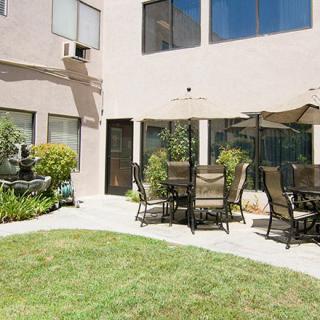
 Comprehensive Exploration of Living Wills and Other Advance Directives
 A Detailed Exploration of Living Wills and Advance Directives
 Comprehensive Guide to Medicare Coverage for Hospice Care