Residents and families consistently describe caring, responsive caregivers.
A recurring theme is the way nursing staff and aides show up when families need help, with many reviewers describing efficient care, patience, and support that made a difficult recovery feel more manageable. Several reviews also highlight skilled therapy teams, with PT and OT working closely with residents and coordinating care so progress felt organized. Even when there are frustrations, reviews still point back to specific caregivers as attentive and respectful, rather than leaving the experience entirely negative.
differentiator10 reviews mention this
Rehab progress with PT and OT
Physical and occupational therapy is a major reason families recommend the rehab stays.
Multiple reviews connect the best part of recovery to the therapy experience, including strong PT and OT support after orthopedic surgeries and other injuries. Reviewers describe therapists as well trained, patient, and focused on getting residents moving and functioning again, including teaching family how to help after a return home. A recurring contrast is that rehab felt effective enough to stand out versus what families expected from other places they toured.
common6 reviews mention this
Food is frequently called delicious
Meals are repeatedly described as good, thoughtfully prepared, and enjoyable.
Food comes up often, with several residents and family members saying the meals were delicious and carefully prepared. A few reviewers also mention attention to individual needs and preferences, including allergy awareness and planning meals around what a resident could eat. Not every comment is positive—one review calls the food “really awful”—but most of the dining feedback trends positive.
common8 reviews mention this
Facility cleanliness and upkeep
Residents and visitors often mention a clean, well-maintained facility.
Cleanliness is a steady point of praise, with multiple reviews describing the building as clean, spotless, and well cared for. Some reviewers also describe a facility that stays organized and maintained during longer stays. A smaller number of negative comments dispute the experience, including claims of low staff affecting basic needs, but the majority of cleanliness mentions are positive.
common5 reviews mention this
Activities help residents stay engaged
On-site activities and social events are a frequent highlight in reviews.
Many reviewers talk about daily events and activities that kept residents from feeling isolated, including entertainment, outings for social time, and opportunities tied to spiritual life. Families describe the activities as part of what made recovery feel better overall, not just a way to pass time. One review also mentions residents playing games and sharing meals together, reinforcing that day-to-day life included more than therapy appointments.
caveat2 reviews mention this
Staffing shortages affect daily responsiveness
Some reviews report understaffing that affected care timing and support.
A minority of reviews raise concerns about not having enough staff, describing longer waits for help and a lack of time for basic needs like showering. Those reviewers also describe negative interactions when families complained, including feeling disregarded. Other reviews counterbalance this with descriptions of attentive, caring staff, so the experience appears mixed depending on timing and circumstances.
How we summarize
Counts show how many written reviews mention each theme; a review can touch several themes, and only frequently mentioned themes are displayed.
Features
Types of Care
Assisted Living
Day Program
Independent Living
Memory Care
Skilled Nursing Facility
Amenities
Activities on-site
Devotional services off-site
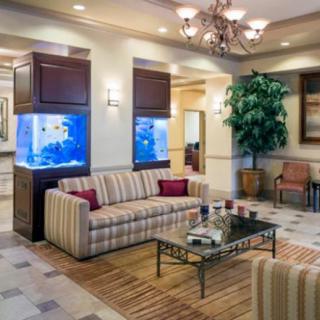
Indoor common areas
Transportation
Burbank-Glendale-Pasadena (11 miles away)
Los Angeles International (20 miles away)
Care Services
Ambulatory care
Diabetic care
High acuity care
Dining
Meals provided
Activities
Activities on-site
Devotional activities offsite
Nearby Places of Interest
This part of Reseda, California offers a variety of amenities and services that may appeal to seniors looking for a convenient and vibrant community. There are several popular dining options nearby, including Wendy's, Vinh Loi Tofu, and Brent's Delicatessen & Restaurant. Additionally, there are multiple pharmacies in the area for easy access to medications and healthcare needs. For leisure activities, residents can visit cafes like Winnetka Bowl and Porto's Bakery & Cafe or explore nearby parks such as Lake Balboa Park and Serrania Park. Medical services are also readily available with UCLA Health Woodland Hills and Providence Medical Institute West Hills OB-GYN located within a few miles. Transportation options include Van Nuys Airport and the FlyAway Bus Terminal to LAX for easy travel connections. Overall, this part of Reseda provides a mix of convenience, entertainment, and healthcare resources for seniors looking to settle in the area.
Restaurants
Wendy's (0.1 miles)
Vinh Loi Tofu (0.8 miles)
McDonald's (1.4 miles)
Brent's Delicatessen & Restaurant (2 miles)
McDonald's (2.1 miles)
In-N-Out Burger (2.1 miles)
Chick-Fil-A (2.3 miles)
Pharmacies
CVS Pharmacy (0.7 miles)
CVS Pharmacy (0.9 miles)
Walgreens (1.1 miles)
CVS Pharmacy (1.1 miles)
Walgreens (1.6 miles)
CVS Pharmacy (2 miles)
CVS Pharmacy (2.2 miles)
Cafes
Winnetka Bowl (1.2 miles)
Porto's Bakery & Cafe (2.4 miles)
Starbucks (2.5 miles)
Starbucks (3 miles)
Starbucks (3.7 miles)
Starbucks (3.7 miles)
Starbucks (4.2 miles)
Parks
Encino Bike Path (2.5 miles)
Lake Balboa Park (3.1 miles)
Parthenia Park (3.2 miles)
Serrania Park (3.6 miles)
Shadow Ranch Park (3.8 miles)
Top of Topanga Overlook (5 miles)
Chatsworth Park North (5.5 miles)
Physicians
UCLA Health Woodland Hills (3.1 miles)
Evan Bachner Evan J Bachner MD (4.4 miles)
Center For Orthopaedic Specialists (4.4 miles)
Liberty Pacific Advanced Imaging | West Hills (4.4 miles)
Providence Medical Institute West Hills OB-GYN (4.5 miles)
Southern California Orthopedic Institute (5.2 miles)
Mid-Valley Comprehensive Health Center (5.9 miles)
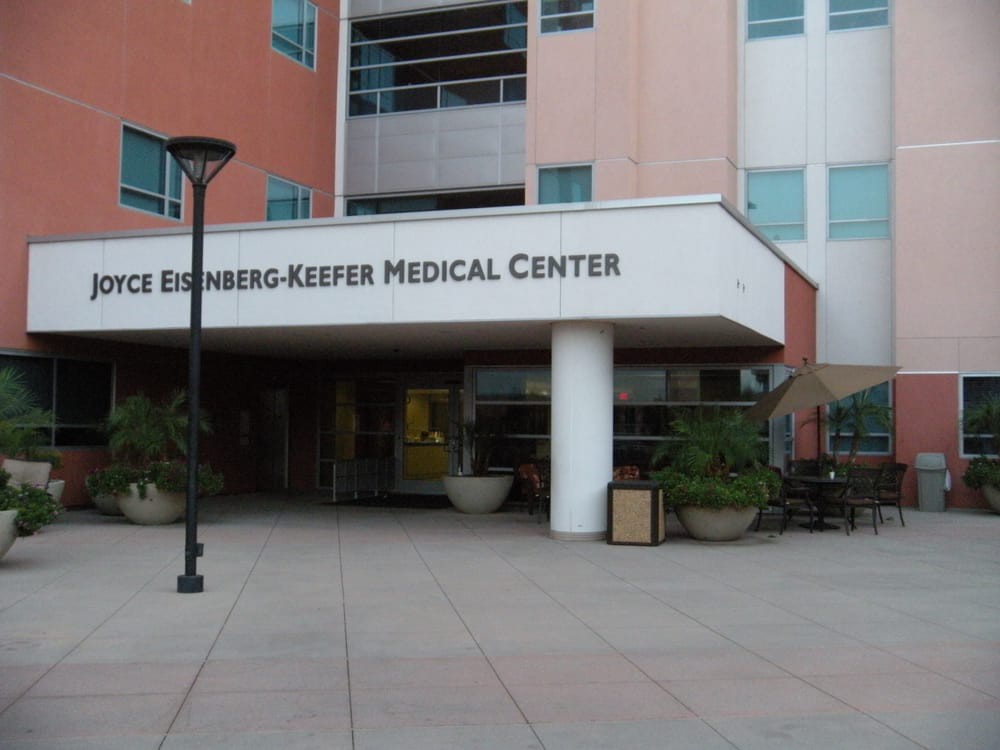
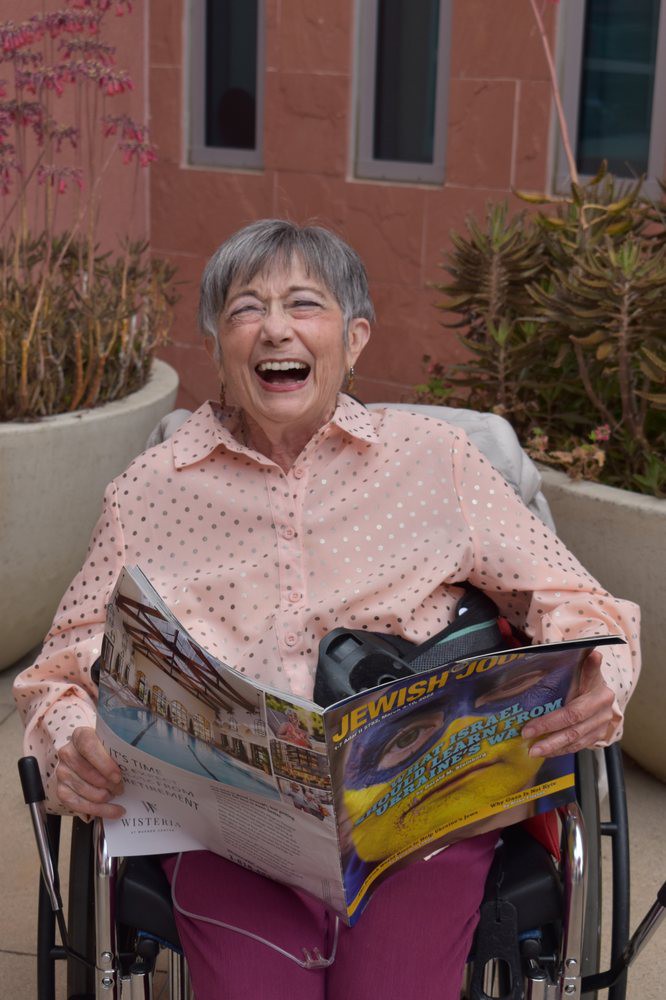
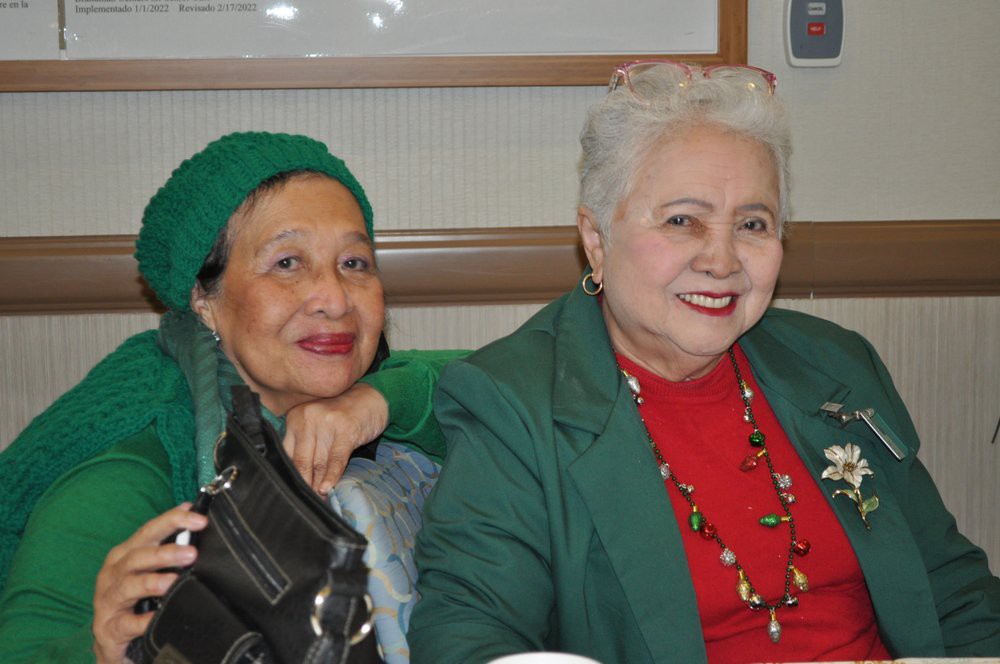
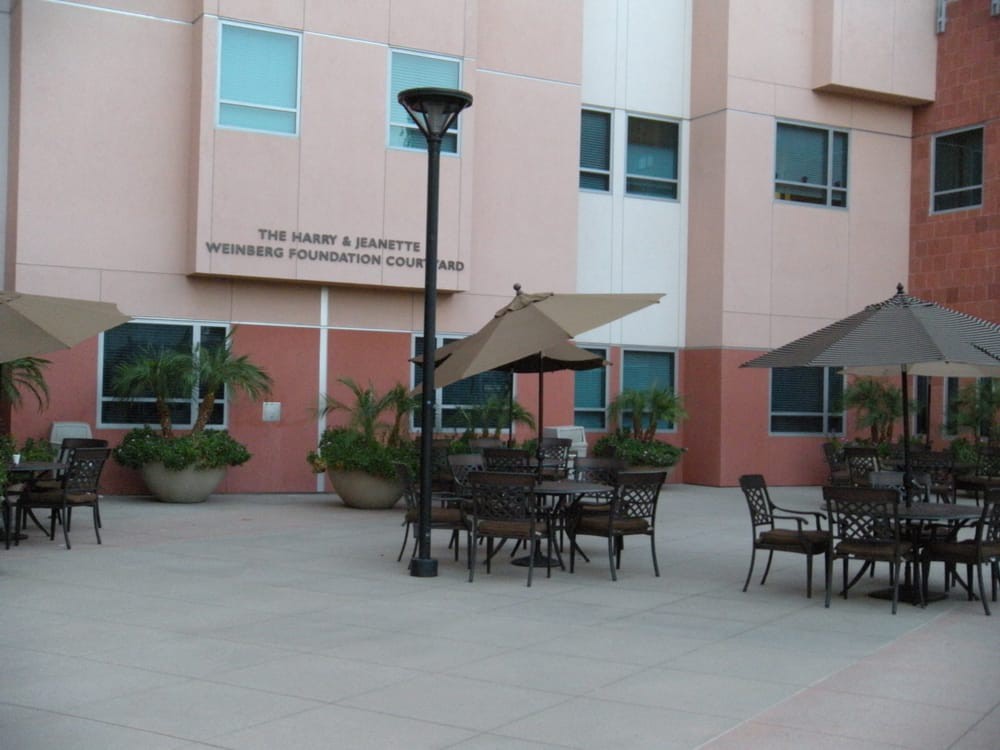
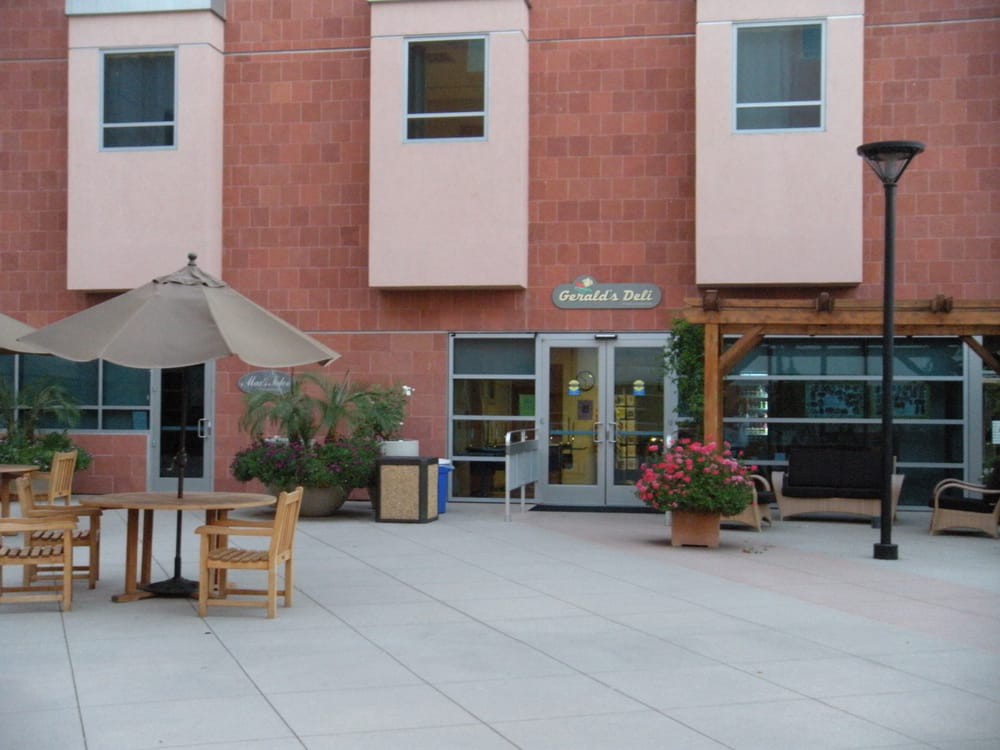
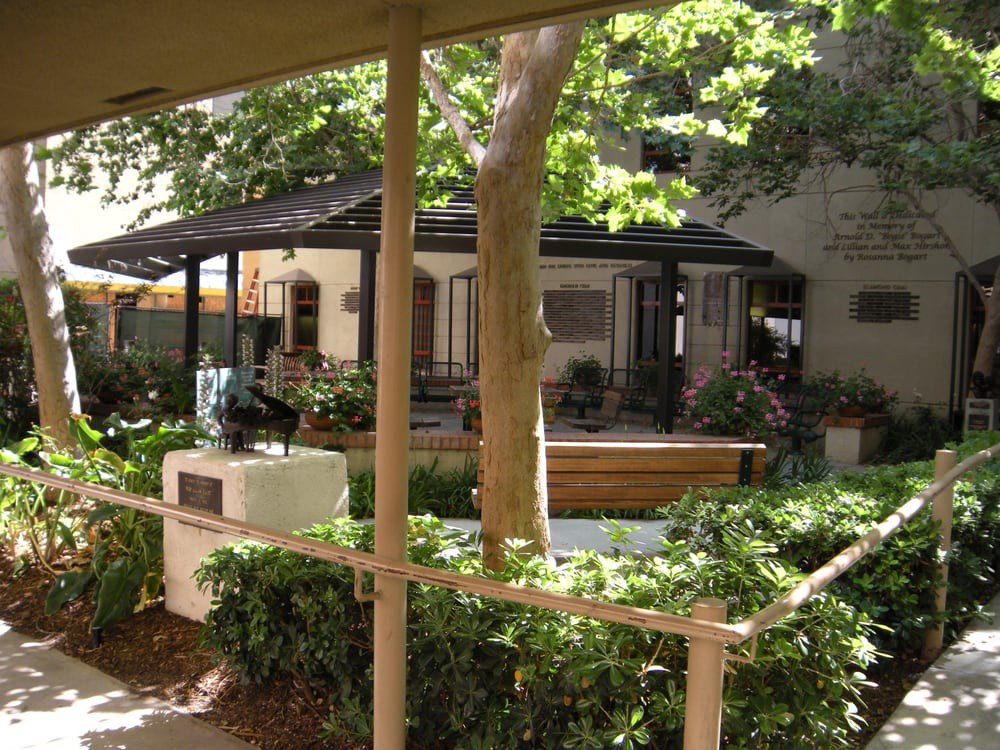
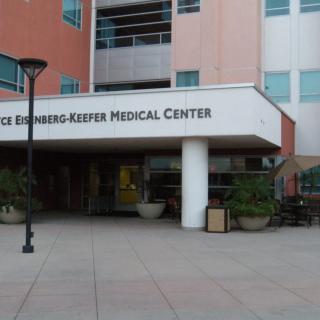
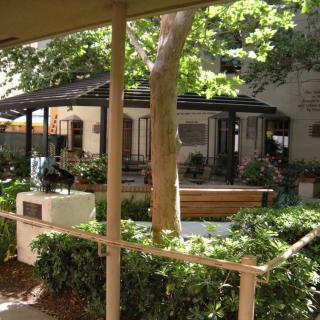
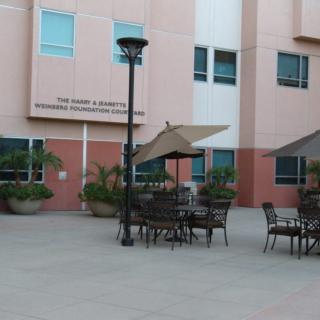
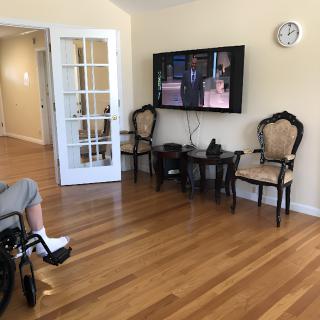
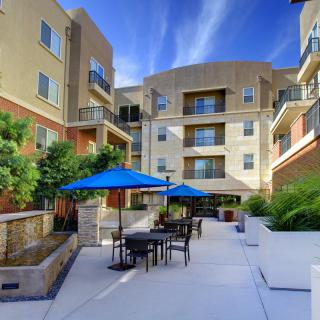
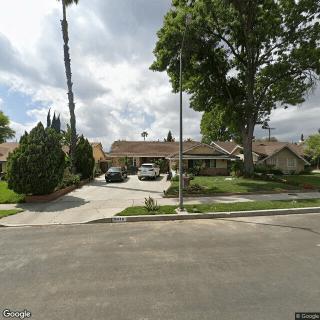
Los Angeles Jewish Home on seniors.fyi includes 7 photos including images showing outdoor seating, patio, building, outdoors, wheelchair, interior, building exterior, outdoor, and more.
Nearby Communities
Grancell Village Of The Jewish Homes For The Aging
Reseda, CA
Menorah House
Reseda, CA
5 from 1 review
Holistic care with diabetic support, on-site activities, and easy access to nearby healthcare and amenities.
California Dream Assisted Living Facility
Reseda, CA
5 from 1 review
Comprehensive 24/7 supervision with ADL support, medication management, and diabetes-friendly dining.
Beckford Manor
Reseda, CA
$2,500 to $3,500 / month
Memory-care focus with private rooms, on-site activities, and competitive pricing.
Assisted Senior Care Facility
Reseda, CA
5 from 1 review
Private six-person home with clean, spacious rooms, affordable private option, friendly staff, and accessible features.
Better Days Assisted Living
Reseda, CA
4.5 from 4 reviews
Small, fully furnished facility with meals, 24/7 supervision, care coordination, and activities.
Fountainview At Eisenberg Village
Reseda, CA
4.5 from 51 reviews
$3,900 to $5,000 / month
Gorgeous, brand-new facility with upscale amenities and on-site services (e.g., underground parking with valet, beauty shop).
Northridge Villa for Elderly Inc.
Northridge, CA
4.5 from 15 reviews
$3,000 to $4,000 / month
Compassionate staff delivering exceptional care in a clean, welcoming environment.
Tarzana Health And Rehabilitation Center
Tarzana, CA
3 from 110 reviews
Comprehensive on-site care with 24/7 supervision, medication management, and diverse amenities.
VA nursing homes, or Community Living Centers (CLCs), offer tailored long-term care for veterans, featuring medical attention and rehabilitation in a supportive environment. The guide covers facility types, eligibility criteria, financial assistance options, quality of care standards, and alternatives to full-time nursing home placement.
At-home dementia care expenses vary widely based on care levels, location, and caregiver expertise, with monthly costs for home health aides exceeding $4,500 and specialized care potentially surpassing $100,000 annually. While families favor in-home care for its comfort and personalized attention, they must consider financial planning and the challenges of caregiver fatigue.
The article discusses the late stages of dementia, detailing the progression from mild to severe impairment and highlighting key characteristics such as profound cognitive decline and dependency in daily activities. It emphasizes care strategies focused on comfort and dignity, the importance of advance directives, and the emotional support needed for family caregivers facing this challenging journey.
Get PricingAsk A QuestionSchedule A TourContact Senior Advisor
By clicking submit, you agree to our Partner's Terms of Use. You
also consent to receive calls and texts, which may be autodialed, from our Partner. Your consent is not a condition to
using our Partner's service. Please visit our Partner's Privacy Policy for information about their privacy practices.


 Assisted Living
 Day Program
 Independent Living
 Memory Care
 Skilled Nursing Facility
 Devotional services off-site
 Indoor common areas
 Burbank-Glendale-Pasadena (11 miles away)
 Ambulatory care
 Diabetic care
 High acuity care
 Meals provided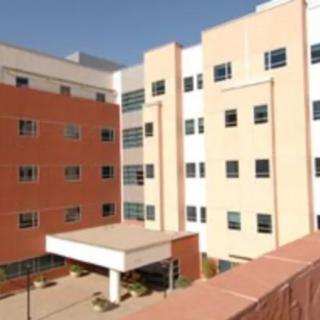
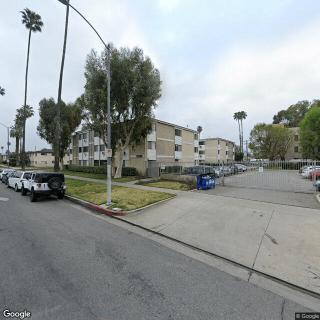
 Holistic care with diabetic support, on-site activities, and easy access to nearby healthcare and amenities.
 Comprehensive Guide to VA Nursing Homes: A Crucial Long-Term Care Resource for Veterans
 Estimating the Expenses of At-Home Dementia Care: A Detailed Exploration
 Comprehensive Insights on the Late Stages of Dementia: What to Expect and How to Provide Care