
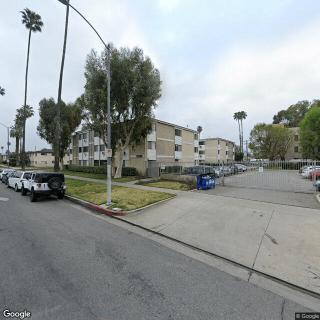
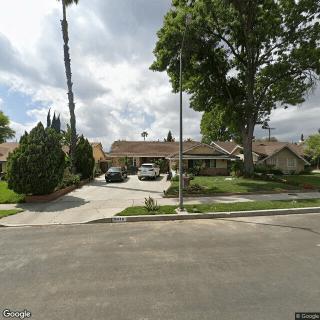
7043 Tampa Avenue, Reseda, CA 91335
For more information about senior living options: (866) 208-4318
Overall Review of California Dream Assisted Living Facility
Pros
 The facility and its caregivers are incredible.
- The family was blessed to have the caregivers caring for their father until the end of his life.
- Facility cleanliness, food, and the gentleness of the staff with the residents were all first class.
- The family is beyond grateful for the time their father was able to spend there.
Review
California Dream Assisted Living Facility in Reseda is best suited for families seeking a small, highly personal, and genuinely caring environment for an older adult who prizes cleanliness, good meals, and steady, gentle support from staff. The setting reads as a warm, home-like place where caregivers take time with residents, and where end-of-life moments are met with quiet dignity and attentive presence. This is not a high-volume campus; it is a lean, hands-on operation that prioritizes daily kindness, respectful interactions, and consistent routines. For seniors who want to feel seen, heard, and well cared for in the last chapters of life, California Dream presents a compelling option that can make a meaningful difference in quality of life and peace of mind for families.
However, some families may want to consider alternatives if medical complexity or memory care needs require more specialized or frequent clinical oversight than what an assisted living qualifies to provide. Individuals who anticipate requiring aggressive medical management, complex wound care, or round-the-clock nursing supervision may find that a larger, more clinical setting offers clearer access to physicians, therapists, and on-call specialists. Likewise, those seeking extensive memory-care programming, structured cognitive-stimulation, or campuses with a broader menu of social activities and excursions might find other options more aligned with long-term goals. Location and affordability are practical filters as well; if proximity to certain hospitals or family is essential, or if monthly costs need to fit a tighter budget, alternatives deserve consideration.
On balance, the strongest positives, impeccable cleanliness, reliable, high-quality food, and a staff that interacts with residents with kindness and patience, address the core fears families carry about assisted living: neglect, poor nutrition, and disengaged caregiving. The care team’s gentleness translates into calmer days for residents and reduced stress for families, especially in late-life transitions. The facility’s upkeep signals stability and pride of ownership, which reduces the anxiety that accompanies living away from home. In settings like this, the absence of obvious drawbacks in a single testimonial matters, but the real test lies in consistent staffing, transparent communication, and continuity of care over time. When those elements hold, the pros collectively offset typical concerns about comfort, dignity, and daily functioning.
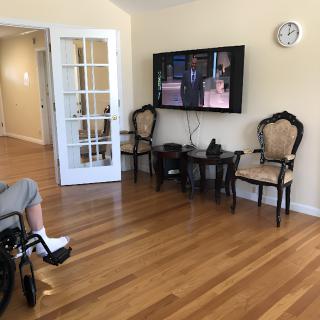
Caregiving excellence shows up in tangible ways: attentive supervision that never feels hovering, meals that are described as "first class" by family members, and a serene, well-maintained physical plant. The end-of-life focus highlighted in the review underscores a capability to support families through difficult stages with respectful, non-intrusive presence. Residents likely experience predictable routines, familiar faces, and a sense of security, factors that reduce agitation in vulnerable seniors. The combination of cleanliness, nourishing food, and compassionate care creates an environment where daily life remains meaningful, even when medical needs evolve. For families prioritizing dignity and warmth, these are not small wins but foundational ones that justify choosing this option over more clinical alternatives.
Decision-making should still weigh practical questions that a single positive testimonial cannot fully resolve. Prospective residents should inquire about current staffing ratios across shifts, the availability of licensed nursing services, and how care plans are created and updated in collaboration with family members. Tour the facility to observe meal quality, dining experience, and how residents interact with caregivers during routine activities. Investigate the scope of memory-care programming, if relevant, and clarify what happens when health shifts require more intensive intervention. While the review paints a favorable picture, the prudent path is a direct assessment that confirms fit, cost, and the facility’s ability to grow with evolving needs.
Overall, California Dream Assisted Living Facility offers a compelling option for families seeking compassionate, clean, and well-supported assisted living in Reseda. Its strongest assets, the care team's gentleness, the standard of cleanliness, and the quality of meals, create a foundation where residents can age with dignity and families can rest more easily. Alternatives should be explored only if the resident’s needs are expected to outpace what an assisted-living model can safely provide or if practical constraints, cost, location, or degree of medical oversight, make another community a better match. A site visit, direct conversations with the administrator, and review of licensure and records will seal the decision with confidence.
 6 resident community capacity
 Assisted Living
 Cable or satellite TV
 Dining room
 Fully furnished
 Garden
 Housekeeping services
 Move-in coordination
 Outdoor space
 Telephone
 Wi-Fi/high-speed internet available
 Burbank-Glendale-Pasadena (11 miles away)
 24-hour supervision
 Activities of daily living assistance
 Assistance with bathing
 Assistance with dressing
 Assistance with transfers
 Diabetes diet
 Meal preparation and service
 Medication management
 Special dietary restrictions
 Transportation arrangement (medical)
 Transportation to doctors appointments





 8 Key Indicators That Suggest It May Be Time to Transition from Assisted Living to Skilled Nursing Care
 Vibrant Senior Living: A Comprehensive Guide for Active Older Adults
 When to Transition from Assisted Living to Memory Care: Key Indicators, Steps, and Finding the Right Community