
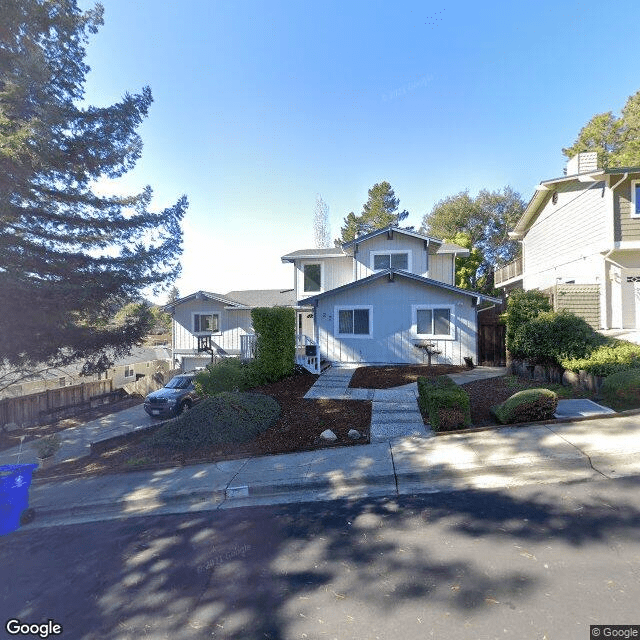
27 Carter Ct., El Sobrante, CA 94803
For more information about senior living options: (866) 208-4318
Carter Place Costs & Pricing
Carter Place positions itself at a premium price point for its private rooms, charging $6,000 per month. This rate is notably higher than the average for Contra Costa County, where private room costs are approximately $4,088, and significantly above the broader state average of $3,939. While the costs reflect Carter Place's commitment to providing superior amenities and care, they also highlight its strategy to cater to residents seeking an elevated living experience. Potential clients may find value in the personalized services and quality of life offered at Carter Place that justify this investment when compared to both county and state alternatives.
| Floor plans | Carter Place | Contra Costa County | California |
|---|---|---|---|
| Private | $6,000 | $4,088 | $3,939 |
Assisted Living communities with a similar price nearby
-
from -$1000 / mo

Blessing Home
$5,000 to $6,000 / month20.7 miles away -
from -$600 / mo

Bethel Care Home On Cottage
$5,400 / month12.5 miles away -
from -$500 / mo

Carnelian III
$5,500 / month12.5 miles away -
from -$300 / mo

Agape Assisted Living
$5,700 / month15.1 miles away -
from +$860 / mo

Elegance Hamilton Hill
$6,860 to $10,420 / month18.2 miles away
Overall Review of Carter Place
Pros
 Tom and his staff were warm and helpful.
- They cared for her until her death and were very compassionate.
- The place doesn’t feel like an old folks home and is bright and cheery.
- Her last phase of life received excellent care.
- The facility is spotless and spacious, yet feels like a warm home.
Review
Carter Place in El Sobrante, CA is best suited for seniors who need help with daily living tasks but prize a home-like atmosphere over a traditional institutional setting. It works particularly well for families seeking compassionate, end-of-life support or relief when mobility has become a barrier, such as stairs, because the care team is described as warm, helpful, and deeply devoted. The environment reinforces that impression: it is bright and cheery, spotless and spacious, yet unmistakably crafted to feel like a home rather than a clinical facility. This combination of personal attention and a welcoming atmosphere makes it an appealing option for someone who prioritizes dignity, warmth, and everyday comfort over formal appearances.
Those with higher-acuity medical needs or a requirement for formal nursing oversight, memory care, or a highly structured daily program may want to consider alternatives. The limited public data suggests a smaller, intimate operation rather than a large campus with on-site physicians and broad specialty services. Families prioritizing robust clinical support, around-the-clock nursing supervision, or specialized dementia care should evaluate other options where medical staffing and protocols are more visible and consistent. The home-like charm can offset some gaps, but only when care needs align with what Carter Place routinely provides.
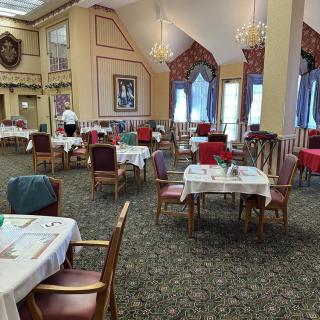
On the positive side, the strongest pros are the relationships and the atmosphere. Tom and the staff are described as genuinely engaged, capable of building trust, and attentive to both emotional and physical needs. The facility’s cleanliness and sense of space contribute to comfort and a sense of safety, while the social fabric, evidenced by residents dining together at a large central table, fosters belonging and daily sociability. For families, these elements translate into less worry about neglect and more confidence that a loved one is known, respected, and treated with personal care and attention.
Nevertheless, there are clear caveats tied to the limited data. With only three reviews and a mixed rating, there is not a robust picture of consistency across time or different circumstances. The one-star experience, though not explained in detail, signals the possibility of variability that should be explored before making a commitment. The upside is that a small, home-like setting can allow more flexible, personalized care and quicker adjustments to a resident’s preferences. The key is to confirm staffing ratios, licensing, and the exact scope of services to ensure expectations align with what Carter Place can reliably deliver.
Practical steps for families evaluating Carter Place include asking for a precise description of the care model, whether licensed nurses are on site around the clock, and how emergencies are managed. Seek specifics about daily schedules, activities, meal quality, and the role of family involvement in care plans. Clarify what is included in the base rate and what costs may arise with changes in health status. If memory care or respite needs could emerge, inquire about those options and any short-term trial stays. Use a tour to observe how staff interact with residents and to gauge whether the rhythm of the day matches the resident’s preferences for privacy, autonomy, and social connection.
Overall, Carter Place presents as a credible, compassionate option for seniors who value warmth, personal connections, and a homelike setting over formal medical routines. It is most suitable for those who need assistance with daily living while preserving dignity and everyday comfort, and who want to avoid the sterile feel of larger institutions. For families prioritizing rigorous clinical oversight, specialized dementia programming, or a broader activity calendar, alternatives with more substantial medical infrastructure are advisable. A direct visit, accompanied by targeted questions about staffing, care levels, and costs, will reveal whether Carter Place can meet specific goals; current feedback points to a setting where care, delivered with sincerity and a sense of family, remains the defining strength.
 6 resident community capacity
 Assisted Living
 Board and Care Home
 Cable or satellite TV
 Dining room
 Fully furnished
 Garden
 Housekeeping services
 Indoor common areas
 Move-in coordination
 Outdoor common areas
 Private
 Telephone
 Wheelchair accessible showers
 Wi-Fi/high-speed internet available
 Metropolitan Oakland International (17 miles away)
 24-hour supervision
 Activities of daily living assistance
 Ambulatory care
 Assistance with bathing
 Assistance with dressing
 Assistance with transfers
 Diabetes diet
 High acuity care
 Incontinence care
 Meal preparation and service
 Medication management
 Special dietary restrictions
 Transportation arrangement (medical)
 Transportation to doctors appointments


 Funding and Affording Assisted Living: A Thorough Overview
 Assisted Living Expenses and Long-Term Care Insurance: A Comprehensive Exploration
 Securing Financial Support for Assisted Living: A Comprehensive Overview