
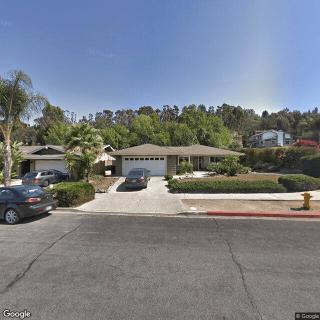
960 Grossmont Avenue, El Cajon, CA 92020
For more information about senior living options: (866) 208-4318
Overall Review of Silvercrest Guest Home
Pros
 The food is good.
Cons
 Some residents yell and threaten people walking by or at the neighbors.
- Some residents try to get into neighborhood homes, backyards, and garages.
- The staff does not watch over them.
- The place is filthy and smells of urine and cigarettes.
- The police are frequently called.
- The place should be shut down.
- Cockroaches are found all over the bathroom.
- There is no running water in the bathroom sink.
- There is a smell of urine.
- Three beds in a room are so close they could touch each other.
- Their license should be revoked.
Review
Silvercrest Guest Home in El Cajon is best suited for families who must minimize costs at all costs and accept an extreme level of hands-on oversight. It is not a fit for seniors who rely on staff for daily living tasks, safety monitoring, or reliable sanitation. In short, this option is a last-resort choice only when another affordable placement is simply not available and a caregiver is prepared to supervise care daily and monitor conditions personally.
If one is weighing alternatives, this community immediately becomes a non-starter for residents with mobility needs, memory concerns, or behavior management requirements. Any potential resident who depends on consistent supervision, structured routines, or clean, well-maintained living spaces should look elsewhere. Families should also consider options that demonstrate clear staffing models, responsive management, and verifiable health and safety records. Those seeking a true home-like environment with predictable oversight will want a different path.
The documented drawbacks overwhelm any potential upside. The most troubling indicators are behavioral safety and supervision gaps: residents reportedly yell, threaten neighbors, and even attempt to access nearby homes, with staff reportedly not adequately watching over them. Sanitation fails compound the risk, filthy conditions, a persistent urine odor, and documented cockroach presence point to neglect and housekeeping neglect. The situation is severe enough that police involvement is frequent, and the overall atmosphere suggests an unsafe environment rather than a secure, supportive home. A damaged bathroom sink and a high-density room situation (three beds in a single room) amplify health and safety concerns and point to chronic understaffing and poor maintenance.
Only a single positive note surfaces amid the heavy negatives: food quality. Even that small comfort does not compensate for the structural and safety failures. When the core responsibilities, protection, cleanliness, potable water, and appropriate resident supervision, are so consistently compromised, the perceived value of a good meal vanishes. The alleged licensing concerns, with calls for revocation, underscore regulatory doubt and a risk profile that no prudent family should overlook. In practical terms, the drawbacks render this community unable to meet even minimal expectations for an assisted-living environment.
From a decision-making standpoint, this facility demands rigorous due diligence before any consideration becomes a real option. Prospective families should demand current licensing status, recent health and safety inspections, and explicit evidence of corrective actions addressing contamination, water reliability, and room occupancy standards. Tours should probe staffing ratios at all hours, observe interactions between staff and residents, and verify cleaning routines and odor control measures. Immediate concerns, roaches, water outages, and aggressive resident behavior, must show measurable improvement prior to any commitment. A clear plan for ongoing oversight and regular accountability checks is essential if any family contemplates staying put.
The bottom line is that Silvercrest Guest Home is not suitable for most seniors needing reliable care, safety, and sanitation. Alternatives with stronger staffing, cleaner environments, and proven safety protocols should be pursued vigorously. If budget constraints are absolute, consider pursuing in-home care or exploring larger, better-regulated facilities that offer transparent inspection histories and documented quality standards. If choosing to explore this option despite the red flags, insist on a binding remediation timetable, frequent progress reviews, and a formal exit plan should conditions fail to meet established benchmarks.
 15 resident community capacity
 Assisted Living
 Board and Care Home
 Cable or satellite TV
 Dining room
 Fully furnished
 Garden
 Housekeeping services
 Move-in coordination
 Outdoor space
 Telephone
 Wi-Fi/high-speed internet available
 San Diego International-Lindbergh (13 miles away)
 24-hour supervision
 Activities of daily living assistance
 Assistance with bathing
 Assistance with dressing
 Assistance with transfers
 Diabetes diet
 Meal preparation and service
 Medication management
 Special dietary restrictions
 Transportation arrangement (medical)
 Transportation to doctors appointments






 Understanding the True Cost of Assisted Living in 2025: A Comprehensive Guide
 Understanding Medicaid Coverage for Assisted Living: A Comprehensive Guide
 How and When Medicaid May Cover Assisted Living Costs