
660 Van Houten Avenue, El Cajon, CA 92020
For more information about senior living options: (866) 208-4318
Overall Review of Parkway Gardens Retirement Care Home
Pros
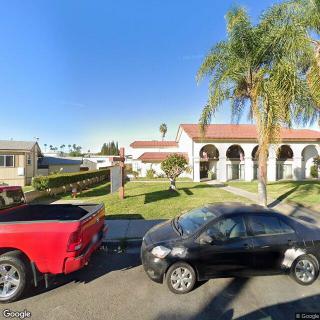
 The grounds at Parkway Gardens are beautiful, and the people are very caring and sweet.
- The staff are very nice and readily help residents with anything they need, including meals.
- The resident was treated with the utmost respect and was supported whenever she needed anything.
- The facility is clean and does not have a bad smell.
- The resident has her own room which is very nice.
- The food is great and the resident enjoys it.
- There is always someone available, with 24/7 staff presence to assist residents.
- The resident can access both indoor and outdoor areas, and staff ensure she is well cared for.
Cons
 The facility is expensive and provides very poor care.
- Other aspects of the facility are not as nice.
- The staff yell at patients when asked to help.
- The place is very run down.
- The food is not great and there are no activities.
- They do not provide basic amenities like TV, cable, radio, or books.
Review
Parkway Gardens Retirement Care Home in El Cajon is best suited for seniors who prize a warm, people-centered care culture and a pleasant, home-like setting over glossy finishes or high-tech programming. It works well for families that can invest in a higher-cost option and want dependable, compassionate staff, clean surroundings, and opportunities for social interaction with peers. The community should be considered by those who value personal attention, easy access to staff, and a residence that feels welcoming and safe rather than ultra-modern or medically intense. Those seeking stringent medical oversight, highly structured daily activities, or budget-driven choices may want to look at alternatives.
The strongest positives center on the human side of care. Reviewers repeatedly highlight caring, respectful treatment from staff, including personal warmth and willingness to help with daily needs. Residents describe feel-good moments where staff are available and attentive, with references to 24/7 presence in some situations and staff who assist with meals and transitions to the dining room. The physical setting also contributes to a positive impression: clean, well-maintained rooms where some residents have their own space and private bathrooms, plus nicely kept grounds that invite strolls and social visits. For many families, these elements translate into day-to-day reassurance and meaningful human connection.
Yet the downsides cannot be ignored, and they tend to cluster around cost, facility condition, and activity levels. Several reviews flag Parkway Gardens as expensive, with framed expectations of care not always aligned to every resident experience. Reports of a run-down feel in parts of the facility and variability in care quality raise concerns for families that rely on consistent service. Food quality and menu flexibility show up as mixed, some residents laud meals, while others report dissatisfaction or limited options. Activities and enrichment appear limited in several accounts, leaving some residents with fewer opportunities to stay engaged beyond meals and casual socializing. A few comments touch on behavioral or medical strain that required hospital-level involvement, underscoring that this is not a facility built for high-acuity or intensive behavioral health needs.
Those strengths offset the cons most meaningfully for families who prioritize staff reliability and a supportive, sociable environment. The combination of approachable caregivers, available assistance, and a clean, appealing setting helps sustain quality of life even when activities are sparse or dining routines fluctuate. The ability to form who-to-turn-to relationships with staff, the sense that concerns are heard and addressed, and the option for shared or private living arrangements all contribute to a practical sense of value. In scenarios where daily companionship, basic medical assistance, and respectful treatment matter more than cutting-edge amenities, Parkway Gardens often delivers a favorable balance.
Prospective residents should carefully weigh who may be better off elsewhere. If a resident requires robust, ongoing medical management, a highly active daily calendar, or a consistently modern facility, alternatives with stronger clinical programs or more comprehensive activity planning may suit better. Cost sensitivity is another decisive factor; the price point described by some reviewers could tilt the comparison in favor of more affordable options with similar staffing levels but different amenities. For residents with pronounced need for structured programming, rigorous supervision, or advanced dementia care, facilities dedicated to memory care or skilled nursing may provide clearer alignment with needs.
Ultimately, Parkway Gardens presents a practical, compassionate option for families who value personal attention and a sociable, home-like atmosphere and can accept the tradeoffs that come with cost and variable programming. The decisive step is a thorough on-site visit: evaluate the room configurations, confirm dining options and meal flexibility, review the activity calendar, and speak directly with care staff about daily routines and supervision. If the residentā€™s priorities include warm interactions, clean surroundings, and reliable help with everyday tasks, Parkway Gardens can be a strong match; if those priorities tilt toward robust programming, modern amenities, or tightly controlled medical oversight, it will be prudent to compare closely with alternatives before deciding.
 15 resident community capacity
 Assisted Living
 Board and Care Home
 Cable or satellite TV
 Dining room
 Fully furnished
 Garden
 Housekeeping services
 Move-in coordination
 Outdoor space
 Telephone
 Wi-Fi/high-speed internet available
 San Diego International-Lindbergh (14 miles away)
 24-hour supervision
 Activities of daily living assistance
 Assistance with bathing
 Assistance with dressing
 Assistance with transfers
 Diabetes diet
 Meal preparation and service
 Medication management
 Special dietary restrictions
 Transportation arrangement (medical)
 Transportation to doctors appointments



 8 Key Indicators That Suggest It May Be Time to Transition from Assisted Living to Skilled Nursing Care
 Vibrant Senior Living: A Comprehensive Guide for Active Older Adults
 When to Transition from Assisted Living to Memory Care: Key Indicators, Steps, and Finding the Right Community