
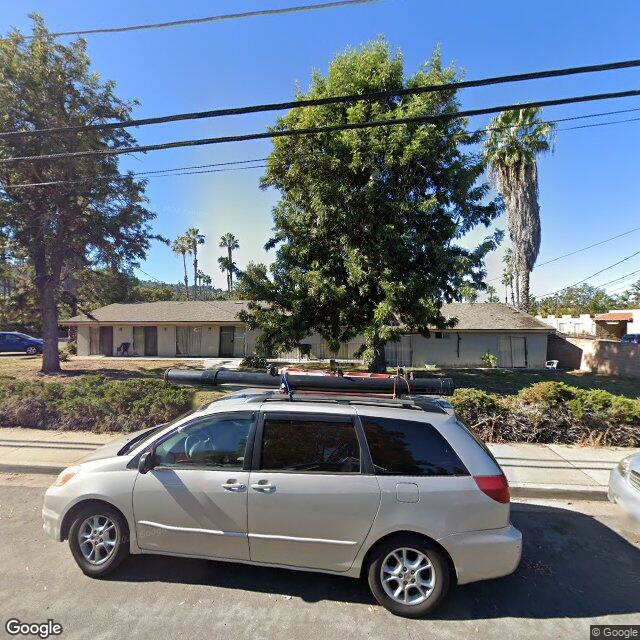
1202 S Orange Ave, El Cajon, CA 92020
To contact a resident: (619) 440-0121
For more information about senior living options: (866) 208-4318
Overall Review of Orangewood Manor
Pros
 The facility has a fancy appearance.
- There is a nice design touch that adds charm and an old-fashioned appeal to the building.
Cons
 The facility lacks legitimate apartment or suite numbers for delivery.
- The exterior is rough.
- The place is terrible.
- The resident’s son suffered bed bug bites.
- The resident’s son contracted MRSA and required hospitalization.
- The staff were not attending the facility when the resident attempted to return.
- The washer and dryer were not working.
- The reviewer would give it zero stars.
Review
Orangewood Manor in El Cajon is best suited for seniors who want a small, home-like boarding care with a distinct traditional charm. The ambiance leans toward a vintage, upscale feel rather than a sterile, modern campus, which can help residents acclimate through familiarity and a slower pace. This setting works well for individuals who prioritize personal attention in a intimate, low-key environment and for couples who want to stay together in a compact, human-scale space. It is a fit for families willing to accept a modest operation where staff and programming are less expansive than at larger communities, and where the focus is more on atmosphere and daily companionship than heavy institutional services.
Those weighing Orangewood Manor should still consider alternatives, especially if infection control, consistent staffing, and reliable maintenance are non-negotiable. The most serious red flags in the current review profile are elevated by reports of bed bug bites and a hospitalization for MRSA, coupled with claims of staff shortages and non-working laundry facilities. For families whose criteria include rapid staffing response, rigorous cleanliness standards, and dependable on-site amenities (like laundry services), other licensed facilities with demonstrated track records may be a safer match. If a resident’s needs include higher levels of medical oversight or more comprehensive safety protocols, it is prudent to compare options with larger staffs and formal quality assurance processes.
The primary upside here is the opportunity to enjoy a charming, intimate environment that can foster meaningful relationships with caregivers and fellow residents. A facility that presents with character, rather than a clinical, glossy impression, can reduce anxiety for some seniors who value a homelike vibe and softer routines. This is especially appealing for residents who do not require aggressive programming or frequent clinical interventions, and for families who want a setting where staff interactions feel personal and approachable. However, the strength of this charm is tempered by concrete operational gaps that undercut daily peace of mind: maintenance issues, potential staff inconsistencies, and the risk of pests or infectious concerns contaminating a living environment.
On balance, the negative experiences reported carry substantial weight in decision-making. Bed bug bites and MRSA hospitalizations are not minor incidents in a senior living context, and they signal infection control challenges that are difficult to overlook. Reports of unattended moments and non-functional laundry further erode confidence in daily reliability. The combination of these issues suggests a facility that may struggle to sustain rigorous cleanliness, timely assistance, and basic in-house services. The offsetting pros, the setting’s charm and intimate scale, do not fully compensate when safety, comfort, and predictable routines are at stake. Families should treat these concerns as decisive factors unless verification and corrective steps are demonstrated.
Practical steps should guide any visit or inquiry. First, request current pest-control records and outbreak history, and ask for a clear description of cleaning protocols, frequency, and staff adherence to infection-control practices. Second, observe staffing patterns during a tour: note whether aides are readily available, how quickly assistance is rendered, and whether residents appear engaged and supervised. Third, inspect the laundry area, verify equipment functionality, and ask about backup systems in case of a breakdown. Fourth, speak with residents and their families about their experience with daily routines, meal quality, and any concerns that have arisen over time. Finally, compare these observations against larger, well-staffed options in the area to determine whether the charm justifies the risk.
In the end, Orangewood Manor offers a clear choice: a small, character-filled environment that can be comforting for some, but with material safety and reliability concerns that cannot be ignored. For seniors whose families prioritize ambiance and a close-knit feel over aggressive medical support, the community may be a reasonable match provided strong assurances are obtained and ongoing monitoring is in place. For anyone who cannot accept the possibility of delayed responses, inconsistent housekeeping, or pest-related health risks, alternatives with more robust staffing, stricter maintenance, and verifiable infection-control standards should be pursued. The decision should hinge on a candid assessment of risk tolerance, the resident’s specific care level, and the willingness to commit to a rigorous due-diligence process before move-in.
 Board and Care Home
 San Diego International-Lindbergh (13 miles away)






 Supportive Employee Benefits That Help Caregivers Attain Better Work-Life Harmony
 Top Cars for Senior Drivers and Essential Safety Innovations
 A Closer Look at Private Pay Home Care