
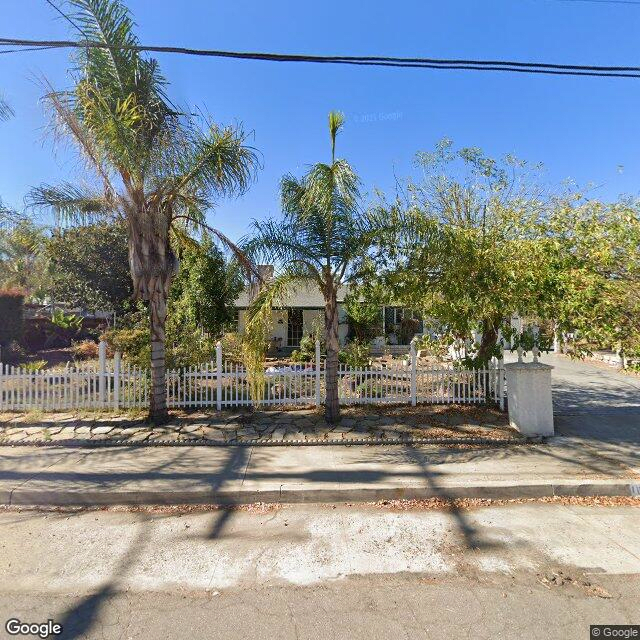
1050 Lemon Ave, El Cajon, CA 92020
To contact a resident: (619) 971-3486
For more information about senior living options: (866) 208-4318
Trust and Care Home for Seniors Costs & Pricing
Trust and Care Home for Seniors offers competitive pricing that stands out when compared to both San Diego County and the broader California market. For a semi-private room, residents pay $2,300 monthly at Trust and Care, significantly lower than the county average of $3,518 and California's state average of $3,333. Private rooms are available for $2,800, which is also more affordable than the county and state averages of $3,939. Additionally, studio units at Trust and Care are priced at $2,800, again undercutting the regional costs of $4,217 in San Diego County and $4,145 statewide. This pricing structure reflects Trust and Care's commitment to providing quality senior living options that are accessible without sacrificing comfort or care.
| Floor plans | Trust and Care Home for Seniors | San Diego County | California |
|---|---|---|---|
| Semi-Private | $2,300 | $3,518 | $3,333 |
| Studio | $2,800 | $4,217 | $4,145 |
| Private | $2,800 | $3,939 | $3,939 |
Memory care communities with a similar price nearby
-
from -$300 / mo
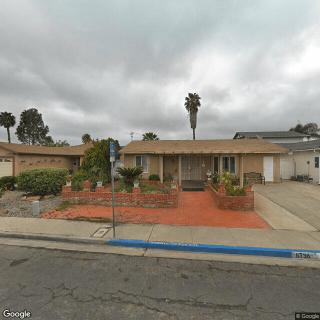
Emmaus Care I
$2,000 to $5,000 / month12.7 miles away -
from +$242 / mo
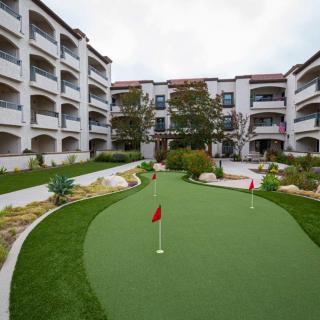
Casa De Las Campanas
$2,542 to $25,000 / month19.5 miles away -
from +$450 / mo
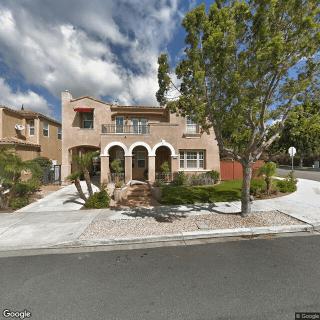
Easy Living @ Torrey Del Mar
$2,750 to $3,750 / month17.0 miles away -
from -$120 / mo

Monte Vista Village
$2,180 to $3,530 / month5.4 miles away -
from +$200 / mo

Solaris Senior Chateau
$2,500 to $3,800 / month13.9 miles away
Overall Review of Trust and Care Home for Seniors
Pros
 The staff are very friendly and professional, and the loved one has improved tremendously since staying at the Trust and Care Home for Seniors.
- He is eating healthy and more active now, which has been great.
Cons
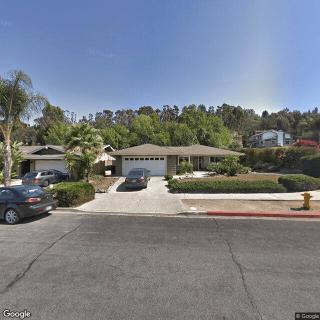
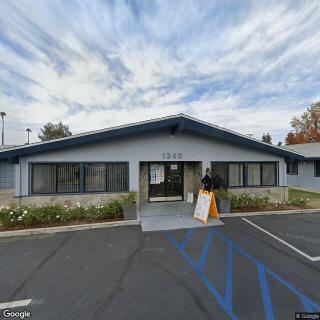
 The yard was unkept.
- There appeared to be no handicap access to the front of the house.
- There was no outside visiting area where families could relax and visit.
Review
Trust and Care Home for Seniors in El Cajon is best suited for families seeking practical, patient-focused caregiving where daily improvements in health, appetite, and activity are tangible outcomes. The community earns trust through staff described as friendly and professional, delivering consistent and attentive care. For seniors who respond well to structured routines and social engagement, this facility offers a dependable environment that supports mood and mobility. It is not a luxury campus, but it provides a clear, results-oriented care setting where progress and stability take center stage.
Review patterns underscore a compelling upshot: residents appear to eat better, stay more active, and show overall health gains under attentive supervision. The consensus framing emphasizes courteous, competent interactions from caregivers and meaningful daily engagement with staff. Such relationships matter: they translate into noticeable improvements in a resident’s day-to-day experience, which can be decisive for families prioritizing ongoing support and consistent monitoring. When a senior thrives on predictable schedules and visible, tangible benefits, this community delivers those in spades.
Yet the physical environment introduces notable caveats that families cannot ignore. The yard is described as unkempt, and the property reportedly lacks handicap access at the front entrance. Another recurring concern is the absence of an outside visiting area where families can comfortably relax and spend time with loved ones. With a two-story structure positioned behind the home, these factors can diminish the sense of openness and may complicate visits, especially for guests who rely on easy, barrier-free access. In short, the setting does not match every family’s preference for curb appeal or seamless outdoor social space.
The compelling care advantages can offset those drawbacks for many families, but only to a point. For seniors whose primary needs are steady daily support, meaningful meals, and enhanced activity levels, the staff-driven improvements can justify some discomfort with the grounds and entry points. Prospective buyers should weigh the value of consistent, professional care against the practical realities of navigation, entrances, and outdoor visitation. A thorough tour should confirm whether accessibility barriers are temporary or systemic and whether the grounds have renovation plans that would address outdoor visiting and curb appeal in the near term.
Families who should consider alternatives are those for whom outdoor visiting space and front-entry accessibility are nonnegotiable priorities. If easy walk-in access for wheelchairs or walkers, well-maintained grounds, and a welcoming outdoor visiting area are critical for comfort and peace of mind, other local options may better fit. Likewise, if a resident requires specialized environments, such as enhanced memory care, more expansive activity facilities, or a campus with visible landscape improvements, competitors with these attributes may deliver greater reassurance. The mixed rating signals variability in experience, so choosing with a plan to verify current conditions through a firsthand visit is essential.
In sum, Trust and Care Home for Seniors offers a solid care foundation anchored by responsive, capable staff and demonstrable health and activity gains for residents who respond to structured support. The environmental drawbacks, namely the unkempt yard, front-access limitations, and lack of outside visiting space, are real friction points that can affect family visits and overall comfort. This community can be an excellent match for families prioritizing dependable caregiving and measurable daily improvements, provided that accessibility concerns are actively addressed or managed. A deliberate, in-person assessment focusing on entrance usability, grounds condition, and visiting logistics will illuminate whether the benefits outweigh the drawbacks for a given senior.
 Board and Care Home
 Memory Care
 Dogs allowed
 Private
 Respite or short term stays offered
 San Diego International-Lindbergh (13 miles away)
 Ambulatory care
 Incontinence care



 Dementia Behaviors: In-Depth Understanding and Effective Coping Strategies
 5 Early Indicators of Dementia and What You Can Do
 8 Important Indicators That Memory Care May Be Necessary