
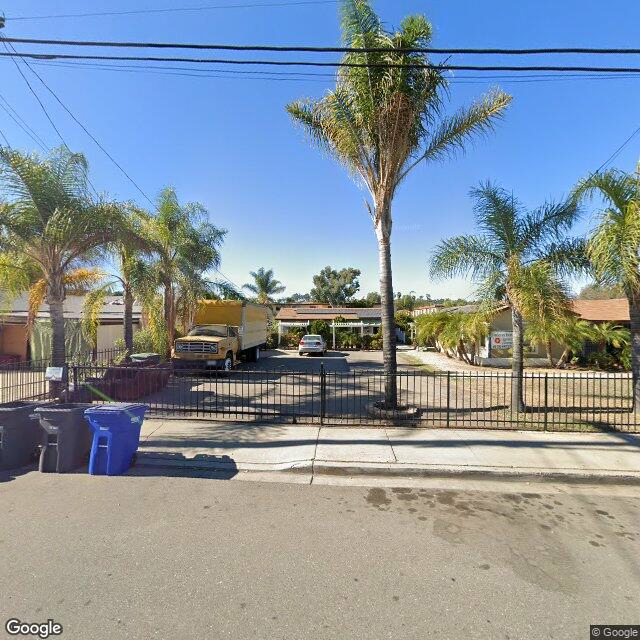
660 Van Houten Ave, El Cajon, CA 92020
To contact a resident: (619) 444-2729
For more information about senior living options: (866) 208-4318
Parkway Gardens Rtrmnt Care Hm Costs & Pricing
Parkway Gardens Retirement Care Home offers a range of pricing for its accommodations that reflects both the local market and the broader state averages. For semi-private rooms, residents can expect to pay between $1,800 and $5,095 per month, which significantly undercuts the San Diego County average of $3,518 and California's average of $3,333. In terms of private rooms, Parkway Gardens has a fixed rate of $2,200, which is quite competitive compared to the county and state averages of $3,939. If you are considering larger living spaces such as studios and one-bedroom apartments, Parkway Gardens' rates are notably higher at $6,395 and $6,895 respectively; these prices surpass both local and statewide averages that hover around $4,217 for studios and $4,315 for one-bedrooms. Overall, while some room options present excellent value compared to regional costs, others position the facility at a premium price point for more spacious accommodations.
| Floor plans | Parkway Gardens Rtrmnt Care Hm | San Diego County | California |
|---|---|---|---|
| Semi-Private | $1,800 to $5,095 | $3,518 | $3,333 |
| Private | $2,200 | $3,939 | $3,939 |
| Studio | $6,395 | $4,217 | $4,145 |
| 1 Bedroom | $6,895 | $4,315 | $4,340 |
Senior living communities with a similar price nearby
-
from +$200 / mo
Emmaus Care I
$2,000 to $5,000 / month12.7 miles away -
About the same
Canyon Hill Senior Home
$1,800 to $2,000 / month14.6 miles away -
About the same
Paradise Valley Manor
$1,850 to $2,800 / month9.8 miles away -
from -$301 / mo
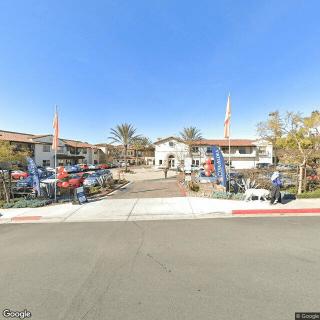
Casa Aldea at University City Village
$1,499 to $1,799 / month13.7 miles away -
from +$200 / mo
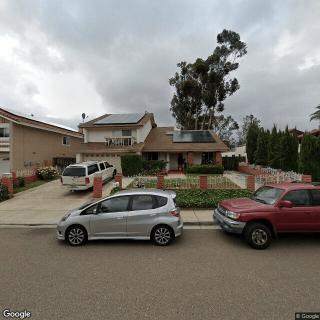
Tierrasanta Vernanel Care Home
$2,000 to $2,500 / month7.3 miles away
Overall Review of Parkway Gardens Rtrmnt Care Hm
Pros
 Art is very nice.
- Very good.
- Nice people and take good care of patients.
Cons
 The facility is expensive and provides very poor care.
- The place is run down and not impressive.
- They yell at patients when asked to help them.
- The staff are rude to the seniors and neglect their needs.
- The rooms are not cleaned.
- They serve cheap, unhealthy food.
- The staff act like they hate their jobs.
- The facility is poorly run.
Review
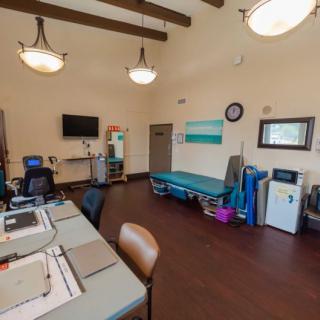
Parkway Gardens Retirement Care Home in El Cajon is best framed for families faced with very limited options who are prepared to supervise care closely and tolerate a high degree of variability. In practical terms, this community may be considered only when cost and proximity are the dominant constraints and there is a willingness to accept inconsistent staffing, uneven cleanliness, and sporadic quality of meals. For residents with even modest needs for daily assistance, this setting is unlikely to deliver reliable, respectful care, and that reality should guide the decision.
Those evaluating alternatives should note that the strongest red flags here are not merely subjective impressions but a pattern across several observations: rooms that are not consistently cleaned, staff who appear brusque or uninterested in assisting residents, and meals described as cheap or unhealthy. Prospective families should not count on a steady, supportive atmosphere, a well-run operation, or dependable routines. If a higher level of daily care, dignified treatment, and predictable services are priorities, other nearby options merit serious consideration.
The few positive signals in the reviews do not offset the substantial concerns. One review simply notes “Very good,” and another mentions that there are “Nice people” who take care of patients. But those isolated affirmations stand in stark contrast to multiple accounts of poor care, rude staff, and a run-down facility. The reality presented across the bulk of feedback is that even when individuals in the building are friendly, the overall experience is undermined by inconsistent service delivery, limited attention to residents’ needs, and a perception of neglect in daily routines. In short, occasional niceties do not compensate for the broader pattern of shortcomings.
The most troubling patterns center on cleanliness, staffing, and nutrition. Families should expect rooms and common areas to feel neglected at times, with cleaning not performed consistently. Staff behavior is repeatedly described as curt or dismissive, with residents’ requests for basic assistance ignored or deprioritized. Food quality is another frequent complaint, with residents receiving meals that feel hurried, repetitive, or lacking in nutritional balance. Beyond daily care, the impression of a poorly run operation, where communication and coordination seem inconsistent, amplifies worries about safety, monitoring, and timely response to needs.
For families still weighing Parkway Gardens, a disciplined due-diligence plan is essential. Schedule a detailed tour focused on cleanliness, meal service, and responsiveness to requests. Observe a mealtime, inquire about dietary accommodations, and ask for copies of activity calendars and maintenance logs. Request straight answers about staff-to-resident ratios, turnover, and how complaints are tracked and resolved. Speak with current residents and family members, if possible, and insist on a trial period that includes regular family check-ins and a clear care plan with measurable goals. If considering other communities, compare messages about staff training, meal quality, housekeeping protocols, and resident engagement to ensure a steadier baseline of care.
In the end, Parkway Gardens Retirement Care Home does not present as a strong general fit for seniors who require reliable everyday support and a respectful, well-maintained environment. It may only be worth pursuing when another option is unavailable, and a family is prepared to invest significant oversight and accountability to compensate for frequent, meaningful gaps in care. For most households, alternatives with stronger reputations for cleanliness, courteous staff, consistent routines, and higher-quality meals will deliver greater peace of mind and better alignment with long-term care goals.
 Board and Care Home
 Private
 San Diego International-Lindbergh (14 miles away)
 Ambulatory care
 Medication management


 Comprehensive Exploration of Living Wills and Other Advance Directives
 A Detailed Exploration of Living Wills and Advance Directives
 Comprehensive Guide to Medicare Coverage for Hospice Care