
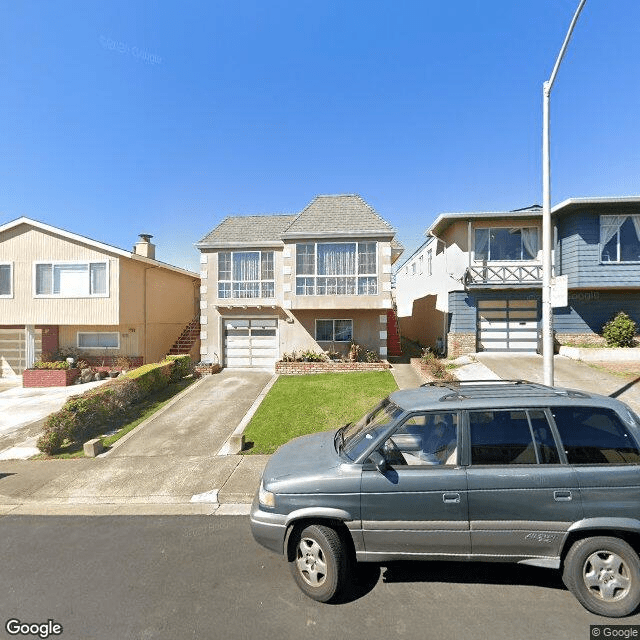
274 St Catherine Dr Devel.Disable ONLY!, Daly City, CA 94015
To contact a resident: (650) 992-9416
For more information about senior living options: (866) 208-4318
La Salette Home III Costs & Pricing
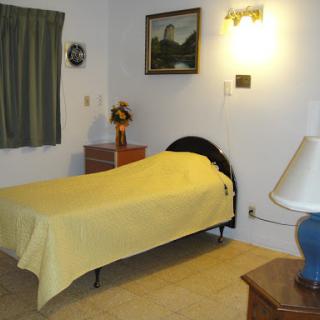
La Salette Home III offers a semi-private room option at a competitive monthly rate of $1,961, significantly lower than the average costs in San Mateo County, which stand at $3,830, and California's overall average of $3,333. This pricing underscores La Salette Home III's commitment to providing affordable care while maintaining quality services in a supportive environment. By positioning itself below regional and state norms, La Salette Home III makes it an appealing choice for families seeking both value and compassionate care for their loved ones.
| Floor plans | La Salette Home III | San Mateo County | California |
|---|---|---|---|
| Semi-Private | $1,961 | $3,830 | $3,333 |
Senior living communities with a similar price nearby
-
from -$186 / mo
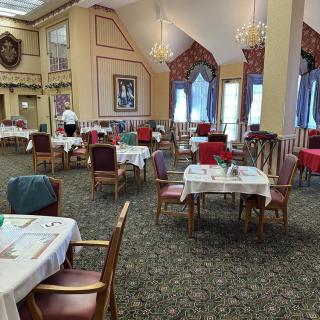
El Cerrito Royale
$1,775 to $3,775 / month19.1 miles away -
from +$339 / mo
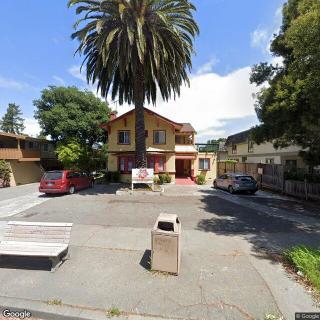
Jla Healthcare Services
$2,300 to $3,200 / month9.3 miles away -
About the same
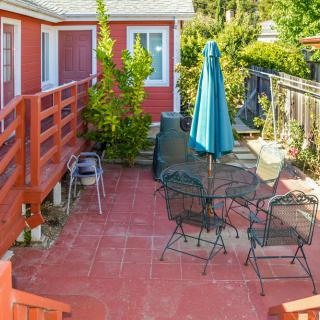
Heritage Hills
$2,000 to $3,800 / month6.3 miles away -
About the same
J & C Care Center
$1,940 to $3,305 / month17.4 miles away -
About the same

Bethesda Christian Retirement Center
$2,000 to $3,000 / month21.5 miles away
Overall Review of La Salette Home III
Pros
 Home Sweet Home is described as providing loving, attentive care during a loved one's final month after being admitted on short notice.
- Reviewers say no other skilled nursing facility treats families like their own.
- The staff, including Yelka and her daughters, are highlighted as exceptional.
- The care environment is described as loving and positive, even for residents with dementia and lymphoma.
- Care is observed to be consistently compassionate, with staff showing equal love for all patients.
- The facility is regarded as simply the best with fair pricing, and reviewers would gladly refer others to it.
- The owners and team are praised for knowledge, compassion, and the highest level of care delivered with a big heart.
- The staff are described as very attentive, kind, with noted compassion and integrity in elderly care.
Review
La Salette Home III in Daly City is best suited for families who want a warm, intimate skilled-nursing option where residents are treated with genuine care and where care plans feel highly personalized. The community shines when memory-care and end-of-life needs are central, and when a home-like atmosphere matters as much as clinical support. The reviews depict a setting where staff, led by attentive owners, create a positive, reassuring environment for seniors facing dementia or serious illness. For families prioritizing dignity, daily consistency, and a culture of treating residents like family, this is a compelling match. It is particularly strong for short-term recuperation or palliative-oriented stays, where peace of mind and a calm transition matter as much as medical outcomes.
Those who may want to consider alternatives are families seeking a larger, hospital-style campus with broad, in-house rehabilitation programs and extensive medical subspecialties. If 24/7, high-volume clinical oversight or a wide menu of on-site therapies, beyond what a smaller, family-run operation can reliably sustain, are essential, look at bigger facilities. Additionally, for those who prize a broader range of campus amenities or a more standardized, corporate care model, other options may deliver a pace and scope that align more closely with those expectations. In short, this community excels in personal attention; larger, more resource-intensive environments may be better fits for different priorities.
The major strengths lie in the care philosophy and the people delivering it. Knowledgeable, compassionate, and consistently kind staff – with owners close at hand – create a genuine sense of trust and reliability. The environment is described as inclusive and loving, where every resident is treated with respect and, importantly, the care team appears to know each person’s story. The ability to respond quickly to admission needs and switch gears for short-notice placements is a practical advantage that families will value during times of transition. Pricing is noted as fair for the level of personalized attention received, which helps families plan without facing unexpected sticker shock.
Still, there is a caveat worth noting: one lower rating amid nine reviews indicates that experiences can diverge. Prospective families should approach with clear questions during a tour, especially around daily routines, responsiveness to evolving needs, and the degree of medical oversight available after hours. In smaller settings, there can be trade-offs in scale and the breadth of medical subspecialties on site. It is prudent to verify what supports are guaranteed every day, including weekends, and how care coordination works with external physicians or specialists when complex conditions arise.
Despite that caveat, the positives often outweigh the potential drawbacks for families prioritizing warmth, continuity, and emotional security. When a senior depends on steady, affectionate caregiving and staff who remember family histories and daily rituals, this setting delivers a level of trust and consistency that larger systems sometimes struggle to match. The leadership’s hands-on involvement, coupled with a cohesive team culture, translates into predictable routines, transparent communication with families, and a palpable sense of safety during a stressful life stage. Those elements frequently provide the kind of resilience families need when facing difficult decisions and sensitive transitions.
For decision teams, the practical next-step is to arrange a firsthand visit focused on fit. Inspect care plans and medication-management processes, review how care adjustments are handled if conditions evolve, and ask for candid examples of how resident preferences and routines are honored in daily life. If the priority is a home-like environment with compassionate, personalized attention, and when ending-of-life or memory-care needs are central, La Salette Home III stands out as a trustworthy, heart-centered option in the Daly City area. If medical complexity, volume of services, or a broader activity schedule are non-negotiables, it is wise to compare with facilities offering a larger clinical footprint to balance heart with the required level of medical infrastructure.
 Board and Care Home
 San Francisco International (7 miles away)

 Comprehensive Insights and Practical Strategies to Help Older Adults Avoid Falls
 6 Crucial Ways an Elder Law Attorney Assists Families
 Navigating the Tax Landscape of Caregiving: Credits, Deductions, and Beyond