Pacifica Senior Living Mission Villa Costs & Pricing
Pacifica Senior Living Mission Villa offers a range of living accommodations that reflect its commitment to providing quality senior care, though its pricing is slightly above the regional and state averages. For a semi-private room, the monthly cost stands at $4,450, which is notably higher than the San Mateo County average of $3,830 and California's average of $3,333. Similarly, for those opting for a studio apartment, residents can expect to pay $5,850 - higher than both the county average of $5,178 and the state average of $4,145. While these costs may be elevated compared to local and state benchmarks, they may also reflect the enhanced services and amenities that Pacifica Senior Living Mission Villa provides to ensure a comfortable and supportive environment for its residents.
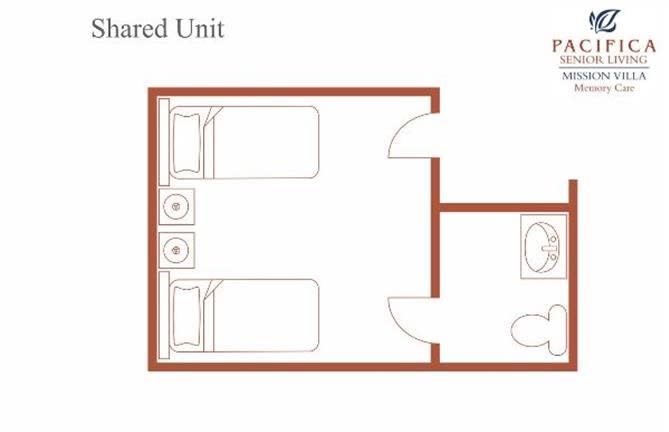
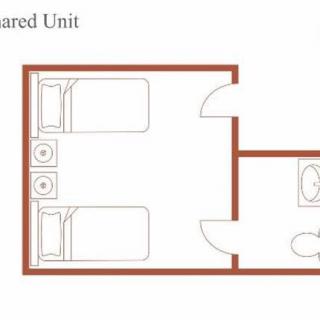
Floor plans
Pacifica Senior Living Mission Villa
San Mateo County
California
Semi-Private
$4,450
$3,830
$3,333
Studio
$5,850
$5,178
$4,145
Memory care communities with a similar price nearby
Overall Review of Pacifica Senior Living Mission Villa
differentiator11 reviews mention this
Memory care receives dedicated help
Residents and families describe memory-care support that feels personal and steady.
Multiple reviews frame the community around memory care, including support for dementia-related needs and adjustment after moving in. Families describe frequent communication from the care team, attention to comfort, and assistance with daily routines like bathing and dressing. Reviews also mention end-of-life needs such as palliative care and hospice support alongside memory-related care.
common14 reviews mention this
Activities keep residents engaged
Families consistently mention a full activities schedule that keeps residents involved.
Residents are repeatedly described as being kept busy through planned daily activities, including music, arts and crafts, exercise, games, and outings. Several reviews say their loved ones are not left sitting in rooms and that engagement improves mood or reduces isolation. A common theme is that the activities team creates programs that residents can participate in even with memory-related limitations.
common7 reviews mention this
Dining is treated like an event
Dining is frequently described as high-quality and well organized.
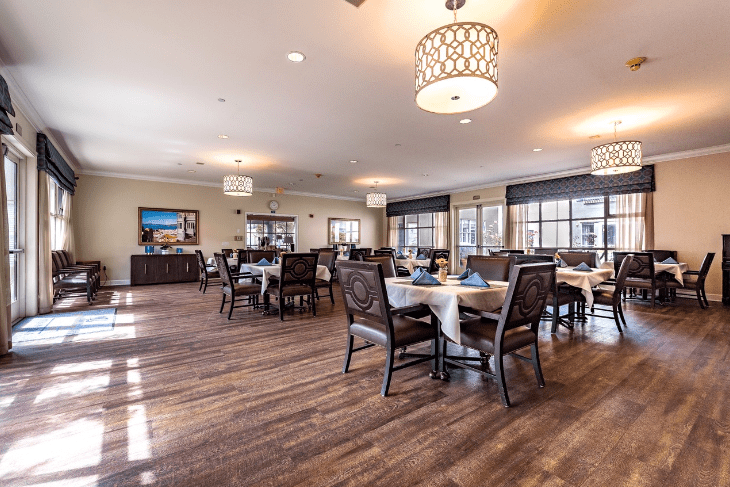
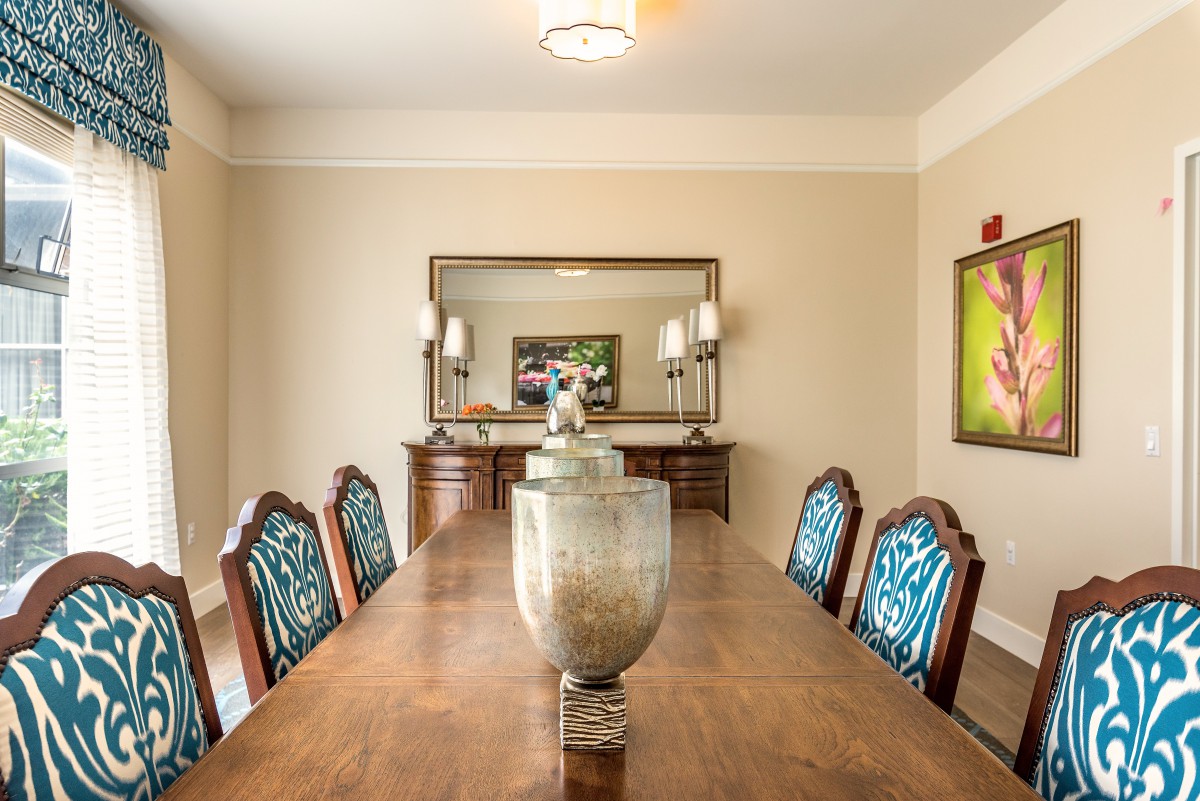
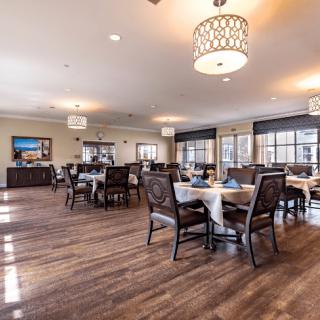
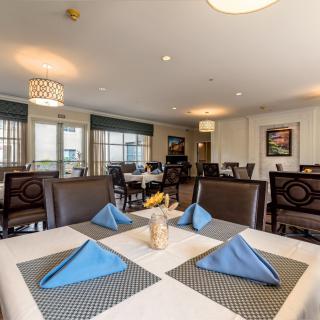
Reviews mention that meals are served multiple times a day with snacks, and several families say the food tastes good or meets preferences. Some residents are described as participating in dining-room activities, and families also reference special meal events like holiday and luncheon gatherings. The community’s focus on restaurant-style dining and room service aligns with how residents’ dining experiences show up in reviews.
common10 reviews mention this
Facility feels clean and bright
Clean, open spaces and natural light are a recurring positive in reviews.
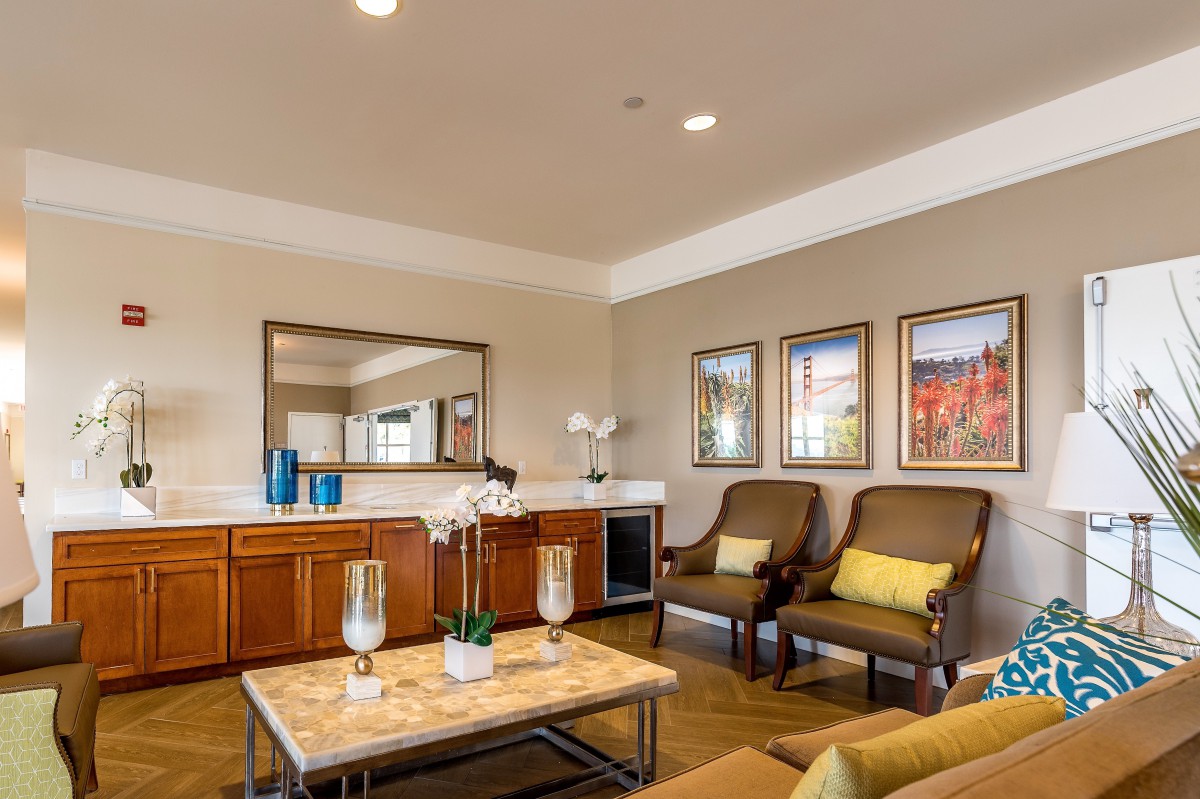
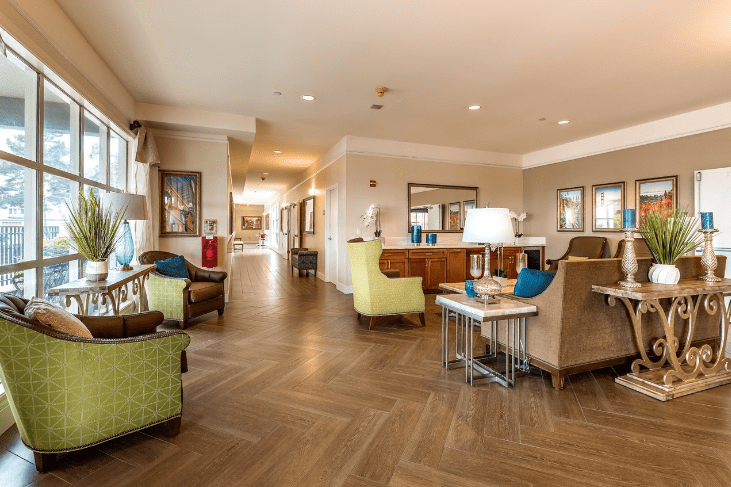
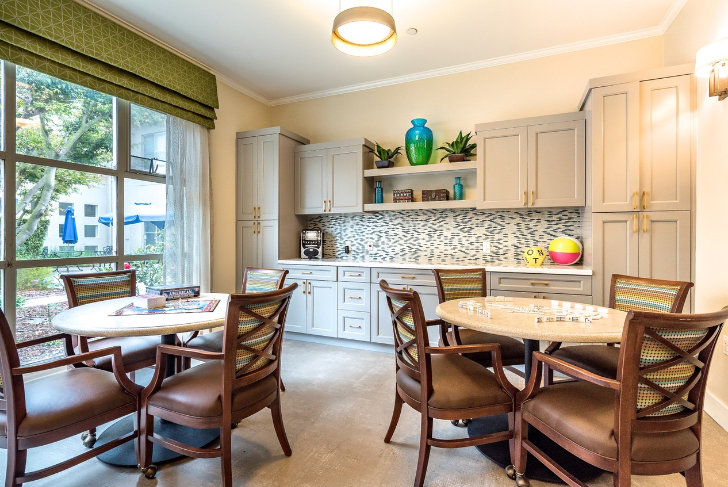
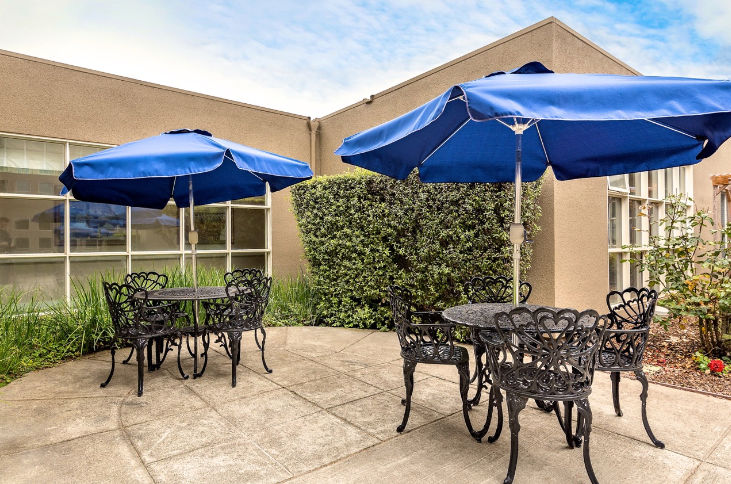
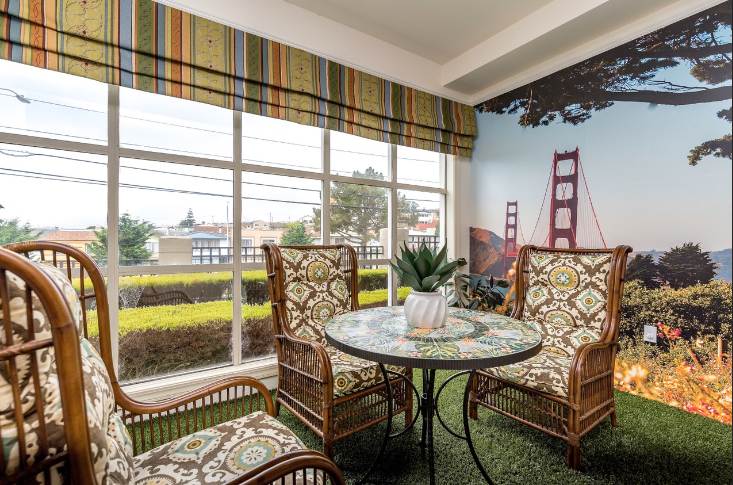
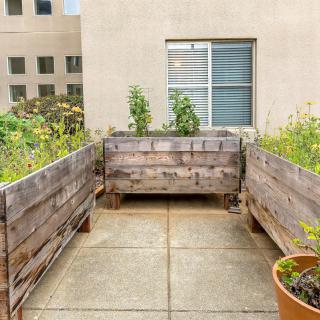
Many reviews highlight cleanliness, including fresh-smelling rooms and the absence of unusual odors. Families also describe a bright layout with large windows, plus comfortable common spaces such as courtyards and areas where residents can sit or move around. A few reviews also note small design conveniences like indoor seating spaces and well-kept outdoor areas.
caveat6 reviews mention this
Costs and staffing draw concerns
Some families raise concerns about cost changes, refunds, and staffing levels.
While some reviews describe pricing as reasonable or even cost-effective, others report the price rising after assessment or note confusion about what was included. There are also complaints about missing refund payments after a short stay. On the staffing side, a few reviews say there are not enough staff to meet all resident needs, along with concerns about follow-up responsiveness.
How we summarize
Counts show how many written reviews mention each theme; a review can touch several themes, and only frequently mentioned themes are displayed.
Features
Housing
60 resident community capacity
1-bedroom apartments
Types of Care
Memory Care
Amenities
Activities off-site
Activities on-site
Air-conditioning
Bath tubs
Beautician on-site
Beauty salon
Cable or satellite TV
Computer center
Devotional services on-site
Dining room
Fitness room
Fully furnished
Gaming room
Garden
Ground floor units
Guasts at mealtime
Handicap accessible
Housekeeping services
Indoor common areas
Kitchenette
Laundry
Move-in coordination
Outdoor common areas
Outdoor space
Private bathrooms
Respite or short term stays offered
Restaurant-style dining
Security gate
Small library
Telephone
Wellness center
Wheelchair accessible showers
Wi-Fi/high-speed internet available
Transportation
San Francisco International (7 miles away)
Metropolitan Oakland International (13 miles away)
Pacifica Senior Living Mission Villa offers a range of living accommodations that reflect its commitment to providing quality senior care, though its pricing is slightly above the regional and state averages. For a semi-private room, the monthly cost stands at $4,450, which is notably higher than the San Mateo County average of $3,830 and California's average of $3,333. Similarly, for those opting for a studio apartment, residents can expect to pay $5,850 - higher than both the county average of $5,178 and the state average of $4,145. While these costs may be elevated compared to local and state benchmarks, they may also reflect the enhanced services and amenities that Pacifica Senior Living Mission Villa provides to ensure a comfortable and supportive environment for its residents.
Pacifica Senior Living Mission Villa's comprehensive features are integral to effectively supporting residents with dementia and Alzheimer's disease. The 24-hour supervision ensures that residents are always monitored, providing a sense of security and immediate assistance when needed. Assistance with activities of daily living, such as bathing and dressing, promotes dignity while helping residents maintain their personal hygiene and comfort. Transfers are facilitated safely to prevent injury, while brain fitness programs engage cognitive functions in enjoyable ways, enhancing mental agility. Coordination with healthcare providers ensures that medical needs are met seamlessly, supported by medication management that adheres to prescribed regimens. Food preparation is tailored to nutritional needs, contributing to overall health and wellbeing. Specialized memory care programming addresses the unique challenges posed by cognitive impairments through structured activities designed for various stages of dementia. Additionally, a mental wellness program nurtures emotional health, while incontinence care provides discreet support for personal needs. Arrangements for transportation to medical appointments further guarantee continuity in care, all essential elements that foster a nurturing environment for those living with cognitive decline.
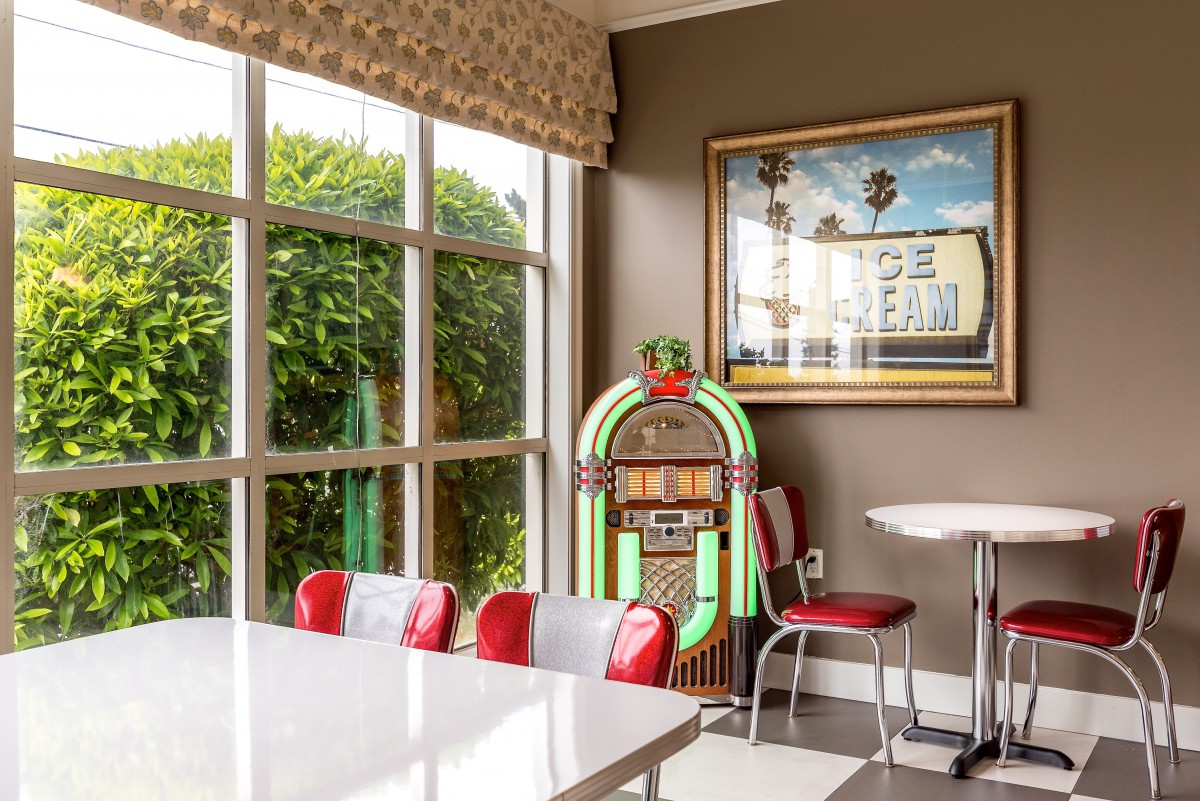
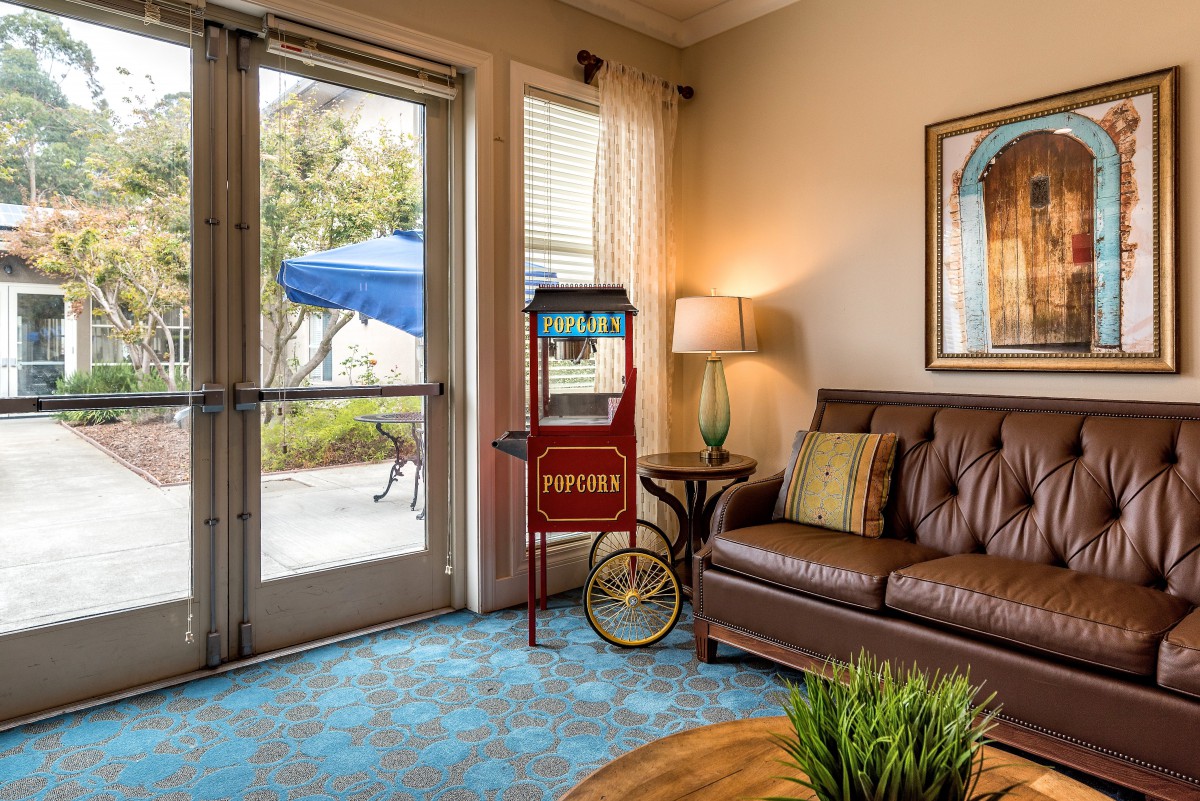
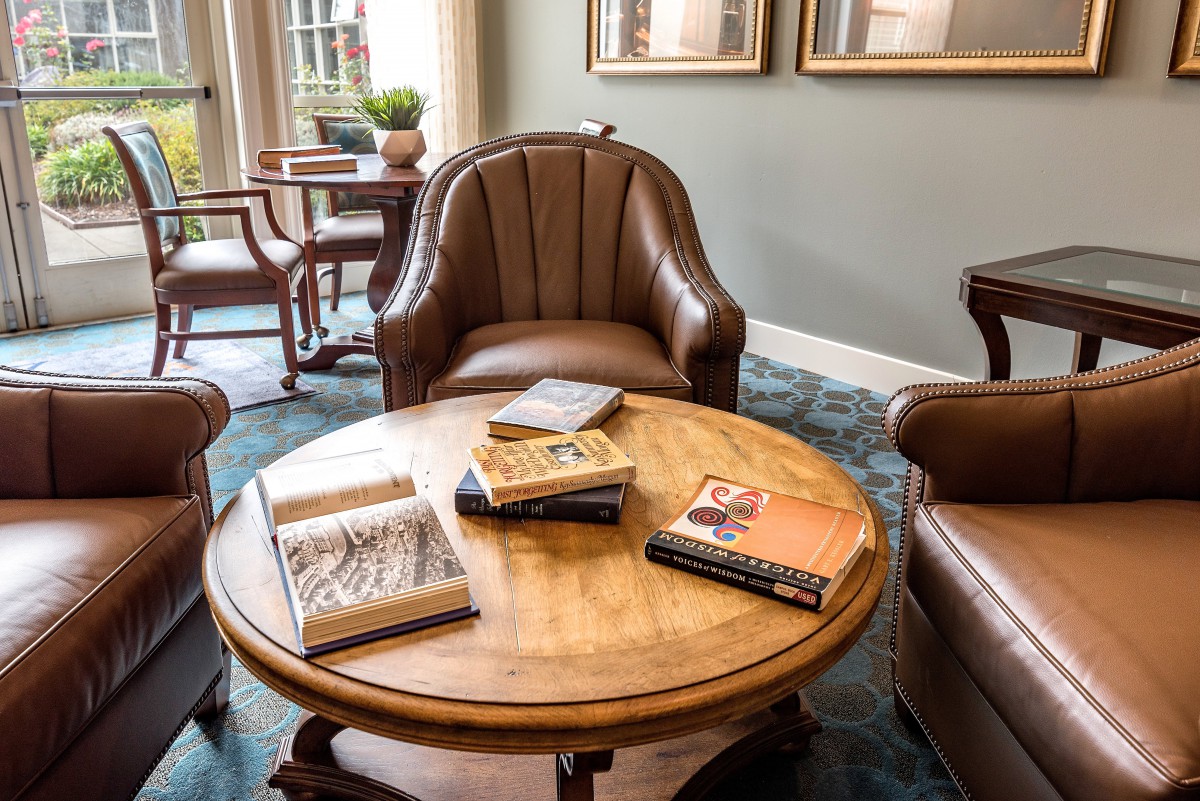
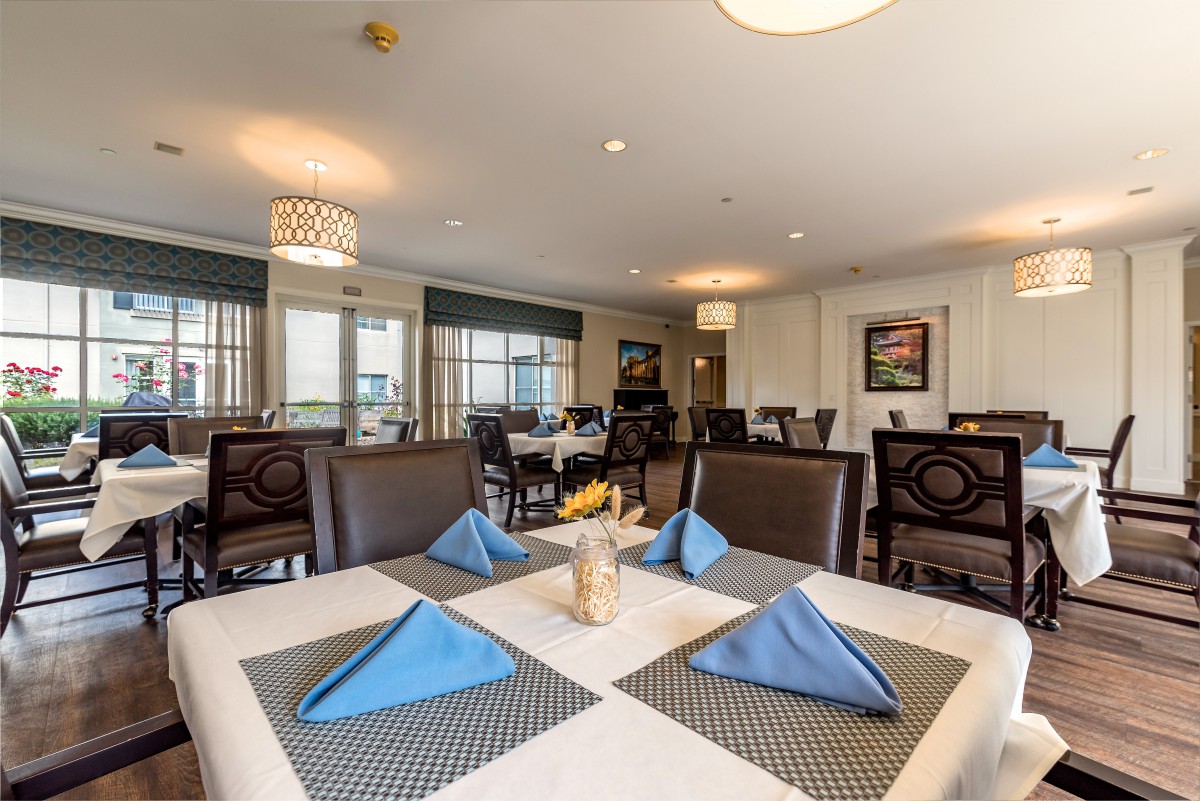
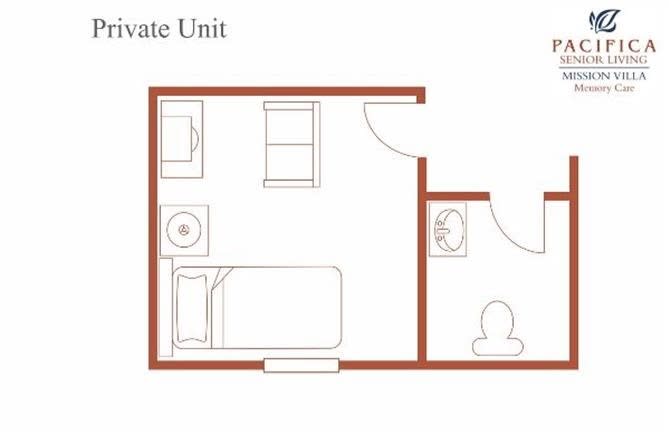
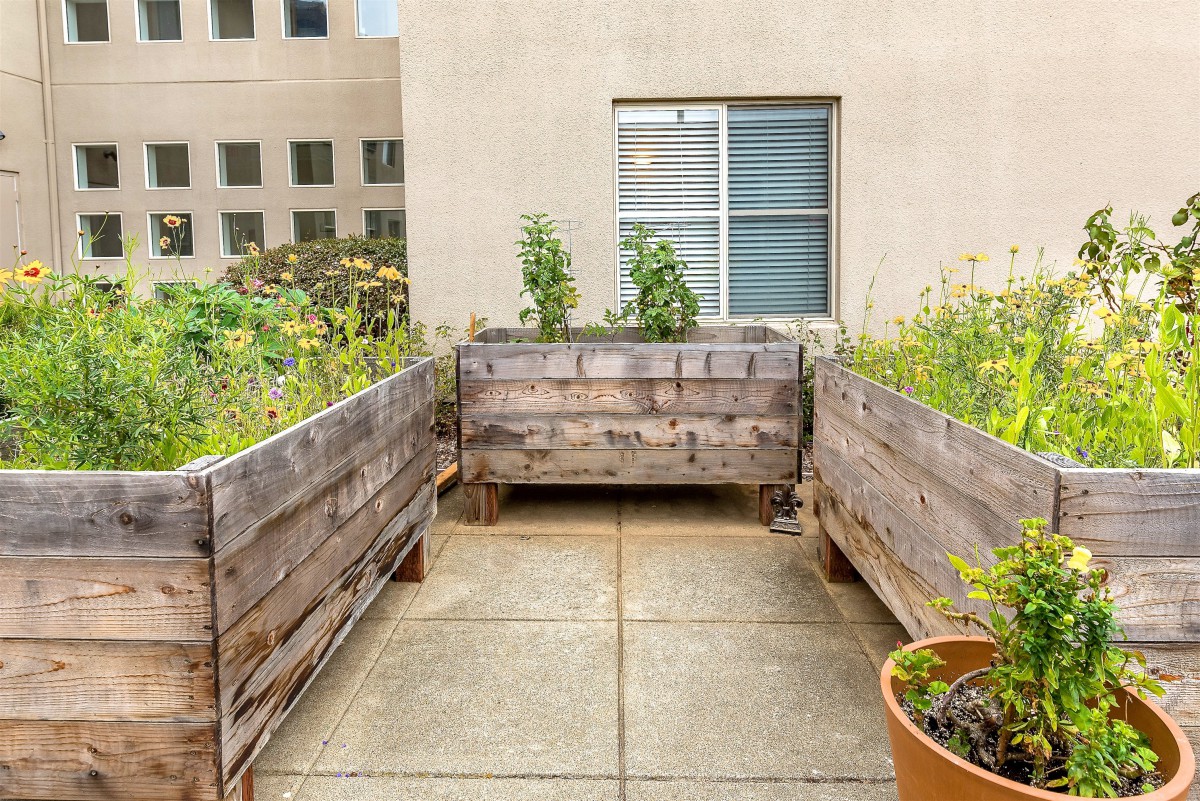
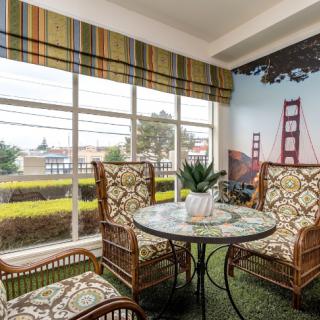
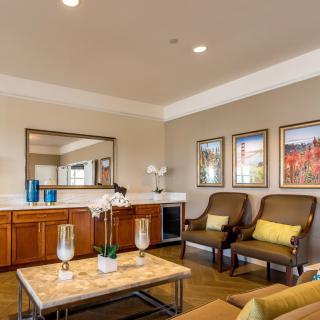
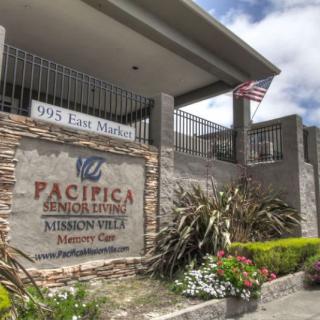
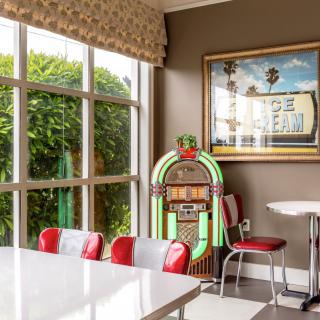
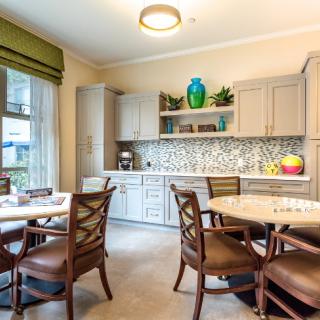
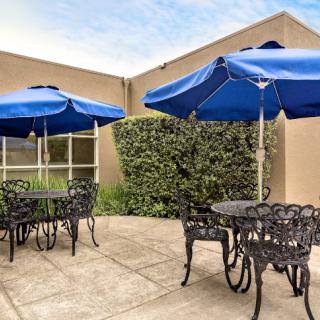
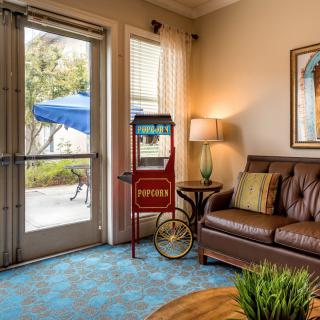
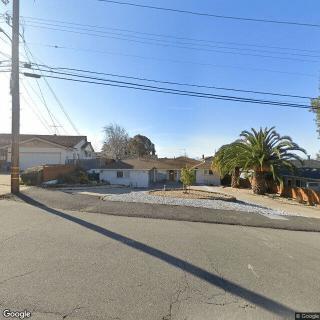
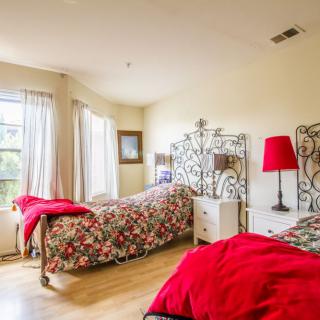
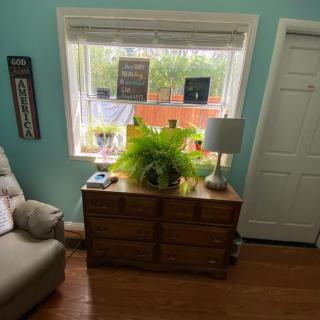
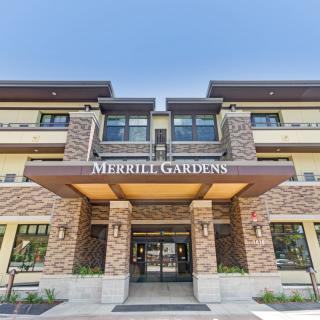
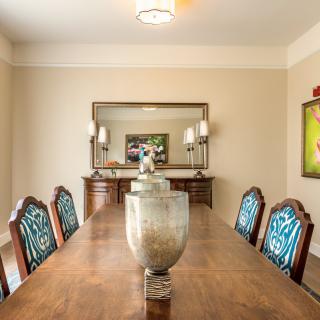
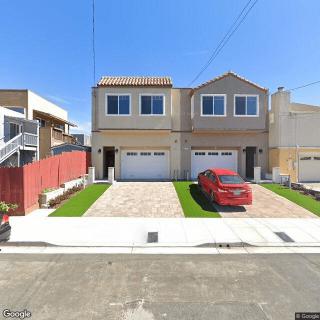
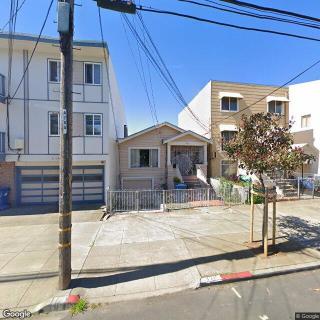
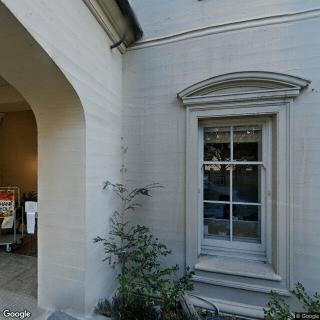
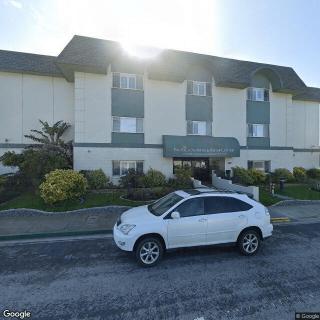
Pacifica Senior Living Mission Villa on seniors.fyi includes 16 photos including images showing interior, dining, decor, windows, living room, seating area, floor plan, room layout, and more.
Nearby Communities
Hillside Care Home
Colma, CA
Personalized, 24-hour care in a cozy, homelike setting with diabetes-friendly meals.
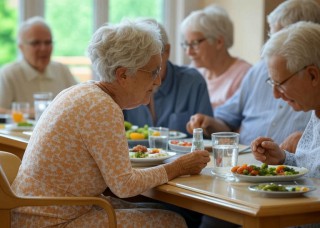
Dementia is characterized by cognitive decline, with nutrition playing a vital role in brain health; while no specific diet can prevent or reverse it, a nutrient-dense diet rich in antioxidants and healthy fats may support cognitive function. The MIND diet, which emphasizes beneficial foods and limits processed items, along with proper hydration and individualized meal strategies, can enhance the well-being of dementia patients.
Dementia affects memory and cognitive function in older adults, presenting challenges for caregivers due to behavioral changes such as confusion and mood swings. Compassionate, person-centered care that considers individual history and preferences, along with effective communication and environmental modifications, is essential for supporting both patients and their caregivers.
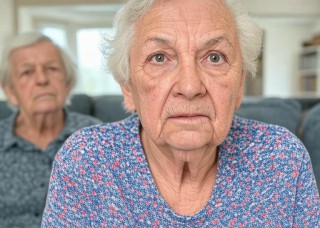
Dementia leads to cognitive impairment and can cause emotional and behavioral changes, including aggression that arises from frustration, confusion, or fear. Effective coping strategies for caregivers include understanding dementia's nature, recognizing triggers, using empathetic communication, and employing non-pharmacological interventions like music and art therapy.
Get PricingAsk A QuestionSchedule A TourContact Senior Advisor
By clicking submit, you agree to our Partner's Terms of Use. You
also consent to receive calls and texts, which may be autodialed, from our Partner. Your consent is not a condition to
using our Partner's service. Please visit our Partner's Privacy Policy for information about their privacy practices.



 60 resident community capacity
 1-bedroom apartments
 Memory Care
 Activities off-site
 Air-conditioning
 Bath tubs
 Beautician on-site
 Cable or satellite TV
 Computer center
 Devotional services on-site
 Dining room
 Fitness room
 Fully furnished
 Gaming room
 Garden
 Ground floor units
 Handicap accessible
 Housekeeping services
 Indoor common areas
 Kitchenette
 Laundry
 Move-in coordination
 Outdoor common areas
 Private bathrooms
 Respite or short term stays offered
 Restaurant-style dining
 Security gate
 Small library
 Telephone
 Wellness center
 Wheelchair accessible showers
 Wi-Fi/high-speed internet available
 San Francisco International (7 miles away)
 Community operated transportation
 12-16 hour nursing
 24-hour call system
 Ambulatory care
 Assistance with bathing
 Assistance with dressing
 Assistance with transfers
 Diabetes diet
 Diabetic care
 Hospice waiver
 Incontinence care
 Medication management
 Mental wellness program
 Special dietary restrictions
 Transportation arrangement (medical)
 Art classes
 Brain fitness
 Concierge services
 Cooking classes
 Day trips and outings
 Karaoke
 Live dance or theater performances
 Live musical performances
 English
 Personalized, 24-hour care in a cozy, homelike setting with diabetes-friendly meals.
 Nourishing the Mind: Essential Dietary Approaches for Dementia
 Understanding Dementia Behaviors: Practical Insights and Strategies for Caregivers
 When Dementia Sparks Anger and Aggression: Understanding the Connection and Ways to Cope