
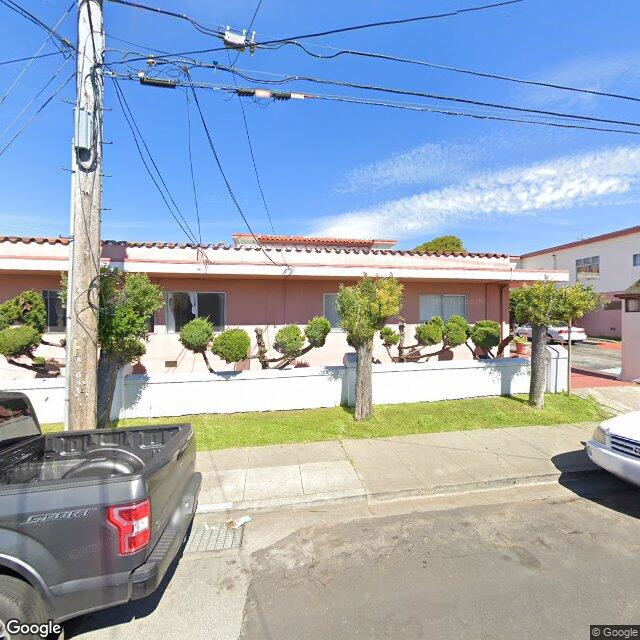
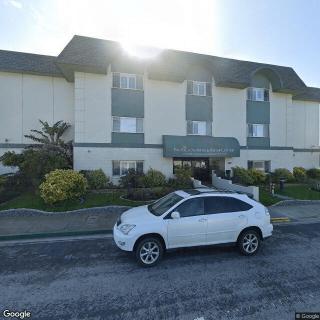
130 Vale Street, Colma, CA 94014
For more information about senior living options: (866) 208-4318
A & J Assisted Living Facility Costs & Pricing
A & J Assisted Living Facility offers competitive pricing when compared to the broader financial landscape of San Mateo County and California. For a semi-private room, residents can expect to pay $4,500 per month, which is notably higher than both the county average of $3,830 and the state average of $3,333. When it comes to one-bedroom accommodations, A & J's rate stands at $6,000 monthly - again surpassing not just the county's typical cost of $5,821 but also exceeding the state average of $4,340. While A & J Assisted Living Facility positions itself at a premium price point in comparison to its local and state counterparts, prospective residents may find value in the quality of care and services provided at this facility.
| Floor plans | A & J Assisted Living Facility | San Mateo County | California |
|---|---|---|---|
| Semi-Private | $4,500 | $3,830 | $3,333 |
| 1 Bedroom | $6,000 | $5,821 | $4,340 |
Memory care communities with a similar price nearby
-
from +$500 / mo

Blessing Home
$5,000 to $6,000 / month21.9 miles away -
from -$500 / mo

Golden Age Of Channing Way
$4,000 to $5,000 / month12.6 miles away -
About the same
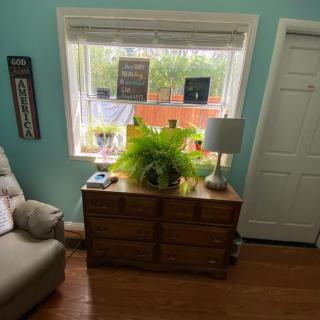
Lafayette Gardens
$4,500 to $5,000 / month23.6 miles away -
from -$525 / mo
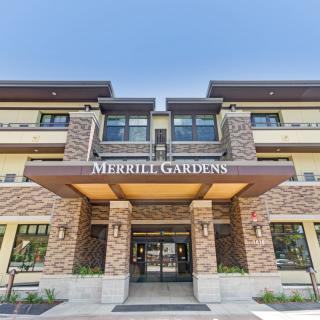
Merrill Gardens at Lafayette
$3,975 to $8,995 / month23.9 miles away -
from +$600 / mo

Aegis of Moraga
$5,100 to $6,150 / month20.9 miles away
Overall Review of A & J Assisted Living Facility
Pros
 They are hardworking and dedicated.
- They handle a large number of patients daily with care.
- They take on a demanding job with perseverance.
- The facility serves many patients and plays an important role in their care.
Cons
 The employees' salaries are paid with checks that bounce.
- The payroll has no funds, causing paychecks to bounce.
- They cannot complain because they are threatened with losing their jobs.
- The facility is large and handles many patients, making the work difficult.
Review
A&J Assisted Living Facility in Colma is best approached as a possibility for families who want a large, busy community and are prepared to actively monitor and push for sound administration while valuing a visibly hardworking staff. The sole review paints a picture of a facility with many residents and a culture of labor intensity, where caregivers clearly strive to do right by their residents even under pressure. In this sense, the community may deliver dependable day-to-day caregiving so long as the financial administration remains stable. However, the decisive factor is governance: the operations depend not just on care rituals but on whether the money flows reliably to keep those routines uninterrupted.
On the other hand, this facility will not be ideal for families that cannot tolerate significant questions about financial health and owner accountability. Alternatives should be seriously considered by anyone who prioritizes predictable finances, transparent governance, and enduring staff stability as non-negotiables. The red flag here is not the care posture alone but the underlying financial behavior that directly threatens staff livelihoods and, by extension, resident care. If a family needs a provider with demonstrated, consistent fiscal footing and credible, open communication about money matters, other options are a safer first choice.
The strongest positive in the limited narrative is the apparent dedication of frontline staff. The review notes that employees are working hard in what is described as a large facility with many patients. That level of commitment can sustain daily routines, dietary service, and basic safety while superiors address higher-level issues. When staff show up with resolve, it creates a practical cushion for residents: predictable wake-up routines, consistent assistance for activities of daily living, and a basic sense of security. Yet these strengths exist within a framework that could be undermined if financial instability bites, creating staffing churn or interrupted wages.
The primary drawback is unmistakable: payroll instability. The report describes bounced checks and no funds at the bank, which translates into palpable anxiety among workers who fear speaking up for fear of losing their jobs. That dynamic points to governance weaknesses at the ownership level and signals potential future disruptions in staffing, scheduling, and access to supplies or contractual services. The size of the operation compounds the risk because a large resident population increases the challenge of maintaining stable staffing, consistent care protocols, and timely maintenance of the facility. In short, the cons here are structural rather than episodic: mismanaged finances threaten the very continuity of care that residents rely on.
For families evaluating options, several practical steps are essential. Request current, clear financial disclosures and forward-looking statements from the owner or administrator, and verify they align with licensing requirements and local reporting expectations. Speak directly with frontline staff about their experiences, whether wage reliability is a recurring anxiety and whether staffing levels have been consistent across shifts. Seek recent occupancy and turnover data, and inquire about any corrective action plans or external oversight that address governance concerns. It is prudent to schedule candid discussions about contingency plans: what happens if payroll delays recur, how the facility maintains service levels during staffing shortages, and what guarantees exist regarding resident care continuity.
Ultimately, the verdict is decisive: this community presents a meaningful risk to families who prioritize financial reliability and consistent governance. The optimistic note, the dedication of staff, offers some assurance, but it cannot erase the central red flag of payroll instability and owner accountability concerns. For most families, alternatives with demonstrably stable finances, transparent leadership, and safer guarantees around staffing should be preferred. If choosing this community, enter with clear guardrails, insist on concrete financial safeguards, and prepare to reassess promptly if improvements do not materialize.
 53 resident community capacity
 Assisted Living
 Memory Care
 Respite Care
 Activities on-site
 Air-conditioning
 Beautician on-site
 Cable or satellite TV
 Computer center
 Devotional services off-site
 Dining room
 Fitness room
 Fully furnished
 Gaming room
 Garden
 Ground floor units
 Handicap accessible
 Housekeeping services
 Indoor common areas
 Kitchenette
 Move-in coordination
 Outdoor space
 Private bathrooms
 Restaurant-style dining
 Small library
 Telephone
 Wellness center
 Wheelchair accessible showers
 Wi-Fi/high-speed internet available
 San Francisco International (7 miles away)
 Community operated transportation
 12-16 hour nursing
 24-hour call system
 Assistance with bathing
 Assistance with dressing
 Assistance with transfers
 Diabetes diet
 Diabetic care
 Medication management
 Mental wellness program
 Special dietary restrictions
 Art classes
 Concierge services
 Cooking classes
 Happy hour
 Karaoke
 Live dance or theater performances
 Live musical performances
 Planned day trips
 Trivia games
 Wii bowling





 Dementia-Related Hallucinations: Causes, Experiences, and Practical Approaches
 Illuminating Insights About Alzheimer's Disease: Ten Crucial Realities
 A Thorough Discussion of Medications Potentially Linked to Dementia Risk