

445 Wawona St., San Francisco, CA 94116
To contact a resident: (415) 379-2224
For more information about senior living options: (866) 208-4318
Arden Wood Costs & Pricing
At Arden Wood, the cost for a studio apartment is $5,300 per month, which offers a more attractive option compared to the average rate in San Francisco County at $7,708. Within the broader context of California, where costs can vary significantly across different regions, Arden Wood presents itself as a competitive choice - particularly when contrasted with the state average of $4,145 for similar accommodations. This pricing positions Arden Wood as an appealing alternative for those seeking quality living arrangements without venturing into the higher price strata typical of urban centers like San Francisco.
| Floor plans | Arden Wood | San Francisco County | California |
|---|---|---|---|
| Studio | $5,300 | $7,708 | $4,145 |
Memory care communities with a similar price nearby
-
from -$300 / mo
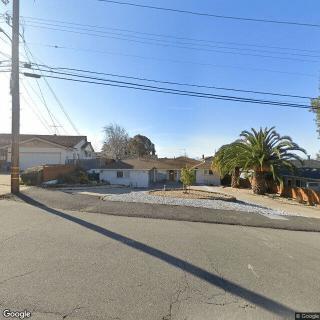
Blessing Home
$5,000 to $6,000 / month22.0 miles away -
from +$200 / mo
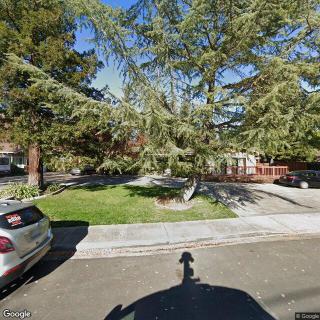
Carnelian III
$5,500 / month24.2 miles away -
from -$800 / mo
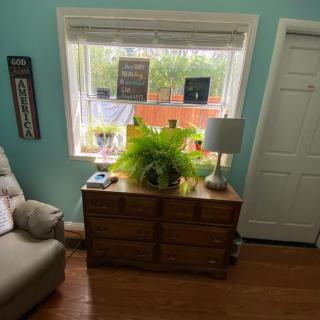
Lafayette Gardens
$4,500 to $5,000 / month22.2 miles away -
from -$200 / mo

Aegis of Moraga
$5,100 to $6,150 / month19.8 miles away -
from +$400 / mo
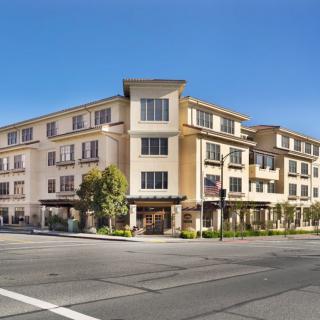
Sunrise of Burlingame
$5,700 to $9,000 / month11.1 miles away
Overall Review of Arden Wood
Pros
 They were cared for lovingly by the staff during their stay.
- AW has provided TLC to two loved ones, and the family is deeply grateful for the skilled nursing care.
- Their parents received excellent care, with the nurses going above and beyond to attend to every need.
- The staff were friendly and the accommodations were excellent.
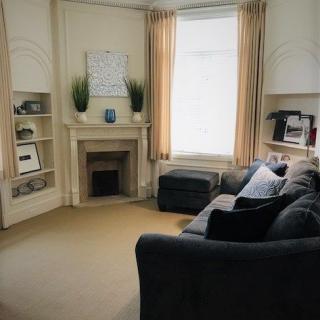
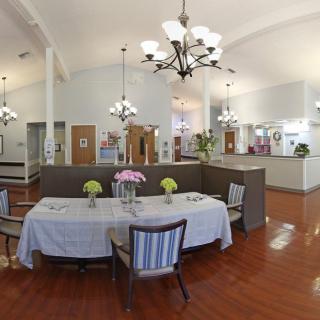
- The facility is beautiful.
- The people here are amazing, the food is great, and the atmosphere is fantastic.
Review
Arden Wood in San Francisco is best suited for seniors who want a genuinely warm, caregiving-focused environment with a robust nursing component, delivered in a beautifully appointed setting. The reviews repeatedly highlight skilled nurses and loving, attentive staff who treat residents and their families with real kindness. This is not a bare-bones operation; it is a place where care feels personal, and where the atmosphere, culinary quality, comfortable accommodations, and a sense of place, supports a dignified, engaged living experience.
Those who may want to consider alternatives are families prioritizing cost above all else, or residents seeking a more independent lifestyle with minimal assistance. A high-end, nurse-centric setting like Arden Wood tends to come with a price tag that reflects its amenities and level of service. For households looking for simpler, more budget-conscious options, or those needing a more compact, less expansive community footprint, other options in the Bay Area may align more closely with financial and lifestyle goals. Individuals pursuing a highly clinical or hospital-like environment may also find value elsewhere if a different care rhythm or predictability suits them better.
The strongest positives at Arden Wood center on people and place. The staff are described as friendly, responsive, and deeply invested in residents’ well-being, with nurses who go above and beyond to meet needs. The care ethos shines through in numerous anecdotes of TLC for loved ones, suggesting a morning-to-night reliability that families can count on. The physical setting complements the care, with excellent accommodations and a campus that is “beautiful” and “amazing” in atmosphere. Food quality also receives enthusiastic praise, reinforcing that daily living feels comfortable, not merely functional.
Given the presence of two lower-rated reviews, there are caveats worth acknowledging. Those ratings imply that not every experience will align perfectly with the glowing testimonials, and a few residents or families may encounter gaps or unmet expectations. The specifics aren’t laid out in the favorable narratives, but the existence of dissent signals that expectations around cost, service delivery, or individualized planning can diverge from the ideal for some. In practice, any decision should balance the overwhelmingly positive indicators with a clear, frontline check on how care plans are customized, how staff levels scale to resident needs, and what fixed versus variable costs might look like over time.
When weighed against the cons, Arden Wood’s key strengths largely offset the trade-offs for families prioritizing hands-on nursing excellence in a refined environment. The combination of compassionate, proactive nursing care, a welcoming staff culture, and a setting designed to feel like home translates into meaningful daily livability. The experiential benefits, beautiful surroundings, generous accommodations, and a reputation for quality food and atmosphere, tend to elevate quality of life for residents who want to be well cared for without sacrificing dignity or social engagement. For those with sufficient resources and a strong preference for a high-touch model, the value proposition remains compelling.
Recommended approach for families: visit Arden Wood with a concrete list of questions about staffing ratios, care planning, and what “skilled nursing care” looks like in a week’s schedule. Request current resident case studies, speak with the nursing leadership, and review the most recent care plans to understand how individualized attention is delivered daily. Compare with potential alternatives that emphasize lower cost, greater independence, or a different community size. If care depth, warmth, and a beautiful living environment are non-negotiables, Arden Wood stands out as a top option in the Bay Area. If those aren’t non-negotiables, it is prudent to explore other communities before committing.
 Assisted Living
 Independent Living
 Memory Care
 Activities on-site
 Devotional services off-site
 Ground floor units
 Handicap accessible
 Indoor common areas
 San Francisco International (10 miles away)
 Ambulatory care
 Diabetic care
 Medication management
 Meals provided
 Bible study group



 Assisted Living and Memory Care: Understanding Their Core Differences
 Choosing the Right Senior Care: A Detailed Exploration of Assisted Living and Nursing Homes
 Safeguarding Your Memory Through the Golden Years: Eight Ways to Preserve Cognitive Health