On My Own Home

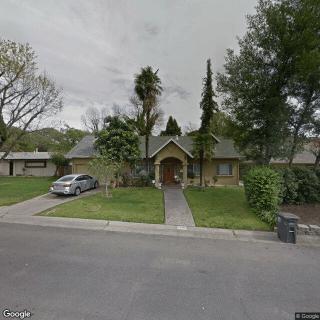
6712 Green Ash Court, Citrus Heights, CA 95610

For more information about senior living options: (844) 490-3973

2.7 from 16 reviews
5 stars
6
4 stars
0
3 stars
1
2 stars
1
1 stars
8

Assisted Living Board and Care Home Respite Care

Overall Review of On My Own Home

Cons

  • pro Staff members need more training on how to speak to disabled clients and avoid instigating arguments.
  • pro There were chemicals in the daughter's bedroom, and a worker claimed it wasn't their area to clean, risking harm to the client.
  • pro Caregivers are supposed to protect clients collectively, but harm is implied to be everyone's fault if it occurs.
  • pro The youngest workers are perceived as disrespectful, and there is a call for more professional support staff.
  • pro The approach to grocery shopping and personal space shows a lack of respect for clients, with family presence discouraged.
  • pro Facilitators are treated like slaves, with unpaid overtime and wages effectively reduced by travel and long hours.
  • pro The company is criticized as uncaring toward clients, with staff treating consumers and their homes poorly, and the reviewer vows never to use it again.

Review

A troubling pattern emerges from a string of recent experiences with this home-care service, touching on safety, respect, training, and the day-to-day realities of caring for disabled clients. The accounts raise serious questions about how well staff are prepared to engage with vulnerable individuals, and how quickly safety concerns are addressed when they arise. One recurring thread is the perceived gap between what families expect from a professional care team and what is actually delivered in the home. The reviews describe a culture where communication with disabled clients can deteriorate into arguments rather than supportive dialogue, leaving families worried about how conflicts might escalate and what steps would be taken if harm came to a loved one.

A core complaint centers on staff training and the tone of interactions with clients. The reviewers emphasize the need for better training on how to speak to disabled clients and how to de-escalate conversations that might become confrontational. They report confrontations and disrespectful exchanges, suggesting that staff may not be equipped with appropriate communication strategies or the sensitivity required when assisting someone with disabilities. In addition to interpersonal skills, there are concrete safety concerns raised about the home environment: chemicals present in a child's bedroom and a worker who claimed that cleaning beyond a specific area was not their job. The broader expectation, as stated by the reviewers, is that all caregivers share responsibility to protect the client and prevent harm, not to "pass the buck" or minimize risk by drawing boundaries around what one worker will or won't do. The reviewers also mention having photos available to demonstrate harm, underscoring the seriousness of their safety worries.

Beyond safety, the reviews highlight issues of professionalism, privacy, and respect. The outcry includes the observation that the youngest workers are sometimes assigned tasks for which they may not be prepared, which the reviewers interpret as a broader problem of respect and competency in staffing. There is a desire for more experienced, professional support - someone who understands the nuances of grocery shopping for clients, respects the client's personal space and belongings, and acknowledges that the client's home is their space as well. The remarks about family presence in the home reflect a broader concern: if clients are living with personal items and family valuables in their space, the caregiving team should treat that environment with utmost care and discretion. The language also hints at a longing for staff who are not just capable but who "earn" respect through steady, considerate, and mature conduct. One reviewer even expresses a spiritual plea for blessing and a wish to find an older, presumably more stable, caregiver to trust.

A second, forceful dimension of the criticism targets the treatment of facilitators and the financial realities of the job. The reviews accuse the company of exploiting staff, describing a culture where facilitators are treated like slaves, exempt from overtime protections, and pushed into long, unpaid hours. The claim is that workers end up logging grueling shifts - often 16 to 24 hours - and driving across large areas with gas costs that eat into earnings. The financial math presented by the reviewers is stark: a claimed annual salary of around $62,000 supposedly shrinks dramatically when travel and extended hours are factored in, allegedly translating into far less than a livable hourly wage. The reviewers claim that the Labor Commission has deemed this practice legal, which they describe as deeply troubling and counterintuitive to the expectations many have about fair labor standards.

These concerns culminate in a strong, personal verdict about the company. One reviewer declares that they are no longer a client, presenting a clear sense of being left to fend for themselves. The sentiment is blunt: the company is viewed as uncaring toward both clients and workers, with staff accused of treating consumers and their homes poorly. The recurring adjectives - "Never again," "rotten company" - reflect a deeply felt disappointment and disillusionment with the organization's practices. Taken together, the reviews paint a portrait of a caregiving operation perceived as understaffed, undertrained, and underappreciative of both the people it serves and the people it employs. The overarching message is a call for change: improved training, better protection for vulnerable clients, fair pay and hours for workers, and a culture that genuinely prioritizes safety, respect, and professional care.

In sum, the accounts depict a service that many families rely on with the expectation of safety, dignity, and reliable support, but which appears to fall short on several critical fronts. The concerns about communication with disabled clients, adherence to safety protocols in the home, the boundaries around who handles what tasks, and the treatment and compensation of staff all suggest systemic issues that deserve careful attention from leadership, regulators, and the community. Where these problems persist, families are left feeling compelled to advocate loudly for safer practices, better-trained personnel, and a caregiving model that respects both clients and workers as essential, valued members of the care ecosystem.

Features

Housing

  • 4 resident community capacity 4 resident community capacity

Types of Care

  • Assisted Living Assisted LivingAssisted living facilities provide crucial support and care for seniors who may need help with daily tasks such as medication management, bathing, and meal preparation. These communities offer a safe and comfortable environment where seniors can maintain their independence while receiving the assistance they need to thrive in their golden years.
  • Board and Care Home Board and Care HomeBoard and care homes provide a smaller, more intimate setting for seniors who require assistance with daily tasks but do not need the level of care offered by a nursing home. They offer personalized care, meals, and social activities in a homelike environment, ensuring that seniors receive individualized attention and support in their golden years.
  • Respite Care Respite CareRespite care provides temporary relief for caregivers, allowing them to recharge and attend to their own needs. It also gives seniors the opportunity to socialize, receive professional care, and experience a change of scenery, promoting overall well-being and reducing feelings of isolation.

Amenities

  • Cable or satellite TV Cable or satellite TVCable or satellite TV is important for seniors because it provides entertainment, news, and companionship, helping to combat loneliness and boredom. It also offers a wide range of programming options tailored to different interests and preferences.
  • Dining room Dining roomDining rooms are important for seniors as they provide a space for socialization, connection, and nutritious meals. They offer opportunities for residents to bond over shared meals, foster a sense of community, and promote healthy eating habits. Dining rooms also ensure that seniors have access to well-balanced meals tailored to their dietary needs and preferences.
  • Fully furnished Fully furnishedFully furnished senior living communities are important for seniors because they provide convenience, comfort, and a hassle-free moving experience. Seniors can easily settle into their new living space without the stress of having to buy and move furniture. This allows them to focus on enjoying their new home and community.
  • Garden GardenGardens are important for seniors as they provide a peaceful and therapeutic environment for relaxation, physical activity, and socialization. Being in nature has been shown to reduce stress, improve mood, and promote overall well-being. Gardens also offer opportunities for seniors to engage in gardening activities, which can improve mobility, flexibility, and cognitive function. Additionally, gardens create a sense of community and connection with others who share a passion for plants and outdoor spaces.
  • Housekeeping services Housekeeping servicesHousekeeping services are important for seniors because they help maintain a clean and safe living environment, promote independence, and reduce the risk of accidents or illnesses. Additionally, having assistance with household chores can alleviate physical strain and allow seniors to focus on other aspects of their well-being.
  • Move-in coordination Move-in coordinationMove-in coordination is important for seniors because it helps ease the transition into their new living environment. It ensures that all logistics, such as packing, organizing movers, and setting up utilities are taken care of, allowing seniors to focus on settling in and adjusting to their new home. Having a smooth move-in process can alleviate stress and anxiety, making the transition smoother and more enjoyable for seniors.
  • Outdoor space Outdoor spaceOutdoor spaces are important for seniors as they provide opportunities for physical activity, social interaction, exposure to natural light and fresh air, and a sense of connection to nature. Having access to outdoor spaces can improve overall well-being and quality of life for older adults living in senior communities.
  • Telephone TelephoneTelephones are important for seniors as they provide a lifeline for communication with loved ones, emergency services, and healthcare providers. They offer a sense of security and independence, enabling seniors to stay connected and access assistance when needed.
  • Wi-Fi/high-speed internet available Wi-Fi/high-speed internet availableWi-Fi/high-speed internet is important for seniors to stay connected with loved ones, access online resources, and participate in virtual activities to combat feelings of loneliness and isolation. It also allows them to easily manage healthcare needs, access entertainment, and engage in lifelong learning opportunities.

Transportation

  • Sacramento International (17 miles away) Sacramento International (17 miles away)

Care Services

  • 24-hour supervision 24-hour supervision24-hour supervision is important for seniors to ensure their safety, well-being, and access to immediate assistance in case of emergencies or health issues. This constant support provides peace of mind for both seniors and their loved ones, allowing them to age in place with dignity and security.
  • Activities of daily living assistance Activities of daily living assistanceActivities of daily living assistance are important for seniors because they provide essential support with tasks such as eating, bathing, dressing, and mobility. This assistance helps seniors maintain their independence, dignity, and overall quality of life as they age.
  • Assistance with bathing Assistance with bathingAssistance with bathing is crucial for seniors as it helps maintain personal hygiene, prevents infections, and ensures their overall well-being and comfort. It also provides a sense of dignity and independence for seniors who may struggle with this task on their own.
  • Assistance with dressing Assistance with dressingAssistance with dressing is important for seniors because it helps maintain their independence, promotes personal hygiene, prevents accidents and injuries, and improves overall quality of life. This service ensures that seniors can continue to dress comfortably and confidently, despite any physical limitations they may have.
  • Assistance with transfers Assistance with transfersAssistance with transfers is crucial for seniors as it helps prevent falls and injuries, maintains their independence, and ensures they can safely navigate their living environment. It also provides peace of mind for both seniors and their loved ones.
  • Coordination with health care providers Coordination with health care providersCoordination with health care providers is crucial for seniors to ensure proper medical care, medication management, and overall well-being. This collaboration helps prevent overlapping treatments, track progress more effectively, and provide comprehensive support tailored to individual needs.
  • Diabetes diet Diabetes dietA diabetes diet is crucial for seniors as it helps manage blood sugar levels, reduce risks of complications, and improve overall health and well-being. By following a balanced and nutritious diet tailored to their specific needs, seniors can better control their diabetes and enhance their quality of life.
  • Meal preparation and service Meal preparation and serviceMeal preparation and service are crucial for seniors as they may have limited mobility or energy to cook nutritious meals. Having access to healthy and convenient food options can ensure they are getting the proper nutrition needed to maintain their overall health and well-being.
  • Medication management Medication managementMedication management is crucial for seniors to ensure they are taking the right medications at the correct dosages and times. This helps prevent adverse drug interactions, reduces the risk of medication errors, and promotes overall health and well-being. Proactive management also allows for adjustments as needed based on changing health conditions or new prescriptions.
  • Special dietary restrictions Special dietary restrictionsSpecial dietary restrictions are important for seniors because age-related changes in metabolism and health conditions can make it difficult for their bodies to process certain foods. By following a diet tailored to their specific needs, seniors can maintain their overall health and well-being, manage chronic conditions, and reduce the risk of complications such as malnutrition or food interactions with medications.
  • Transportation arrangement (medical) Transportation arrangement (medical)Transportation arrangements for medical purposes are essential for seniors as they may have difficulty driving themselves to appointments or accessing public transportation. Having reliable and safe transportation options ensures that seniors can receive timely medical care and maintain their health and well-being.
  • Transportation to doctors appointments Transportation to doctors appointmentsTransportation to doctors' appointments is crucial for seniors as it ensures they have access to necessary medical care and support for their health needs. Without reliable transportation, seniors may struggle to attend important appointments, leading to potential delays in treatment and health complications. Providing transportation services helps seniors maintain their overall well-being and quality of life.

Dining

  • Diabetes diet Diabetes dietA diabetes diet is crucial for seniors as it helps manage blood sugar levels, reduce risks of complications, and improve overall health and well-being. By following a balanced and nutritious diet tailored to their specific needs, seniors can better control their diabetes and enhance their quality of life.
  • Special dietary restrictions Special dietary restrictionsSpecial dietary restrictions are important for seniors because age-related changes in metabolism and health conditions can make it difficult for their bodies to process certain foods. By following a diet tailored to their specific needs, seniors can maintain their overall health and well-being, manage chronic conditions, and reduce the risk of complications such as malnutrition or food interactions with medications.

Activities

  • Community-sponsored activities Community-sponsored activitiesCommunity-sponsored activities are important for seniors as they provide opportunities for social interaction, mental stimulation, and physical activity. These activities can help improve overall well-being, combat loneliness and isolation, and promote a sense of belonging and purpose among older adults.
  • Scheduled daily activities Scheduled daily activitiesScheduled daily activities are important for seniors because they provide structure, socialization, mental stimulation, and physical activity. Engaging in regular activities can improve overall well-being and quality of life for seniors living in a community setting.

Description

My Own Home in Citrus Heights, CA is a warm and inviting assisted living community that offers both board and care home services as well as respite care. Our fully furnished facility provides a comfortable and homelike environment for our residents.

We pride ourselves on our exceptional amenities, including a spacious dining room where nutritious and delicious meals are served to meet the special dietary restrictions of our residents. Our housekeeping services ensure that the living spaces are always clean and tidy.

Residents can enjoy spending time outdoors in our beautiful garden or relax in the outdoor space available. We understand the importance of staying connected, which is why we offer telephone and Wi-Fi/high-speed internet access.

Our dedicated staff is committed to providing compassionate care to each resident. We assist with activities of daily living such as bathing, dressing, and transfers. We also coordinate with health care providers to ensure that all medical needs are met. Our trained staff members are experienced in diabetes management and can provide proper diet support.

Meal preparation and service are included in our care services, ensuring that residents receive nutritious meals tailored to their dietary needs. Medication management is another facet of our care services to ensure that medications are taken at the appropriate times.

We understand the importance of transportation for medical appointments, which is why we provide transportation arrangements for such purposes. Additionally, we offer transportation options nearby for residents' convenience.

Our vibrant community offers scheduled daily activities for residents to participate in, promoting engagement and socialization among peers. We are conveniently located near various amenities such as cafes, parks, pharmacies, restaurants, places of worship, theaters, and hospitals.

At My Own Home, we strive to provide a supportive environment where residents can maintain their independence while receiving the assistance they need.

Nearby Places of Interest

Restaurants

  • Wendy's (0.6 miles)
  • Raising Cane's Chicken Fingers (0.7 miles)
  • El Tapatio (1.3 miles)
  • McDonald's (2 miles)
  • Nixtaco (3 miles)
  • Umi Sushi (3.9 miles)
  • Chevy's Fresh Mex Restaurants (4 miles)

Cafes

  • Starbucks (0.7 miles)
  • Starbucks (1.2 miles)
  • Dutch Bros Coffee (2 miles)
  • Starbucks (2.6 miles)
  • Starbucks (3.1 miles)
  • Starbucks (4.2 miles)
  • Dutch Bros Coffee (4.9 miles)

Pharmacies

  • Walgreens (0.7 miles)
  • CVS Pharmacy (0.7 miles)
  • Rite Aid (1.6 miles)
  • Sunrise Village (1.6 miles)
  • Rite Aid (2.1 miles)
  • Walgreens (2.2 miles)
  • CVS Pharmacy (2.4 miles)

Physicians

  • UC Davis Medical Group (1.9 miles)
  • Mercy San Juan Hospital (2.6 miles)
  • Debruin Medical Center (3.7 miles)
  • Mary Jammal MD (4.1 miles)
  • Sutter Medical Group (4.3 miles)
  • Naveen Mishra (4.4 miles)
  • Kaiser Permanente Department of Psychiatry (4.4 miles)

Places of Worship

  • St Mel's Catholic Church (2.5 miles)
  • Crossroads Christian Fellowship Wesleyan Church (2.6 miles)
  • SDA Ukrainian Church (2.6 miles)

Hospitals

  • San Juan Surgery Center (2.5 miles)
  • Kaiser Permanente Hospital (4.2 miles)
  • Yuan Franklin E MD - Kaiser Permanente Medical Group (4.2 miles)
  • Kaiser Permanente Labor and Delivery (4.2 miles)
  • Sutter Roseville Outpatient I.V. Therapy (5.5 miles)

Parks

  • Maidu Regional Park (3.5 miles)
  • Sacramento Bar (3.6 miles)
  • Sunrise Area American River Parkway (3.8 miles)
  • Hillsborough Park (3.9 miles)
  • Harry Crabb Park (4 miles)
  • Negro Bar State Park (4.4 miles)
  • Nimbus Flat (4.6 miles)

Theaters

  • Century Theatre (3.6 miles)
  • Regal Ua Olympus Pointe (4.9 miles)
  • Folsom Century Theaters (5.3 miles)

Transportation

  • Roseville Amtrak (4.4 miles)

Frequently Asked Questions

Where is On My Own Home?

Nearby Communities

Related Resources

  • how to pay for assisted livingSecuring Financial Support for Assisted Living: A Comprehensive Overview

    Assisted living facilities offer crucial support for older adults needing help with daily activities but come with varying and significant costs, which can be financed through personal savings, government assistance programs, long-term care insurance, and home equity options. Professional guidance from experts can aid families in navigating these financial complexities to establish a sustainable budgeting approach for assisted living services.

  • assisted living for seniors on social securitySocial Security Benefits and Assisted Living: Navigating Options Across the U.S.

    Assisted living costs often exceed Social Security benefits, necessitating a combination of funding sources like state aid and Medicaid. Understanding the interaction between Social Security programs and available financial support is essential for affording such care.

  • aid and attendance vaAn Extensive Exploration of the VA Aid and Attendance Benefit

    The VA Aid and Attendance benefit provides financial support to veterans needing assistance with daily living due to medical conditions or disabilities, augmenting standard VA pensions for services like in-home care. Eligibility is based on service duration, wartime status, income, and medical needs, with a detailed application process required to access funds for caregiving and home modifications.